
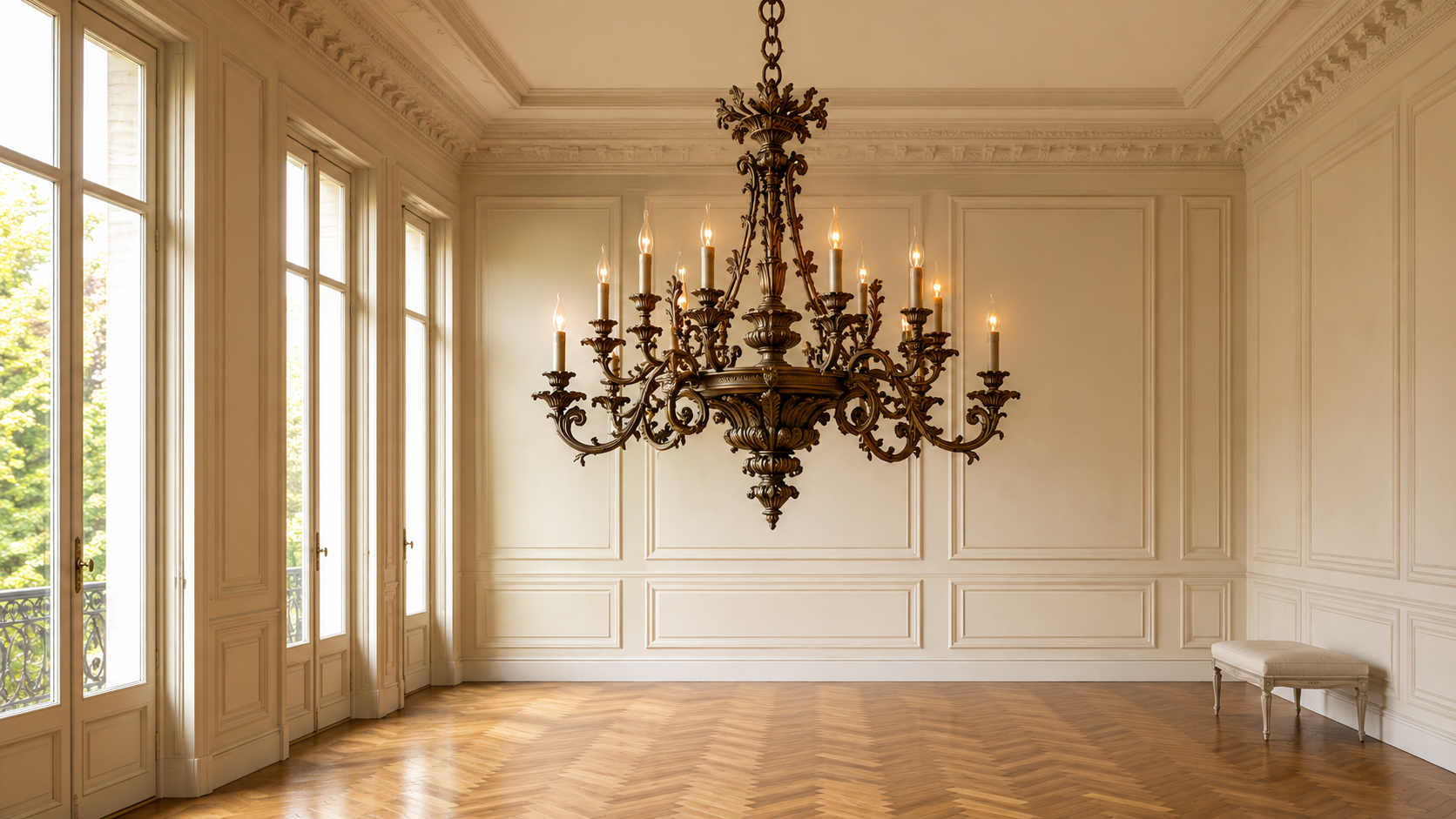
Decorative bronze lighting has been admired for centuries for its exceptional craftsmanship, durability and timeless beauty. From magnificent chandeliers suspended within royal palaces to elegant wall lights illuminating luxury homes, bronze has remained one of the world’s most prestigious materials for decorative lighting. Unlike mass-produced lighting, decorative bronze fittings showcase the skill of artisans who …
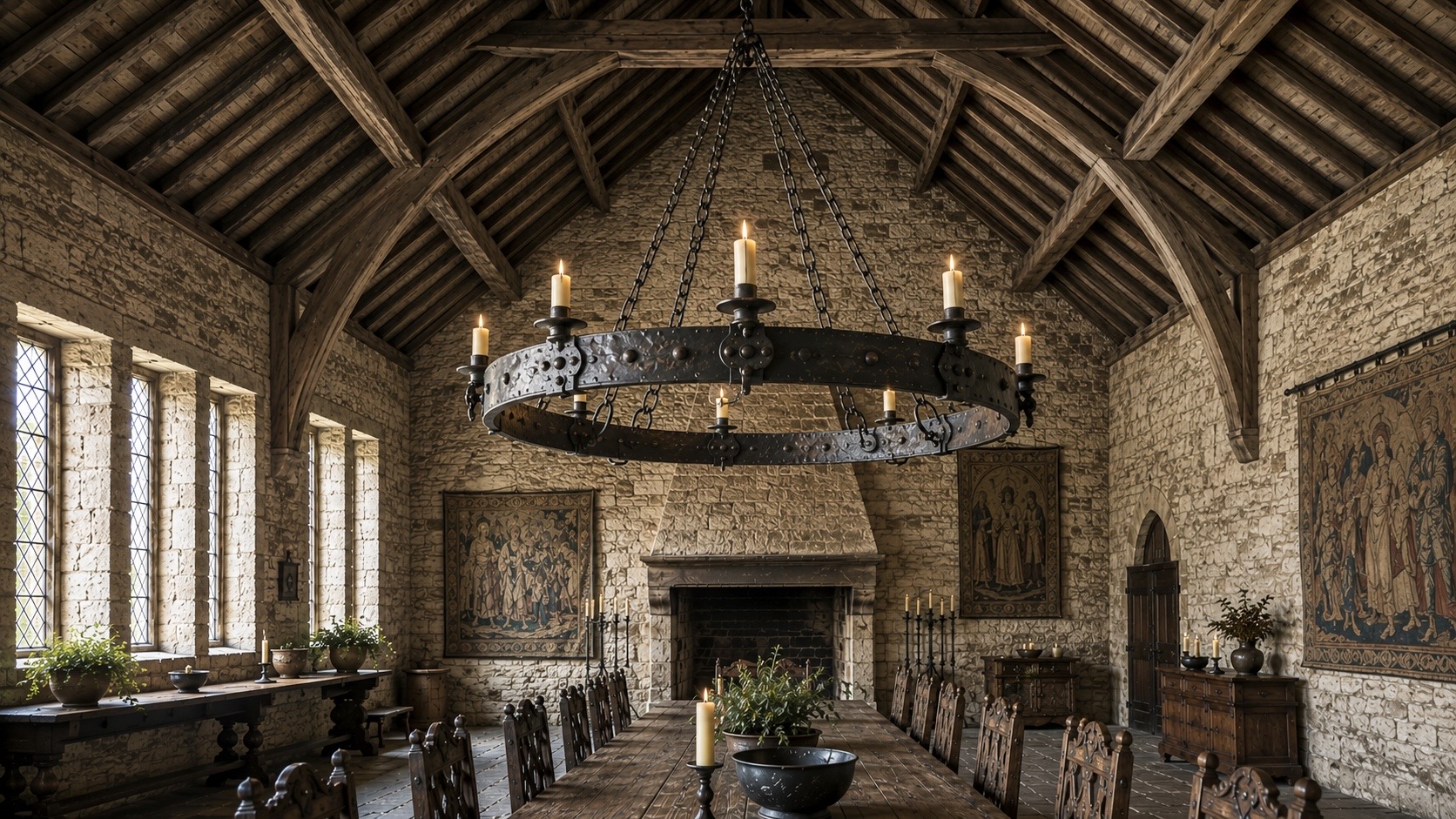
Wrought iron lighting has illuminated homes, castles, churches and public buildings for centuries. Renowned for its strength, handcrafted character and timeless appeal, wrought iron remains one of the most distinctive materials used within decorative lighting, bringing warmth, texture and artisan craftsmanship to both historic and contemporary interiors. Unlike cast metals, wrought iron is traditionally shaped …
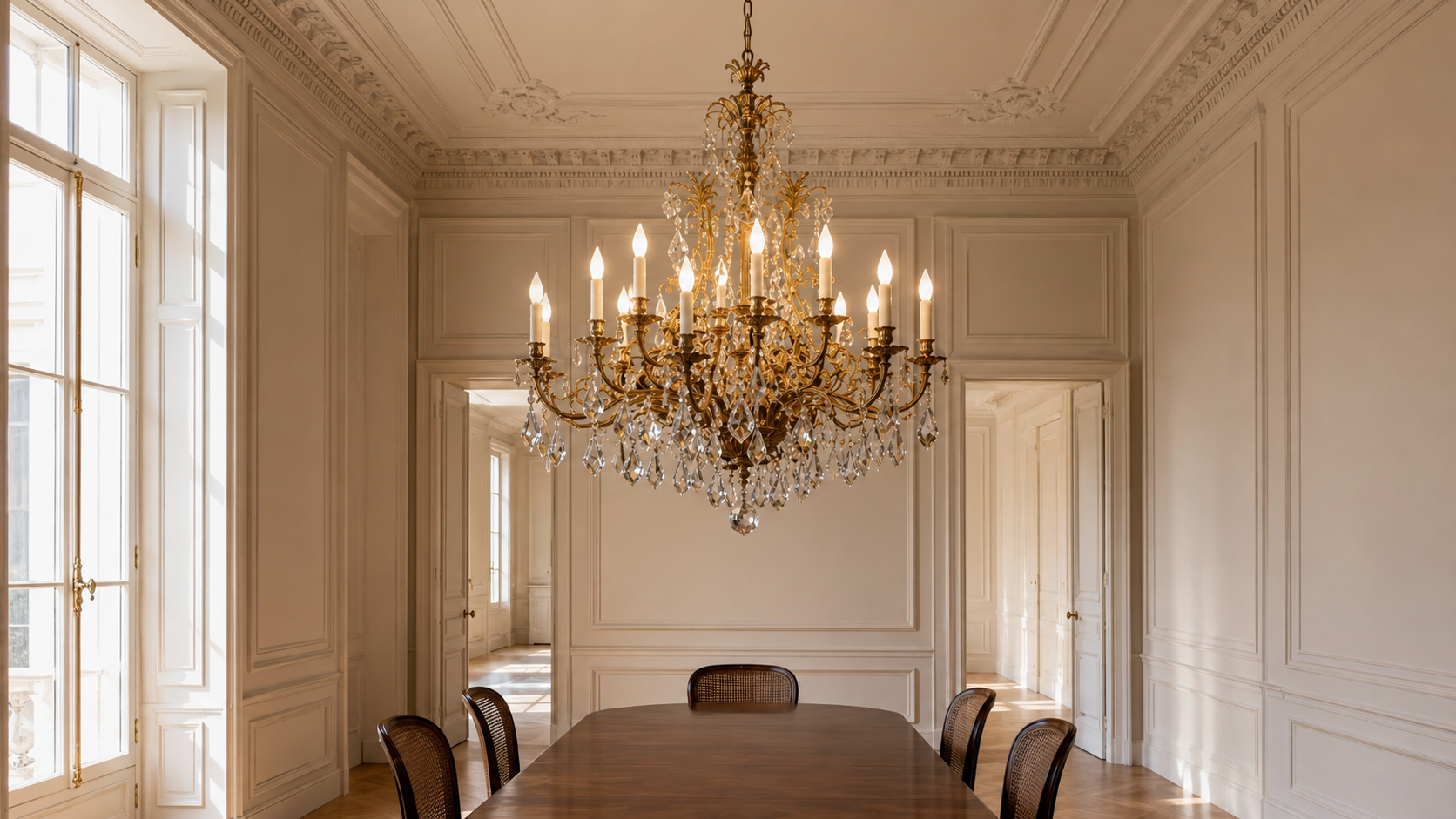
Maison Baguès is one of France’s most distinguished decorative lighting manufacturers, renowned for creating elegant chandeliers, wall lights and decorative metalwork that have adorned luxury homes, palaces and prestigious hotels for more than a century. Combining exceptional craftsmanship with refined French design, the company has become synonymous with timeless luxury lighting. Unlike manufacturers celebrated primarily …
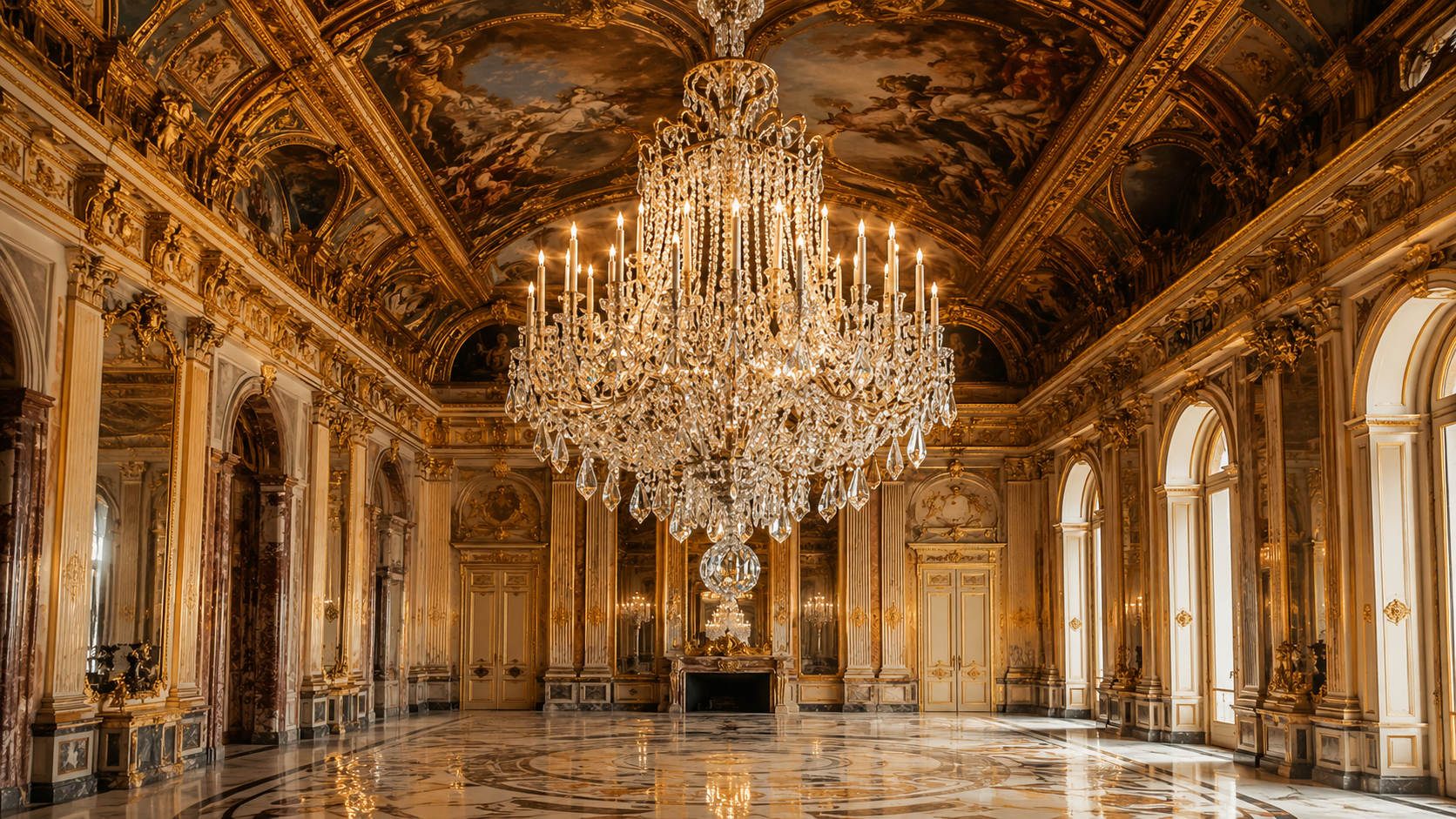
Baccarat has been synonymous with exceptional French crystal since 1764. Celebrated for its extraordinary craftsmanship, the company has created some of the world’s most spectacular crystal chandeliers, illuminating royal palaces, luxury hotels, embassies and prestigious private residences for more than two centuries. Combining traditional artisan techniques with remarkable precision, Baccarat helped elevate decorative lighting into …
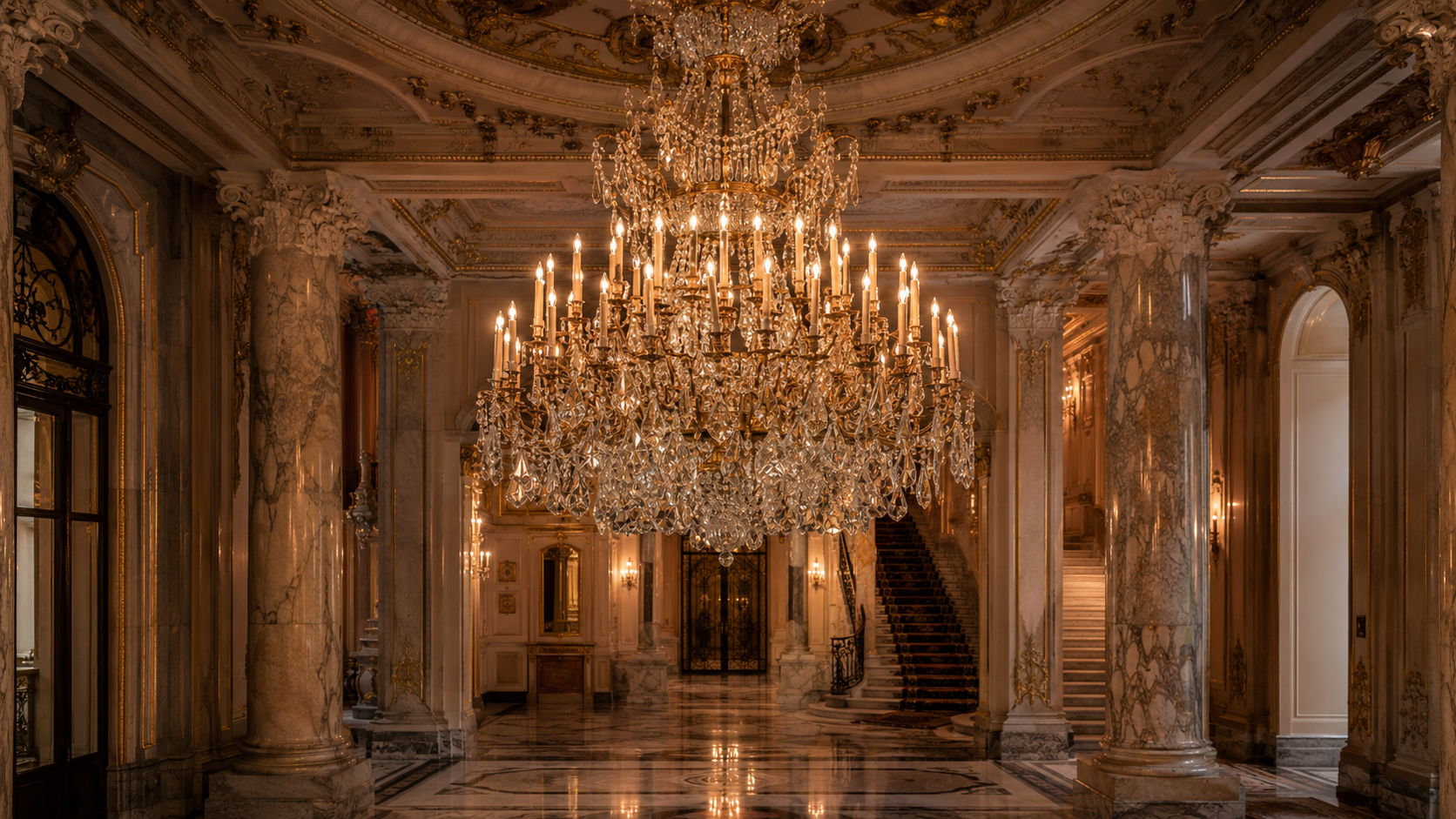
Few names are as closely associated with Victorian luxury lighting as F. & C. Osler. From magnificent crystal chandeliers in royal palaces to elaborate lighting in grand hotels, churches and public buildings, the Birmingham manufacturer became one of the most respected decorative lighting companies of the nineteenth century. Renowned for exceptional craftsmanship and engineering, F. …
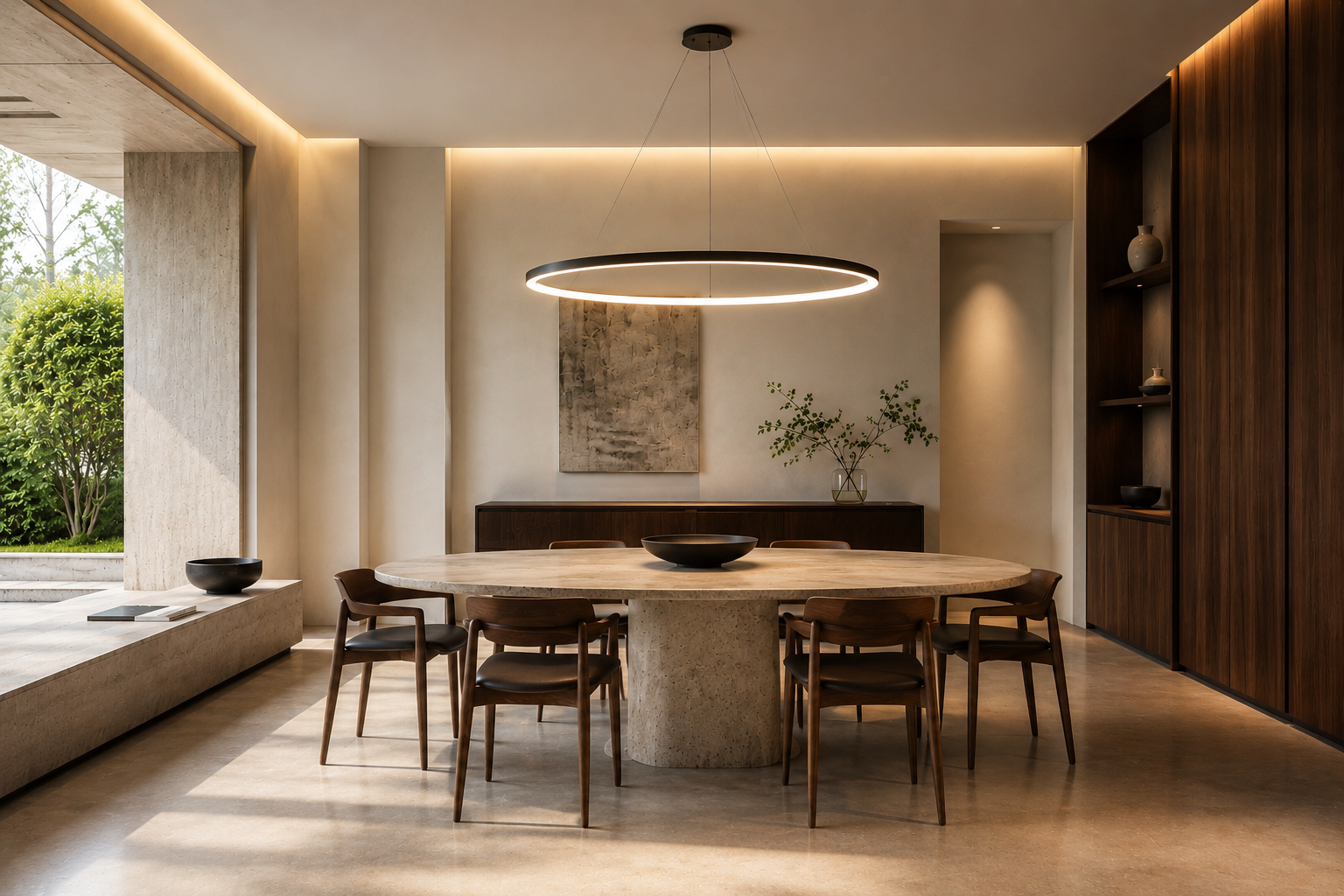
Artemide is one of the world’s most influential lighting manufacturers, celebrated for combining Italian design, technological innovation and architectural thinking. Since its founding in 1960, the company has produced some of the most recognisable luminaires ever created, collaborating with internationally acclaimed designers to develop lighting that enhances both the built environment and everyday life. Today, …
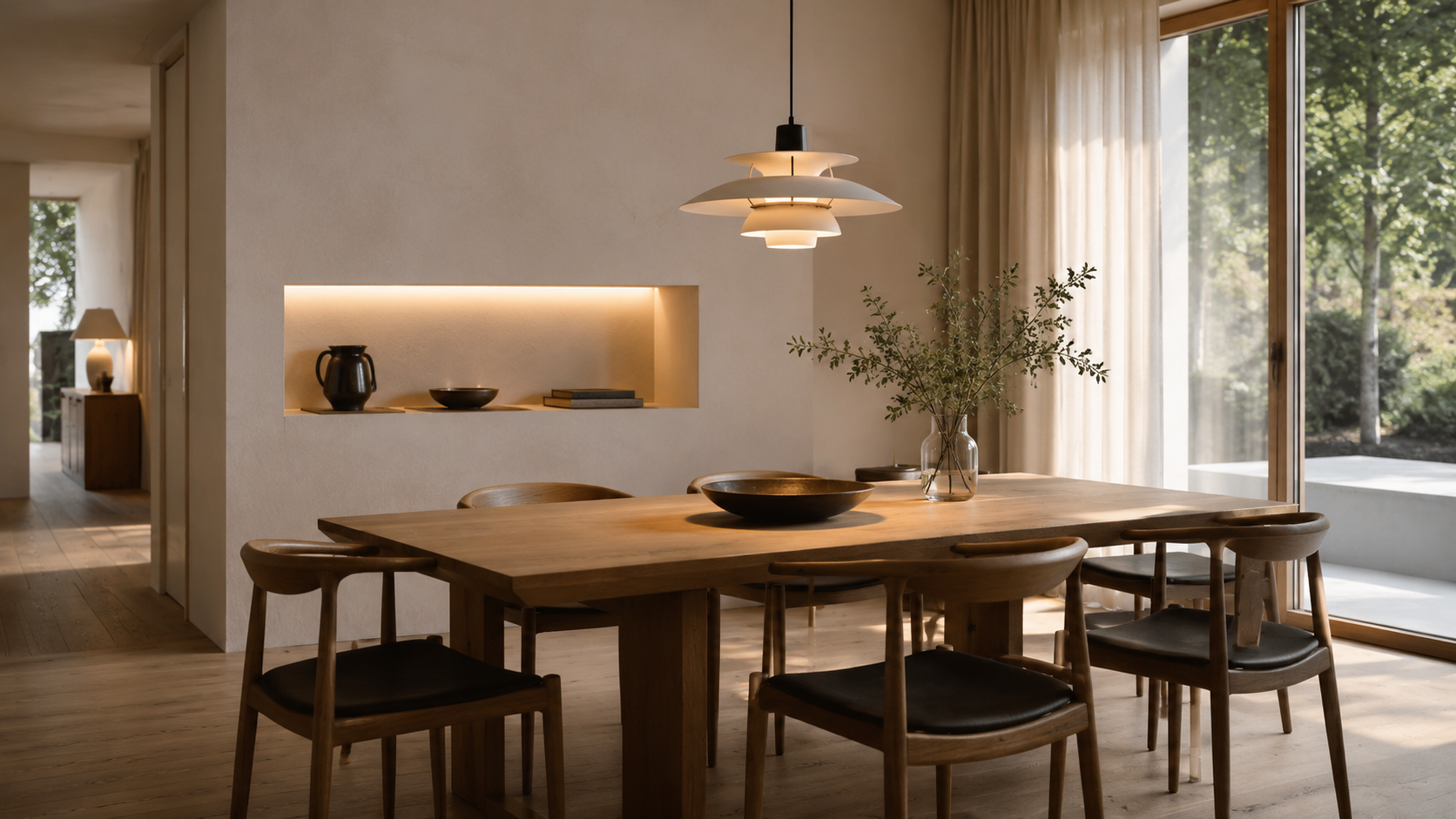
Louis Poulsen is one of the world’s most influential lighting manufacturers, recognised for pioneering Scandinavian lighting design that balances aesthetics with visual comfort. Founded in Denmark in the nineteenth century, the company has spent more than a century refining the relationship between light, architecture and the people who experience it. Today, Louis Poulsen lighting is …
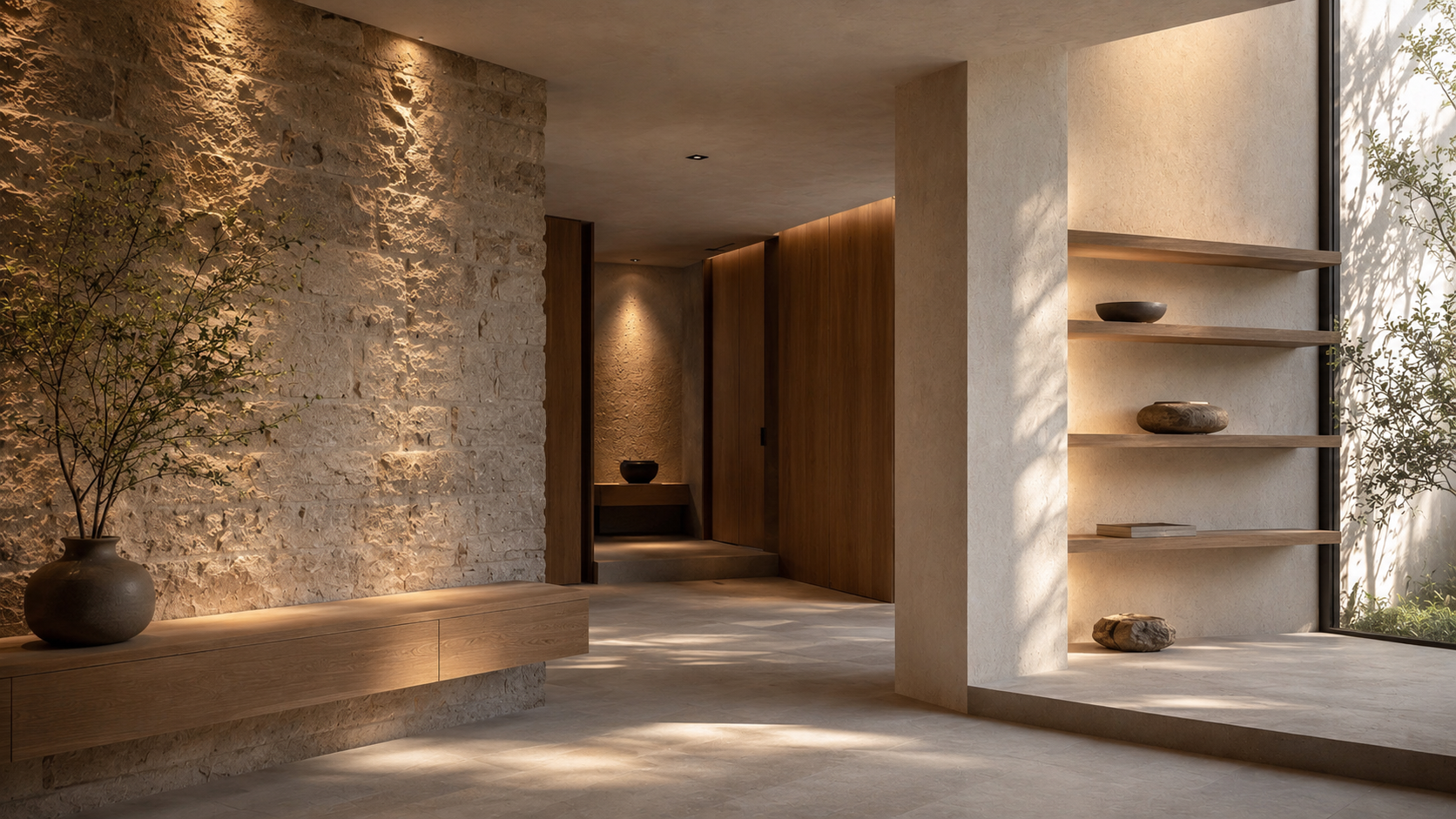
Why Well-Placed Shadows Transform Interior Design. Many people assume that good lighting means making every corner of a room as bright as possible. Professional interior designers take a different approach. Rather than eliminating every shadow, they use light and shade together to create spaces that feel balanced, comfortable and visually engaging. Carefully controlled shadows reveal …
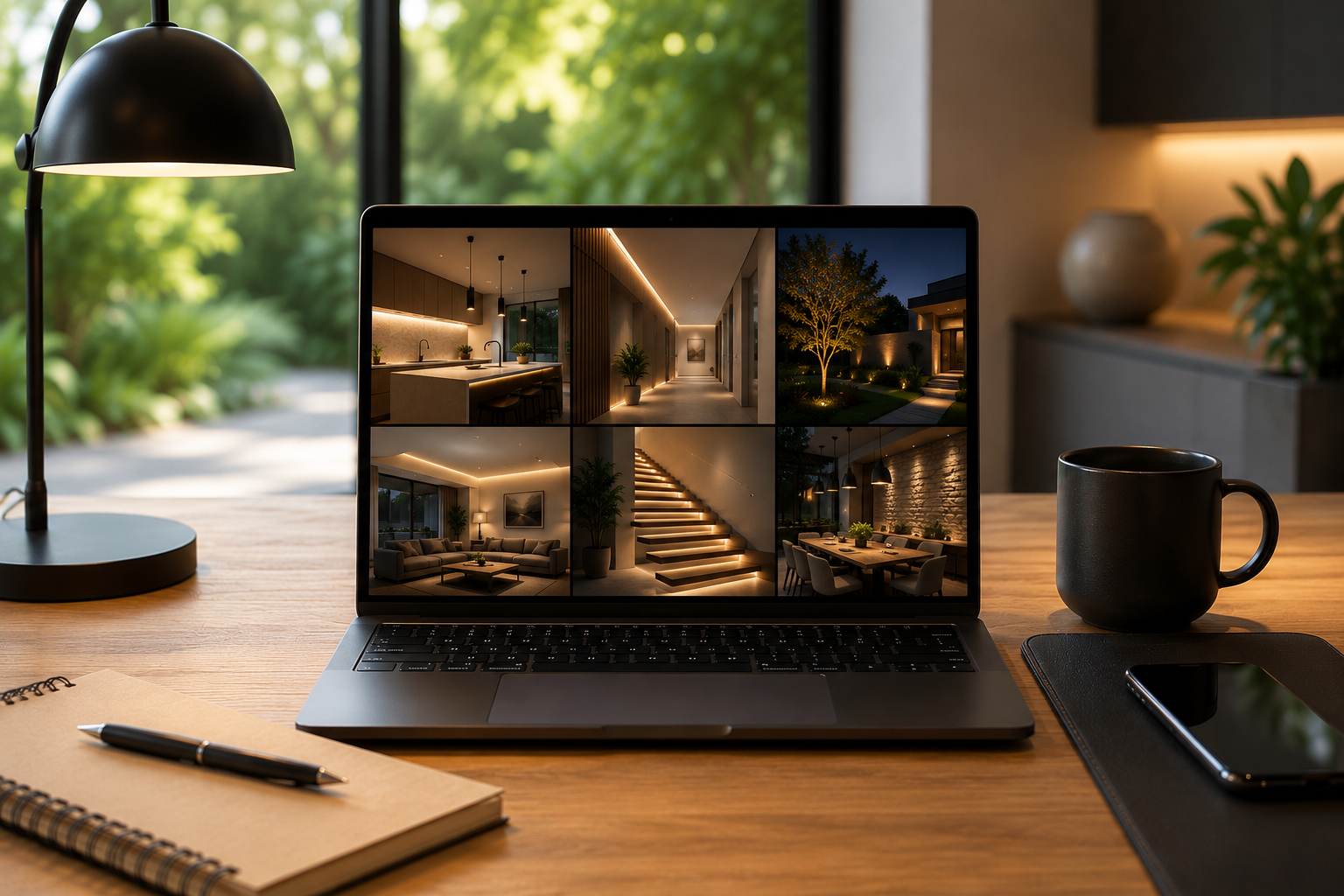
Don’t Let Your Best Lighting Projects Go Unnoticed. Every day, thousands of lighting projects are shared across social media platforms. Some receive hundreds of likes, while others disappear into busy feeds within hours. Whether you’re an electrician, lighting designer, architect, retailer, manufacturer or simply passionate about lighting, your work deserves more than a brief moment …