
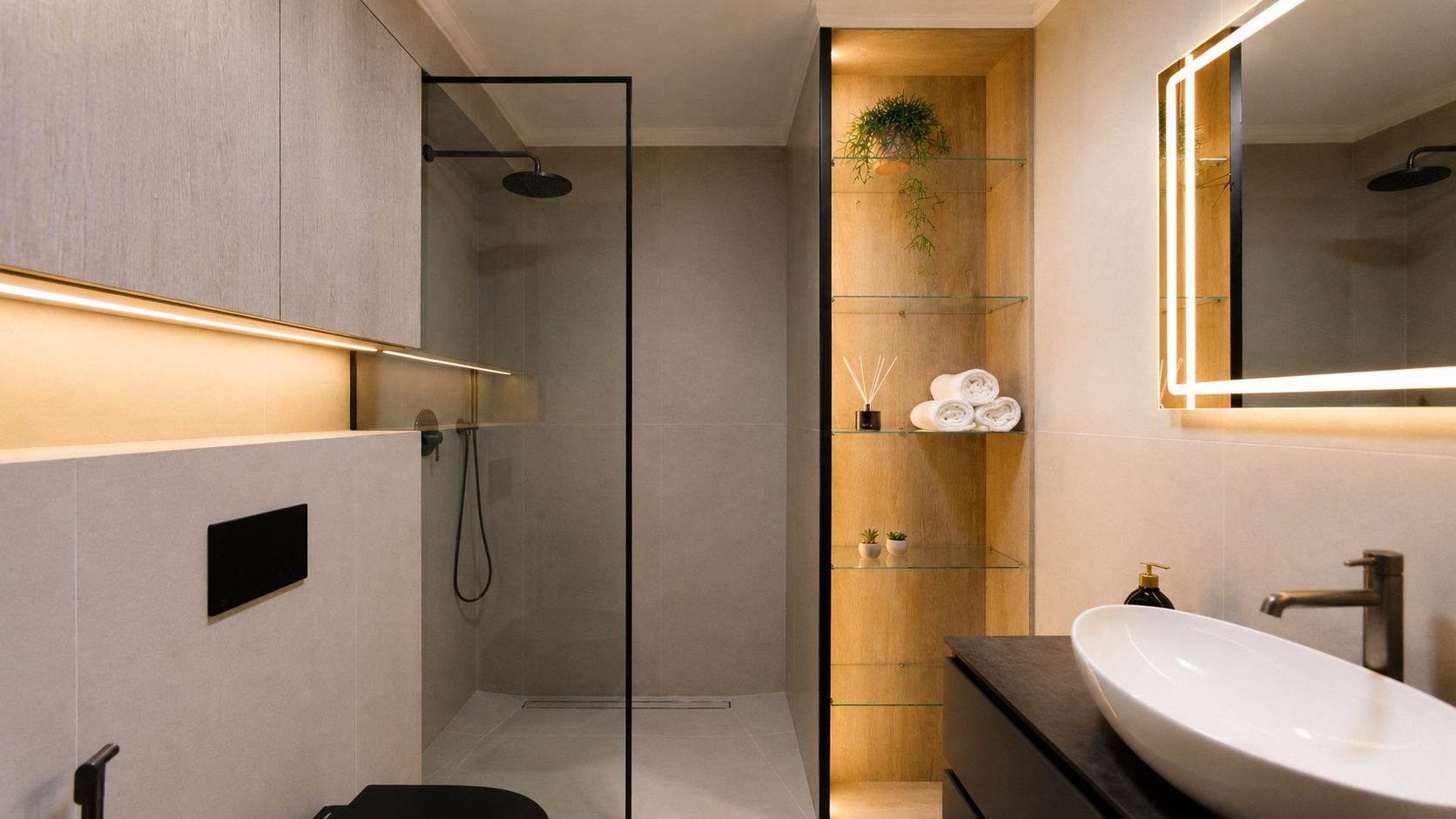
How to Use Light to Give Niches Depth and Purpose. Interior niches, recessed shelves and alcoves create natural opportunities for lighting. Rather than illuminating an entire room, light can be concentrated within these smaller architectural spaces to reveal materials, display objects and introduce depth into otherwise flat walls. The most successful niche lighting rarely needs …
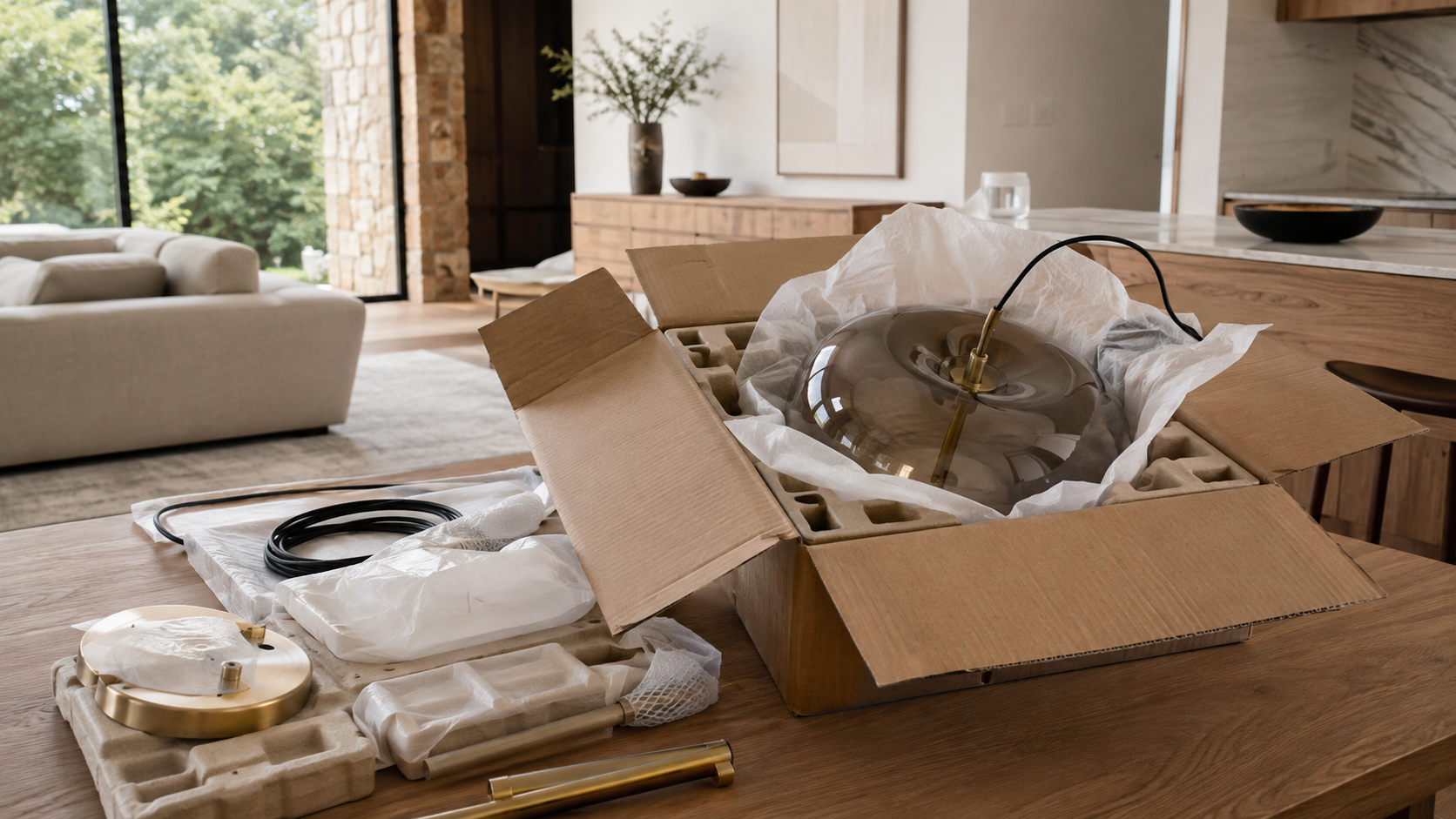
Costs, Compatibility & Product Standards Explained. Buying lighting from overseas can open up an enormous range of products. Independent designers, specialist manufacturers and international marketplaces make it possible to find fittings that may not be readily available from UK retailers, sometimes at very competitive prices. But a light fitting is not automatically suitable for a …
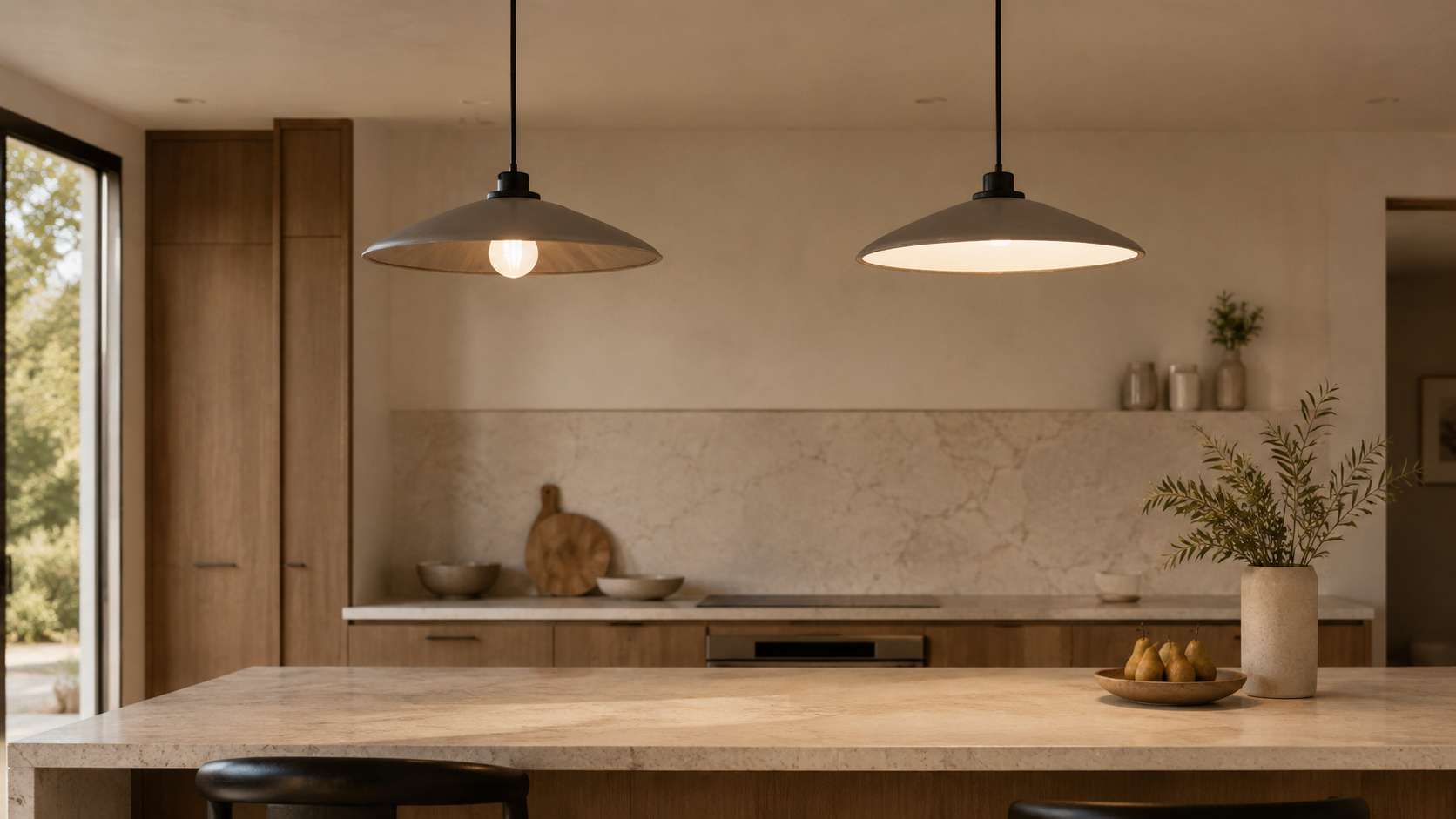
The Real Cost of Buying Lighting. Lighting can vary enormously in price. Two pendant lights may look remarkably similar online while one costs a fraction of the other, and LED downlights, wall lights and smart bulbs can all be found across a very wide price range. Price alone does not tell you whether a light …
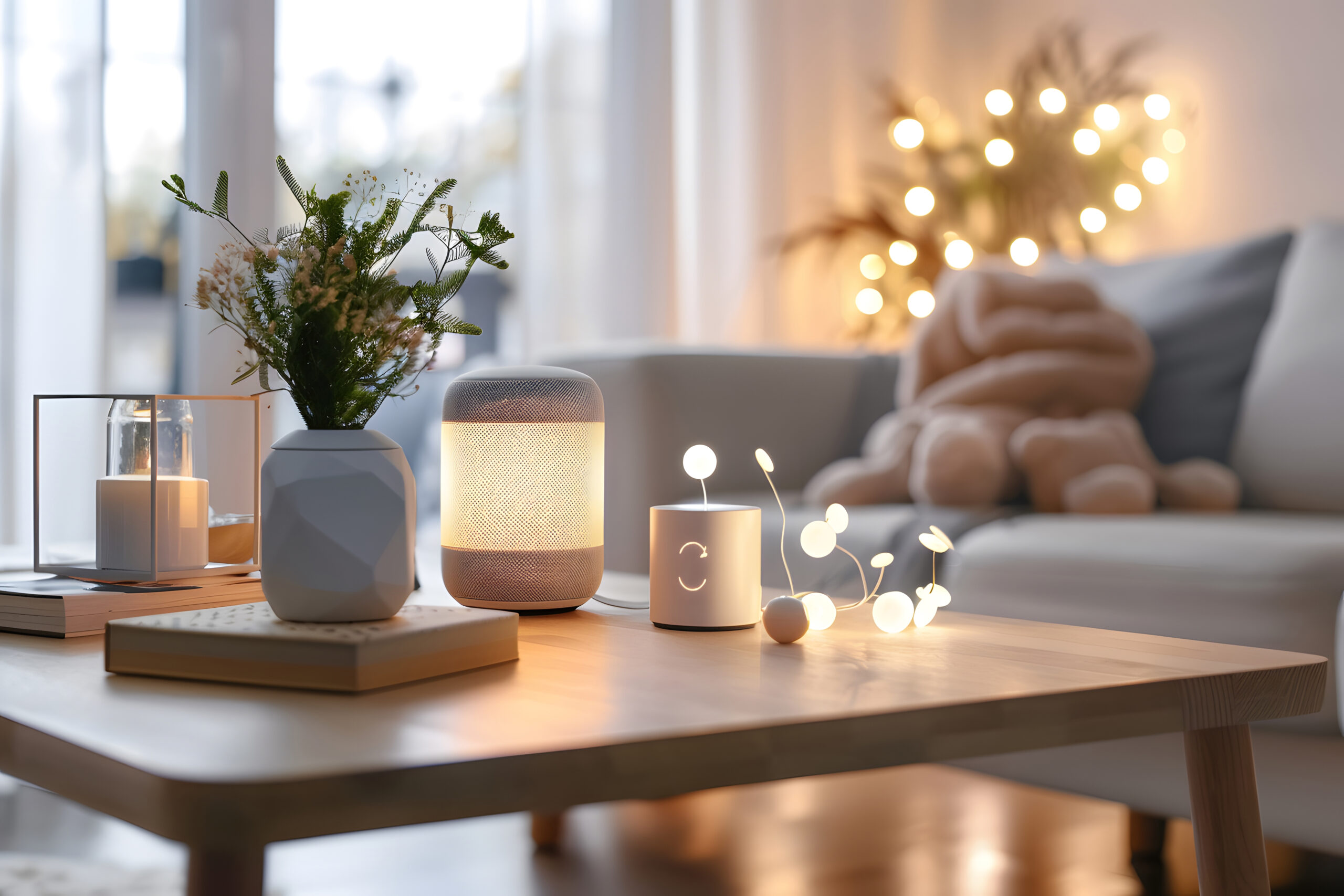
A Simpler Standard for Smart Lighting. Smart lighting has developed rapidly, but choosing compatible products has not always been straightforward. Bulbs, switches, sensors and lighting controls may use different wireless technologies, require different hubs or work with only certain smart home platforms. Matter was created to reduce some of that complexity. Rather than being another …
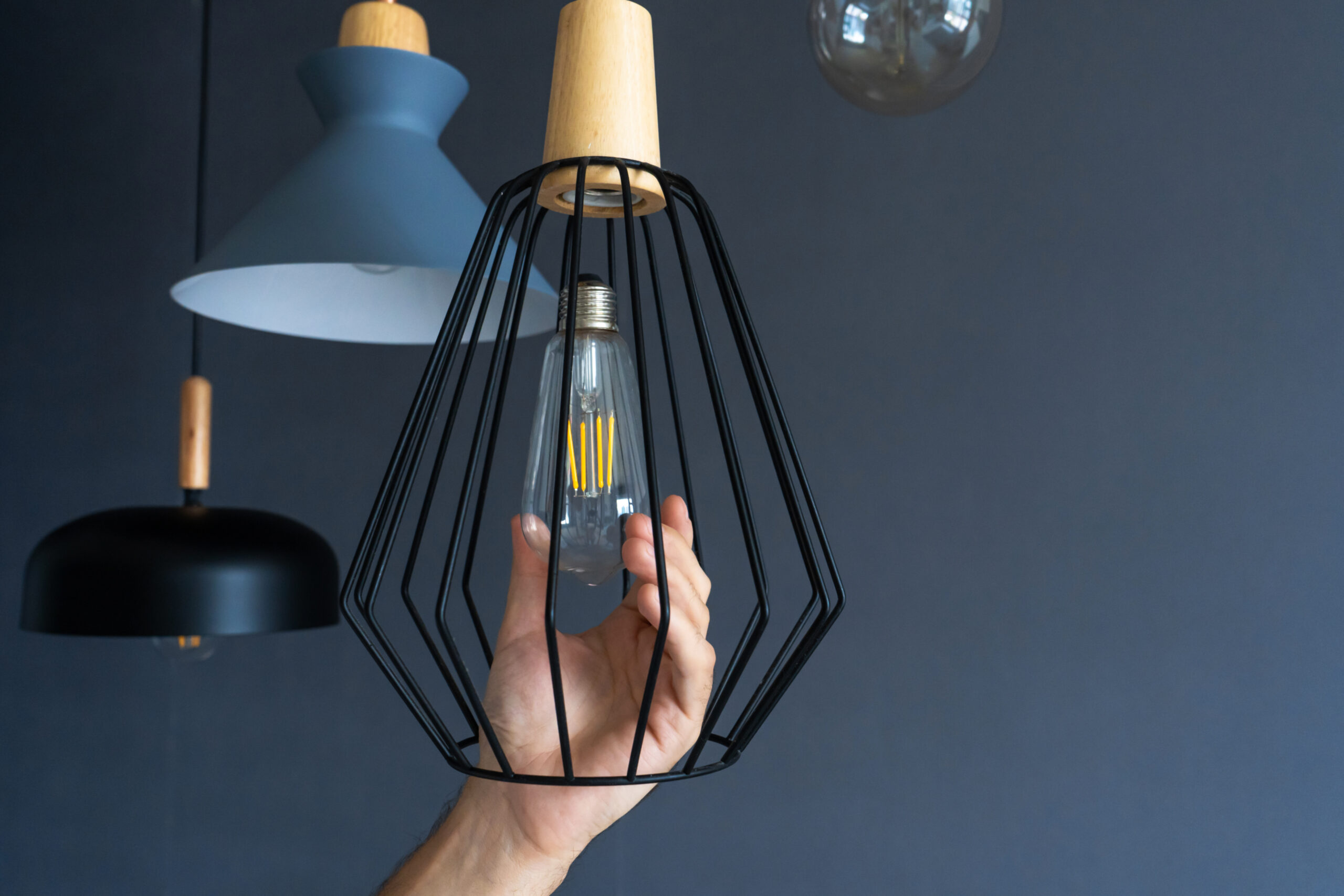
Product Standards, Sellers & Compliance Explained. Buying lighting online has never offered more choice. A single search can reveal everything from inexpensive decorative lamps and architectural downlights to smart lighting, outdoor fittings and handmade luminaires from manufacturers around the world. That choice is useful, but lighting is different from many other products bought online. A …
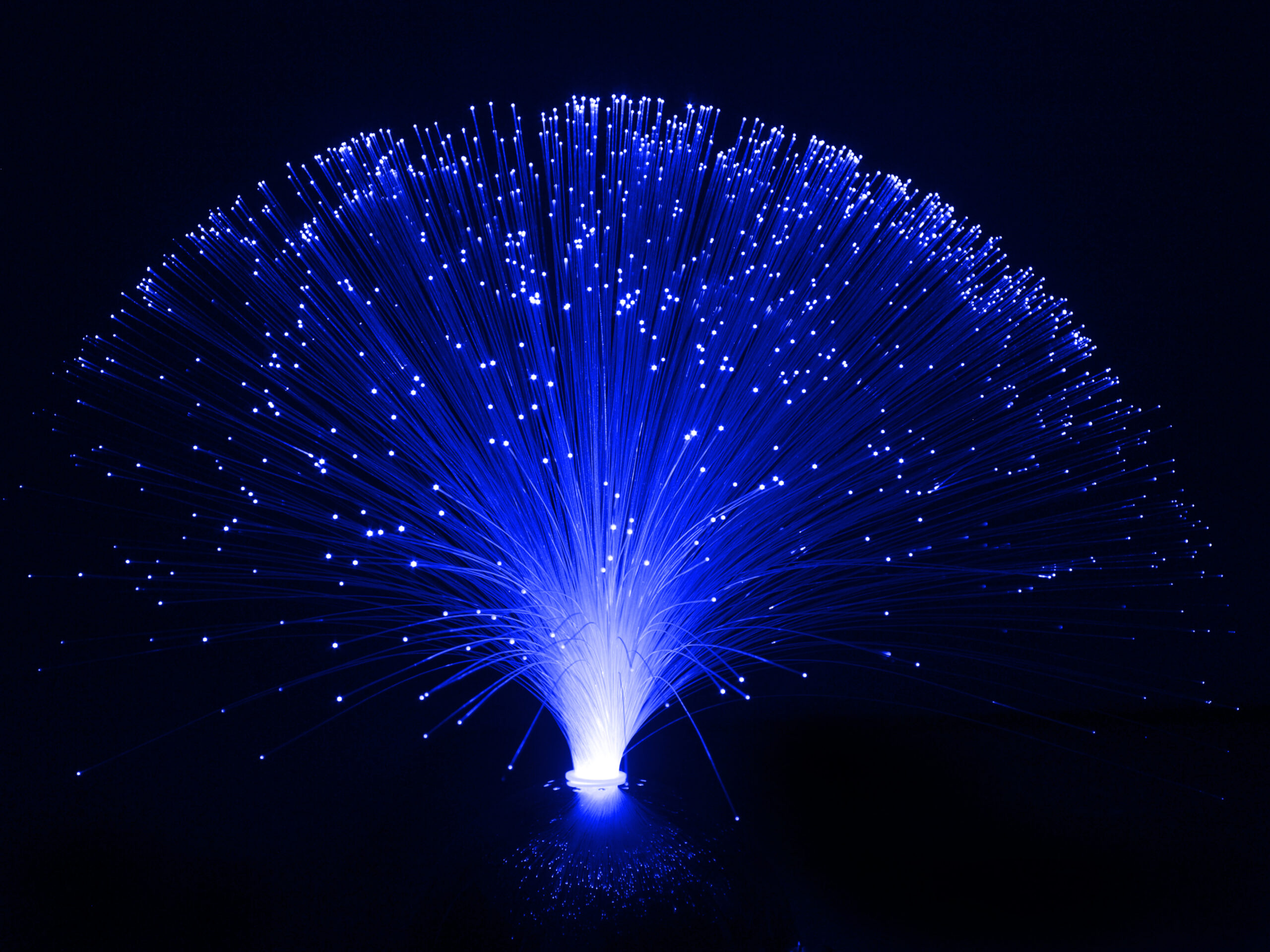
What Is Fibre Optic Lighting? Fibre optic lighting uses fine strands of transparent glass or plastic to carry light from a separate illuminator to visible points or glowing lines. Because the electrical light source is positioned away from the effect, the technology can create precise illumination with very little visible hardware. Although optical fibre is …
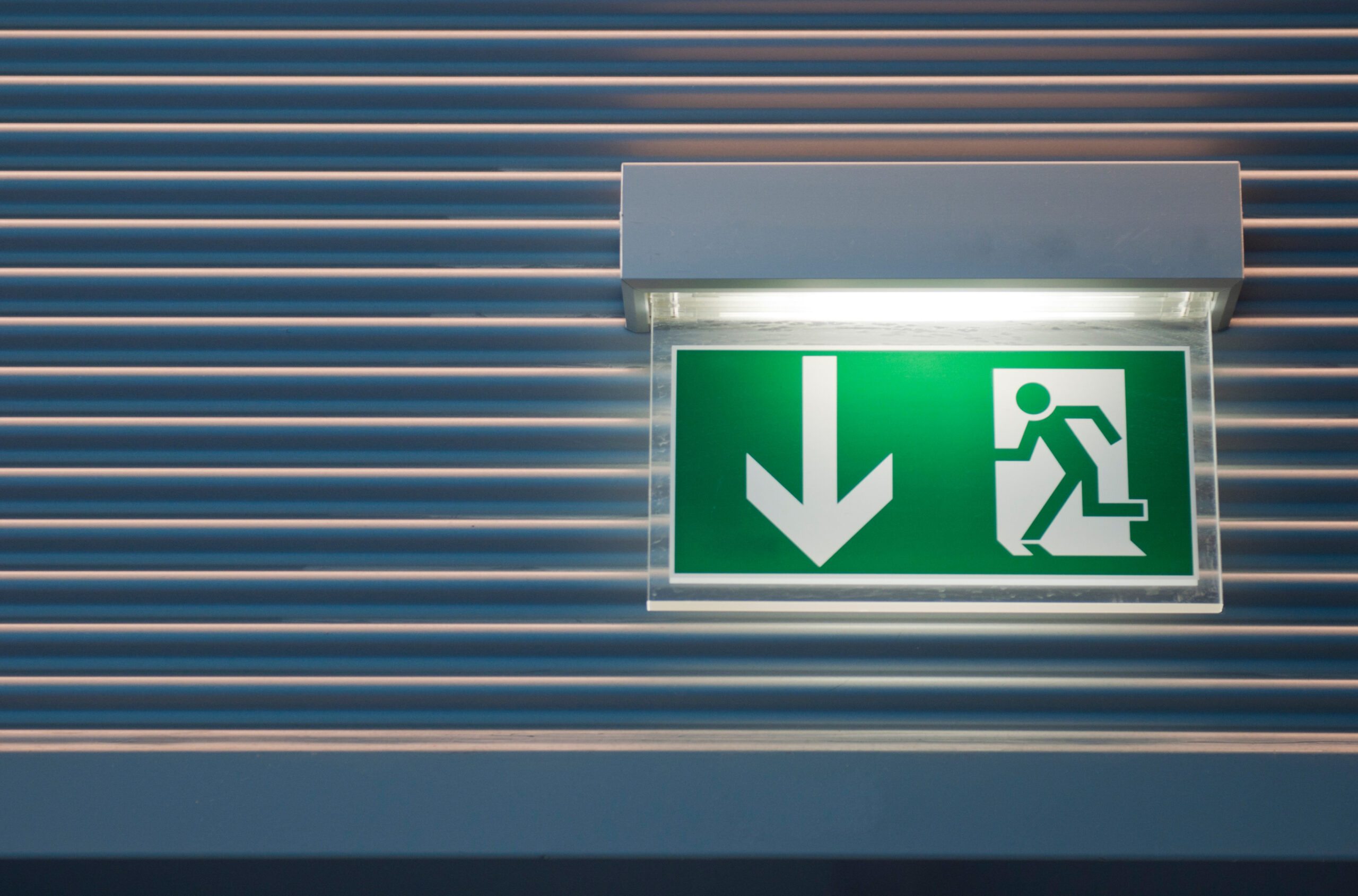
Emergency lighting is a specialised lighting system designed to operate automatically when the normal electrical supply fails. Rather than providing everyday illumination, its purpose is to help occupants identify escape routes, locate exits and move through a building safely during a power failure or other emergency. Emergency lighting is commonly installed in offices, warehouses, schools, …
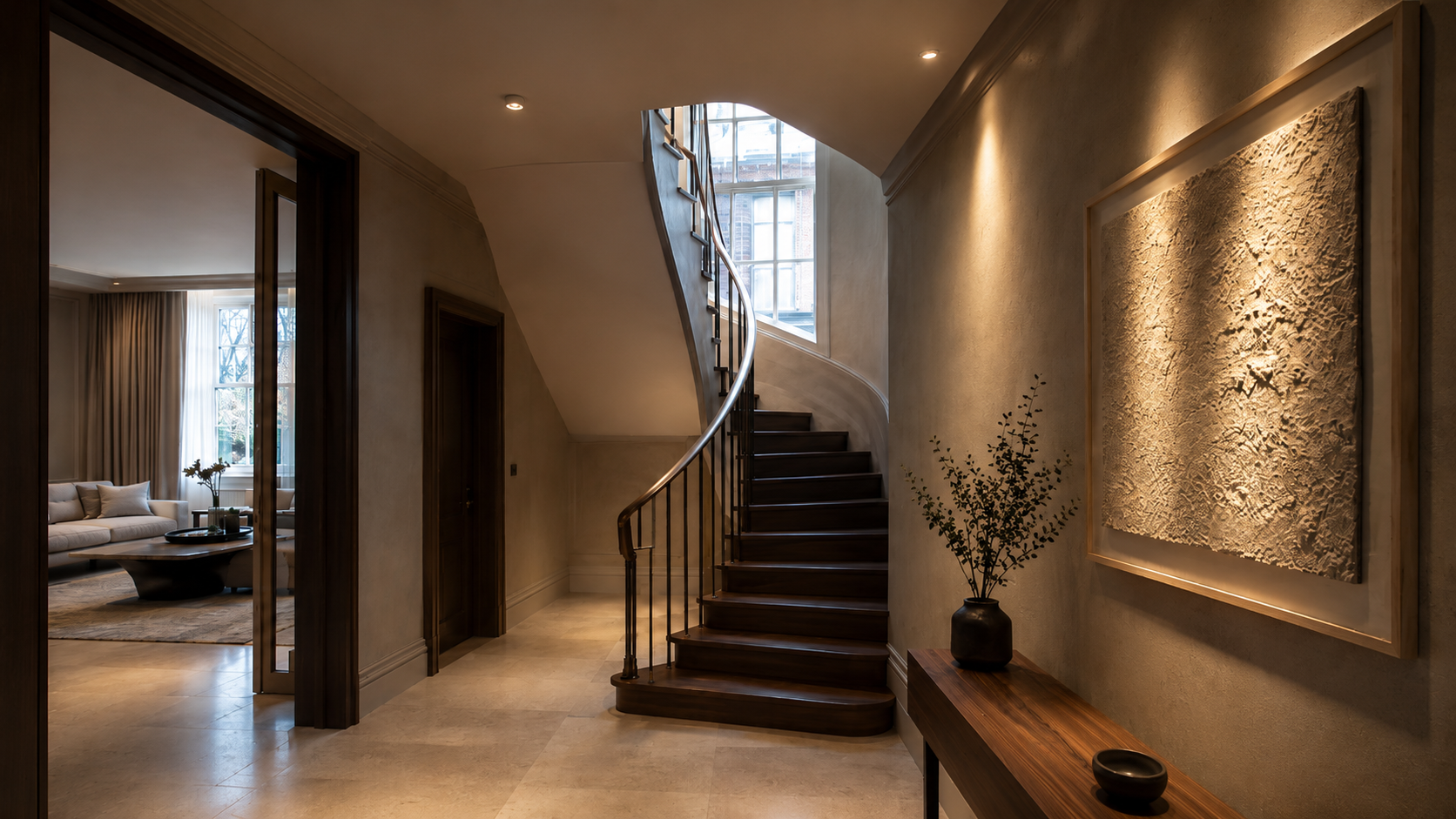
Choosing downlights involves more than comparing size, wattage or finish. Beam angle, output, glare control, colour quality and position all influence whether a fitting supports the room or simply creates bright circles across the floor. Many unsuccessful layouts begin with an evenly spaced ceiling grid. This may provide enough measured brightness, but it can leave …

Lighting shapes interior space by influencing how we perceive width, height, depth and proportion. Rather than simply making an interior brighter, thoughtfully planned lighting changes the way architecture is experienced. By controlling brightness, contrast and shadow, lighting designers can make spaces feel larger, taller and more inviting without altering the physical structure. Whether in a …