
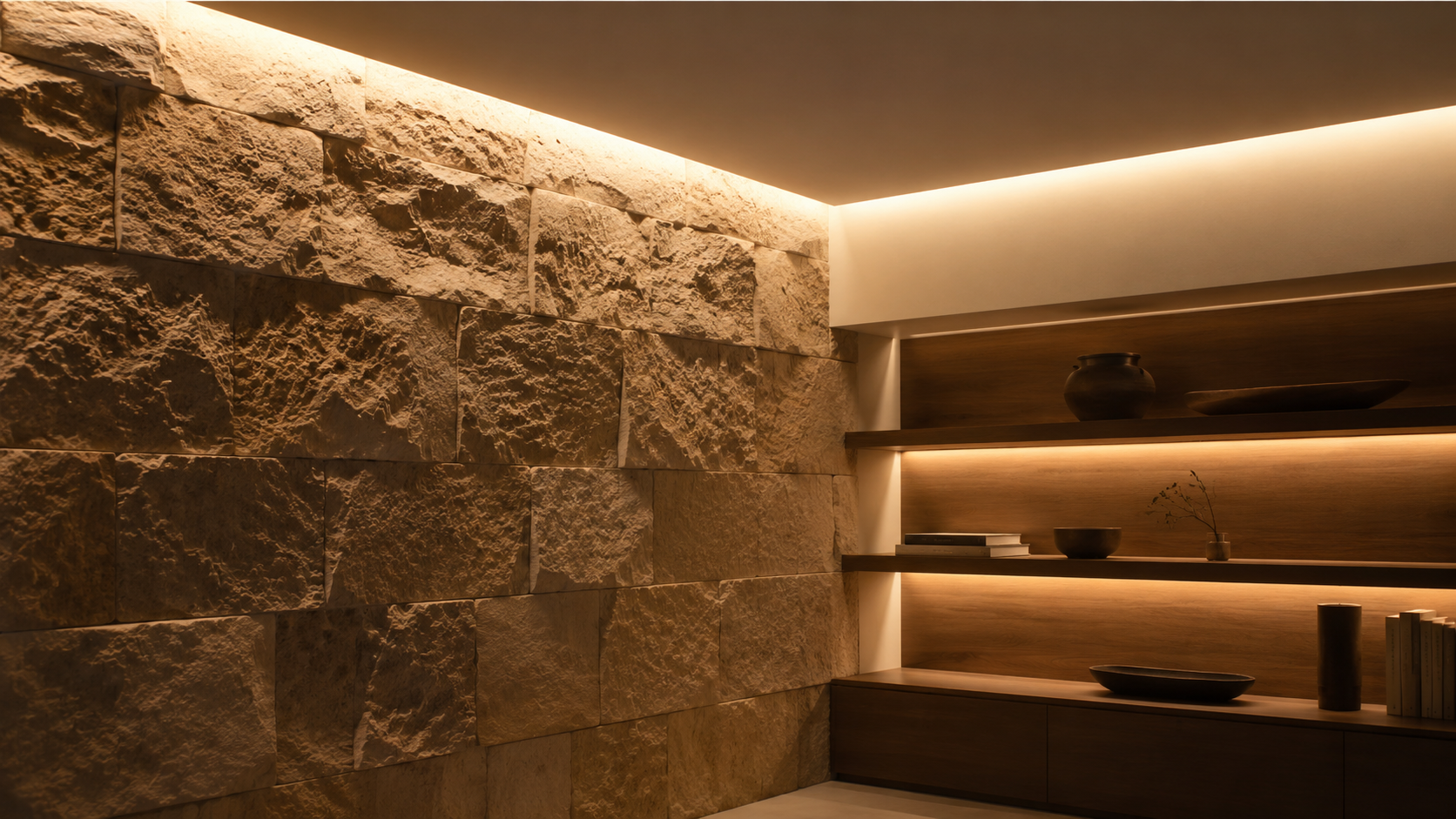
The Role of Shadows in Lighting Design. Many people think good lighting should remove every shadow from a room. In reality, the opposite is true. Professional lighting designers use carefully controlled shadows to add depth, reveal texture and create comfortable, visually interesting interiors. A room with no shadows often feels flat, while a room with …
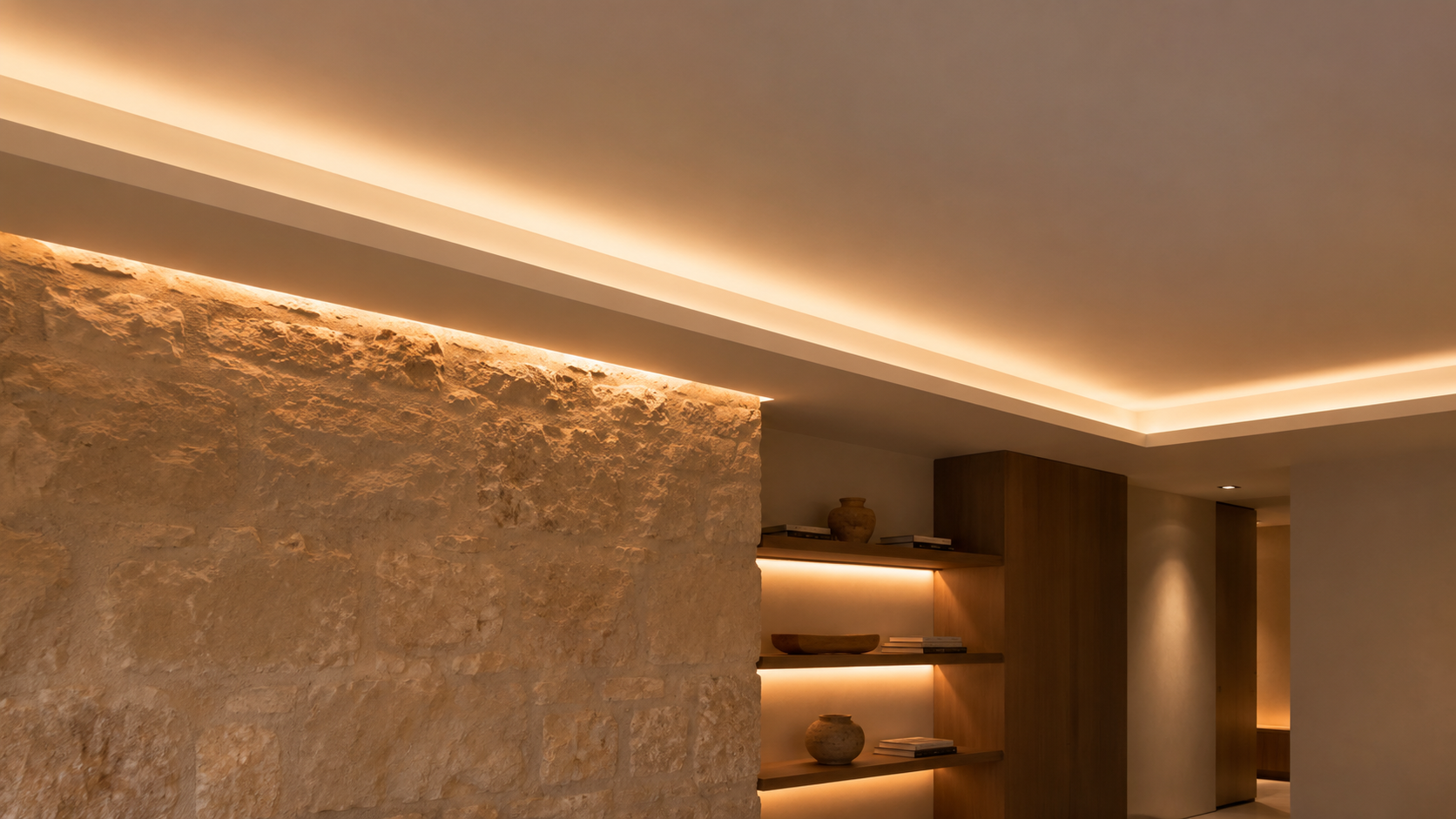
Why Indirect Lighting Matters. Indirect lighting is one of the most effective ways to create comfortable, visually balanced interiors. Instead of shining light directly into a room, indirect lighting reflects illumination from ceilings, walls or other surfaces, producing a softer and more even distribution of light. This approach reduces harsh shadows, minimises glare and helps …
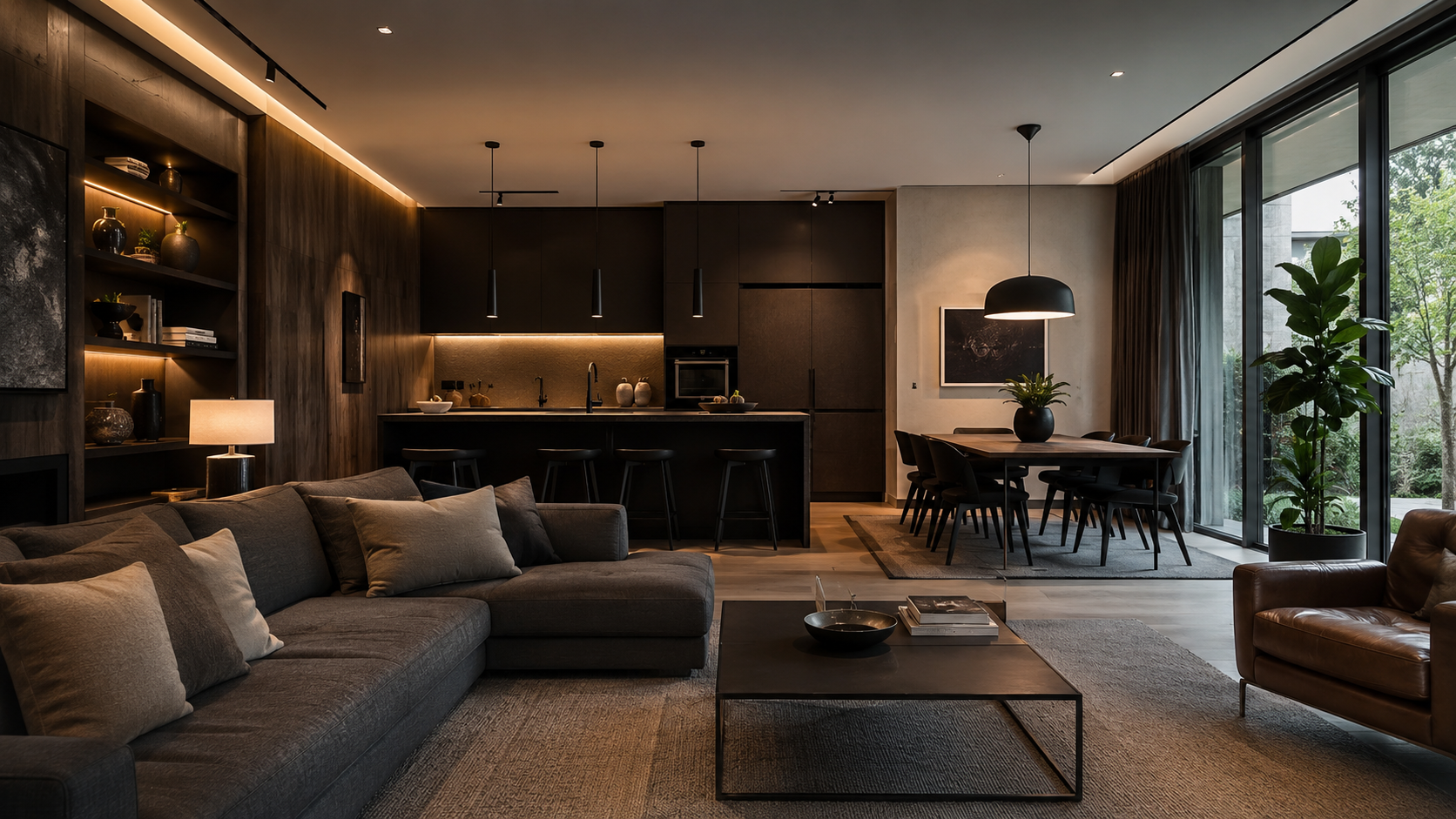
Why Home Lighting Matters. Lighting is one of the most important elements of interior design. The right lighting improves comfort, supports everyday activities, enhances architectural features and helps create the atmosphere you want in every room. Whether you are designing a new home, renovating a single room or simply replacing light fittings, understanding how different …
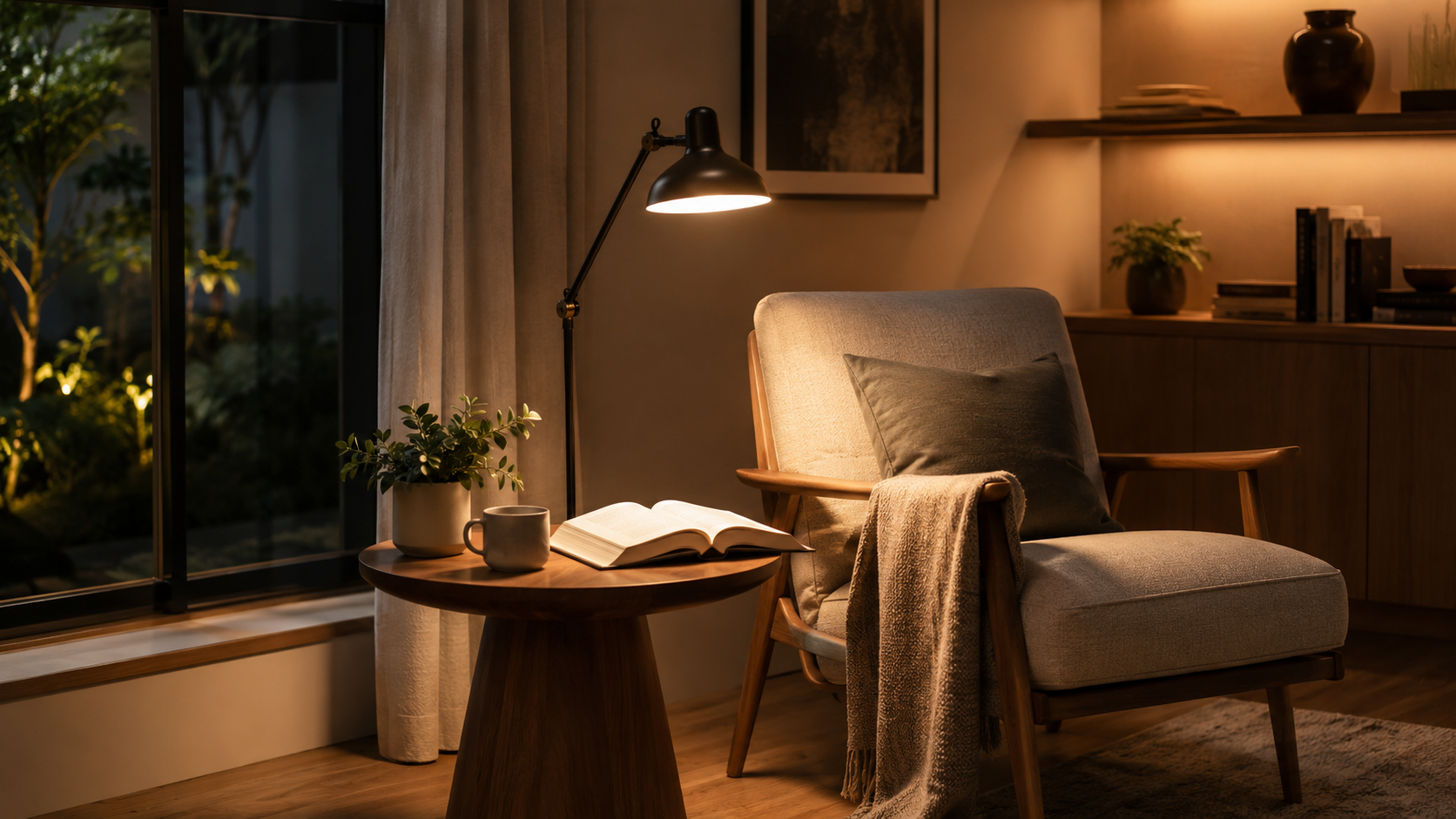
What Are Lumens? When shopping for lighting, many people assume that a higher lumen rating automatically means better lighting. While lumens are important, they only measure the total amount of visible light produced by a light source. They do not measure lighting quality, visual comfort or how effectively light is distributed within a space. Understanding …
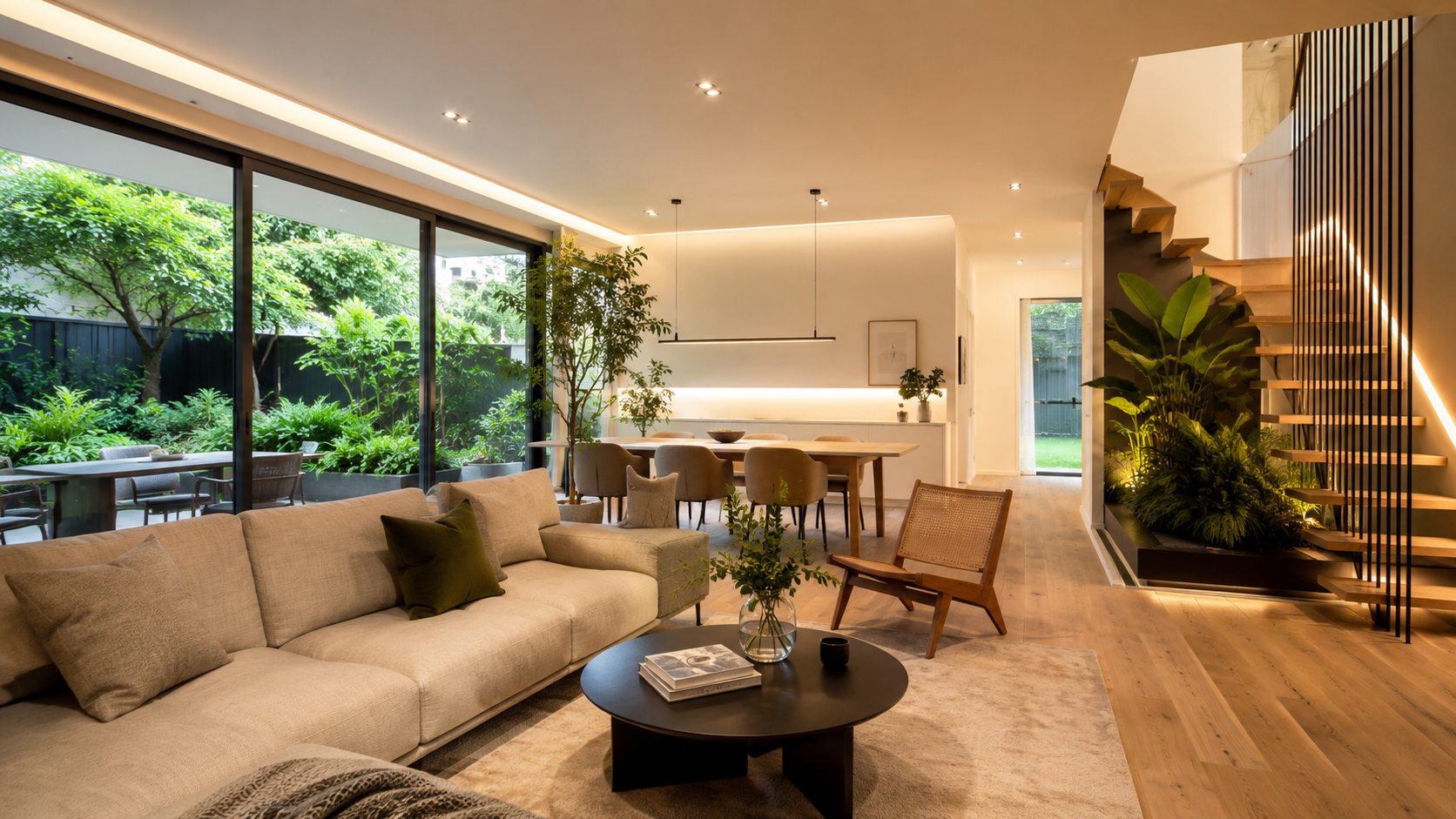
What Is Human-Centric Lighting? Human-centric lighting is an approach to lighting design that considers how light affects people as well as how it illuminates a space. Beyond providing visibility, lighting can influence comfort, mood, concentration, wellbeing and the overall experience of an environment. By carefully balancing light levels, colour temperature, daylight and visual comfort, human-centric …
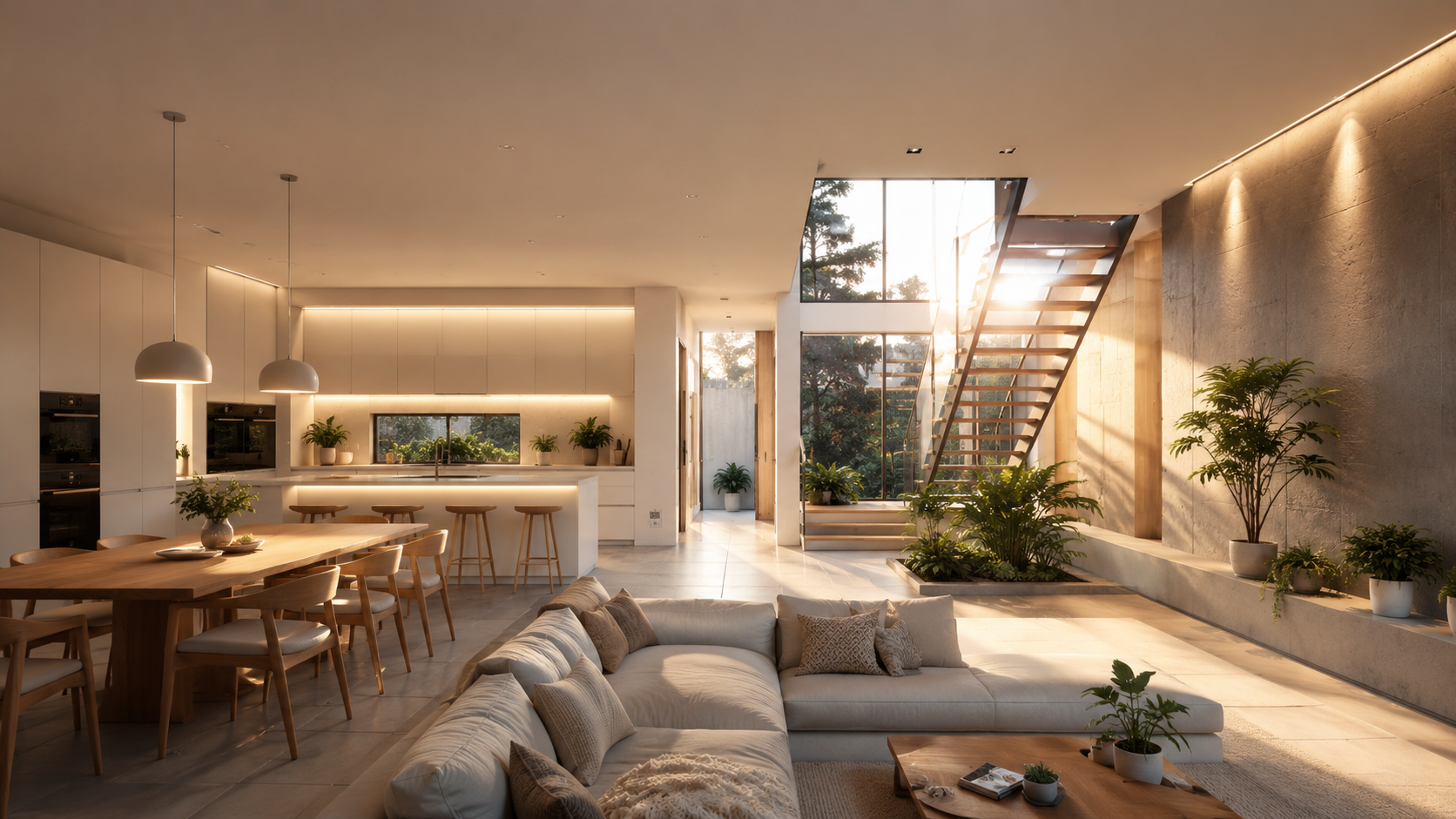
Understanding Sustainable Lighting. Sustainable lighting focuses on reducing energy consumption while maintaining the quality, comfort and functionality that people expect from modern lighting. Whether used in homes, workplaces, public buildings or outdoor spaces, sustainable lighting aims to deliver effective illumination with a lower environmental impact. Advances in lighting technology, controls and design practices have made …
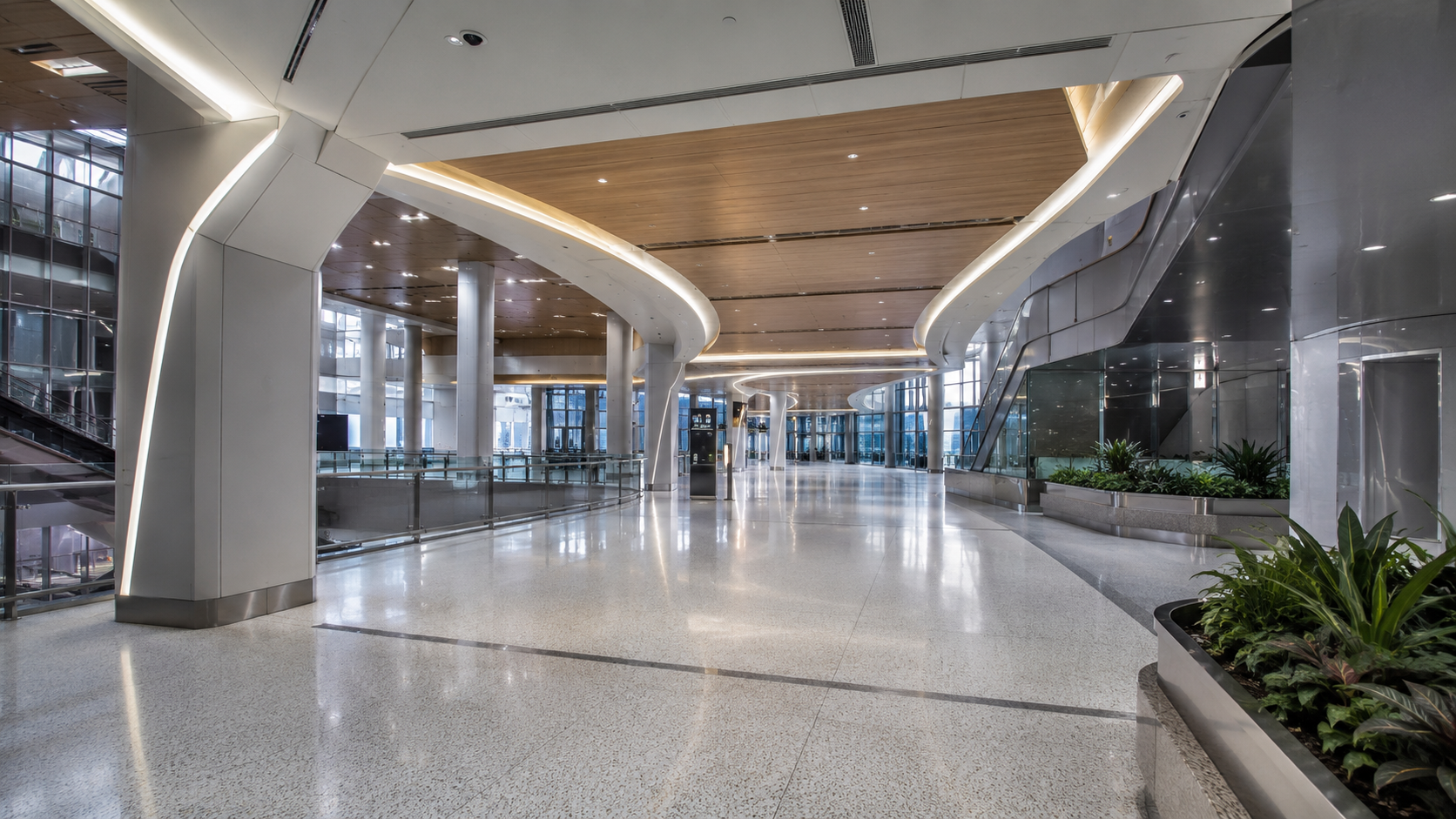
Why Transport Lighting Matters. Transport lighting plays a vital role in keeping passengers safe, supporting efficient operations and improving the overall travel experience. From railway stations and airports to bus terminals, ferry ports and public transport networks, effective lighting helps people navigate spaces confidently while enhancing comfort and security. Well-designed transport lighting balances visibility, safety, …
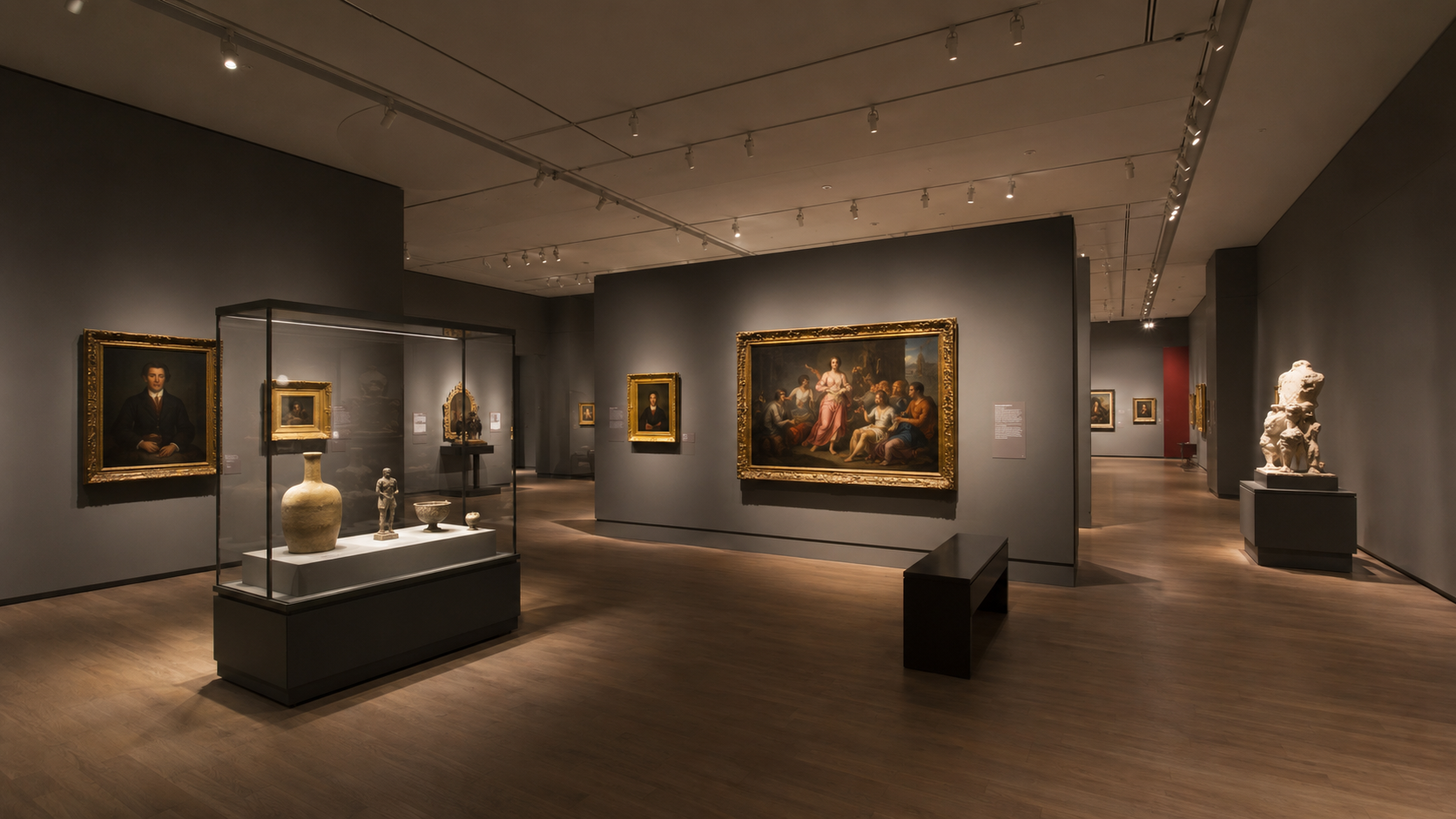
Why Museum Lighting Matters. Museum lighting plays a unique role in balancing two important objectives. It must help visitors engage with exhibits, artwork and historical objects while also protecting sensitive collections from unnecessary light exposure. Effective museum lighting combines conservation, visual comfort and presentation to create environments that support both preservation and visitor experience. Whether …
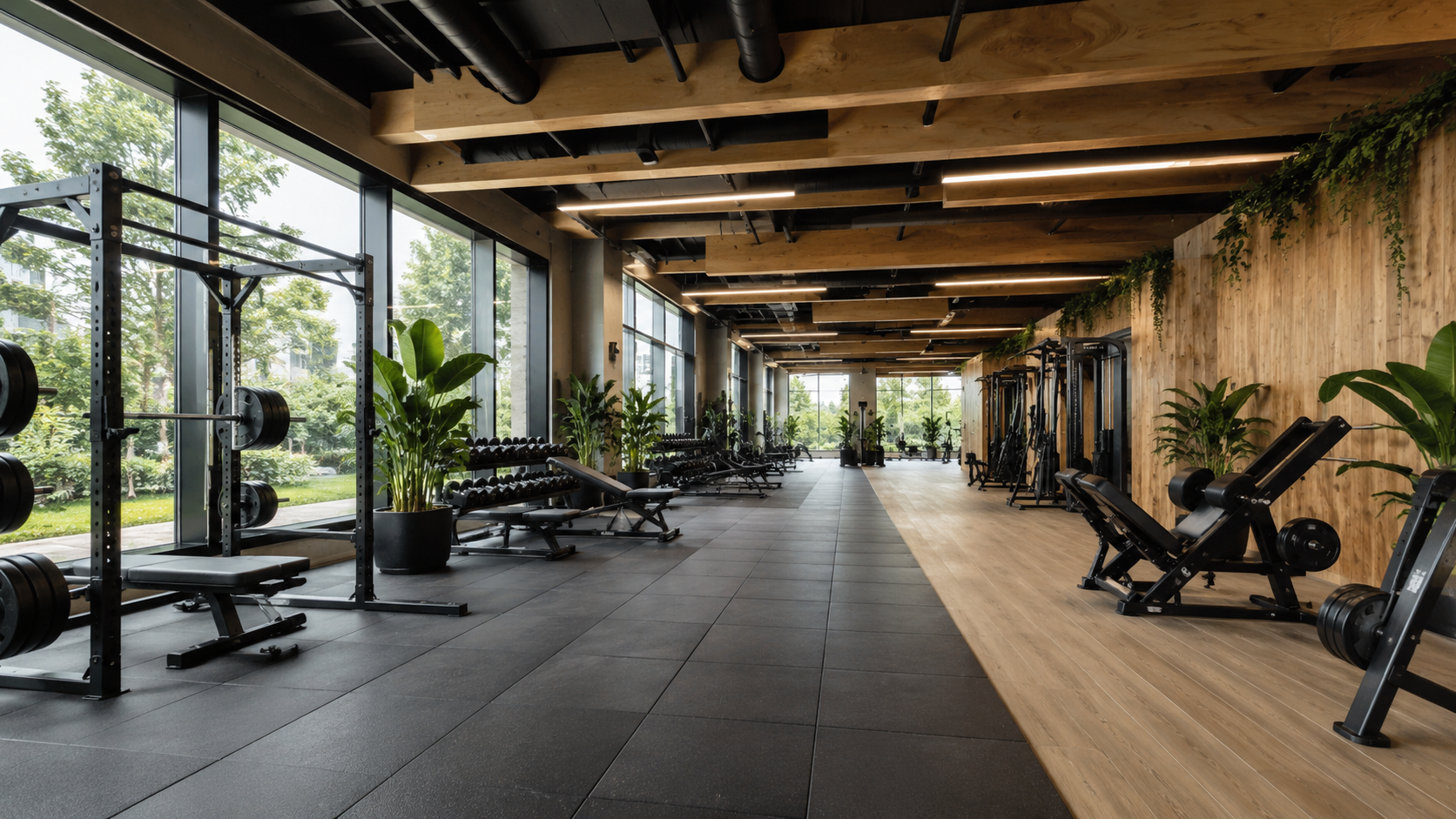
Why Gym and Fitness Lighting Matters. Lighting plays an important role in the overall gym and fitness experience. Beyond simply illuminating a space, lighting can influence motivation, concentration, comfort and atmosphere. Whether in a commercial gym, fitness studio, leisure centre or health club, effective lighting helps create environments that support both performance and wellbeing. Modern …