
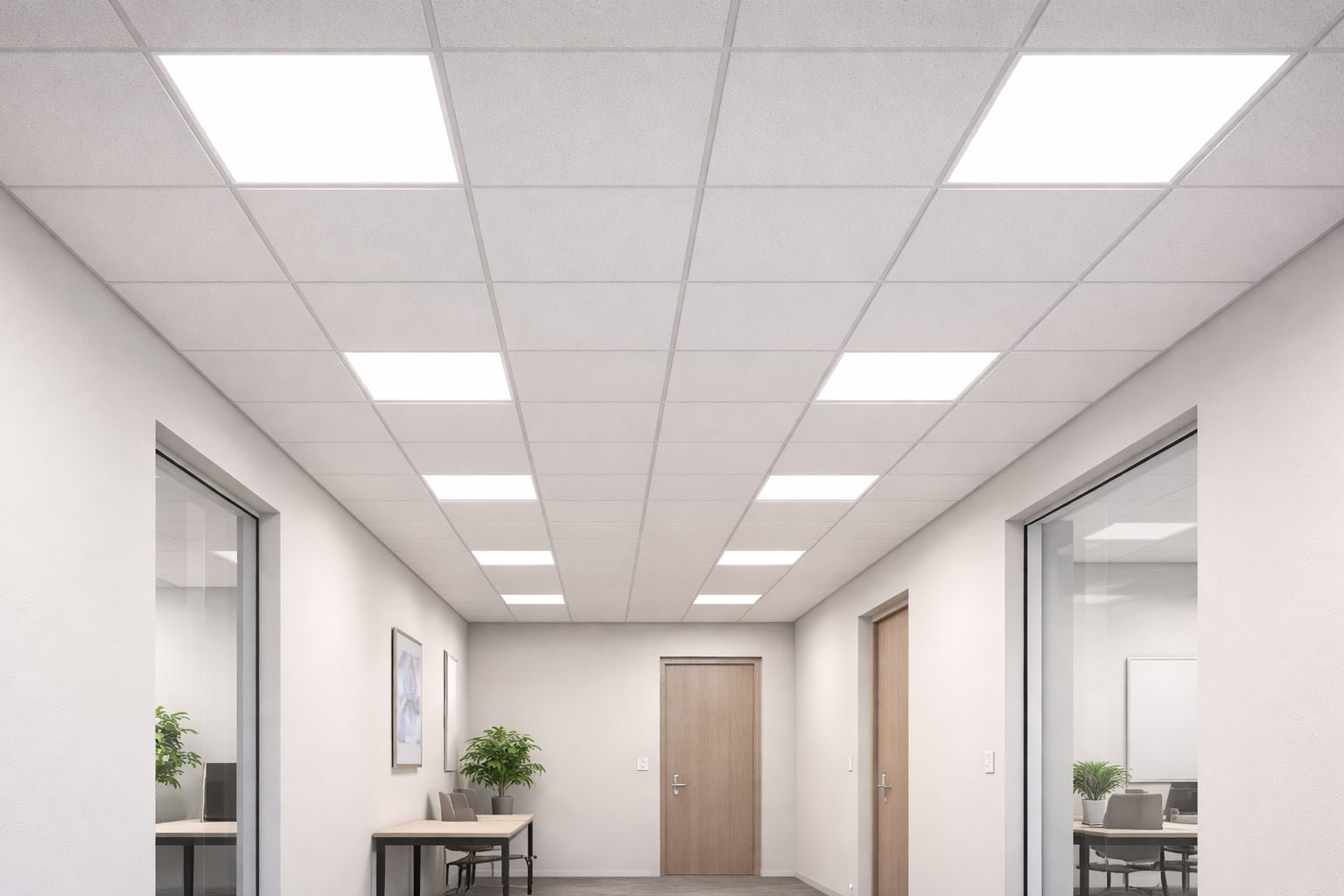
Why Panel and Grid Lighting Are Widely Used Panel and grid lighting systems are designed to deliver wide, uniform illumination across functional interior spaces. These fixtures are commonly installed within suspended ceilings and provide consistent brightness with minimal glare. Because the light source spreads evenly across a large surface area, panel lighting helps reduce harsh …
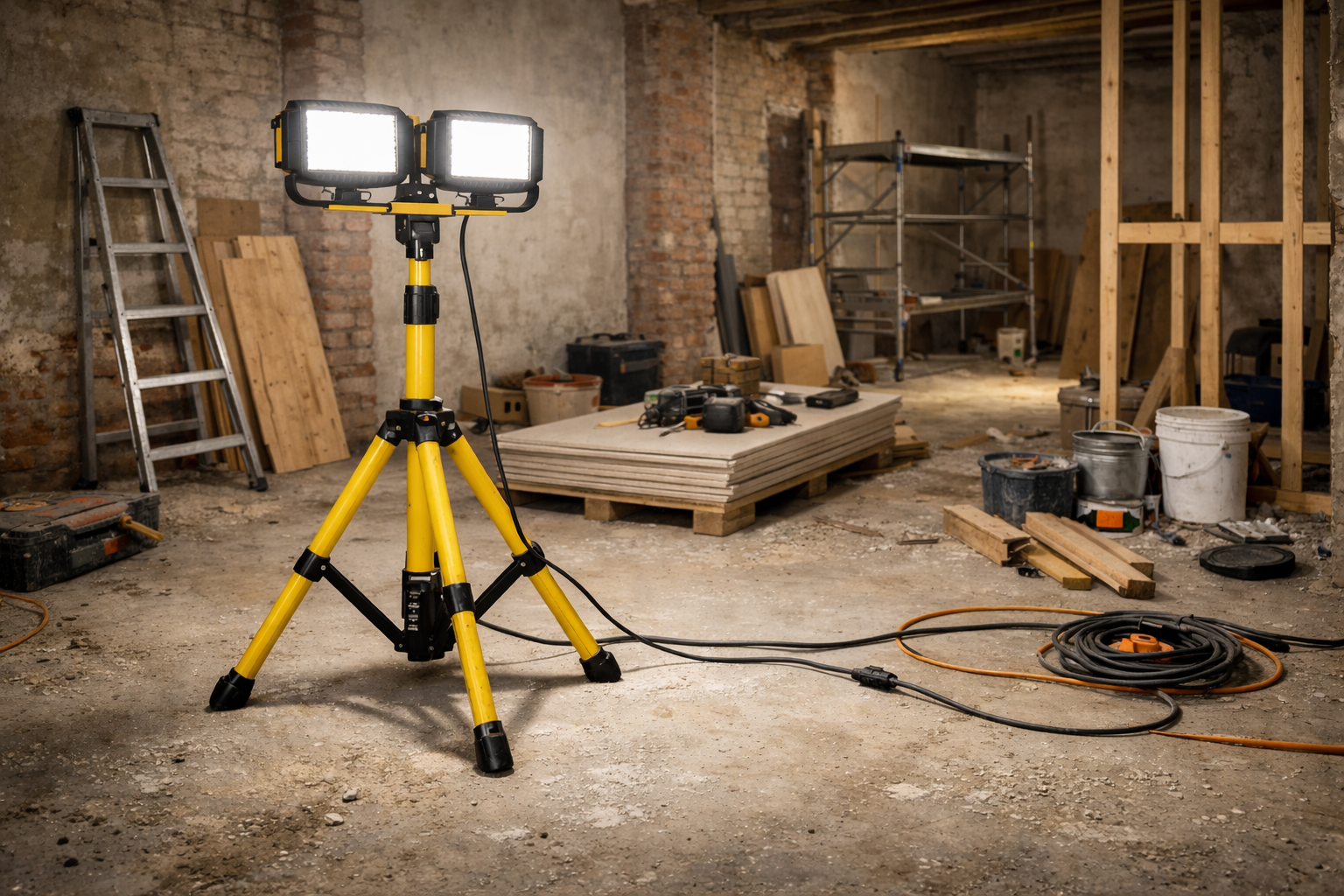
Why Work and Site Lighting Demands Precision Work and site environments require lighting that prioritises safety, clarity, and reliability. Unlike decorative or residential applications, these spaces demand high visibility, robust construction, and controlled output to support productivity and reduce risk. Whether illuminating construction zones, workshops, outdoor sites, or temporary work areas, lighting must perform consistently …

Why Ceiling Height Changes Everything Lighting performance in commercial spaces is fundamentally influenced by mounting height. In industrial, retail, and large open environments, specifying high bay or low bay lighting is not a stylistic decision — it is a technical one. Beam angle, lumen output, glare control, and fixture design must all respond directly to …
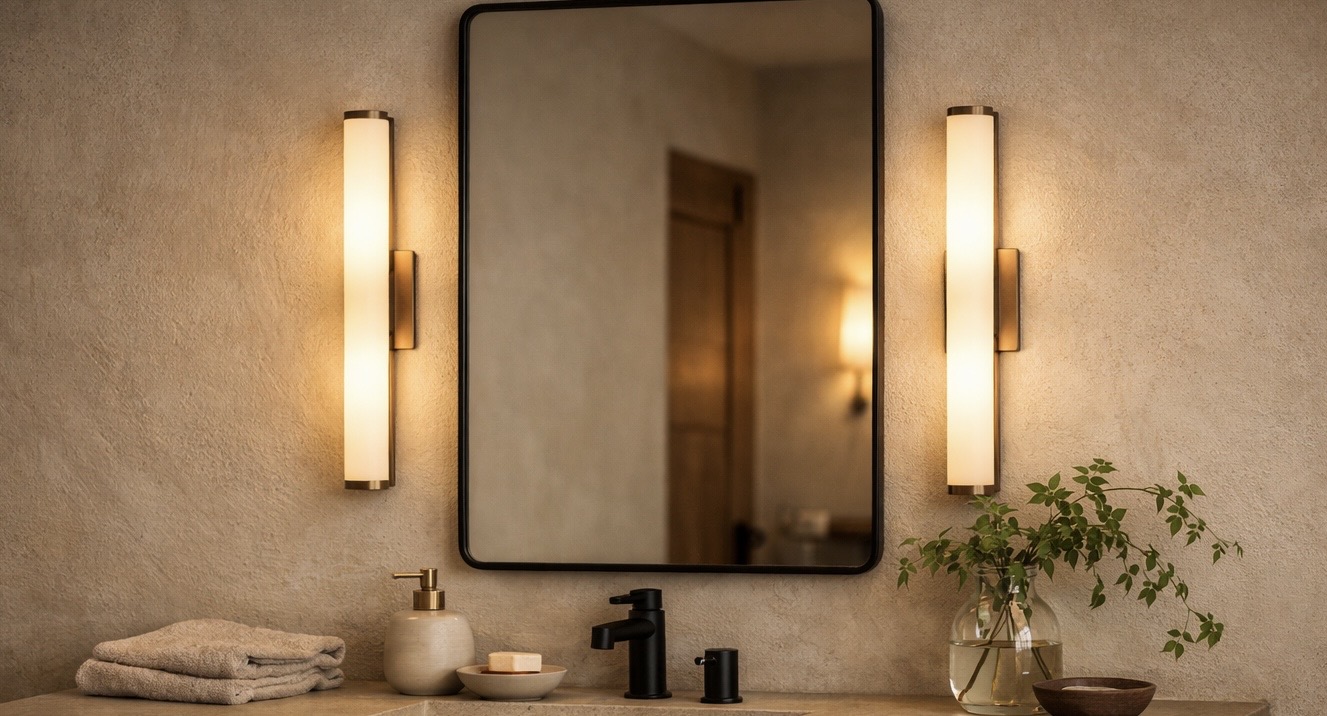
Why Mirror Lighting Is About Direction, Not Brightness Mirror and vanity lighting is one of the most misunderstood areas of interior lighting. Many bathrooms rely on ceiling downlights alone, which often create harsh shadows beneath the eyes and jawline. Even bright bathrooms can feel visually unbalanced when light direction is incorrect. Well-designed mirror lighting prioritises …
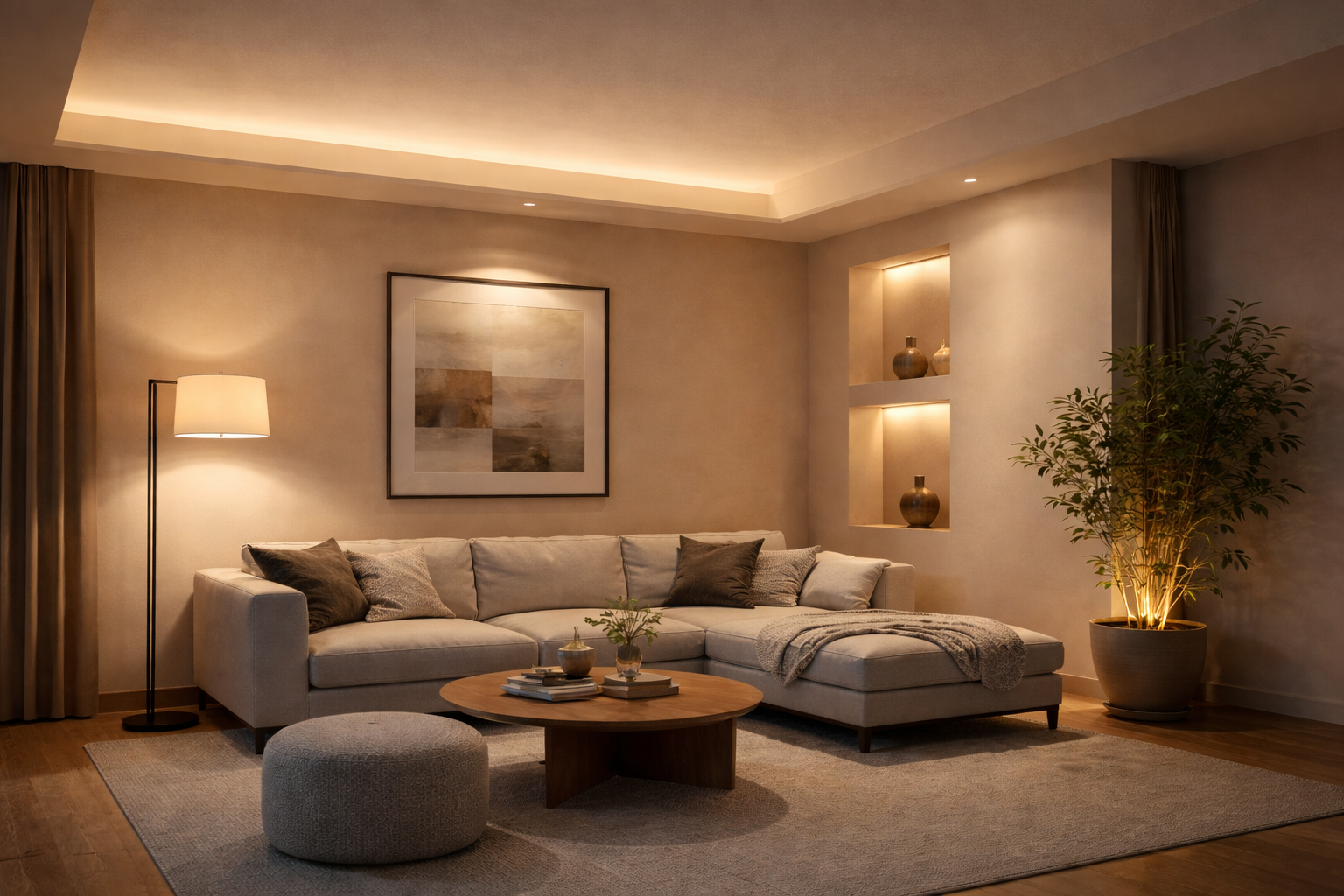
Why Some Rooms Feel Instantly Comfortable Layered lighting is one of the most important principles in interior design. By combining ambient lighting, task lighting, and accent lighting, you create rooms that feel balanced, adaptable, and visually comfortable. Without layering, even well-designed spaces can feel harsh, flat, or visually tiring. Some rooms feel calm and effortless …
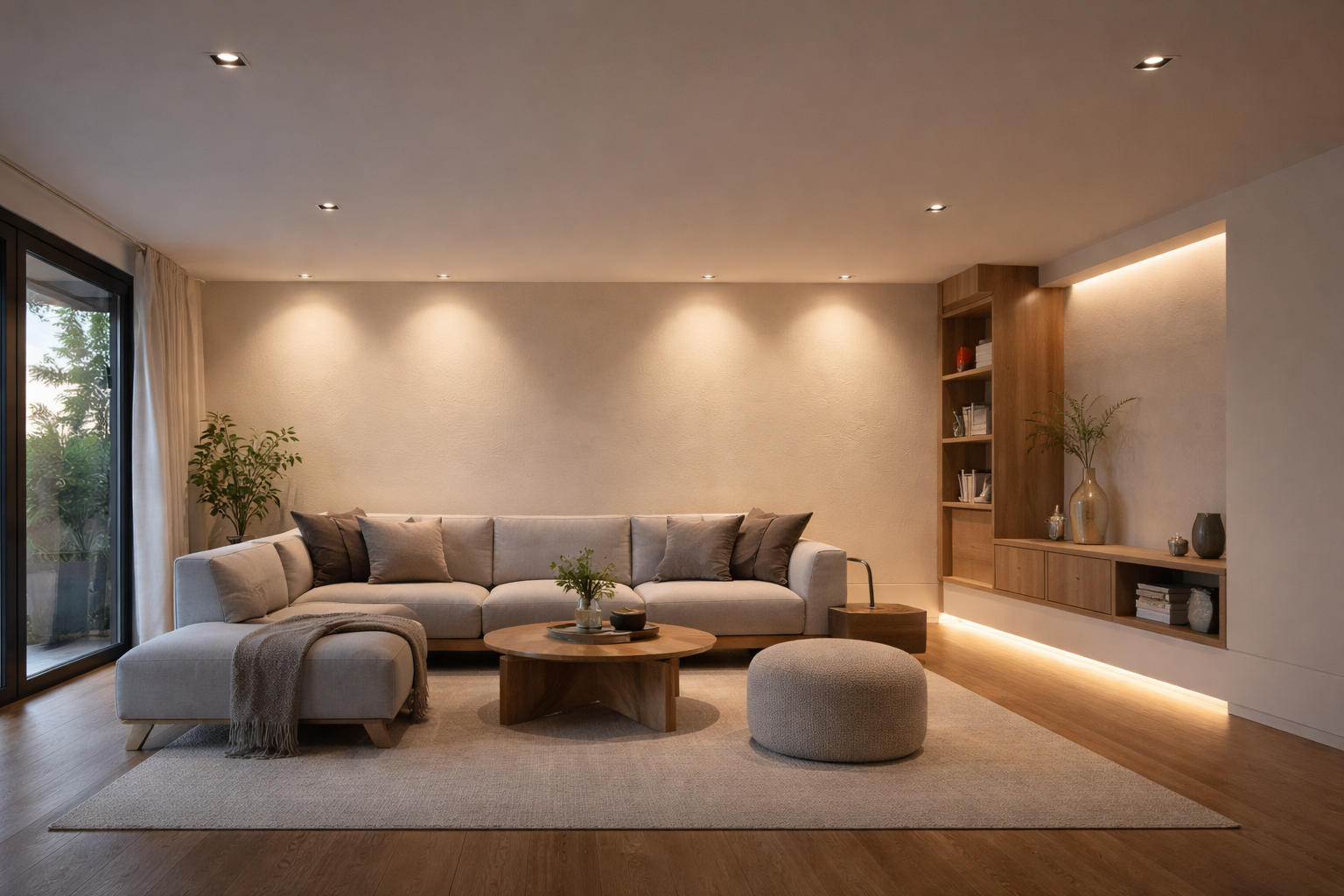
Why Glare Ruins Good Lighting Glare is one of the most common — and most overlooked — lighting problems in modern interiors. Even well-designed spaces can feel uncomfortable if light sources are exposed, poorly positioned, or overly intense. Designing lighting without glare requires more than diffusers and dimmers. It involves controlling angles, concealment, reflection, and …
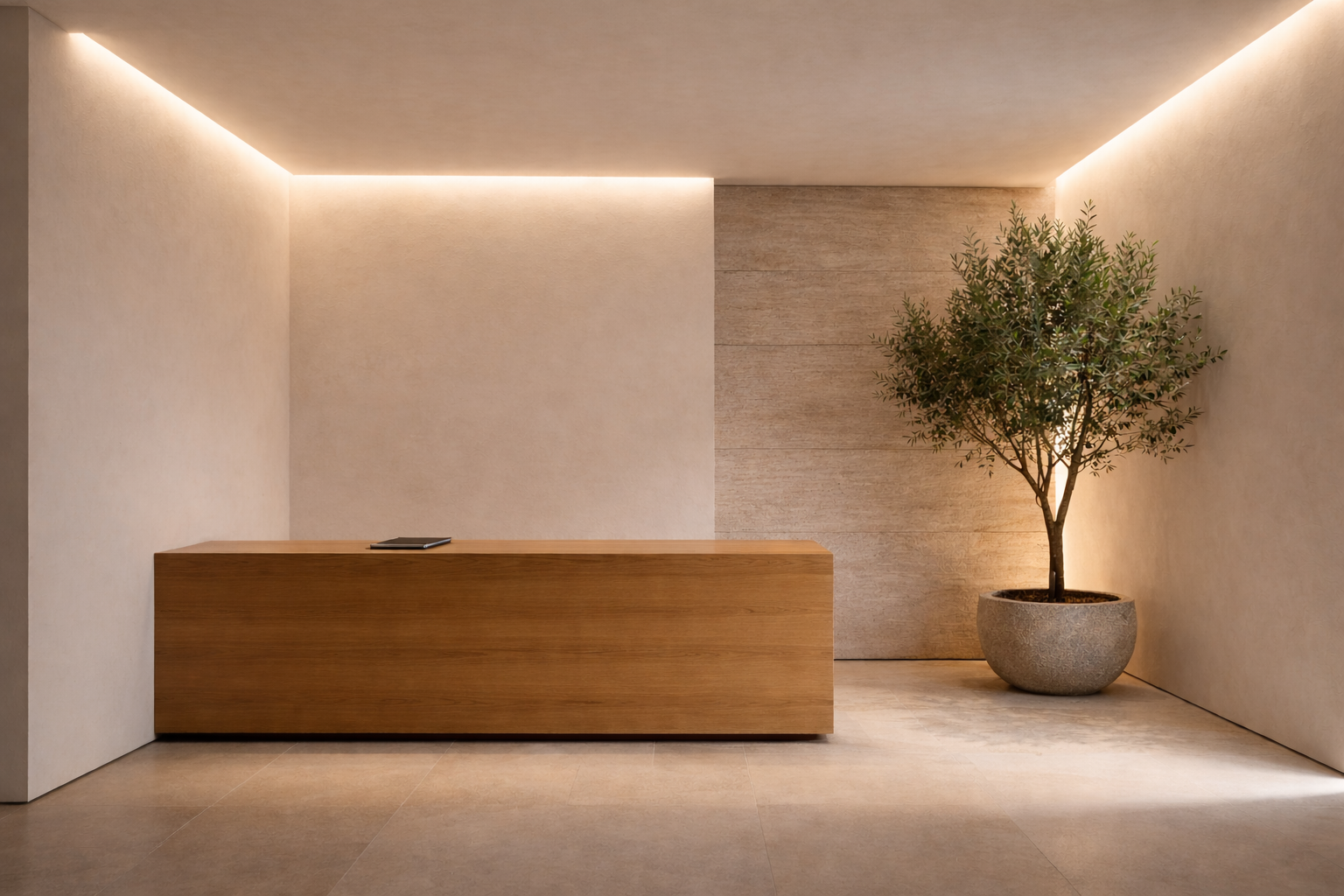
Linear lighting offers a refined way to introduce illumination without interrupting architectural clarity. Rather than drawing attention to individual fixtures, it creates continuous lines of light that guide movement, emphasise structure, and support spatial cohesion. When integrated properly, linear lighting feels intentional — not decorative. What Is Linear Lighting? Linear lighting typically uses LED strip …
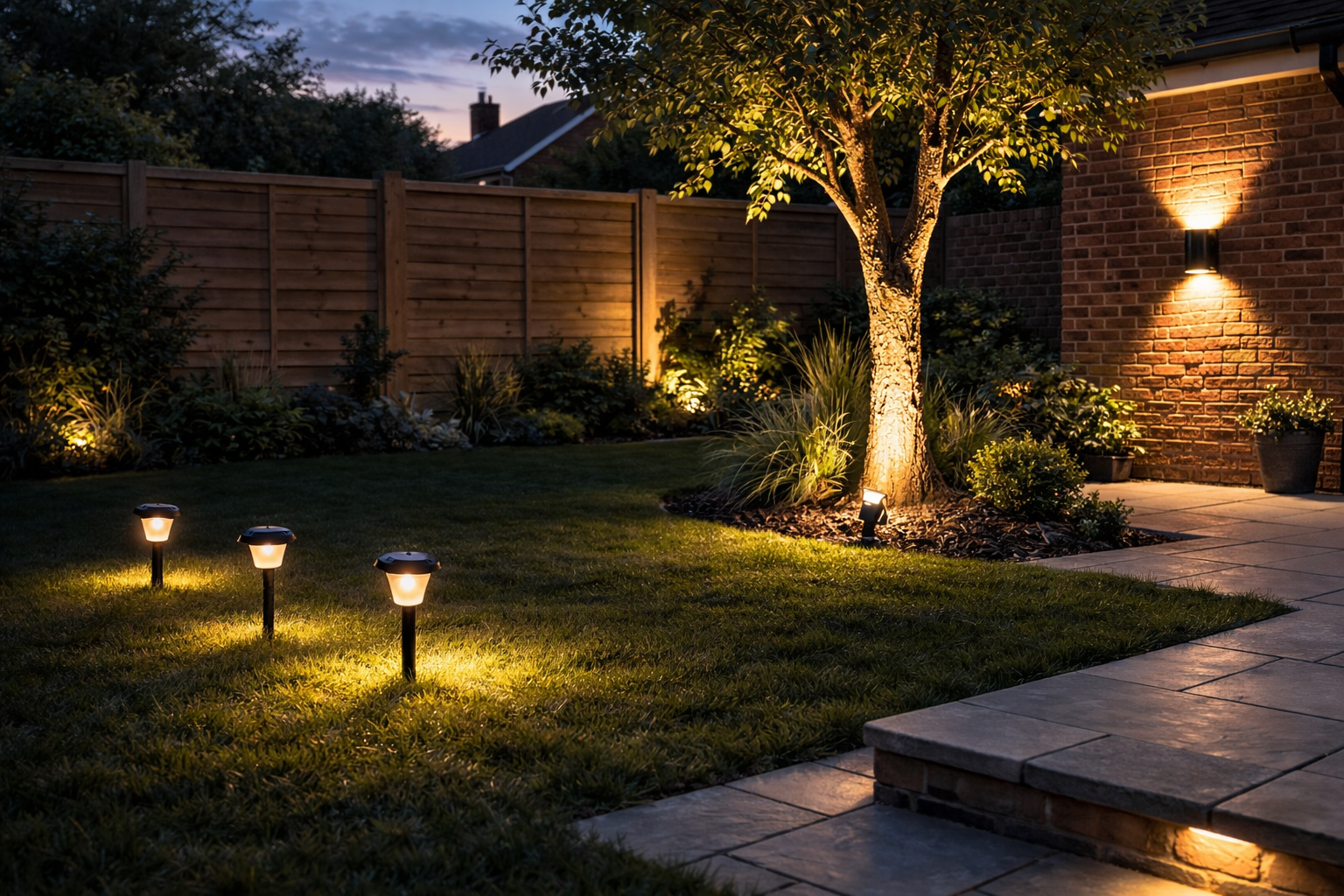
Understanding the Difference Before You Buy Choosing between solar and wired garden lighting is one of the most common outdoor lighting decisions. Both have advantages, but they serve different purposes. The best option depends on how you use your garden, how long you expect the lighting to last, and the level of control you want …
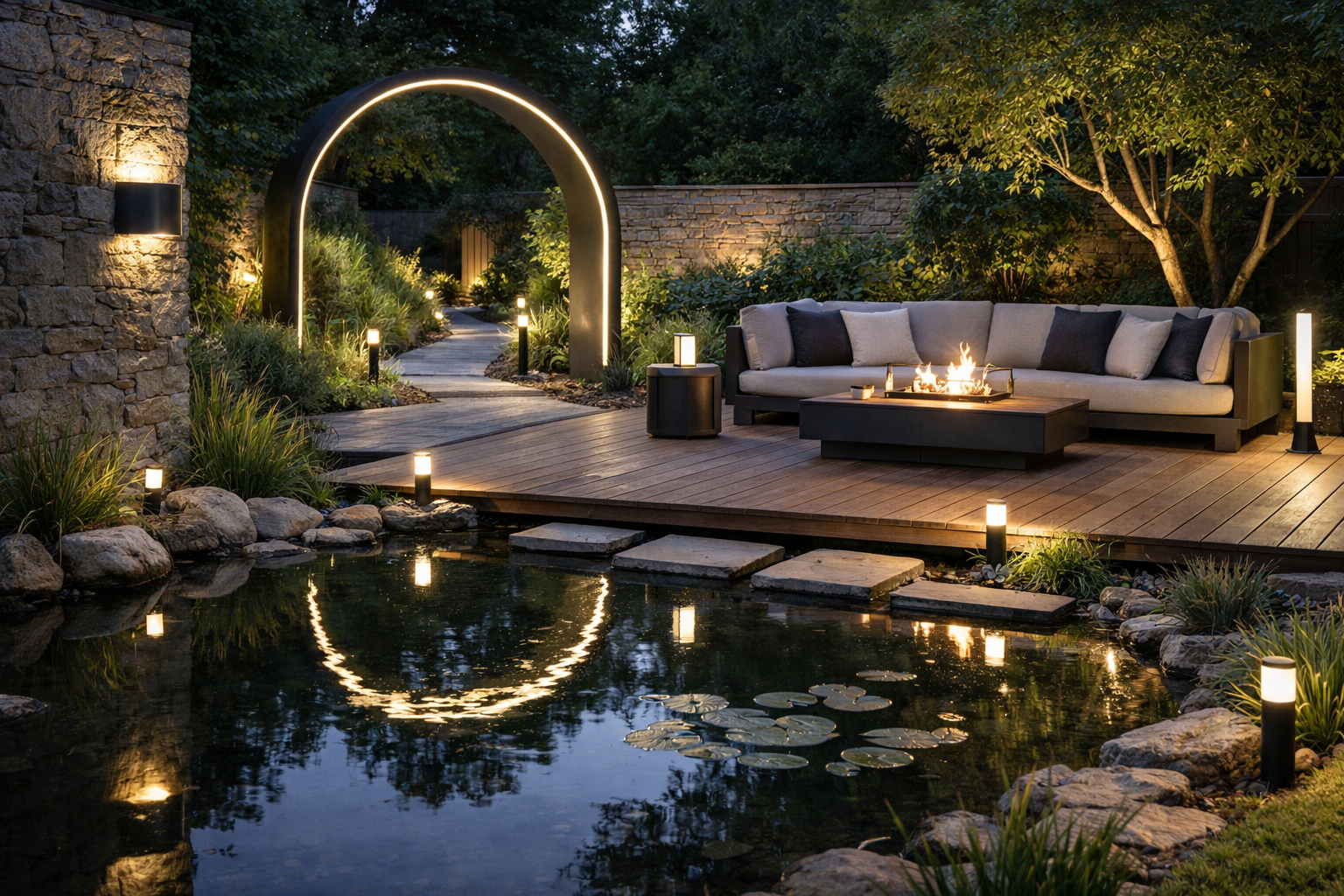
Turn Your Garden Into a Space You Want to Spend Time In Garden lighting is what transforms a space from something you see into somewhere you use. The difference isn’t brightness — it’s placement, layering, and restraint. Done well, outdoor lighting extends summer evenings naturally, creating warmth and depth without glare. This guide explains how …