
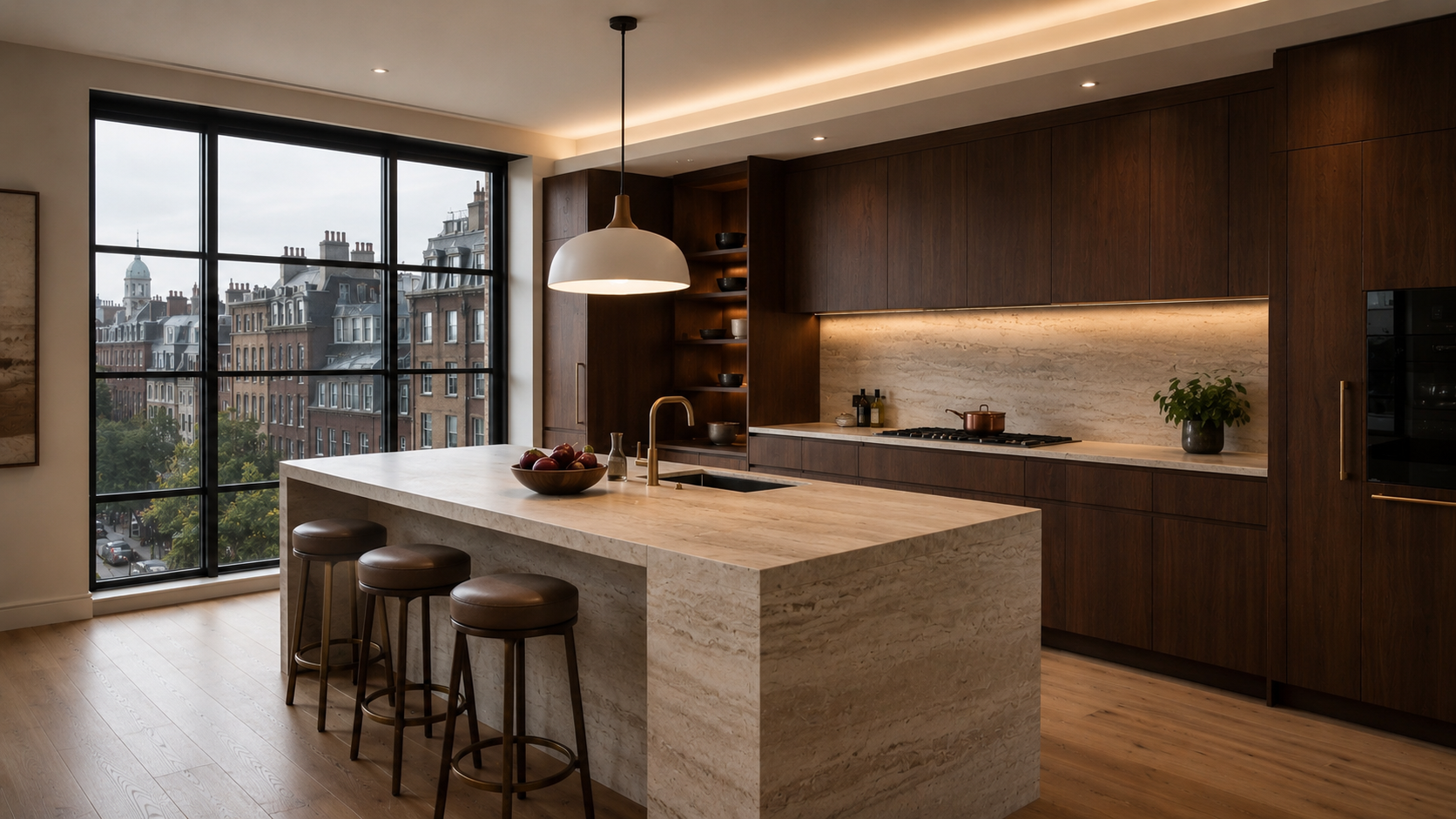
Lighting design principles form the foundation of every successful interior. While decorative light fittings contribute to a room’s character, thoughtful planning, careful placement and the correct balance of light are what truly create comfortable, functional and beautiful spaces. Whether you’re renovating a single room, building a new home or simply upgrading your lighting, understanding the …
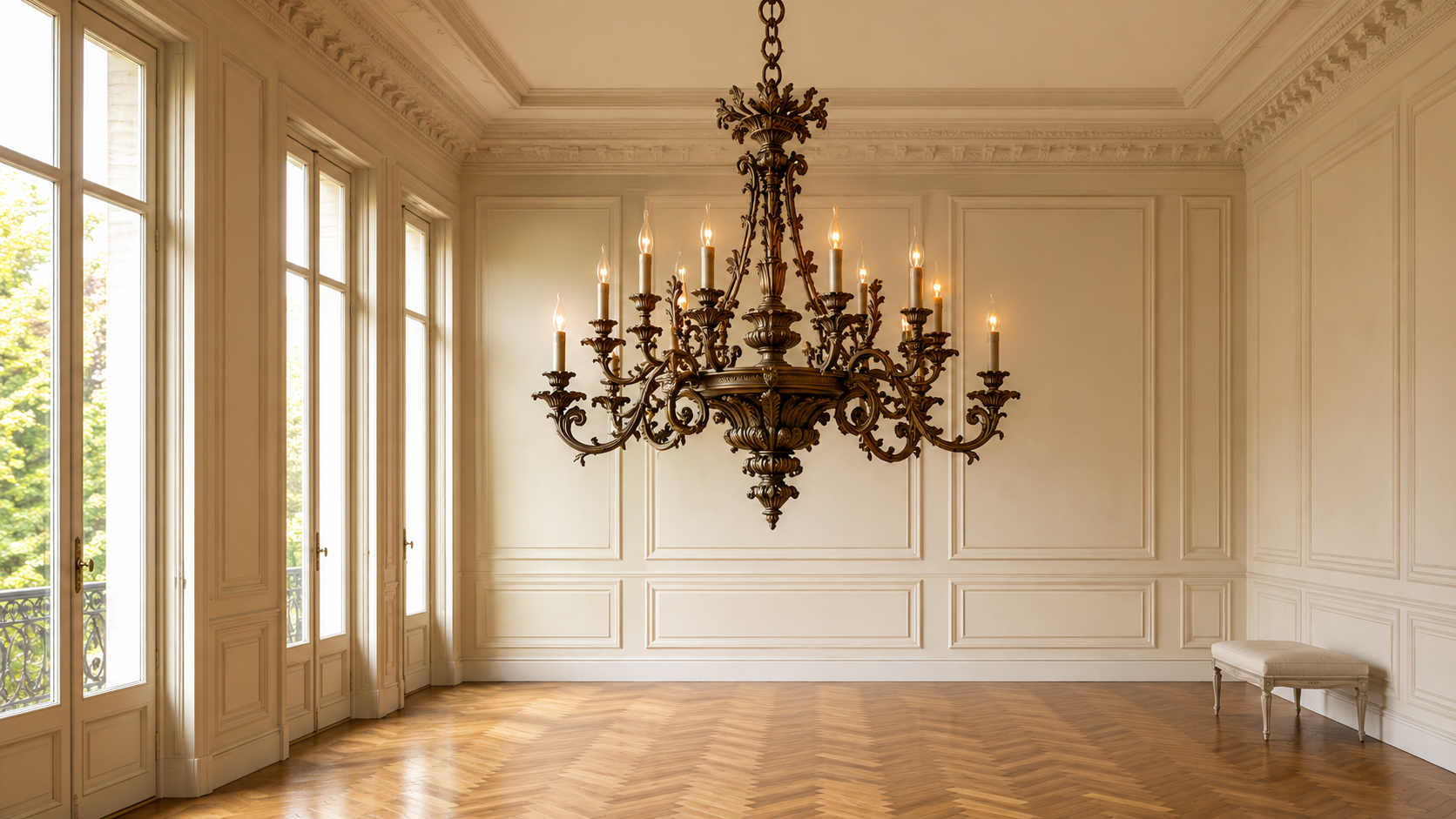
Decorative bronze lighting has been admired for centuries for its exceptional craftsmanship, durability and timeless beauty. From magnificent chandeliers suspended within royal palaces to elegant wall lights illuminating luxury homes, bronze has remained one of the world’s most prestigious materials for decorative lighting. Unlike mass-produced lighting, decorative bronze fittings showcase the skill of artisans who …
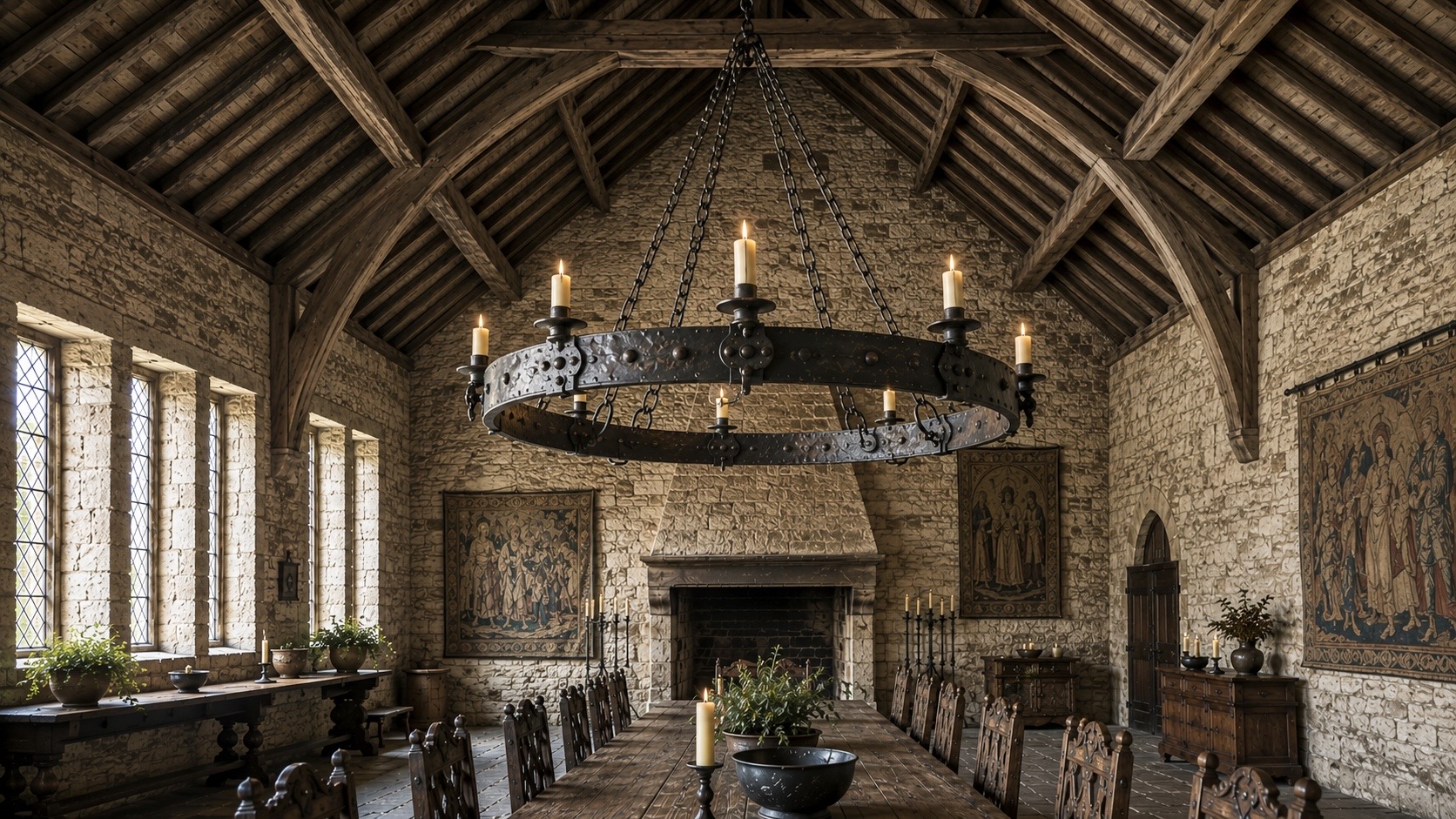
Wrought iron lighting has illuminated homes, castles, churches and public buildings for centuries. Renowned for its strength, handcrafted character and timeless appeal, wrought iron remains one of the most distinctive materials used within decorative lighting, bringing warmth, texture and artisan craftsmanship to both historic and contemporary interiors. Unlike cast metals, wrought iron is traditionally shaped …
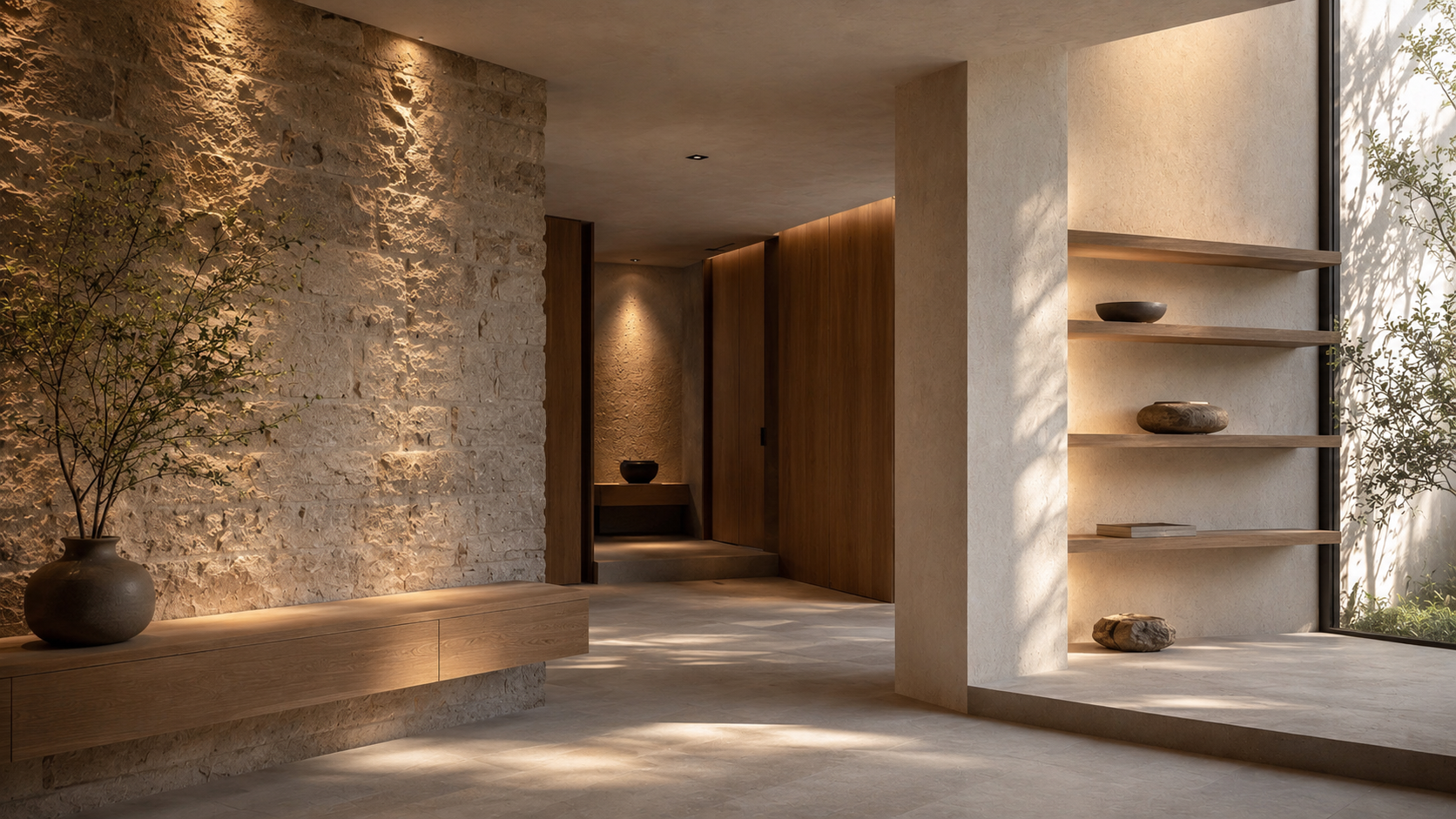
Why Well-Placed Shadows Transform Interior Design Many people assume that good lighting means making every corner of a room as bright as possible. Professional interior designers take a different approach. Rather than eliminating every shadow, they use light and shade together to create spaces that feel balanced, comfortable and visually engaging. Carefully controlled shadows reveal …
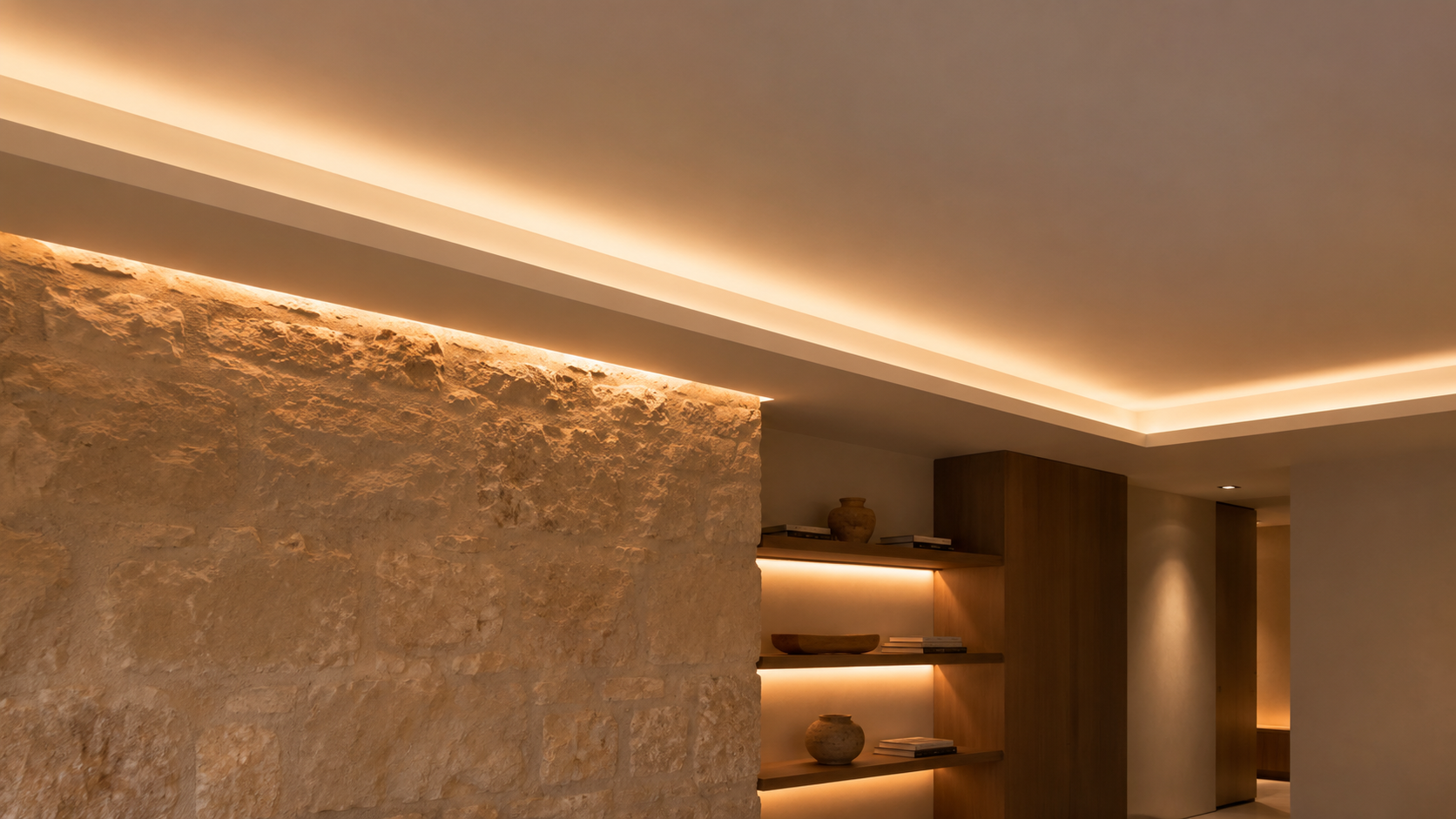
Why Indirect Lighting Matters Indirect lighting is one of the most effective ways to create comfortable, visually balanced interiors. Instead of shining light directly into a room, indirect lighting reflects illumination from ceilings, walls or other surfaces, producing a softer and more even distribution of light. This approach reduces harsh shadows, minimises glare and helps …
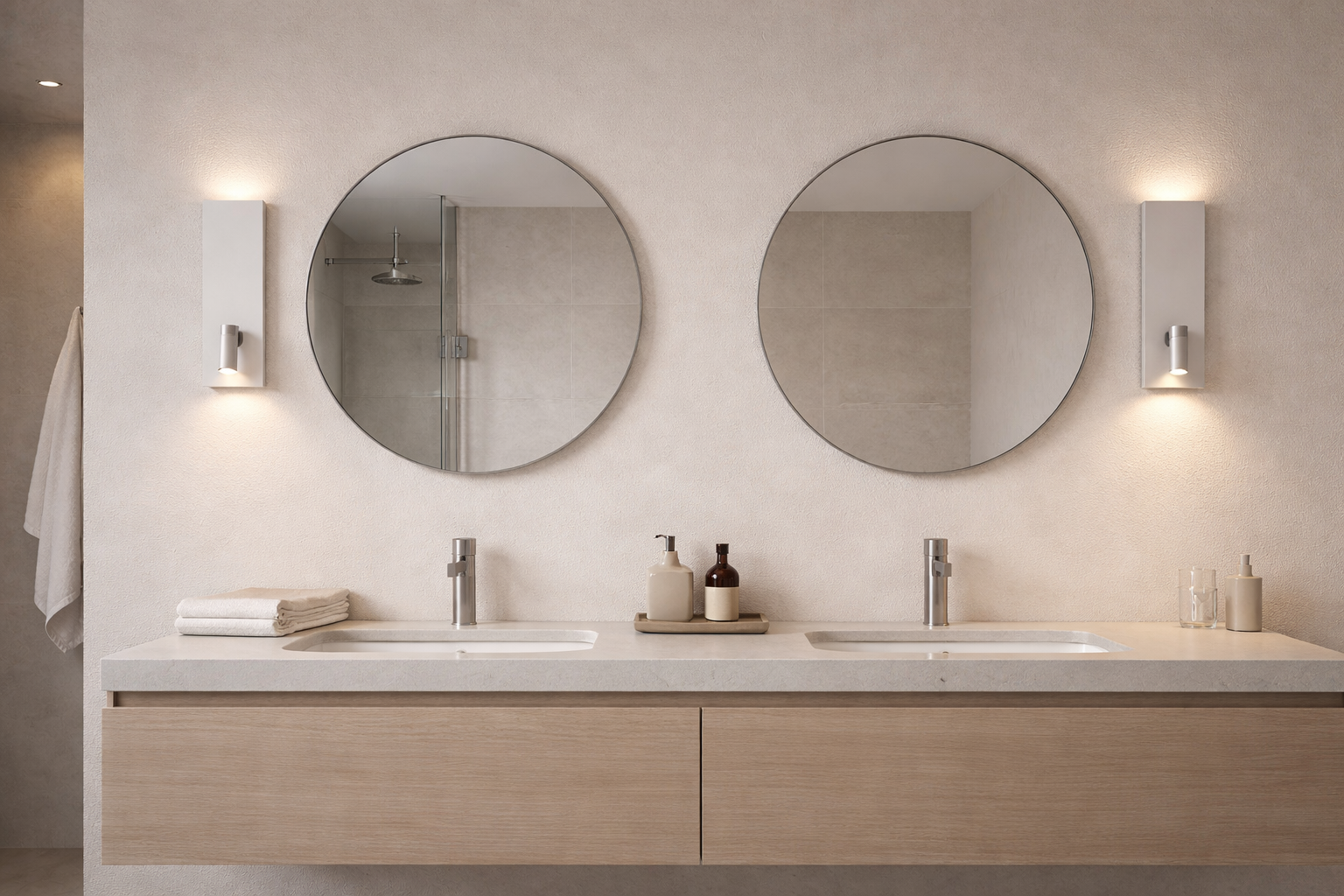
The Origins of Astro Lighting Astro Lighting is a British lighting manufacturer known for its clean architectural design, durable construction, and understated aesthetic. Founded in the United Kingdom in 1997, the brand has grown into one of the most respected names in modern interior and bathroom lighting, particularly in homes, hotels, and contemporary living spaces …
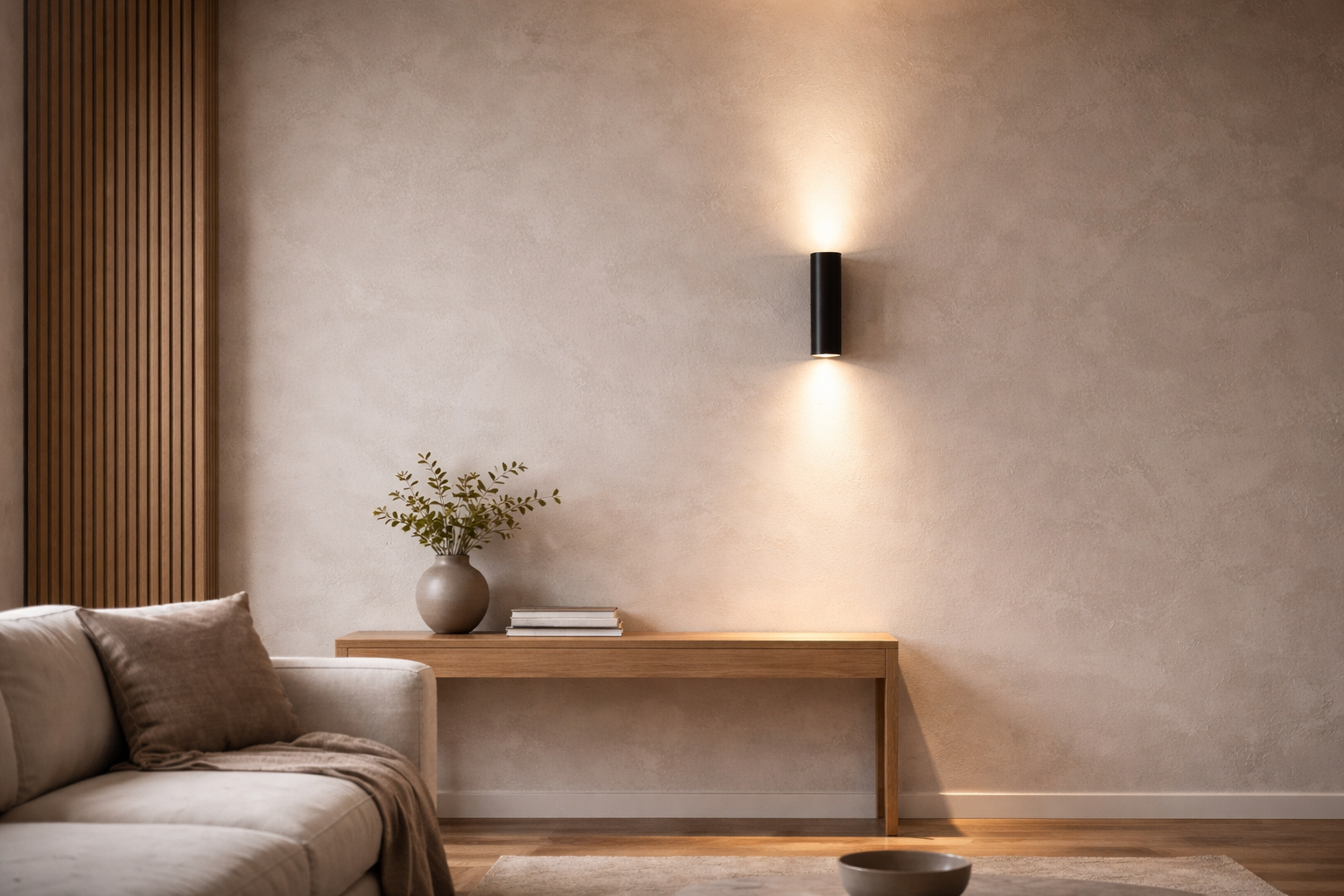
How Wall Lights Shape Space and Atmosphere Wall lights offer a refined way to shape how a space feels by introducing vertical illumination. Unlike ceiling fixtures that light from above, wall-mounted lighting spreads light across surfaces, softening shadows and improving visual balance. Used effectively, wall lights can enhance atmosphere, highlight architectural features, and support a …
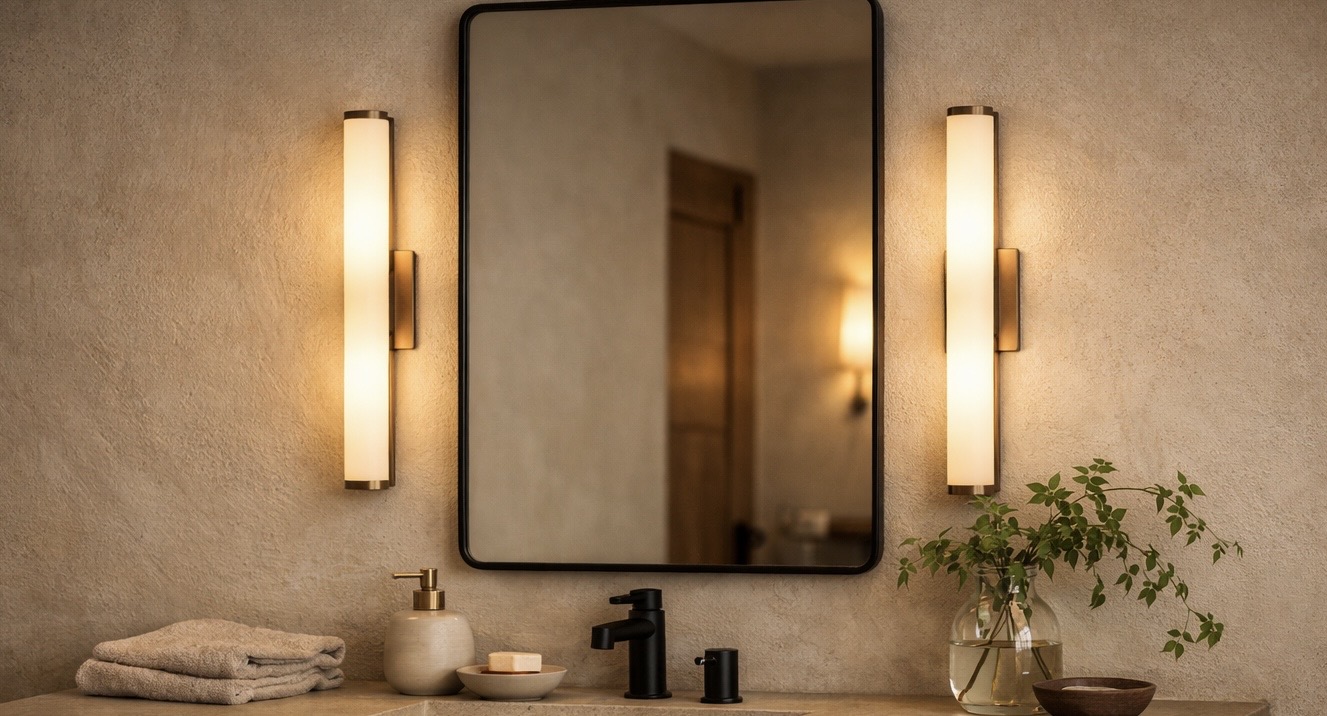
Why Mirror Lighting Is About Direction, Not Brightness Mirror and vanity lighting is one of the most misunderstood areas of interior lighting. Many bathrooms rely on ceiling downlights alone, which often create harsh shadows beneath the eyes and jawline. Even bright bathrooms can feel visually unbalanced when light direction is incorrect. Well-designed mirror lighting prioritises …
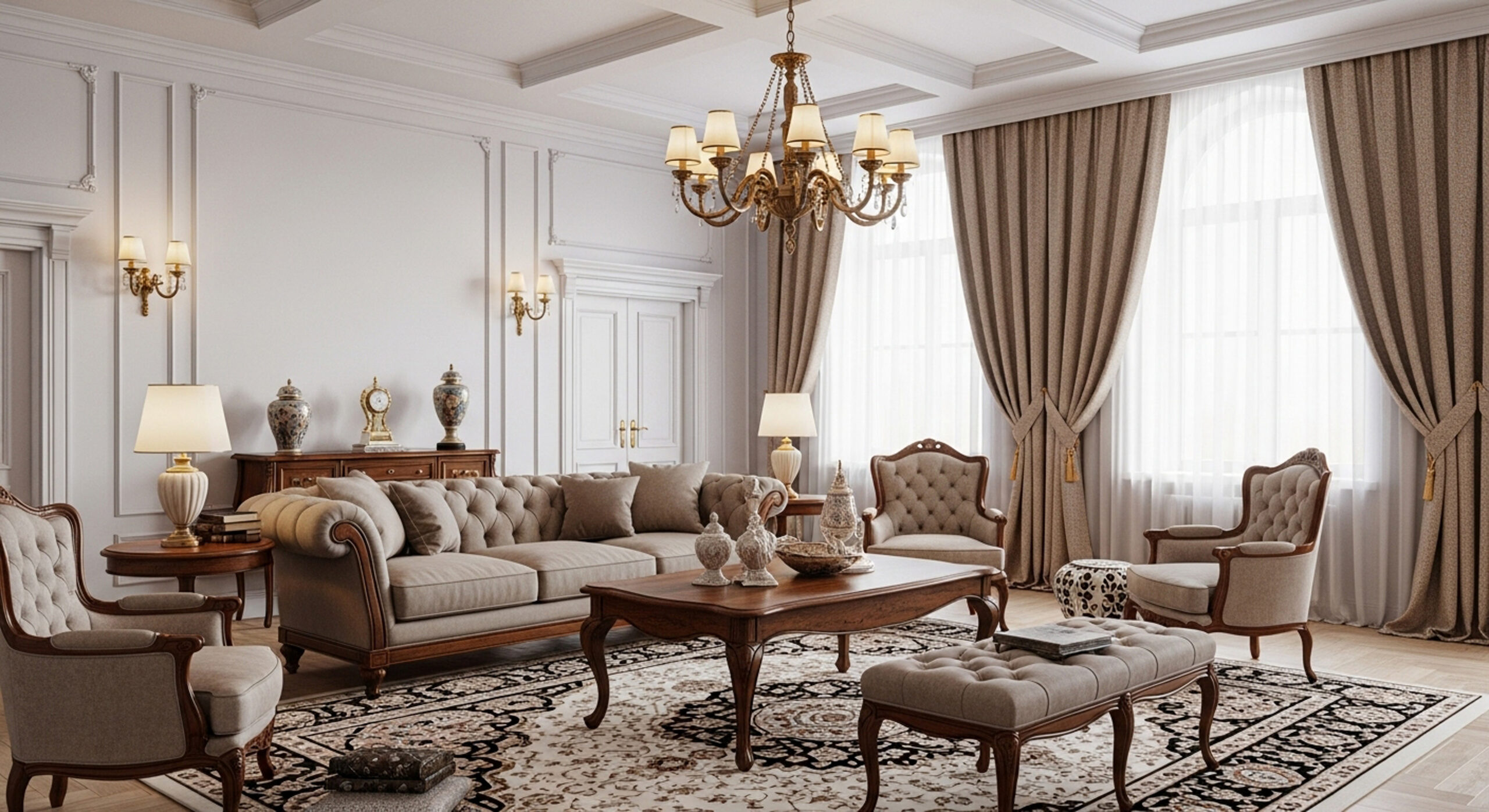
The Heritage and Appeal of Traditional Design Traditional interior design draws inspiration from 18th and 19th-century European decor, celebrating symmetry, refinement, and classic detail. Rooted in history, this style reflects elegance and formality, yet it remains versatile enough to adapt to modern living. With its timeless sense of balance and harmony, traditional interiors create a …