
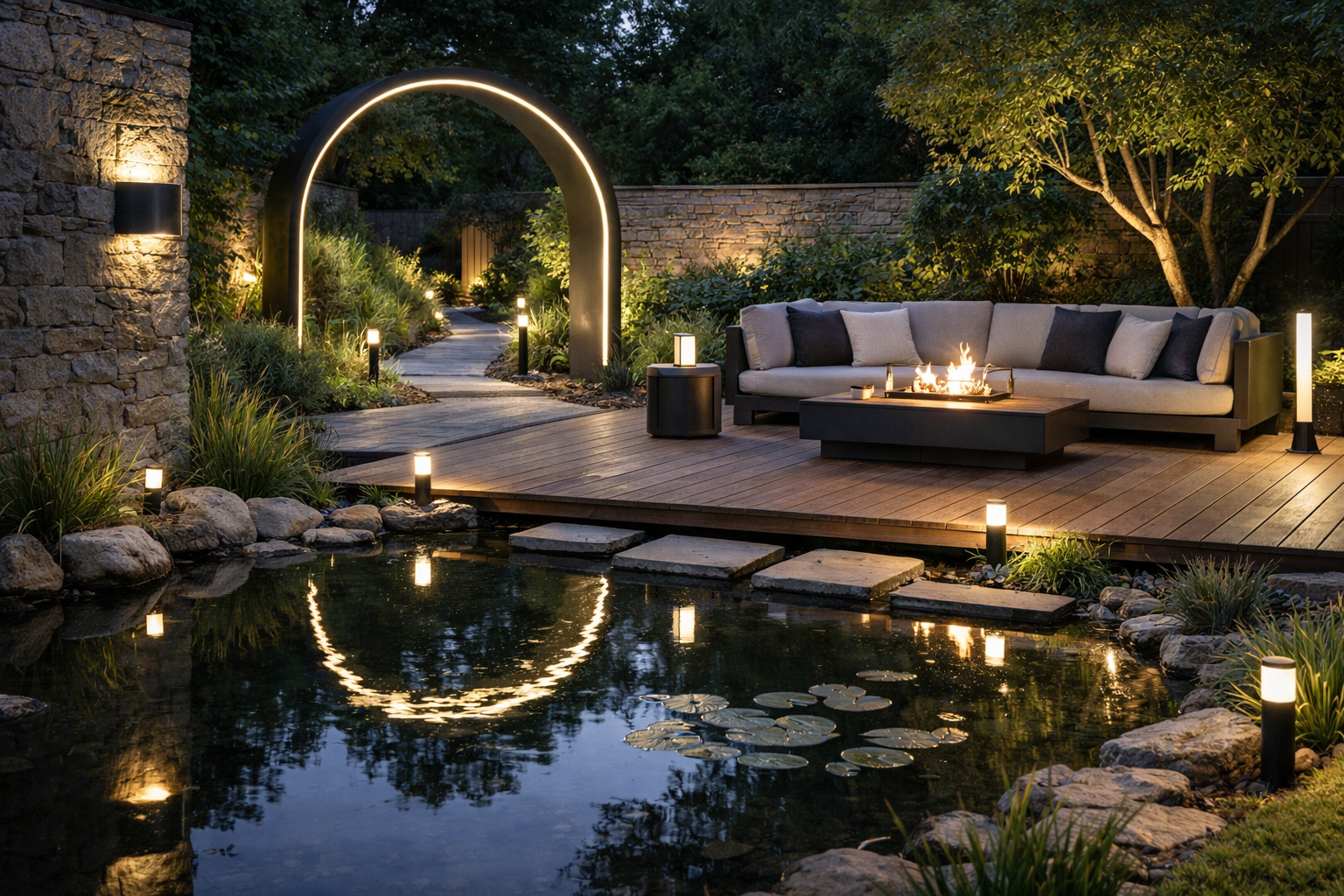
Turn Your Garden Into a Space You Want to Spend Time In Garden lighting is what transforms a space from something you see into somewhere you use. The difference isn’t brightness — it’s placement, layering, and restraint. Done well, outdoor lighting extends summer evenings naturally, creating warmth and depth without glare. This guide explains how …
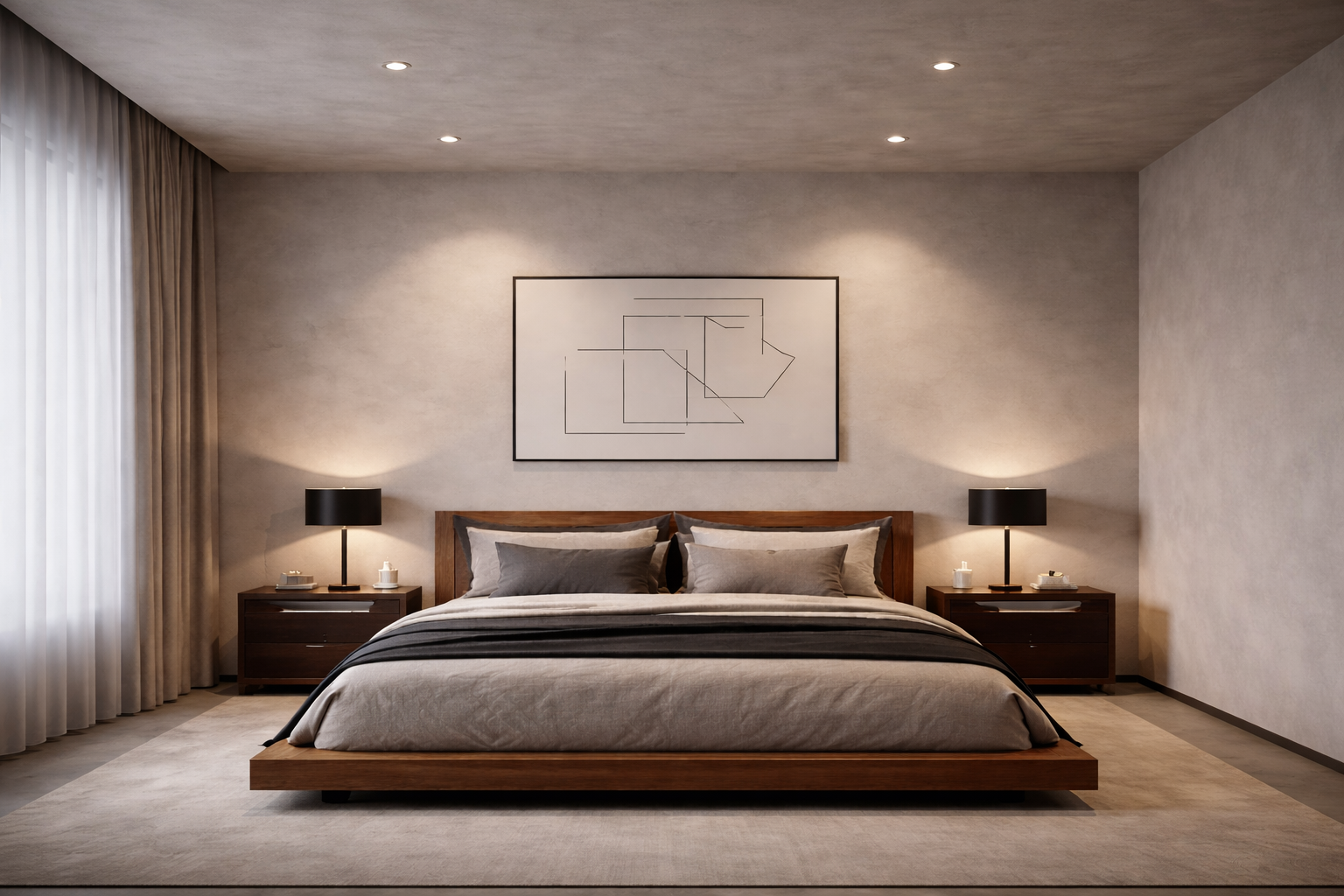
The Pros and Cons of Bedroom Downlights Downlights are common in modern homes. They’re neat, discreet, and easy to install. But in bedrooms, they can either feel calm and practical — or cold and uncomfortable. This guide explains when downlights work well in bedrooms, when they don’t, and how to design lighting that feels restful …
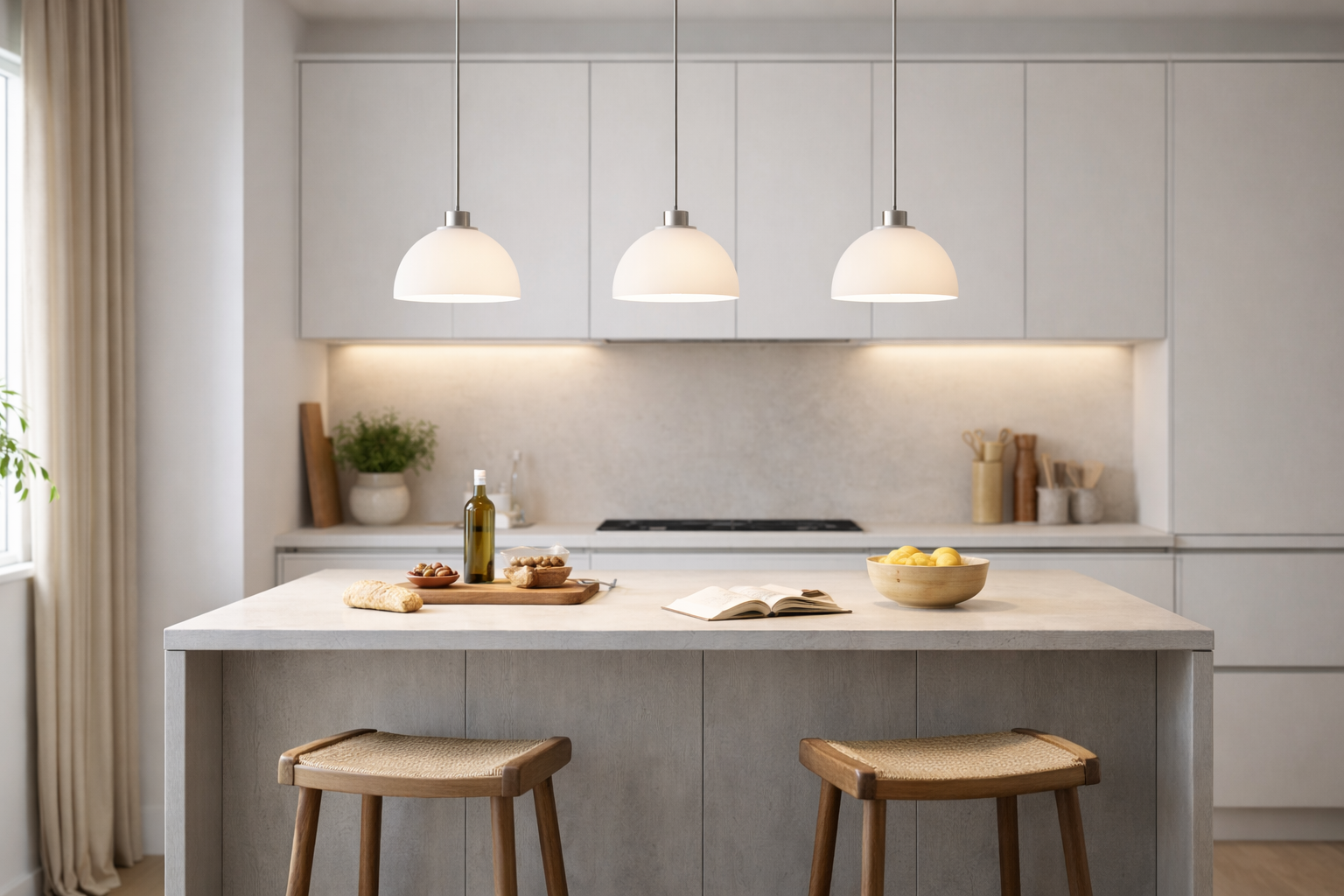
Why Island Lighting Fails More Often Than It Should Kitchen island lighting often looks impressive in showrooms but feels uncomfortable in real homes. The problem is rarely the fixture itself. It is usually spacing, height, glare, or scale. Designers approach island lighting differently. They think about proportion, sightlines, and how light behaves during daily use …
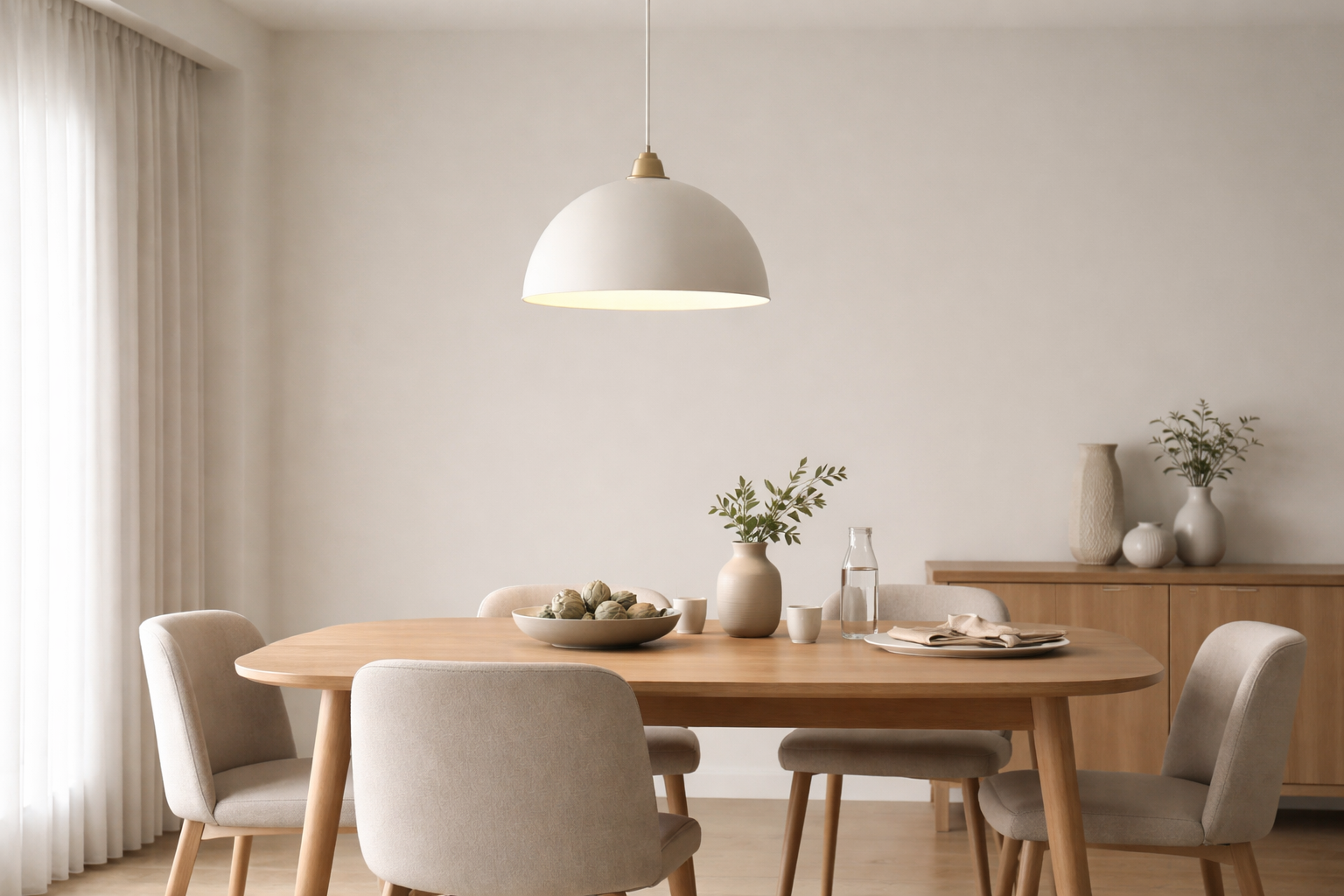
Choosing Between a Single Pendant and a Cluster Pendant lighting can transform a room — but choosing between a single pendant and a cluster arrangement changes more than style. It affects scale, balance, glare control, and how the ceiling relates to the space below. A single pendant feels calm and centred. A cluster creates movement …
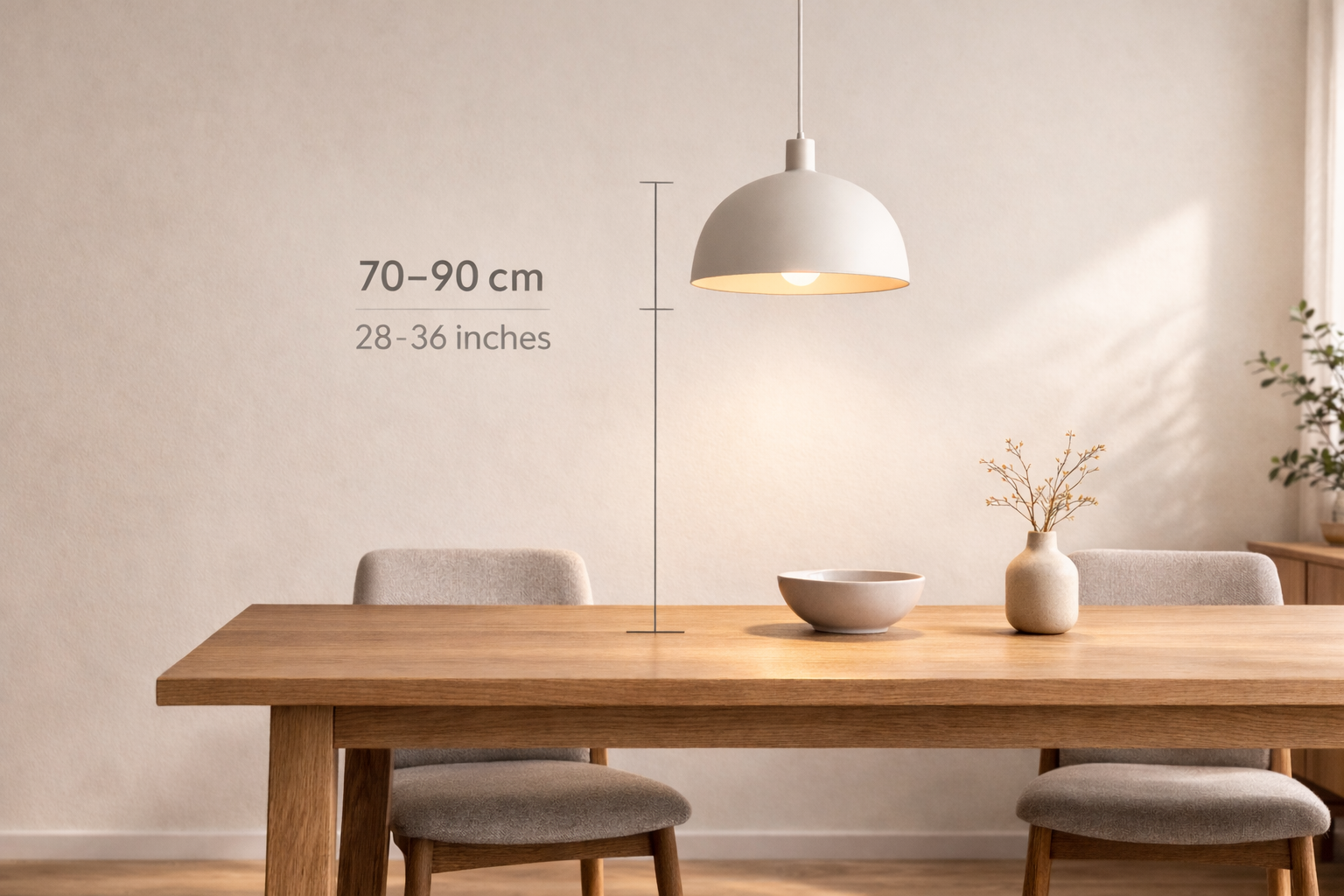
Standard Pendant Heights for Tables, Islands and Rooms Pendant lighting often looks wrong not because of the fixture, but because of its height. A pendant that hangs too low feels intrusive. One that hangs too high feels ineffective. Getting the height right is one of the simplest ways to improve comfort, balance, and visual clarity …
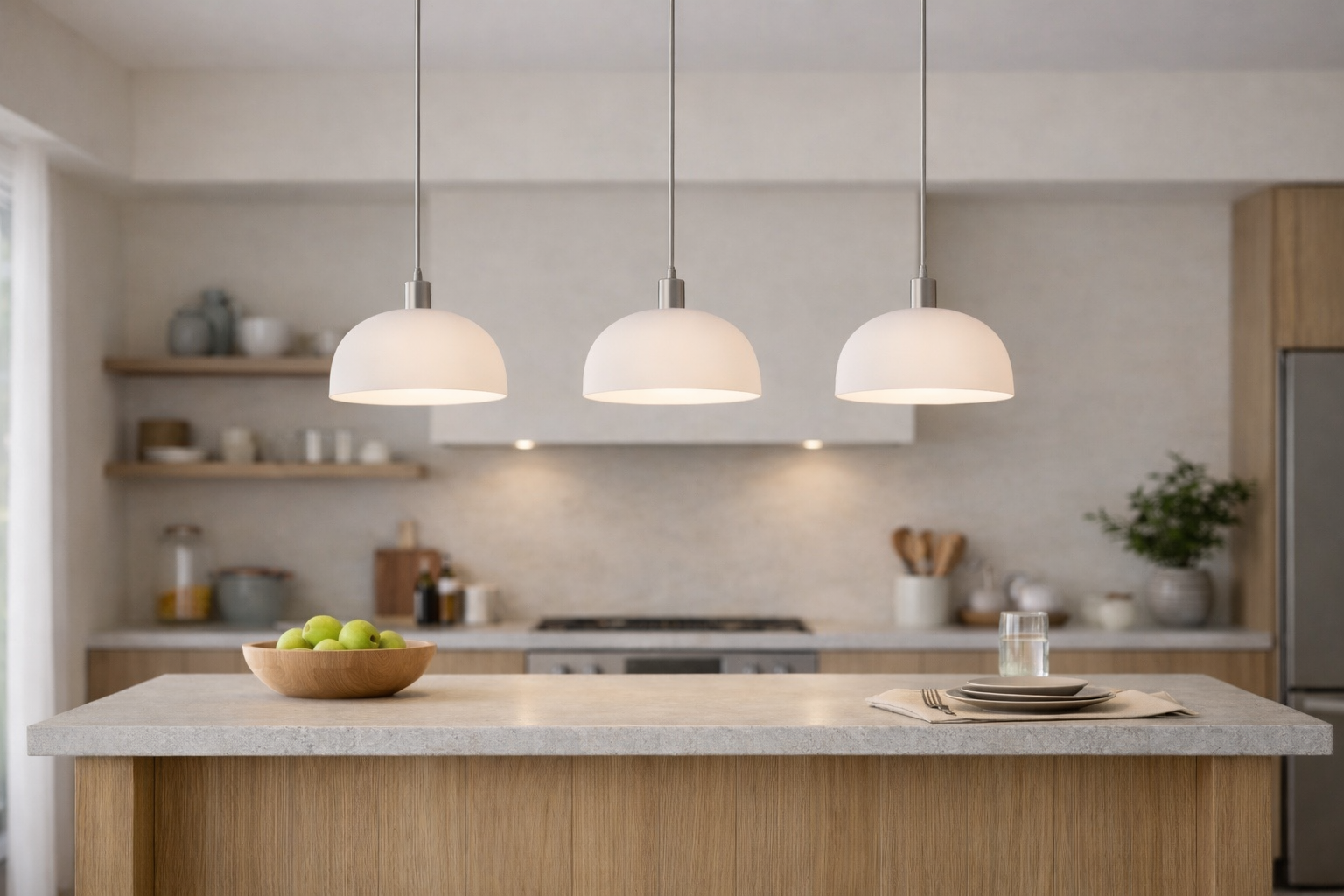
Why Pendant Size Matters More Than Style Choosing the right pendant light size is one of the most common — and most misunderstood — lighting decisions. Too small, and the pendant feels insignificant. Too large, and it overwhelms the space. The correct size is not about trends or symmetry alone. It depends on proportion, ceiling …
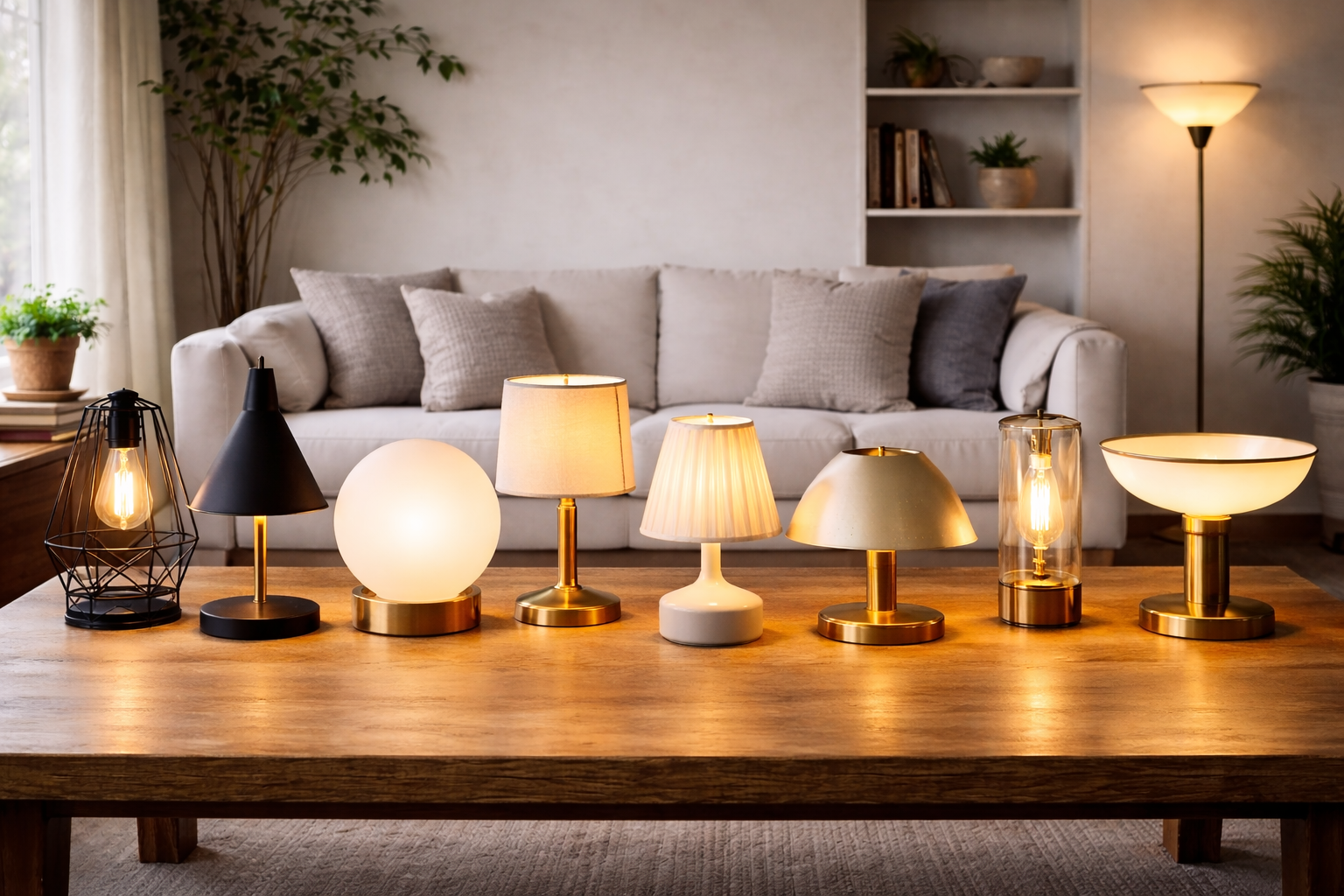
Why Lamp Shape Changes Everything in Lighting Design When choosing a lamp, most people focus on brightness, bulb type, or style. Shape is often treated as a purely aesthetic decision. In reality, lamp shape is one of the most important factors influencing how light behaves within a space. The form of a lamp determines where …
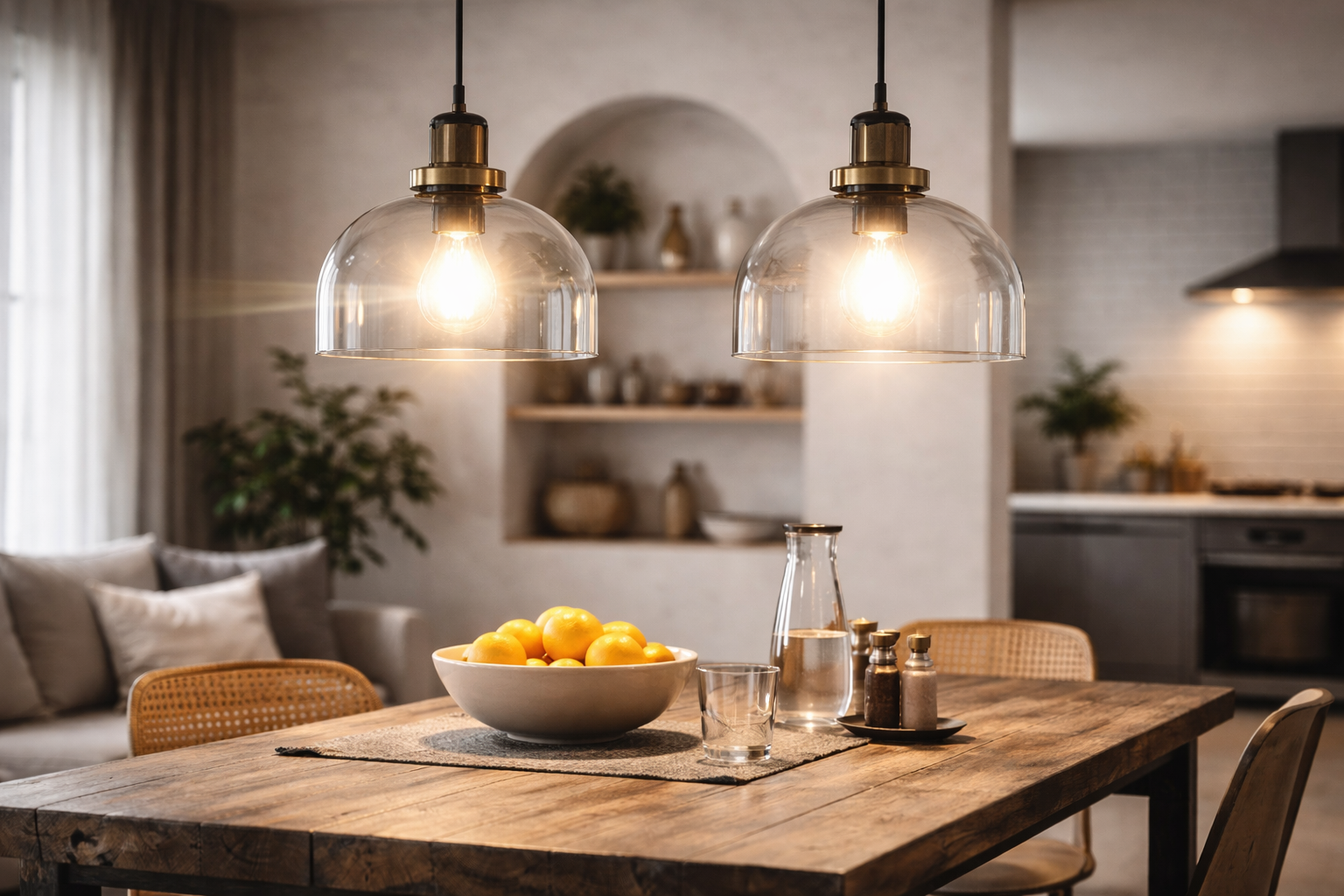
Glare is one of the most common lighting complaints — and one of the most misunderstood. Many people assume glare is caused by a light being “too bright”, when in reality it is usually the result of how light is delivered, positioned, and controlled. Pendant lights are especially prone to glare because they sit directly …
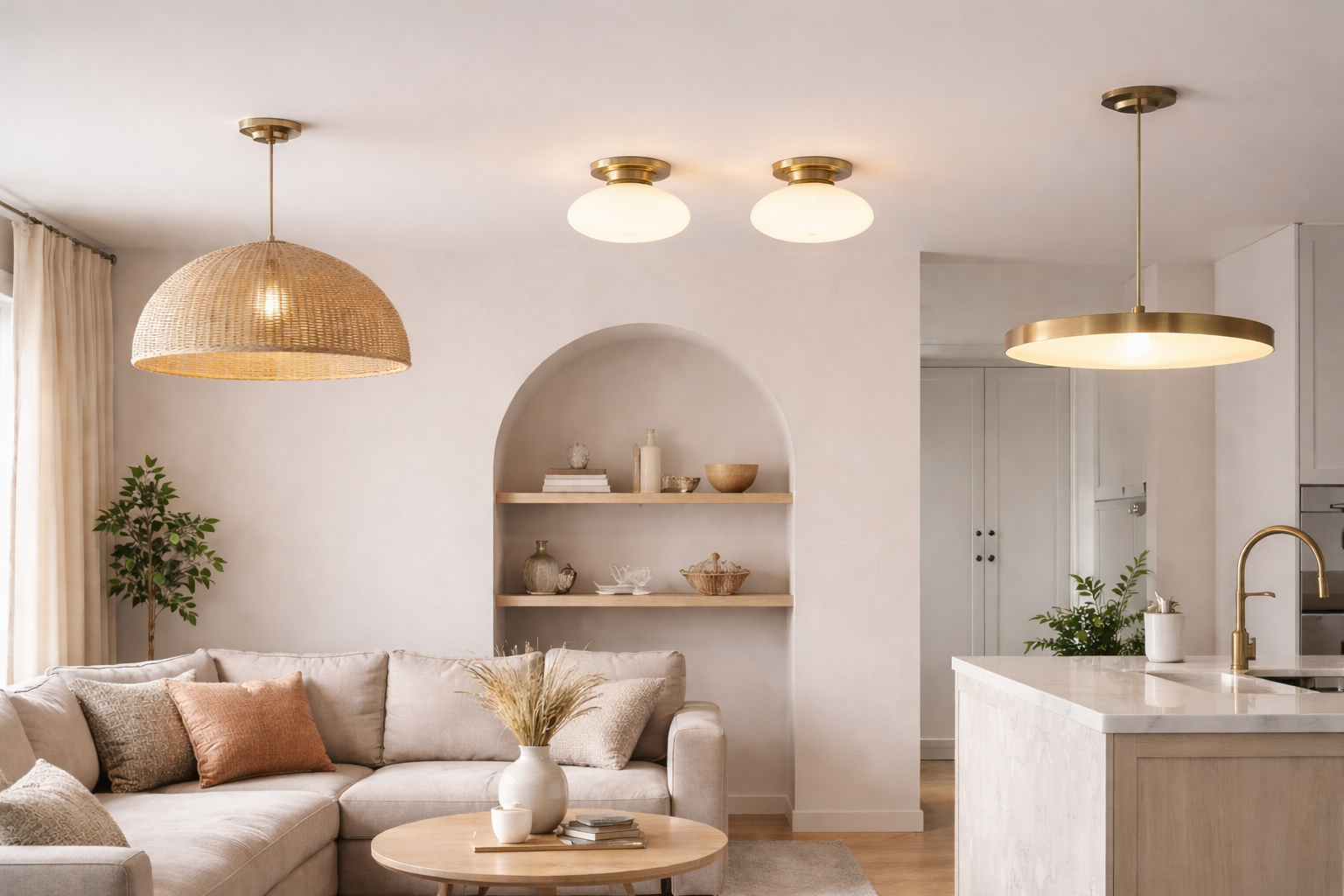
Pendant lighting is often dismissed in homes with low ceilings — usually for the wrong reasons. While poorly chosen pendants can feel intrusive or glary, the right designs can actually improve proportion, comfort, and visual clarity. The key is not avoiding pendants altogether, but understanding how scale, drop, light direction, and placement affect how a …