
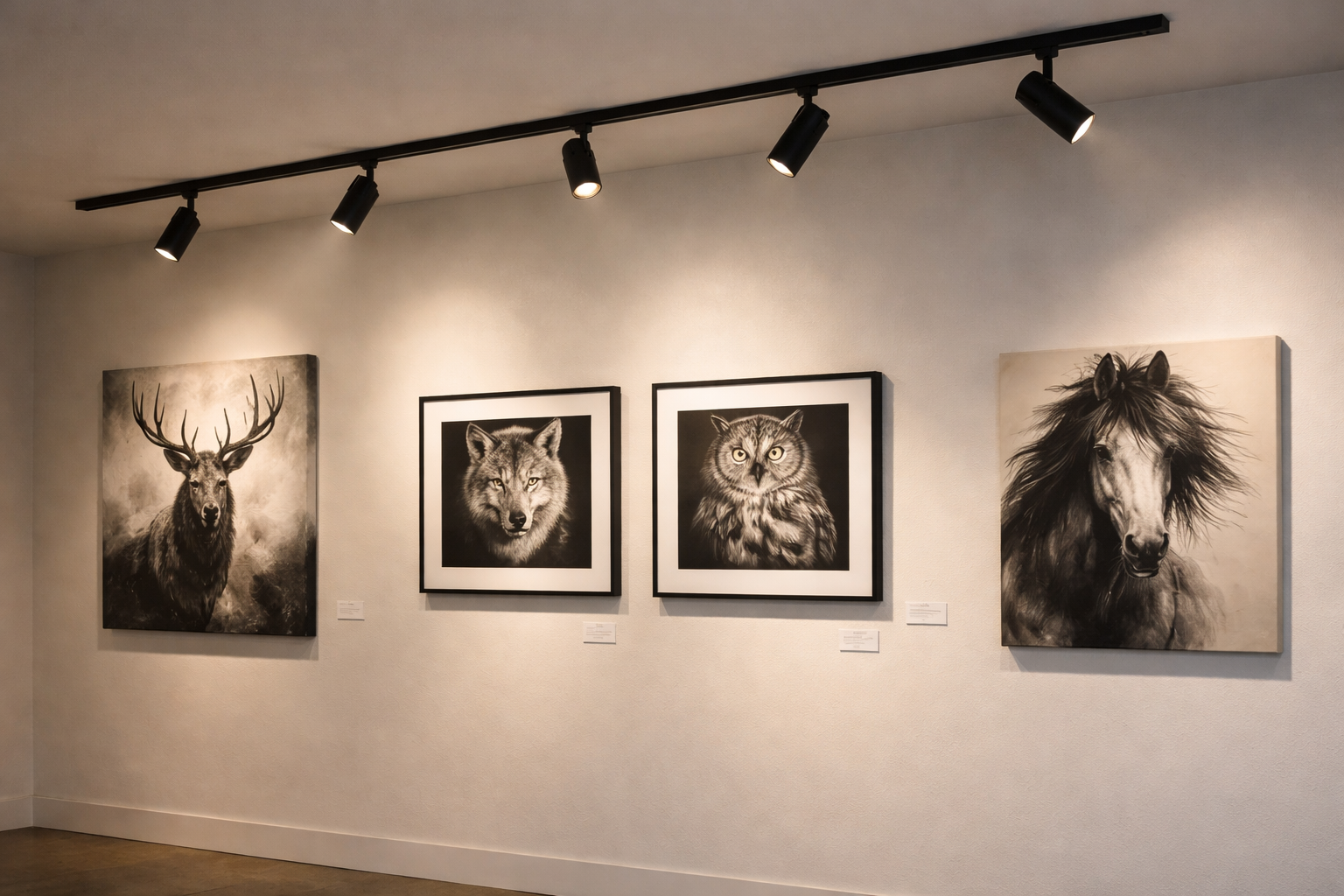
Why Track and Rail Lighting Works in Flexible Spaces Track and rail lighting provides a flexible way to illuminate interior spaces where lighting needs may change over time. By allowing multiple light fittings to be positioned along a single track or rail, this system makes it easy to adjust both light direction and coverage without …
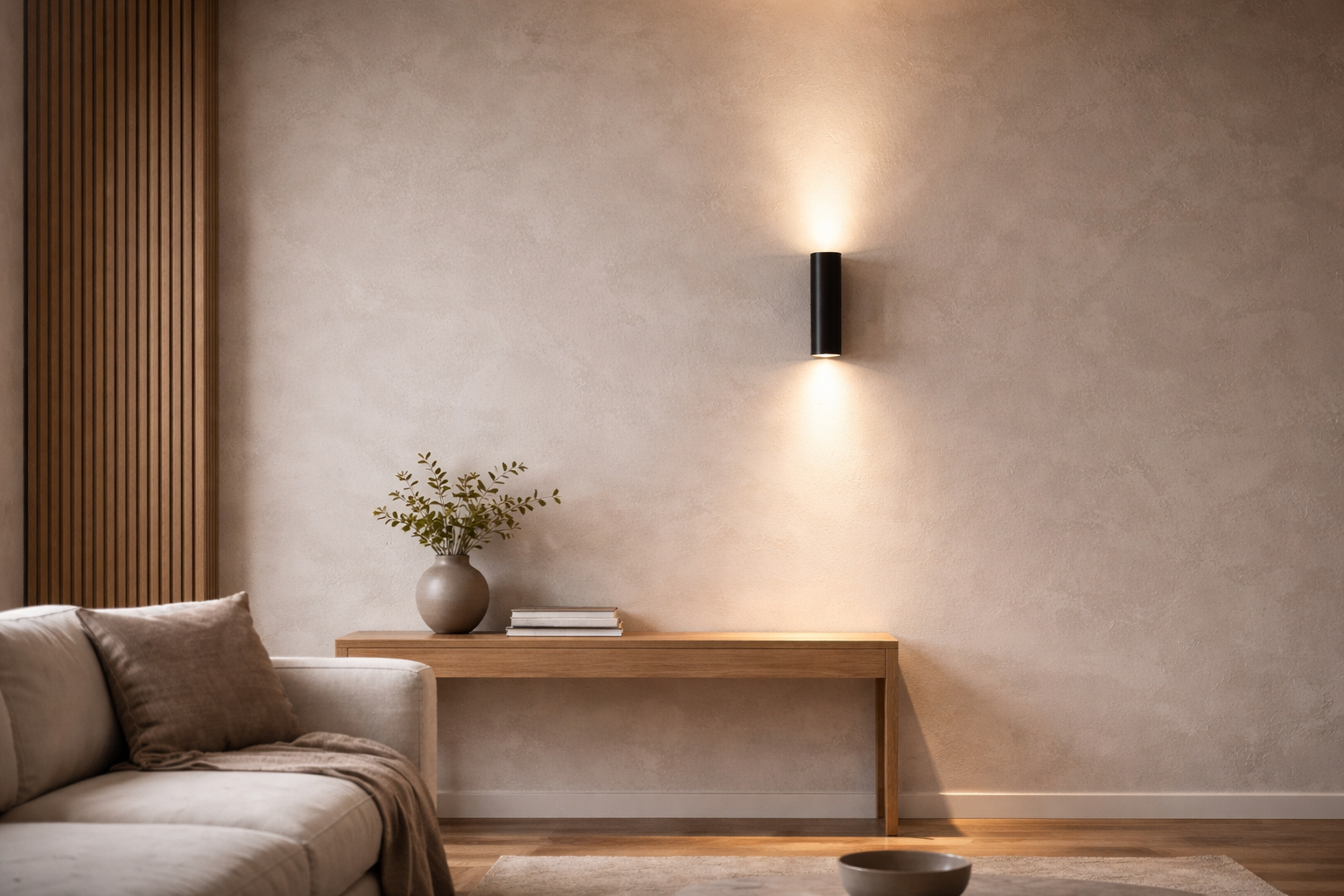
How Wall Lights Shape Space and Atmosphere Wall lights offer a refined way to shape how a space feels by introducing vertical illumination. Unlike ceiling fixtures that light from above, wall-mounted lighting spreads light across surfaces, softening shadows and improving visual balance. Used effectively, wall lights can enhance atmosphere, highlight architectural features, and support a …
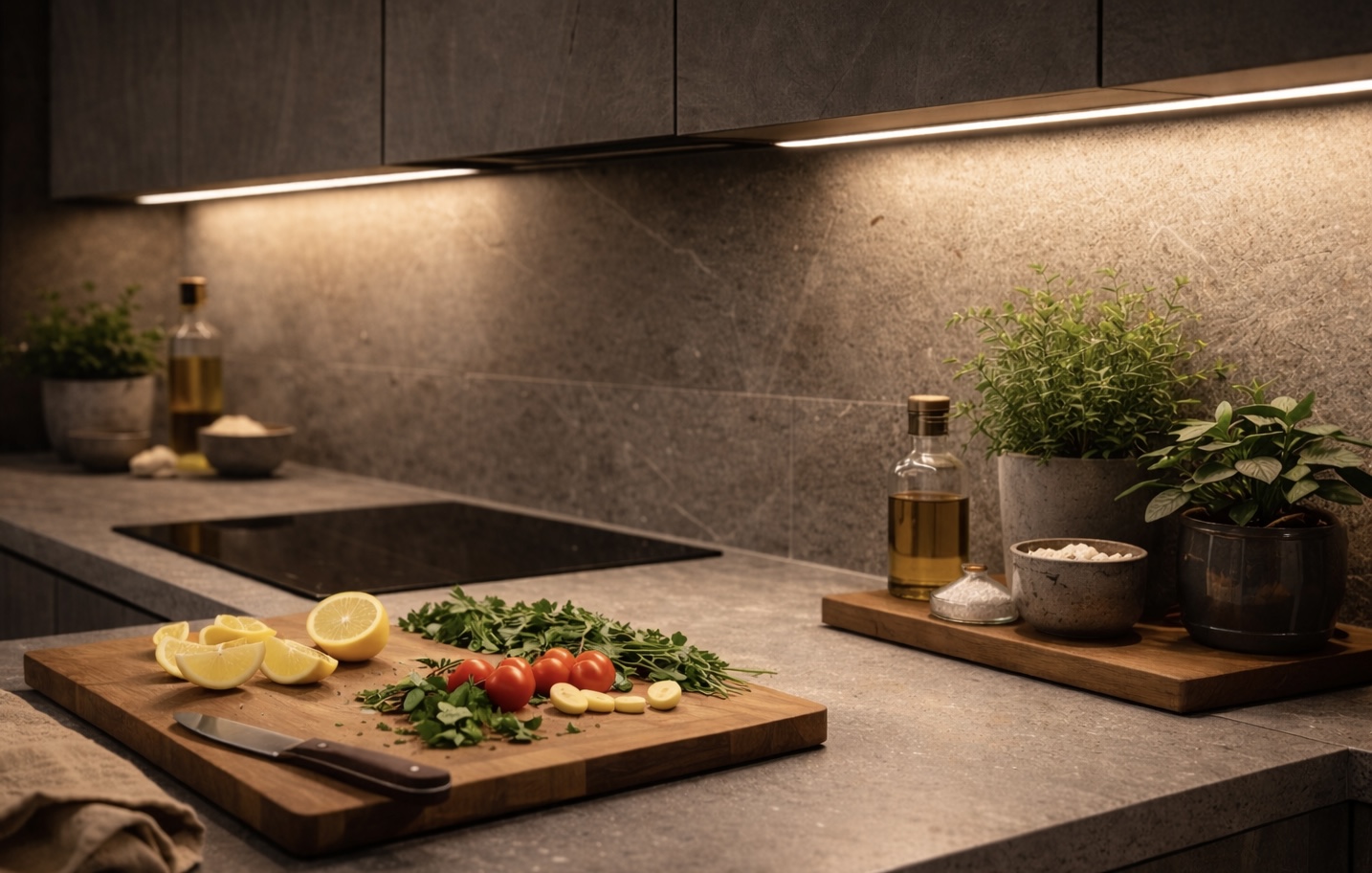
Focused Task Lighting Without Harsh Shadows Under-cabinet lighting is one of the simplest ways to improve visibility in kitchens and workspaces without introducing harsh overhead glare. By placing light exactly where it is needed, it enhances both functionality and atmosphere while maintaining a clean, uncluttered look. Whether used for food preparation or everyday tasks, this …
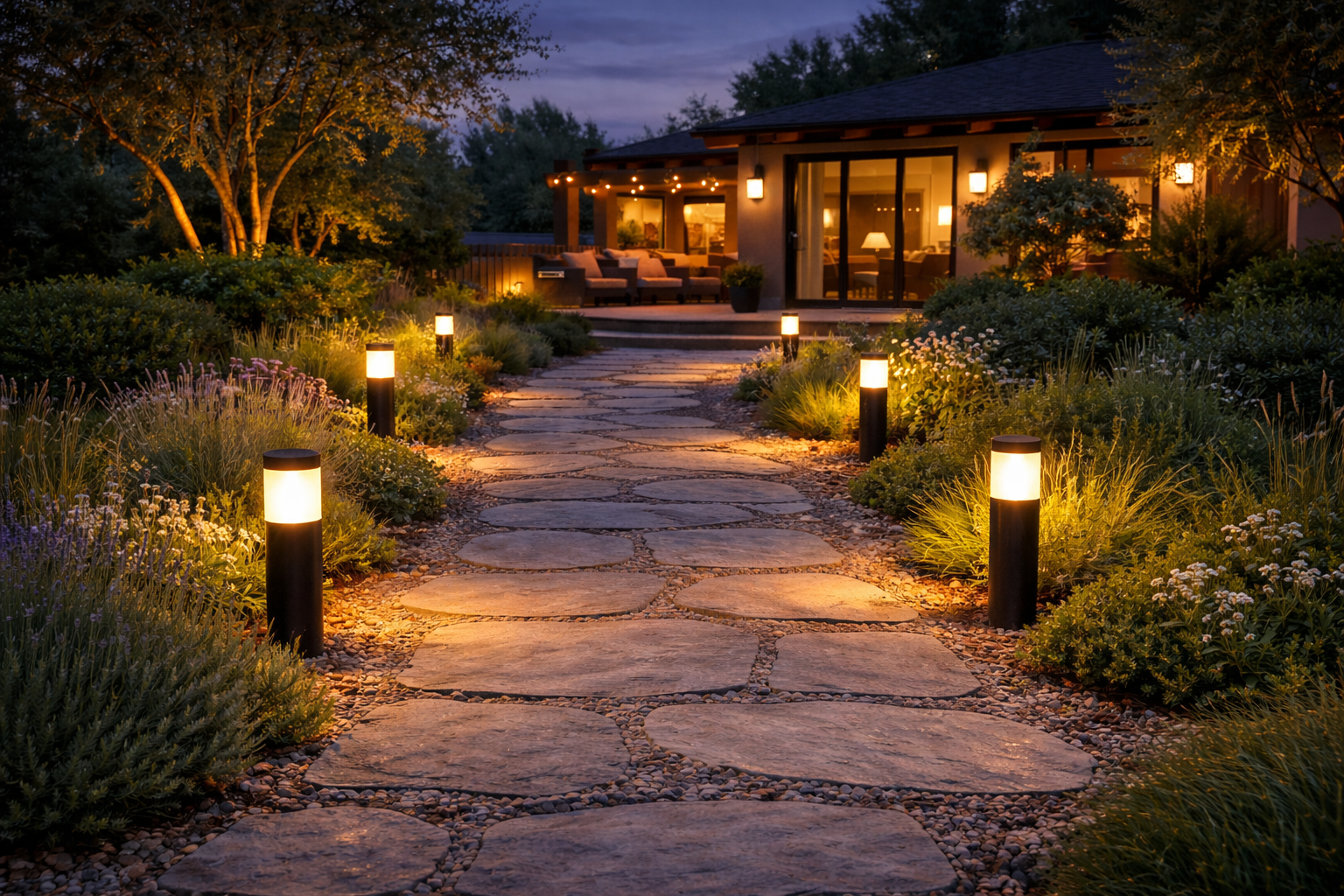
Why Post Lighting Matters in Outdoor Spaces Post lighting is designed to illuminate outdoor spaces while helping people move safely through gardens, pathways, and open areas after dark. By placing lights along walkways, driveways, and landscape features, post lighting improves visibility and creates a welcoming outdoor environment. Often used in gardens, patios, and landscaped areas, …

Why Table Lamps Matter in Interior Lighting Table lamps provide focused, localised illumination that complements broader room lighting. Unlike ceiling or wall fixtures, they operate at eye level and influence both atmosphere and functionality. When chosen carefully, a table lamp can provide task lighting for reading, ambient glow for relaxation, and visual balance within a …
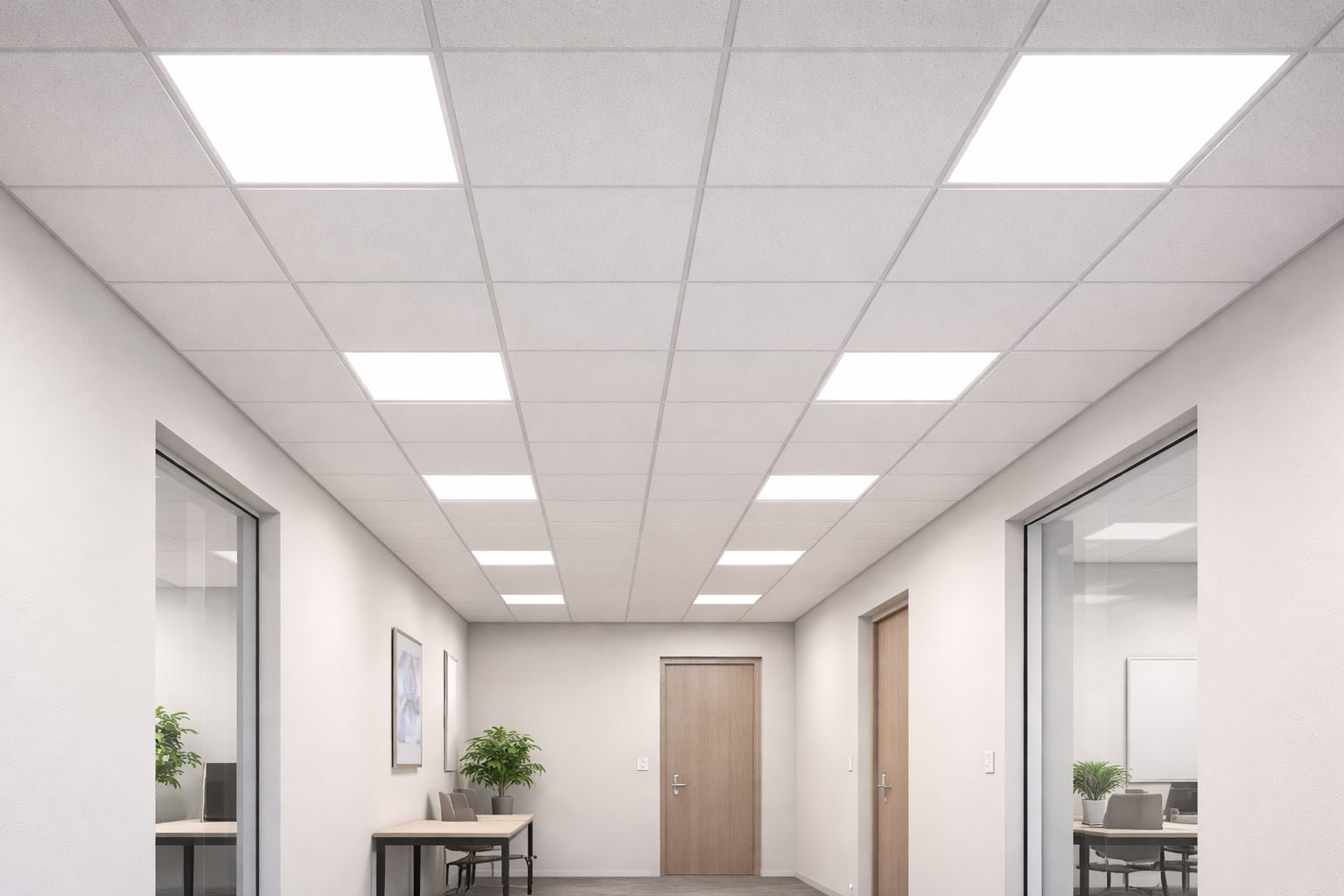
Why Panel and Grid Lighting Are Widely Used Panel and grid lighting systems are designed to deliver wide, uniform illumination across functional interior spaces. These fixtures are commonly installed within suspended ceilings and provide consistent brightness with minimal glare. Because the light source spreads evenly across a large surface area, panel lighting helps reduce harsh …
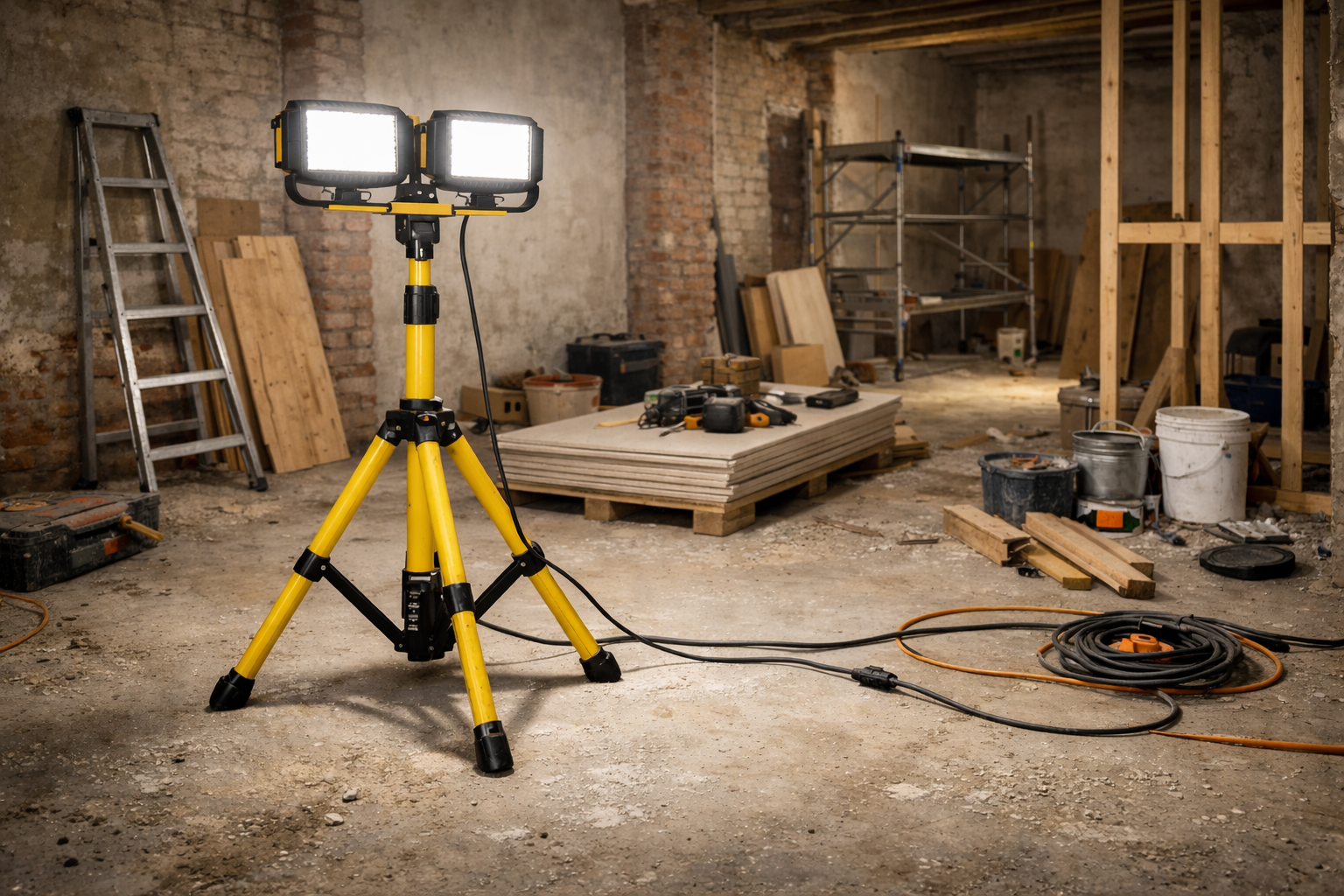
Why Work and Site Lighting Demands Precision Work and site environments require lighting that prioritises safety, clarity, and reliability. Unlike decorative or residential applications, these spaces demand high visibility, robust construction, and controlled output to support productivity and reduce risk. Whether illuminating construction zones, workshops, outdoor sites, or temporary work areas, lighting must perform consistently …
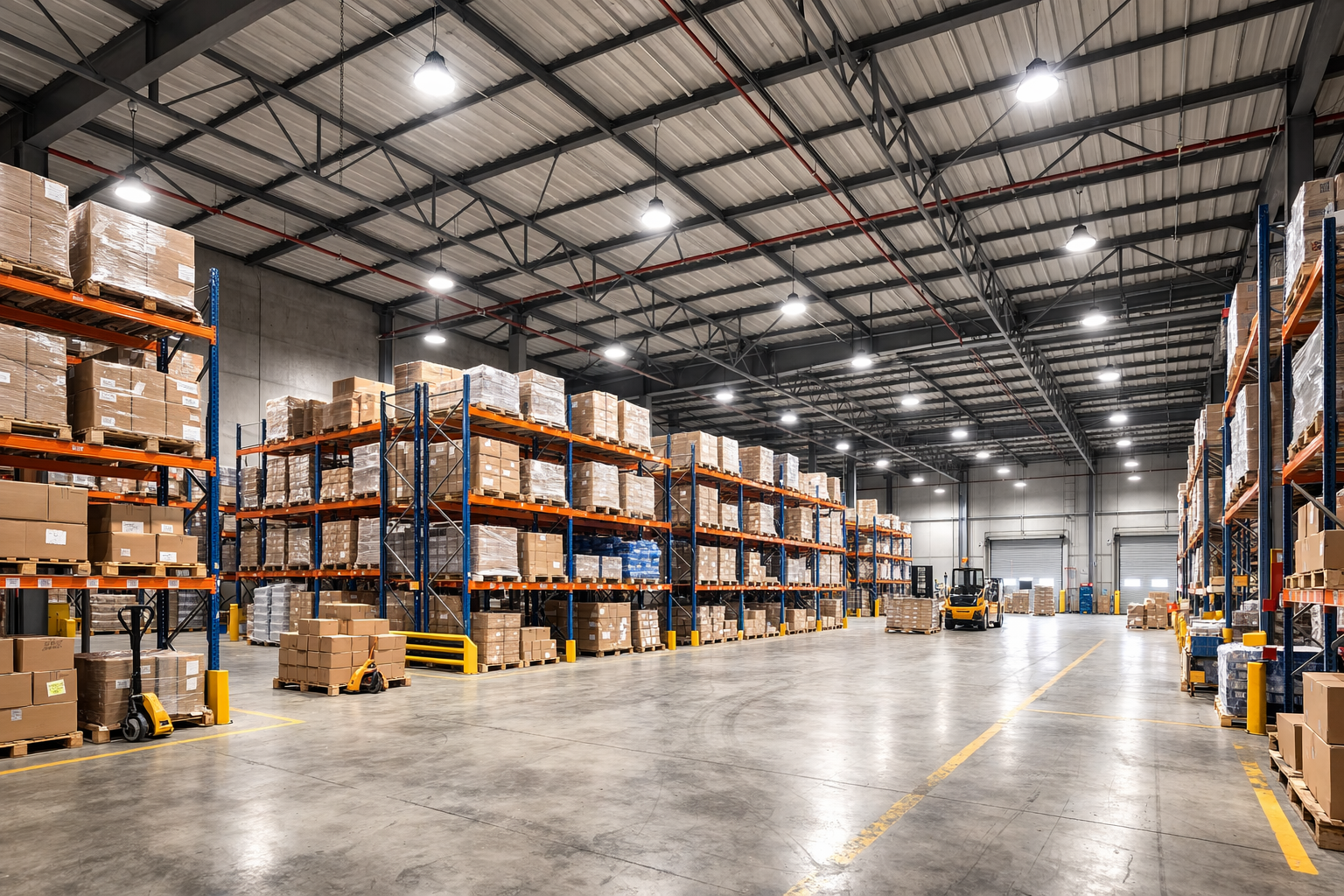
Why Ceiling Height Changes Everything Lighting performance in commercial spaces is fundamentally influenced by mounting height. In industrial, retail, and large open environments, specifying high bay or low bay lighting is not a stylistic decision — it is a technical one. Beam angle, lumen output, glare control, and fixture design must all respond directly to …
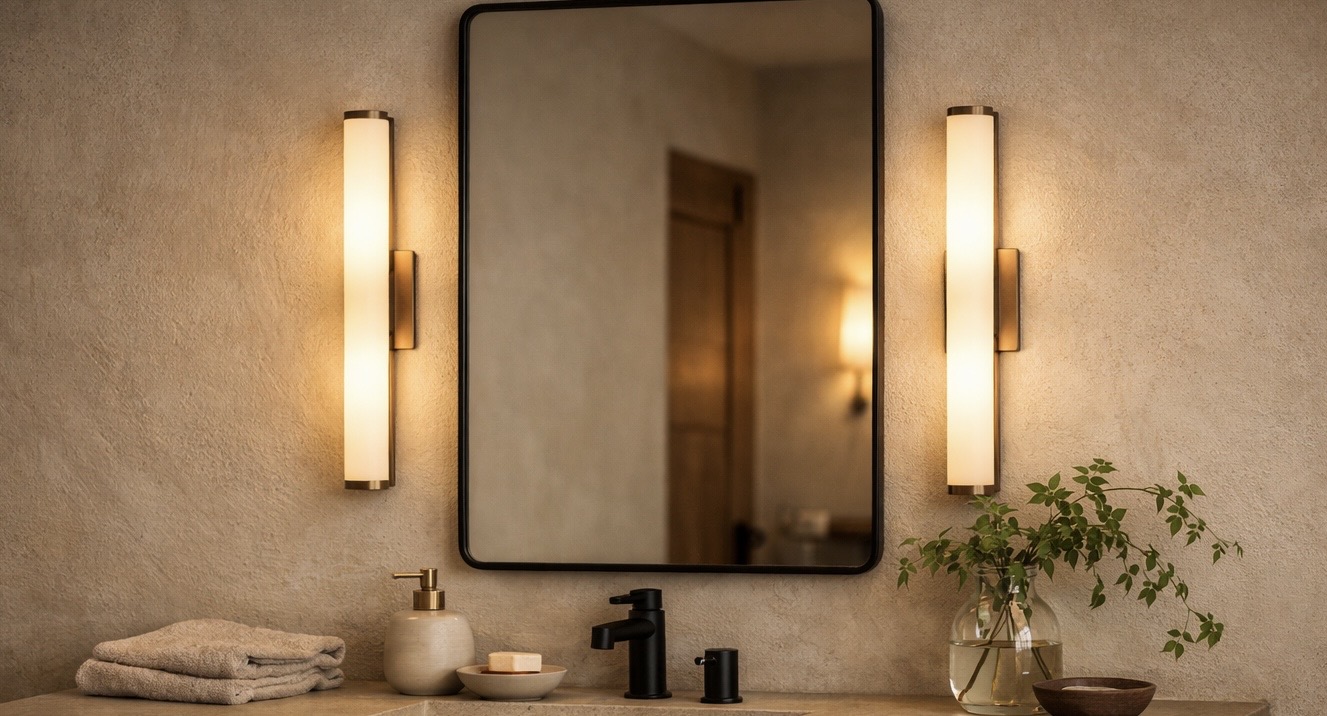
Why Mirror Lighting Is About Direction, Not Brightness Mirror and vanity lighting is one of the most misunderstood areas of interior lighting. Many bathrooms rely on ceiling downlights alone, which often create harsh shadows beneath the eyes and jawline. Even bright bathrooms can feel visually unbalanced when light direction is incorrect. Well-designed mirror lighting prioritises …