
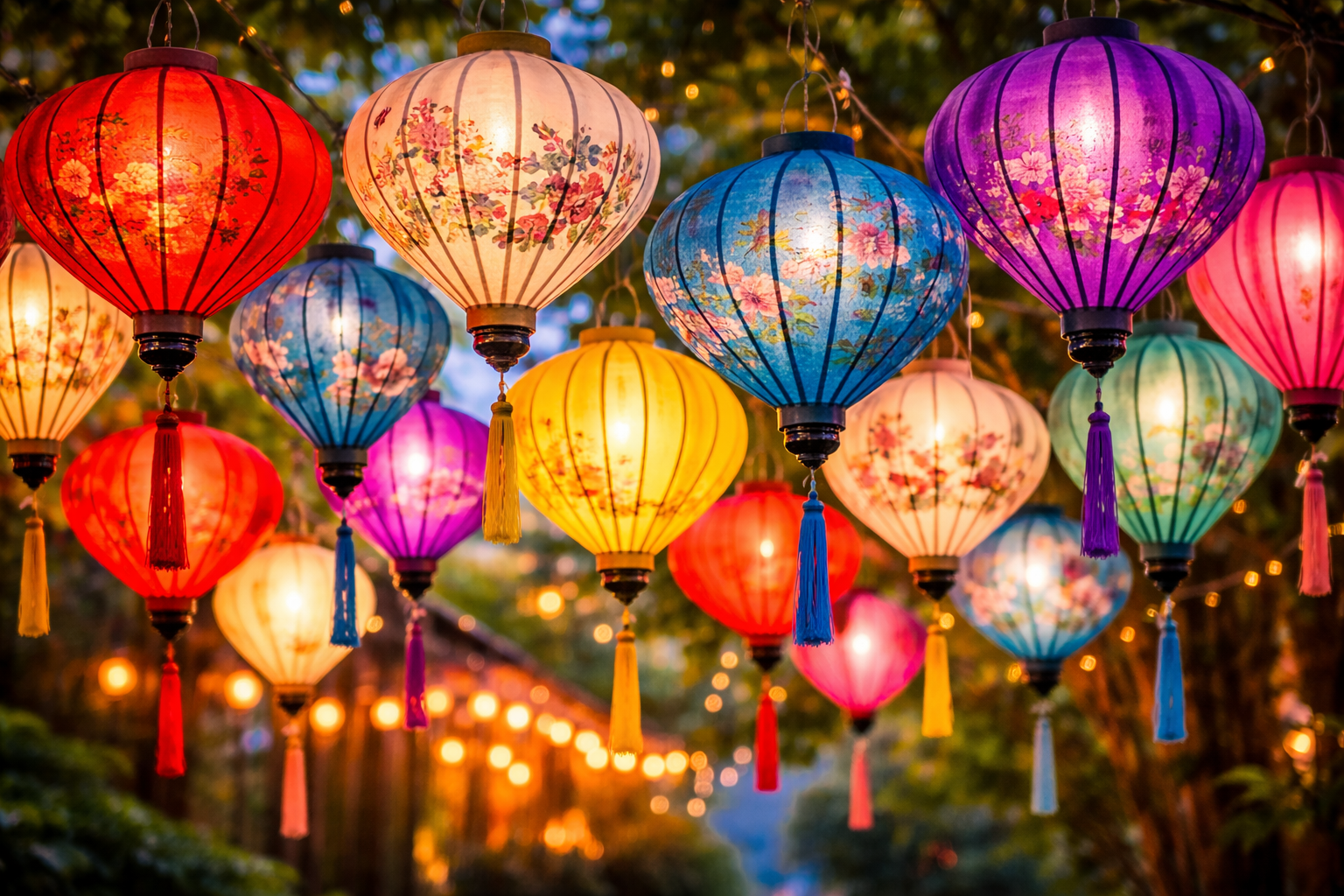
Light as Memory. In Vietnam, light has always carried meaning. Long before lanterns became symbols of tourism or festival décor, they marked time, guided travellers, and signalled belonging. To hang a lantern was to announce presence. To light one was to invite protection, fortune, and continuity. Nowhere is this more visible than in Hội An. …
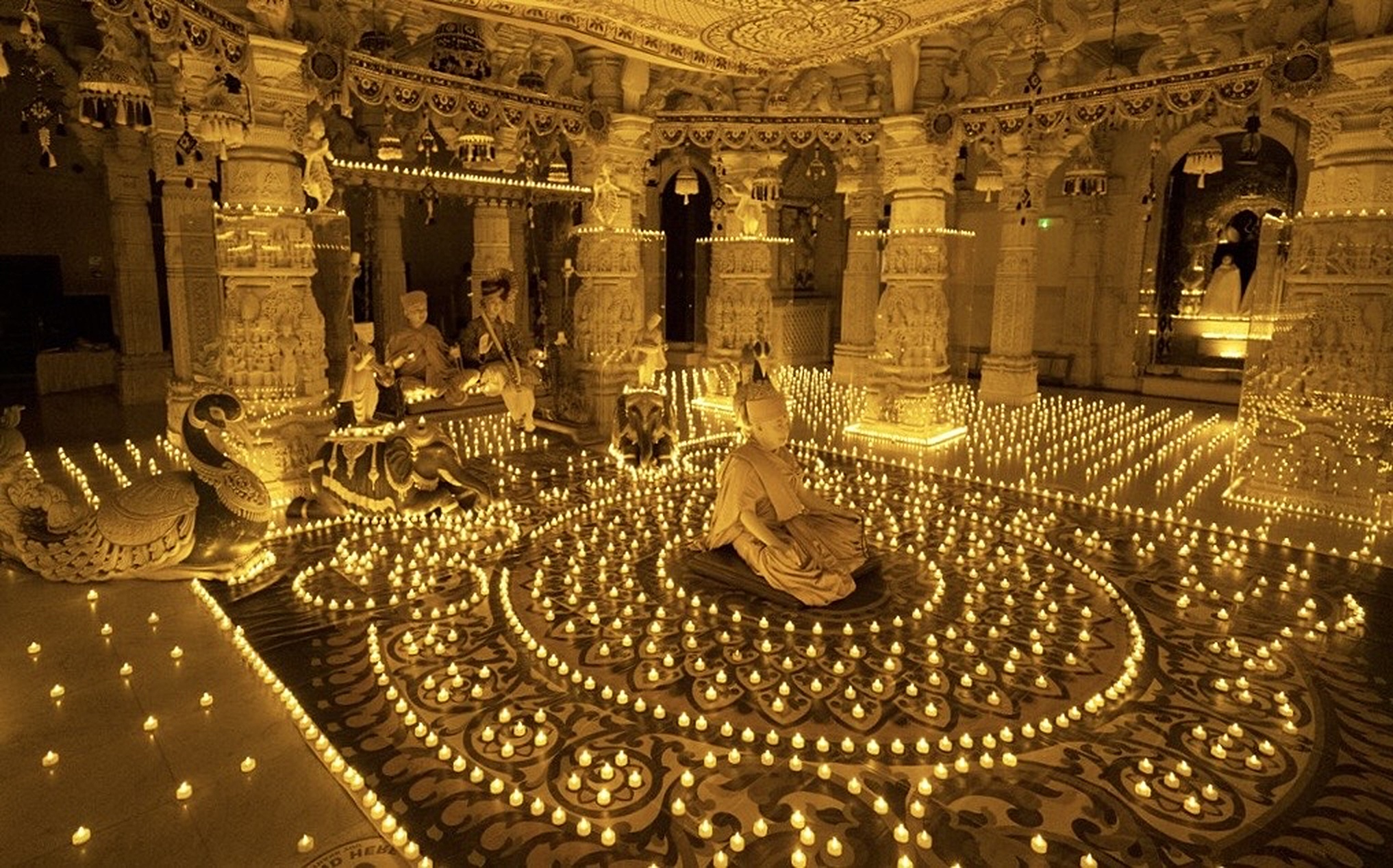
Where Light Becomes Presence. In Hindu temples, light is never incidental. It is not simply a way to see – it is a way to encounter. Flame, shadow, and glow shape how the sacred is perceived, guiding the body and the mind toward reverence. Unlike modern interiors, which aim for even illumination, temples are designed …
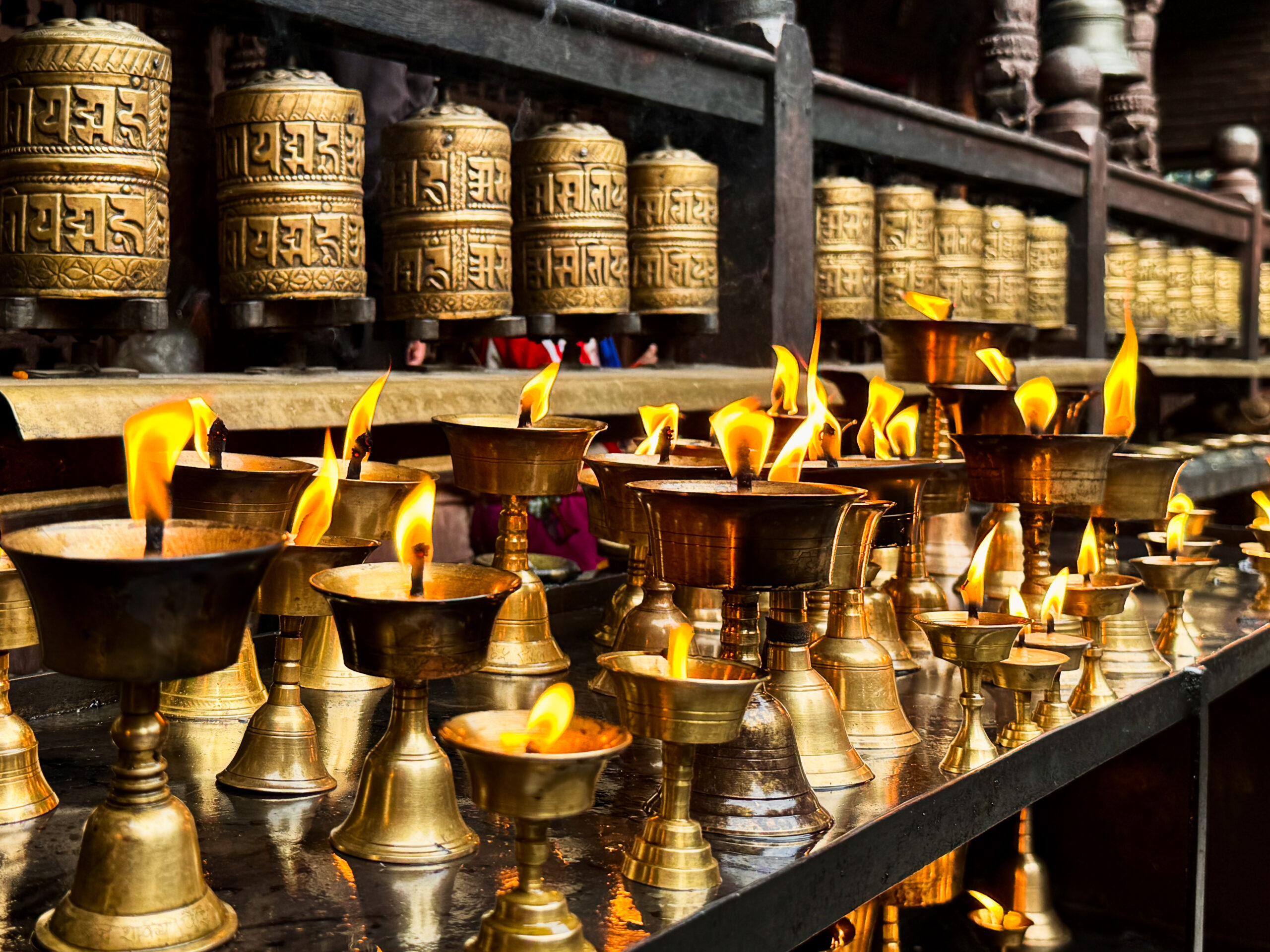
Light as Offering, Light as Impermanence. Long before light became a matter of switches and sockets, it was something carried, tended and offered. In Buddhist tradition, light is more than illumination. It symbolises clarity, wisdom, compassion and the impermanent nature of existence. Butter lamps, found in temples, monasteries and homes across Tibet, Nepal, Bhutan and …
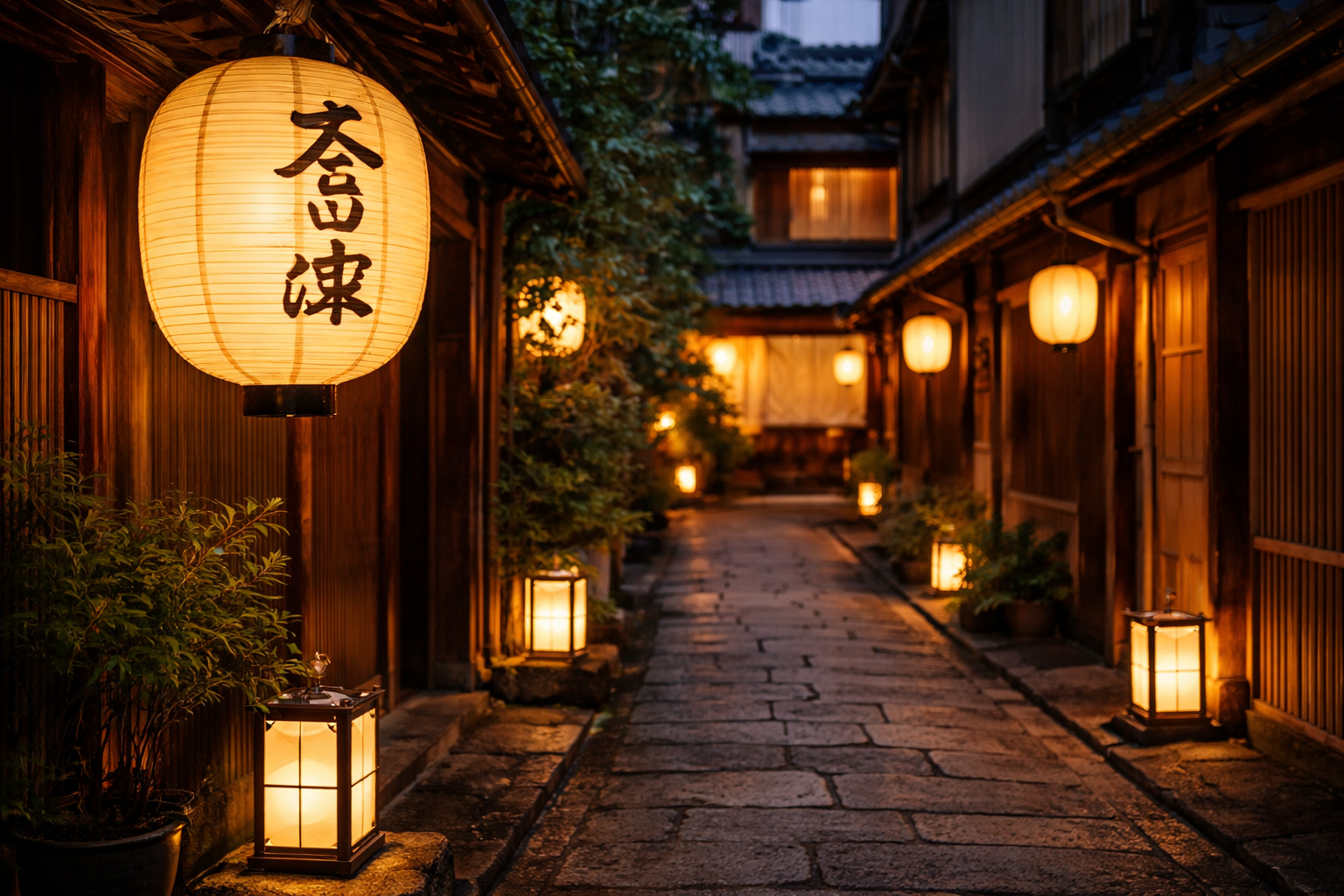
Soft Light, Ancient Craft, and the Art of Illumination. Soft, warm, and gently diffused, Japanese paper lanterns are among the most recognisable lighting forms in the world. Whether glowing above a festival street, hanging outside a tea house, or resting quietly in a modern interior, they embody a unique balance of beauty, restraint, and purpose. …

The Cultural Significance and Timeless Appeal of Turkish & Moroccan Lamps. The craft of making Turkish and Moroccan lamps is a tale woven with centuries of tradition, artistry, and cultural richness. While these two styles share some common elements, their distinct origins and design approaches give each a unique identity. Today, both continue to enchant …