
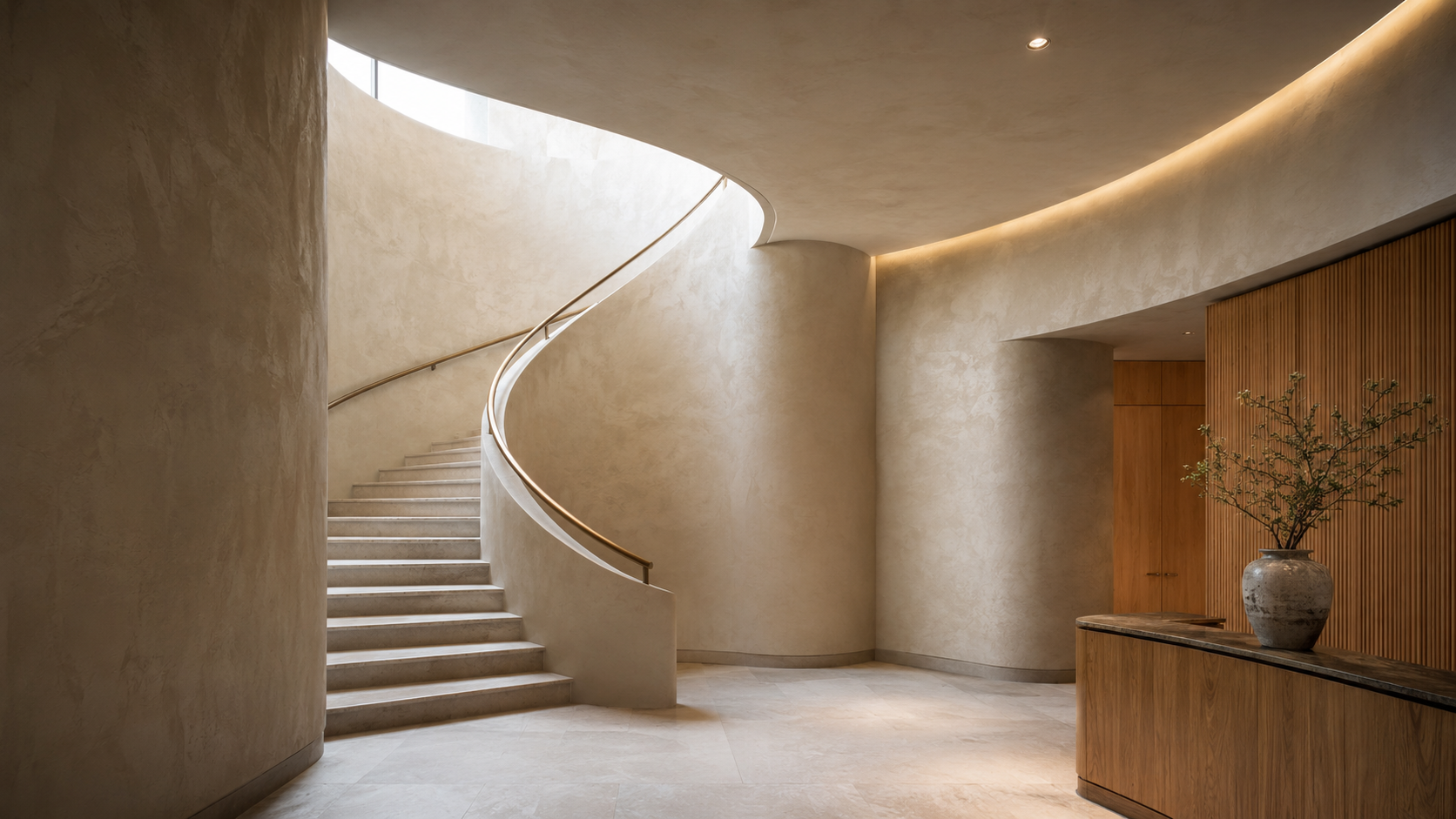
Lighting plaster and textured walls requires a careful balance. The right light can reveal subtle trowel marks, tonal variation and hand-applied craftsmanship, while poor positioning can expose waves, repairs, sanding marks and unwanted reflections. Smooth gypsum plaster generally benefits from broad, even illumination. Lime plaster, polished finishes, rough render and sculptural reliefs respond differently because …
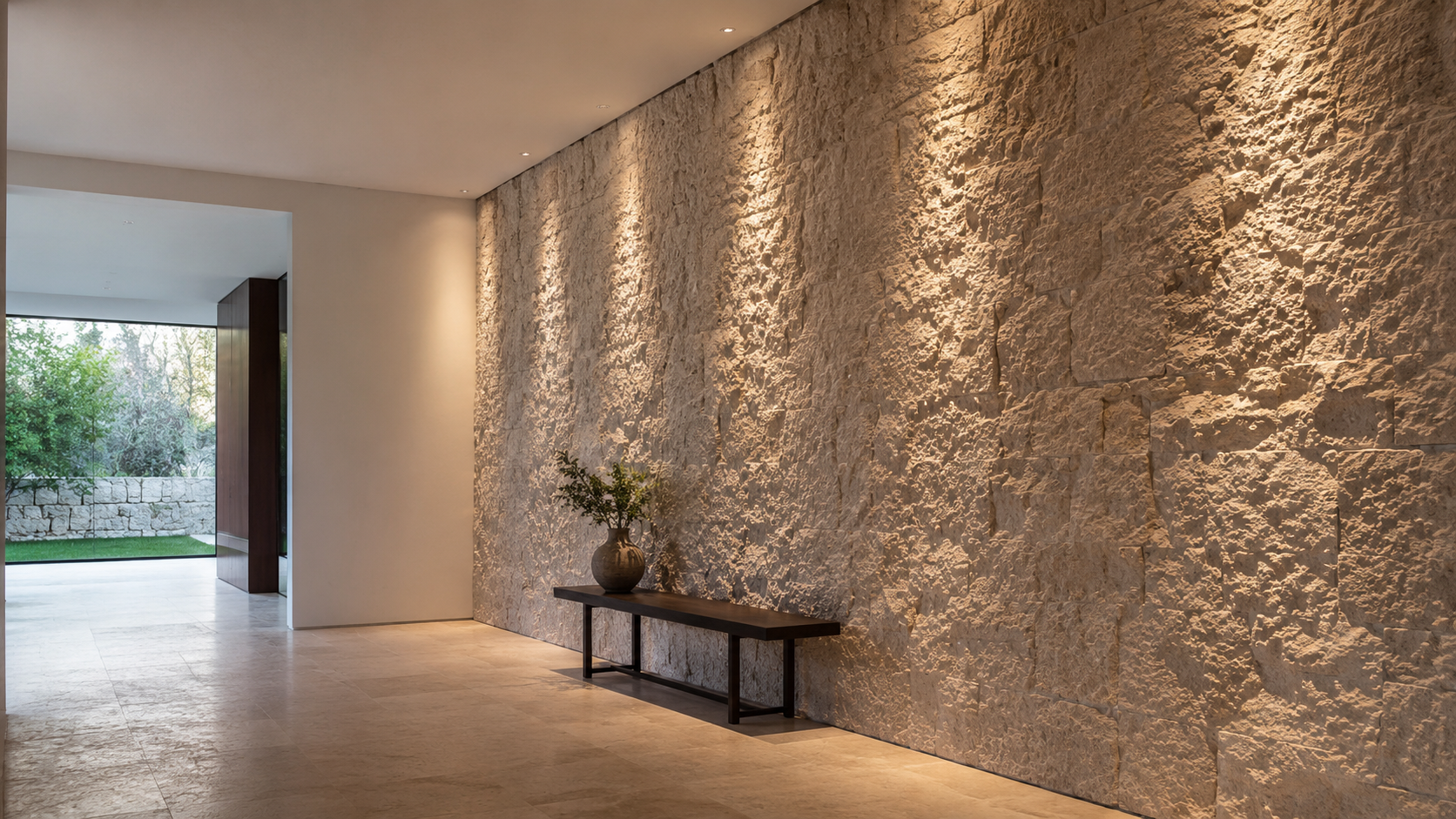
Wall grazing is an architectural lighting technique that positions light close to a surface so it travels across the material at a shallow angle. This creates small highlights and shadows that reveal texture, depth and craftsmanship more strongly than broad frontal illumination. The technique works particularly well with rough stone, brick, textured plaster, concrete, timber …
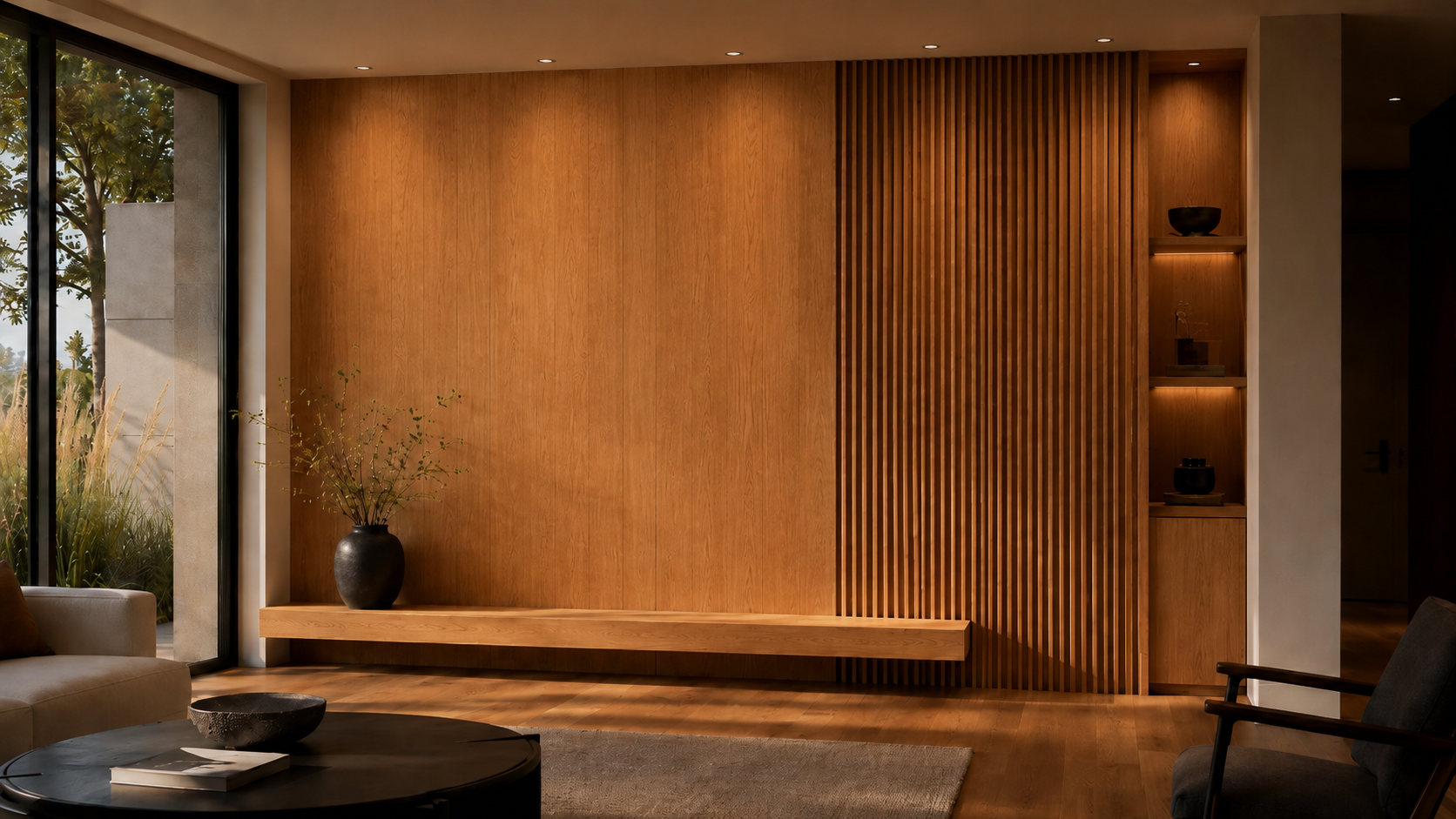
Lighting timber and wood finishes is about revealing grain, colour and craftsmanship without making the material appear flat, overly yellow or unnecessarily dramatic. The direction of the light is especially important because timber has a natural visual grain that responds differently when illuminated from above, across the surface or directly from the front. Smooth oak …
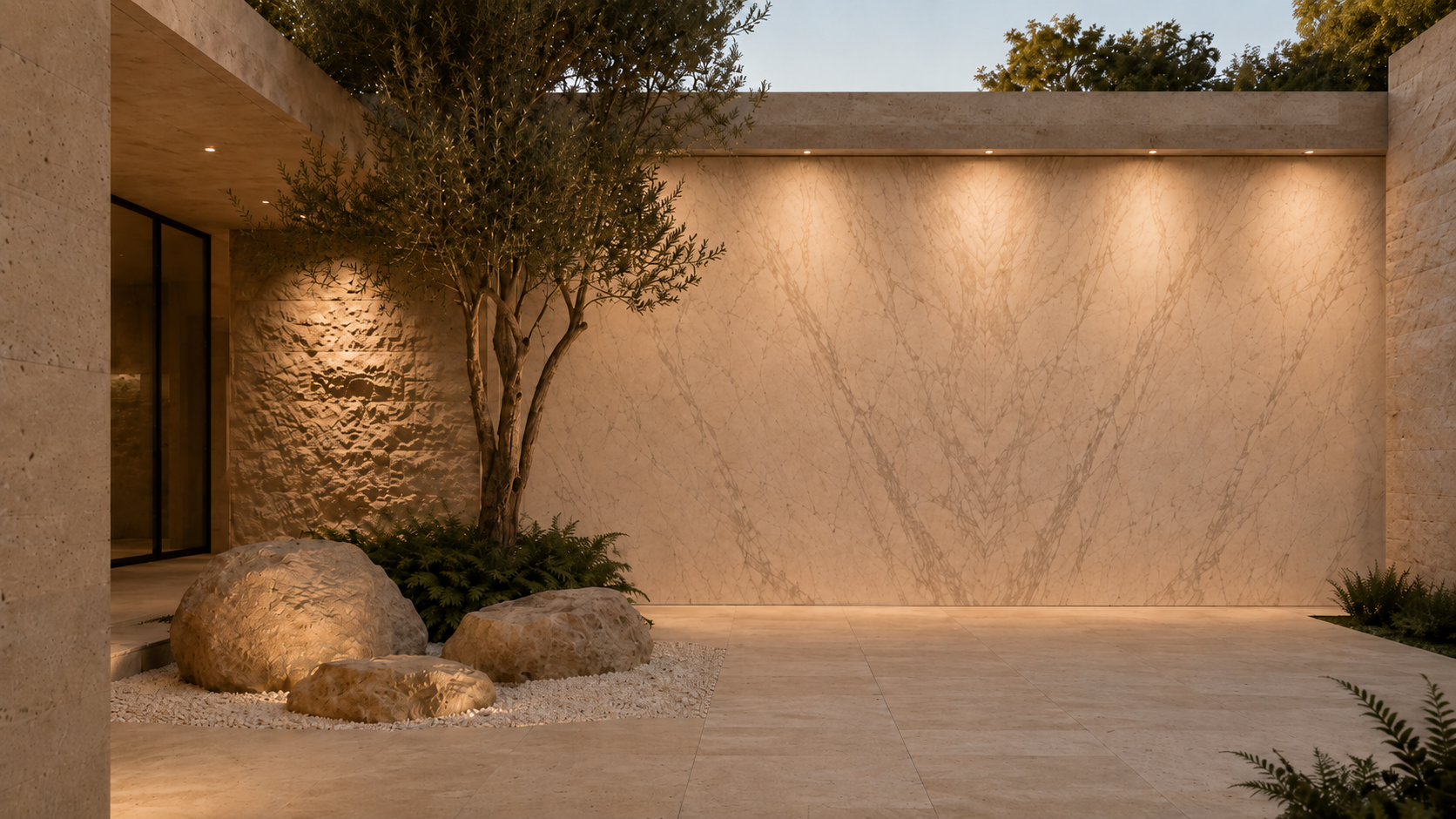
Lighting natural stone is about far more than making a surface brighter. Whether you’re illuminating limestone, marble, granite, slate or travertine, the way light interacts with the stone determines how its texture, colour, veining and natural character are perceived. A thoughtfully designed lighting scheme reveals the unique qualities of the material, while poor lighting can …
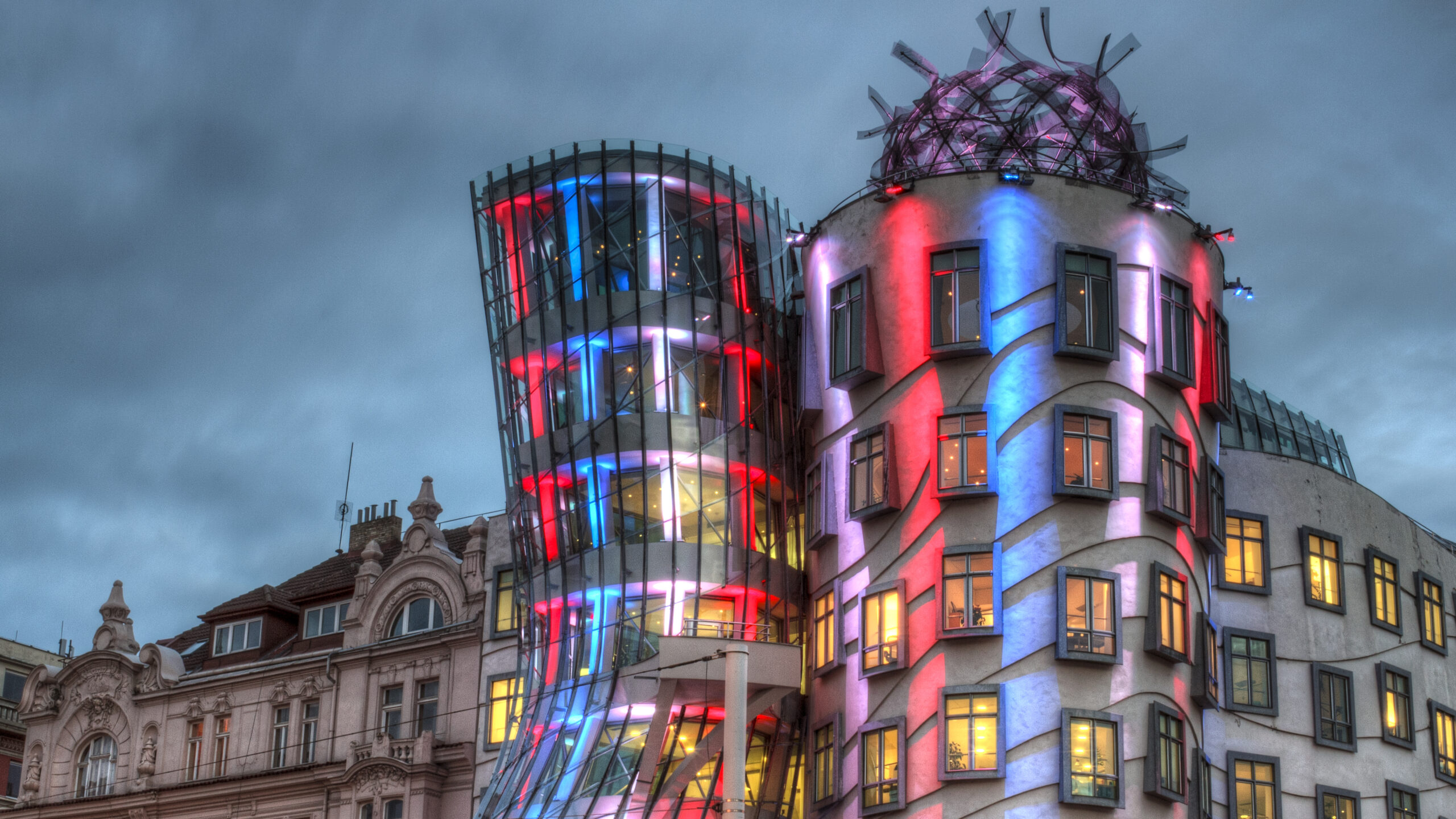
An Icon in Motion On the banks of the Vltava River in Prague stands one of the city’s most distinctive modern landmarks: the Dancing House. Completed in 1996 and designed by Frank Gehry and Vlado Milunić, the building represents a shift towards contemporary architecture in a city long defined by its historic skyline. Often nicknamed …
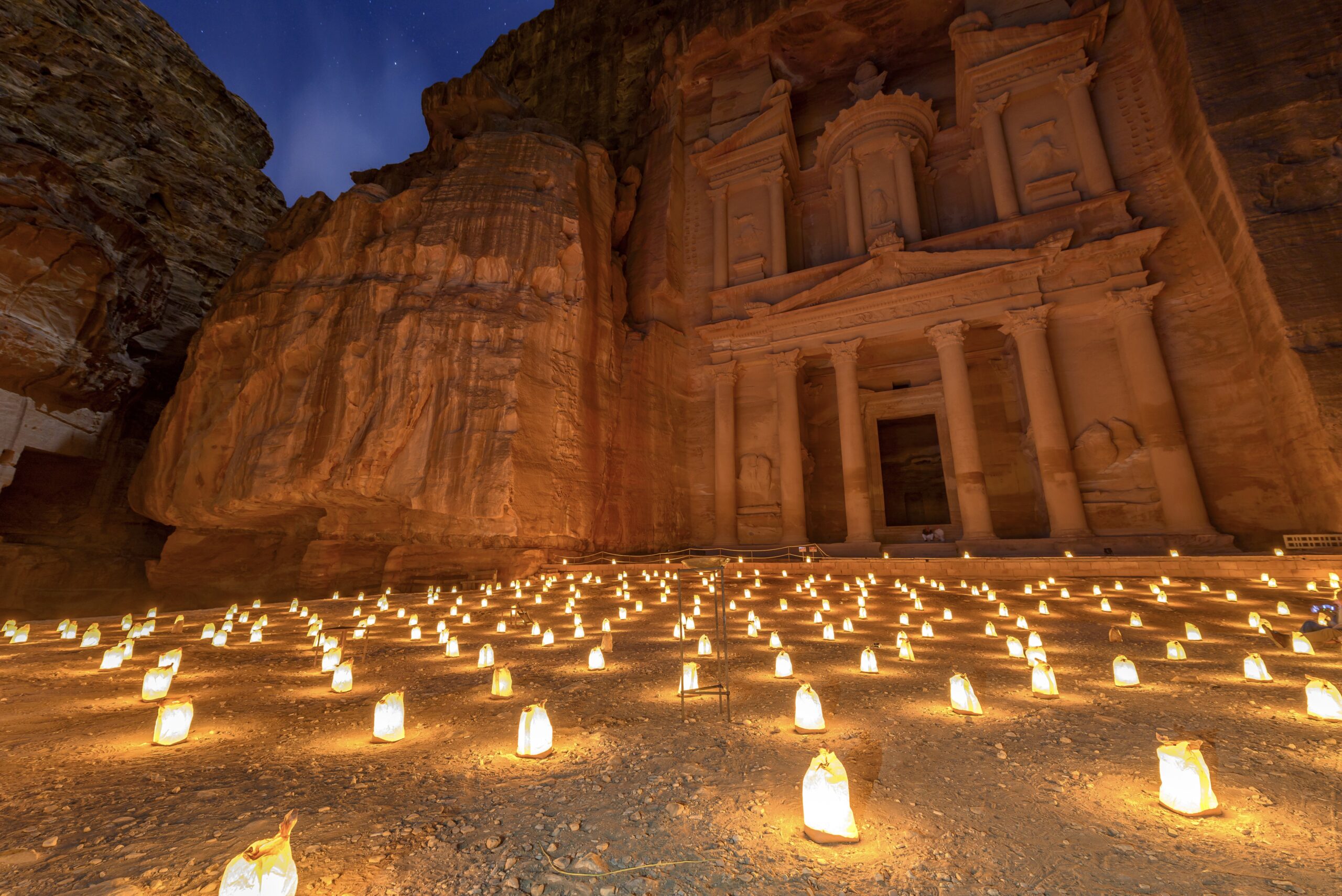
A Monument Carved From Stone Hidden deep within the desert canyons of southern Jordan lies one of the most extraordinary architectural achievements of the ancient world: Al-Khazneh, known today as The Treasury of Petra. Carved directly into rose-red sandstone over 2,000 years ago by the Nabataeans, this monumental façade was not built from blocks or …

The Architectural Significance and Lighting Design of the London Eye The London Eye, also known as the Millennium Wheel, is one of the most iconic structures in London. Standing on the South Bank of the River Thames, it offers breathtaking views of the city and has become a symbol of modern London. This essay explores …

The Story and Illumination of the Sydney Opera House The Sydney Opera House, an architectural masterpiece and a symbol of Australia, stands majestically on Bennelong Point in Sydney Harbour. Known for its distinctive sail-like design and its pivotal role in the performing arts, the Opera House is also celebrated for its innovative and captivating lighting. …

The Architectural Significance and Lighting of the Louvre Pyramid The Louvre Pyramid in Paris is one of the most striking examples of modern architecture blended with historic settings. Situated in the courtyard of the Louvre Museum, this glass and metal pyramid serves as the main entrance to the museum and has become an iconic symbol …