
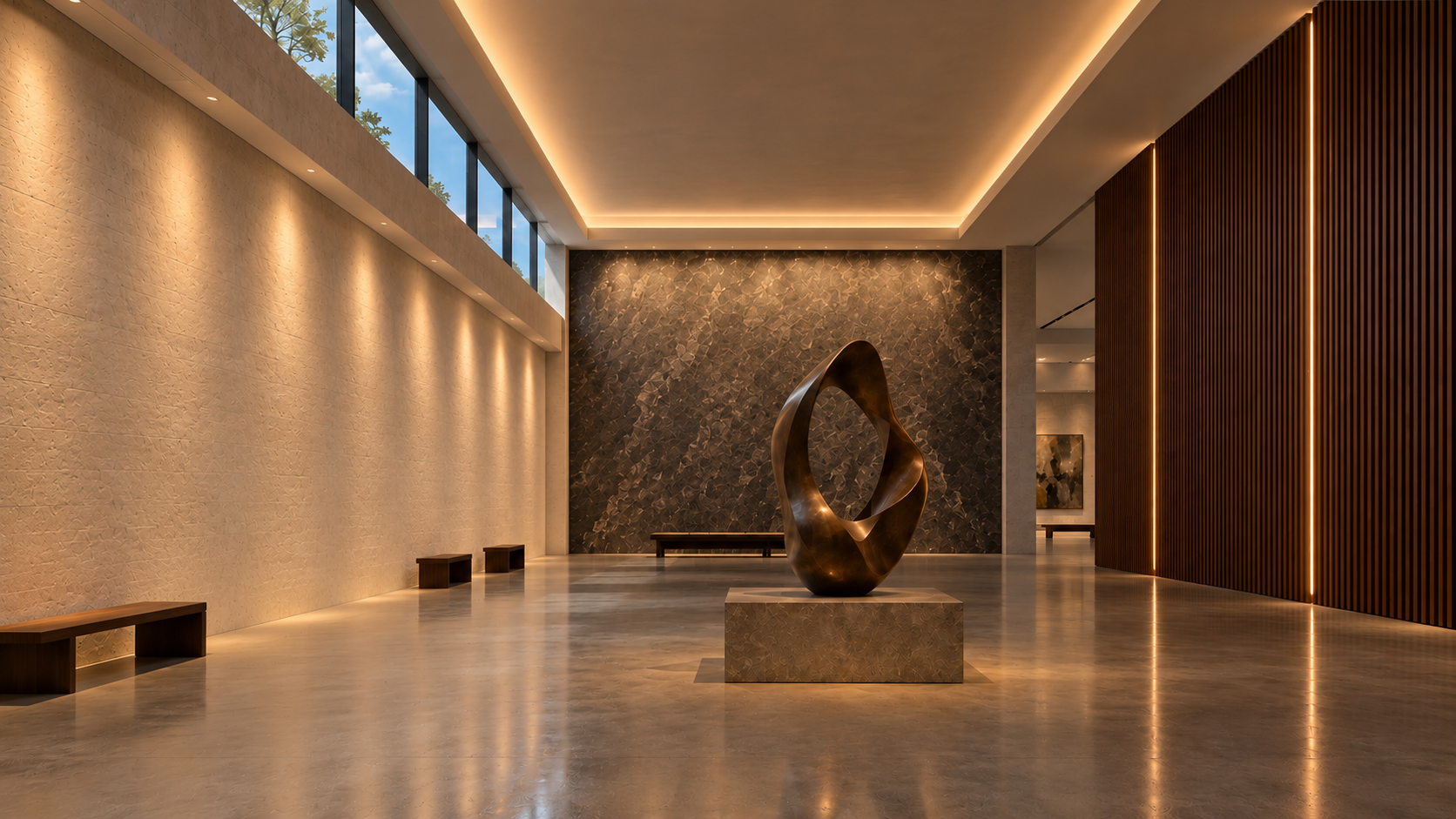
Lighting shapes interior space by influencing how we perceive width, height, depth and proportion. Rather than simply making an interior brighter, thoughtfully planned lighting changes the way architecture is experienced. By controlling brightness, contrast and shadow, lighting designers can make spaces feel larger, taller and more inviting without altering the physical structure. Whether in a …
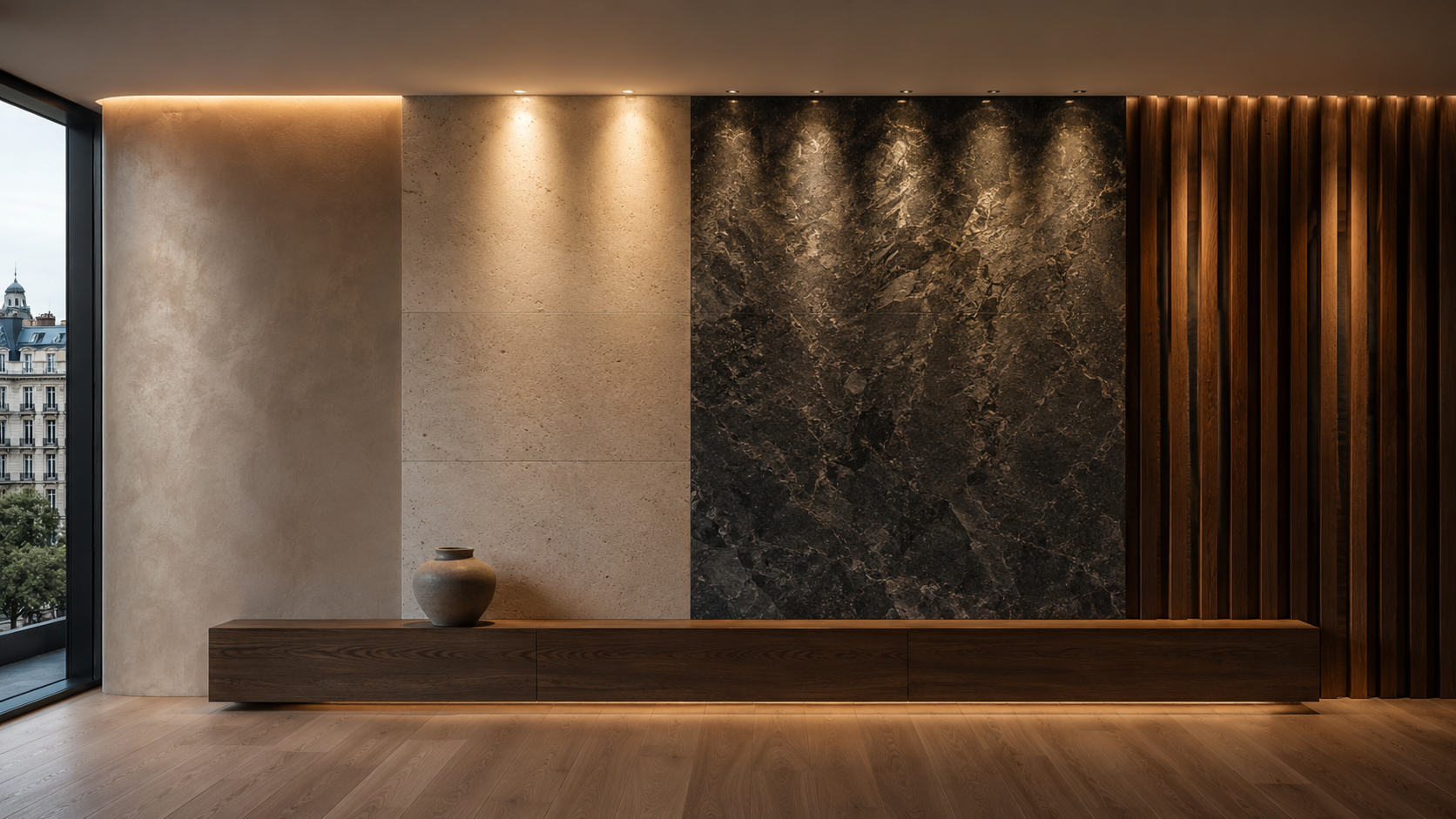
Lighting for texture and depth transforms flat surfaces into rich architectural features by revealing the natural character of materials through carefully controlled light and shadow. Rather than simply illuminating a room, thoughtful lighting creates contrast, emphasises form and allows stone, timber, plaster and brick to display their true visual qualities throughout the day and into …
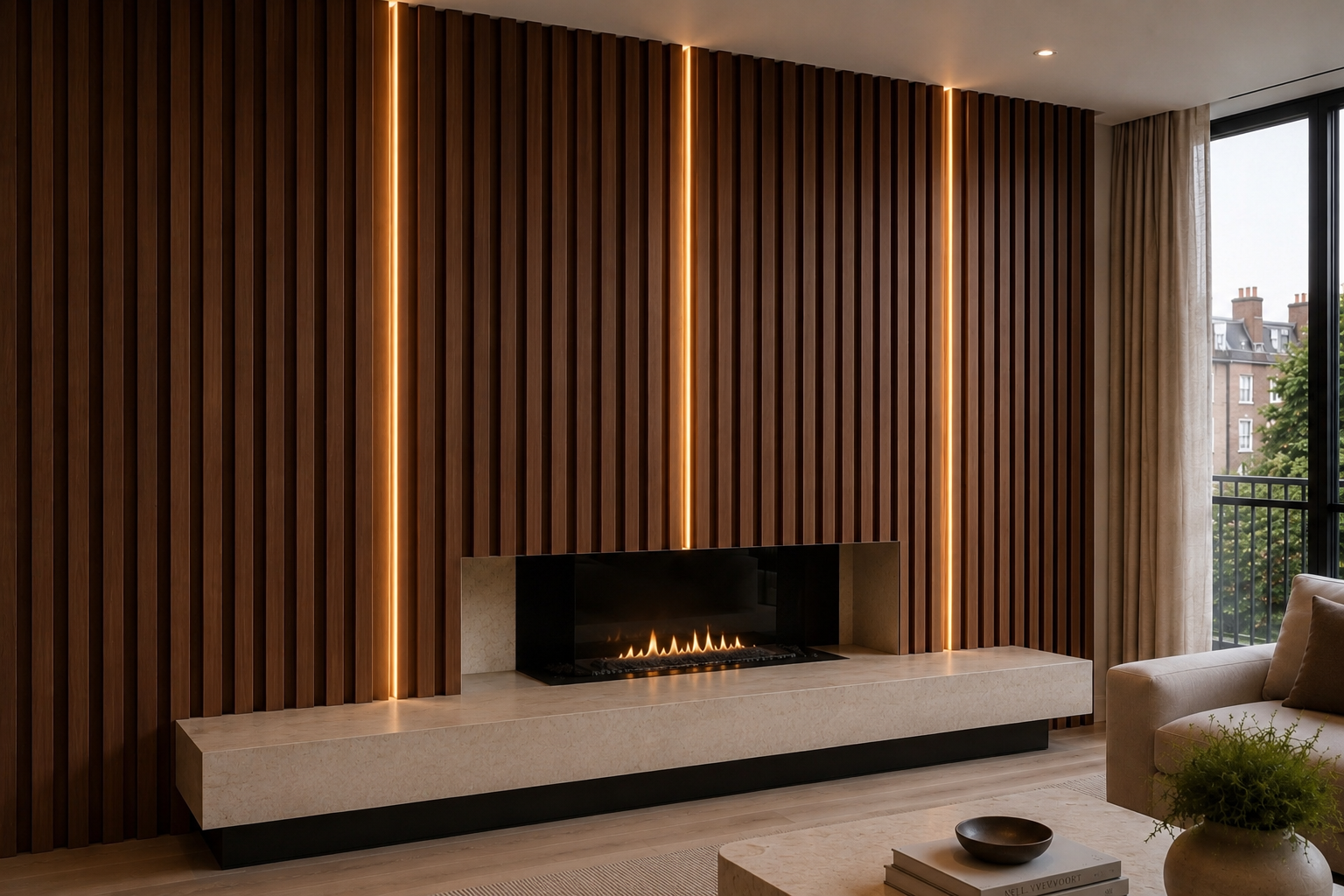
Feature wall lighting transforms ordinary surfaces into architectural focal points. Rather than relying on decoration alone, thoughtful lighting reveals texture, enhances natural materials and creates depth that changes throughout the day and evening. Whether illuminating timber panelling, natural stone, textured plaster or exposed brick, the right lighting technique allows a feature wall to become an …
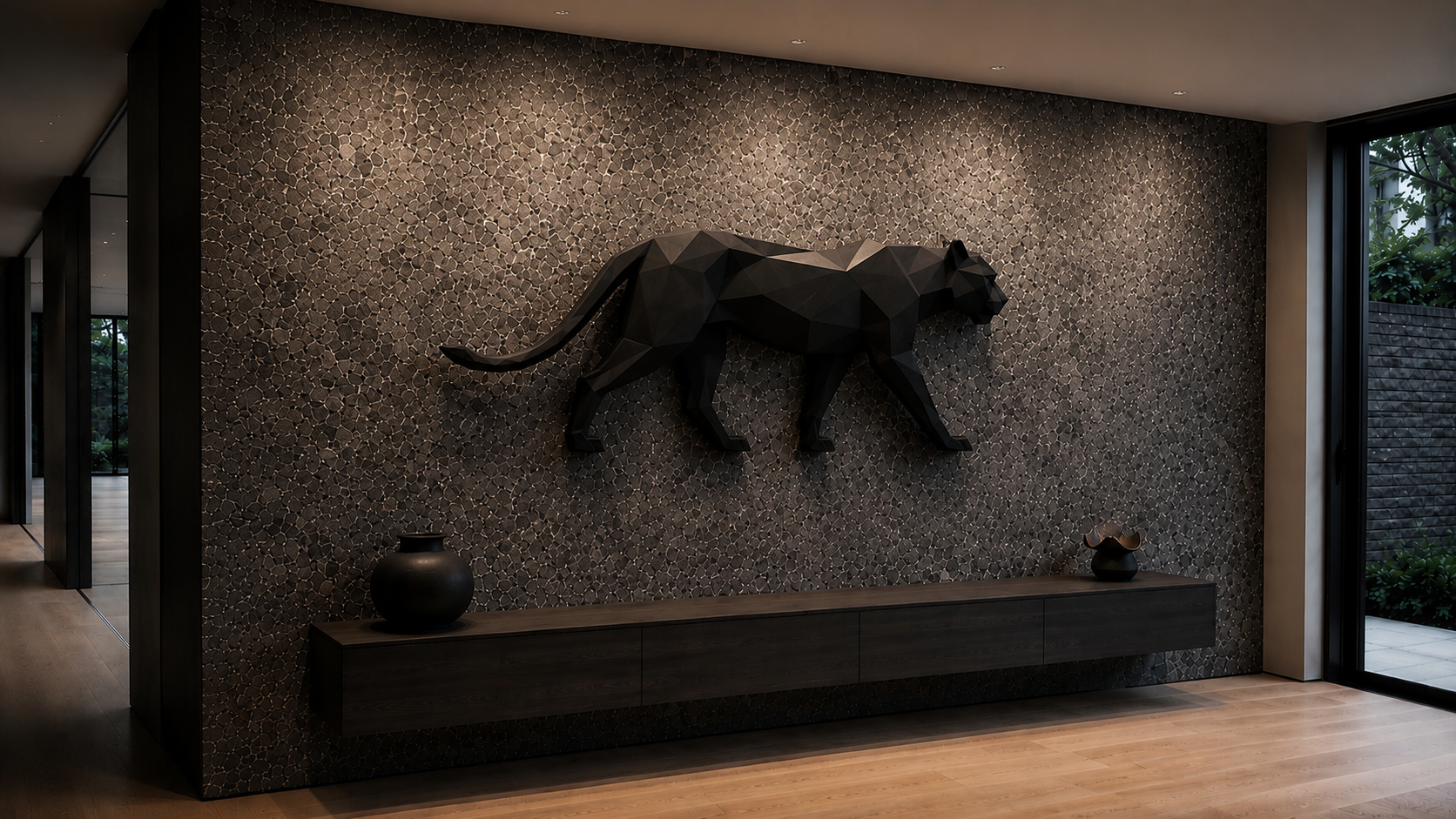
Wall washing is one of the most effective architectural lighting techniques for creating calm, elegant interiors. Rather than drawing attention to the light fitting itself, it uses carefully controlled light to evenly illuminate vertical surfaces, revealing the colour, texture and character of walls. The result is a space that feels brighter, larger and more welcoming …