
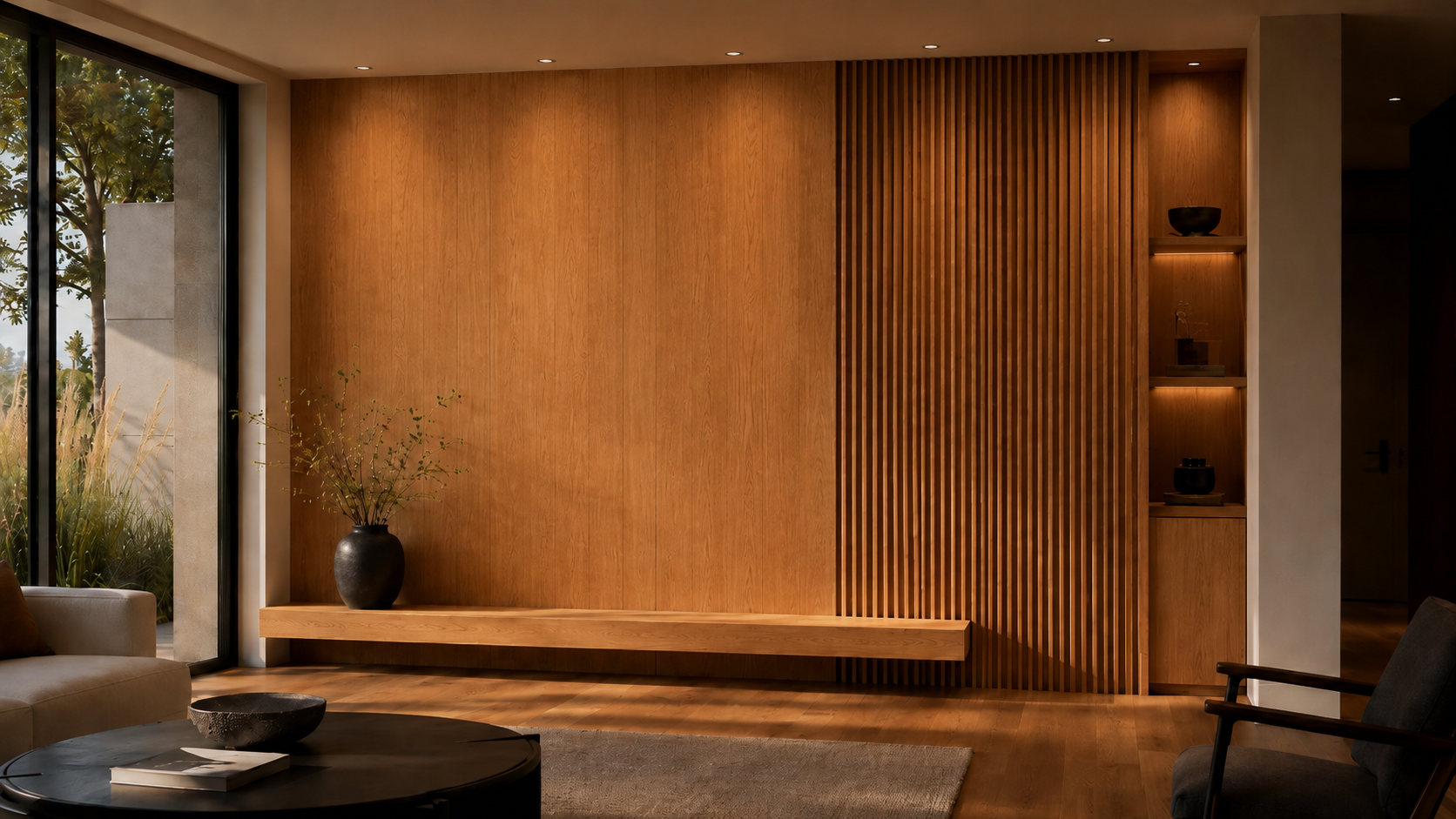
Lighting timber and wood finishes is about revealing grain, colour and craftsmanship without making the material appear flat, overly yellow or unnecessarily dramatic. The direction of the light is especially important because timber has a natural visual grain that responds differently when illuminated from above, across the surface or directly from the front. Smooth oak …
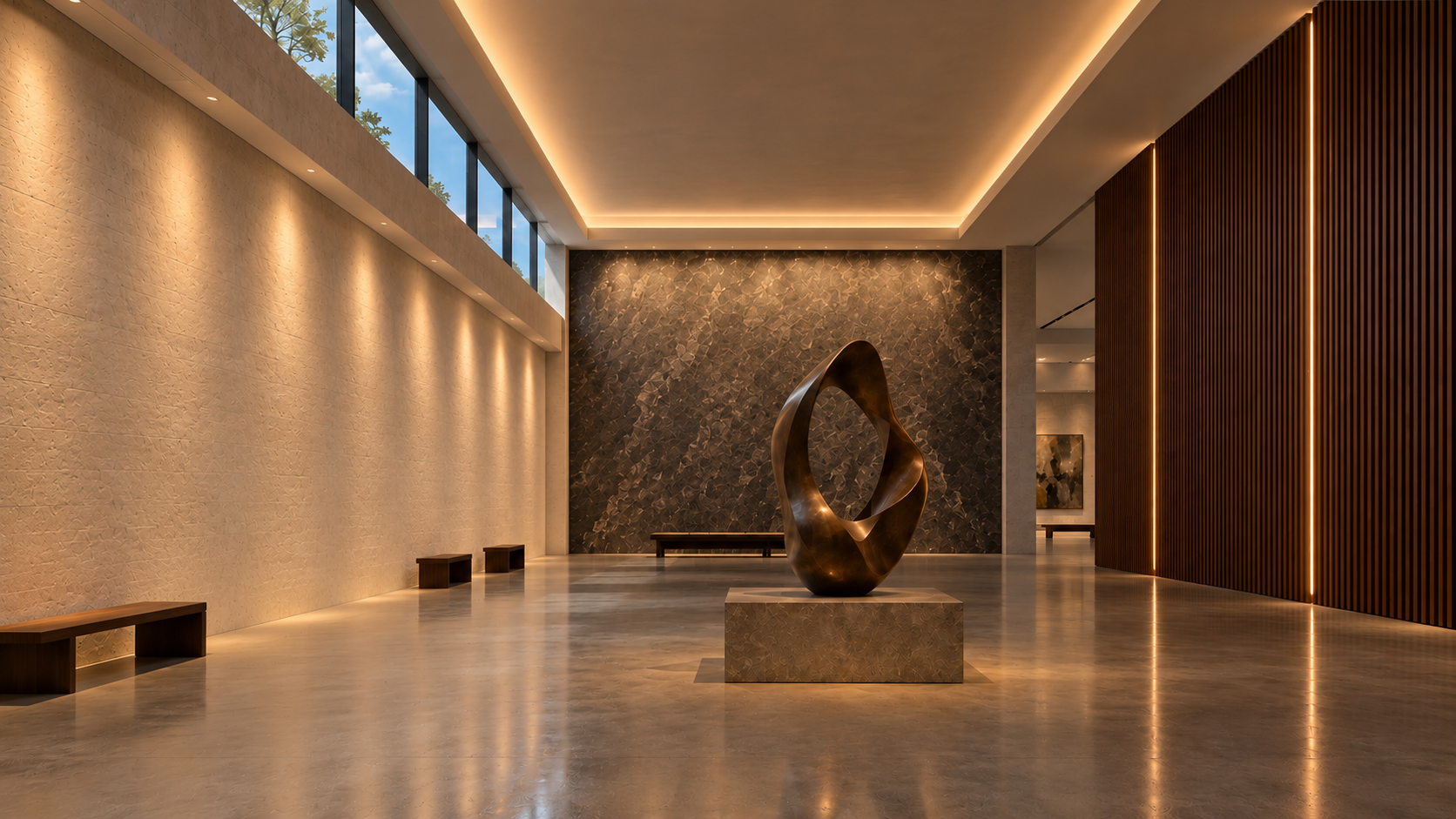
Lighting shapes interior space by influencing how we perceive width, height, depth and proportion. Rather than simply making an interior brighter, thoughtfully planned lighting changes the way architecture is experienced. By controlling brightness, contrast and shadow, lighting designers can make spaces feel larger, taller and more inviting without altering the physical structure. Whether in a …
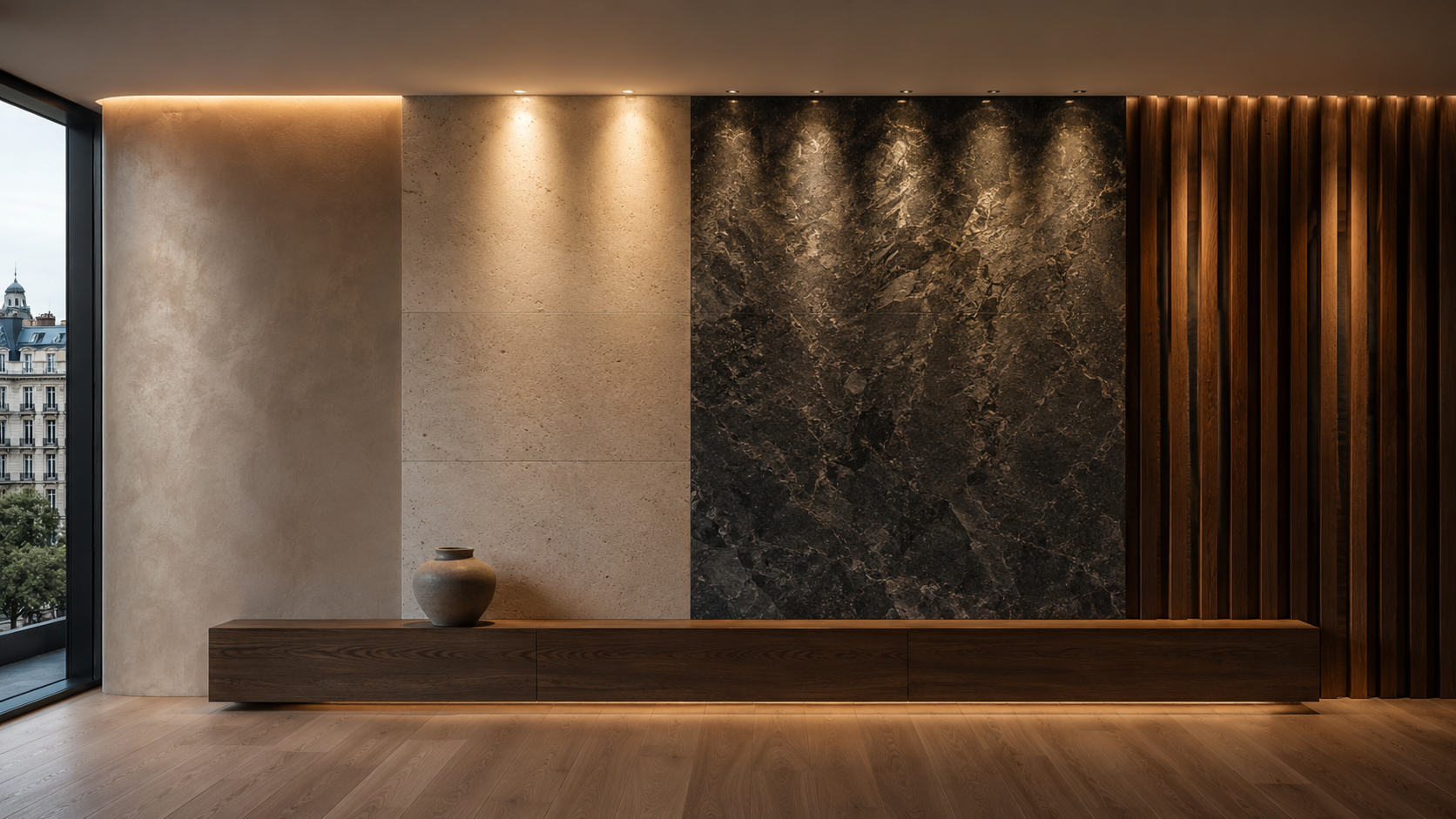
Lighting for texture and depth transforms flat surfaces into rich architectural features by revealing the natural character of materials through carefully controlled light and shadow. Rather than simply illuminating a room, thoughtful lighting creates contrast, emphasises form and allows stone, timber, plaster and brick to display their true visual qualities throughout the day and into …