
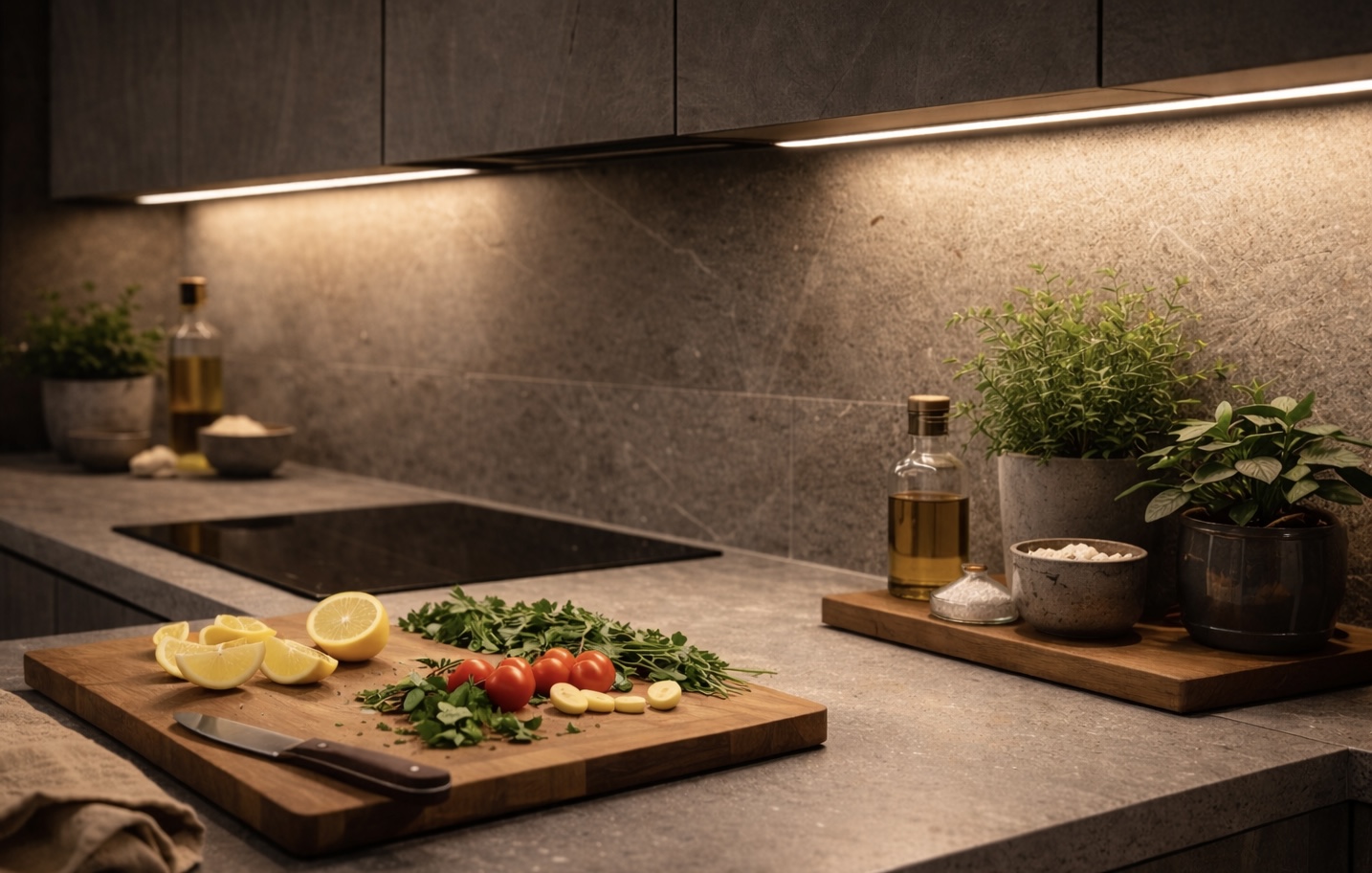
Focused Task Lighting Without Harsh Shadows Under-cabinet lighting is one of the simplest ways to improve visibility in kitchens and workspaces without introducing harsh overhead glare. By placing light exactly where it is needed, it enhances both functionality and atmosphere while maintaining a clean, uncluttered look. Whether used for food preparation or everyday tasks, this …
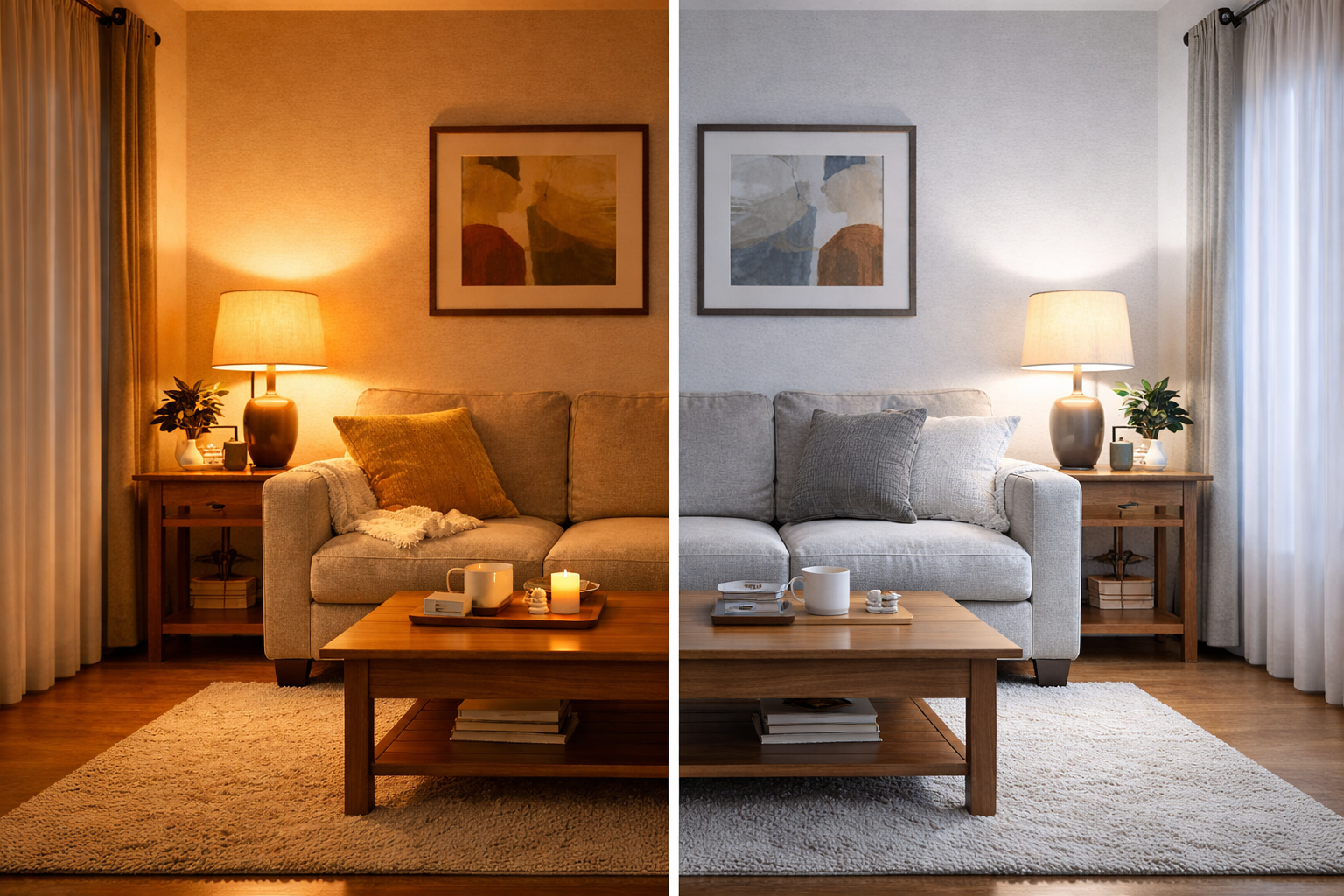
Lighting colour temperature has a significant influence on how a space feels. While specifications such as lumens and wattage determine brightness and efficiency, colour temperature shapes atmosphere, comfort, and visual clarity. Understanding the difference between warm white and cool white lighting helps ensure the lighting in your home or workspace supports the activities and mood …
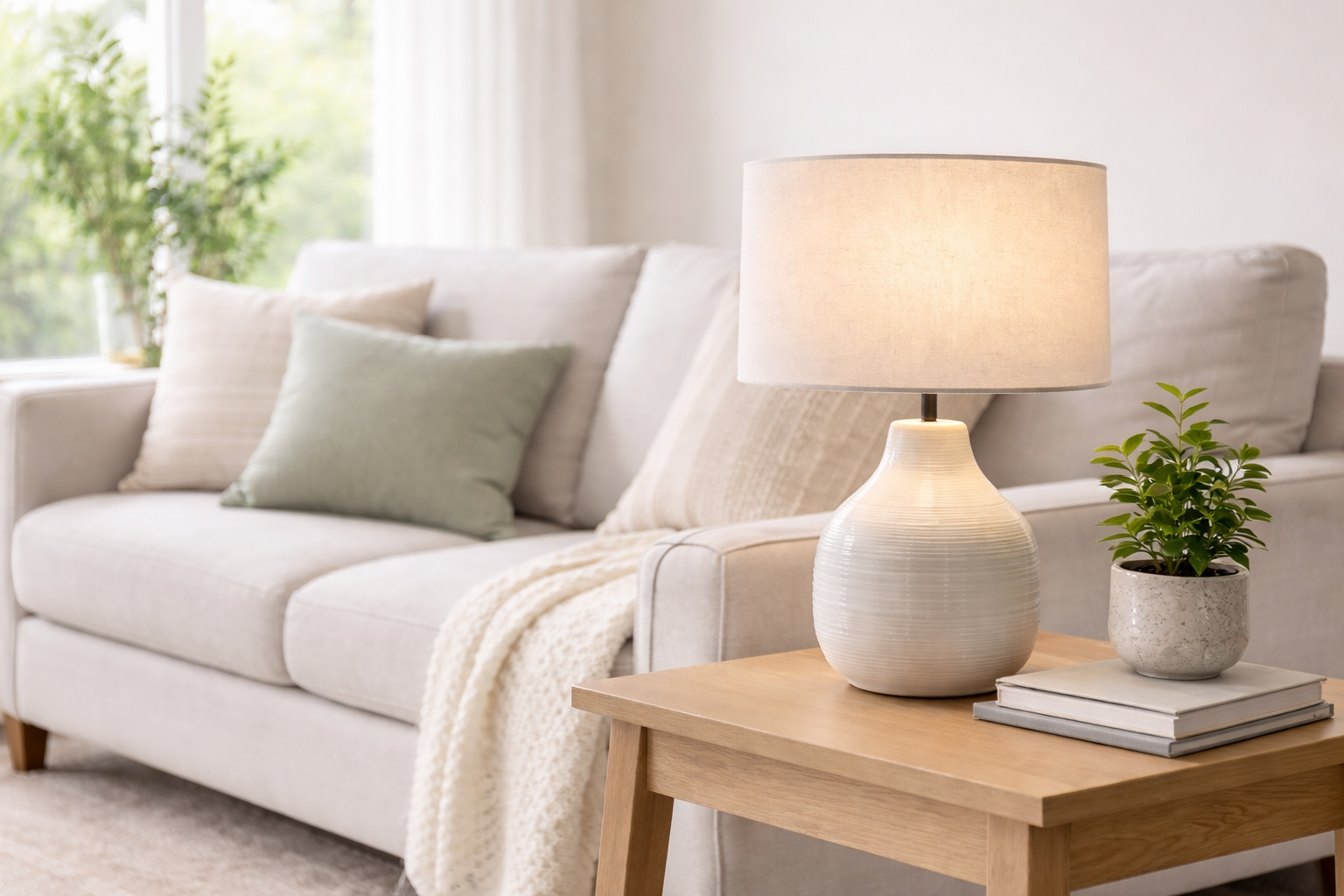
Why Table Lamps Matter in Interior Lighting Table lamps provide focused, localised illumination that complements broader room lighting. Unlike ceiling or wall fixtures, they operate at eye level and influence both atmosphere and functionality. When chosen carefully, a table lamp can provide task lighting for reading, ambient glow for relaxation, and visual balance within a …
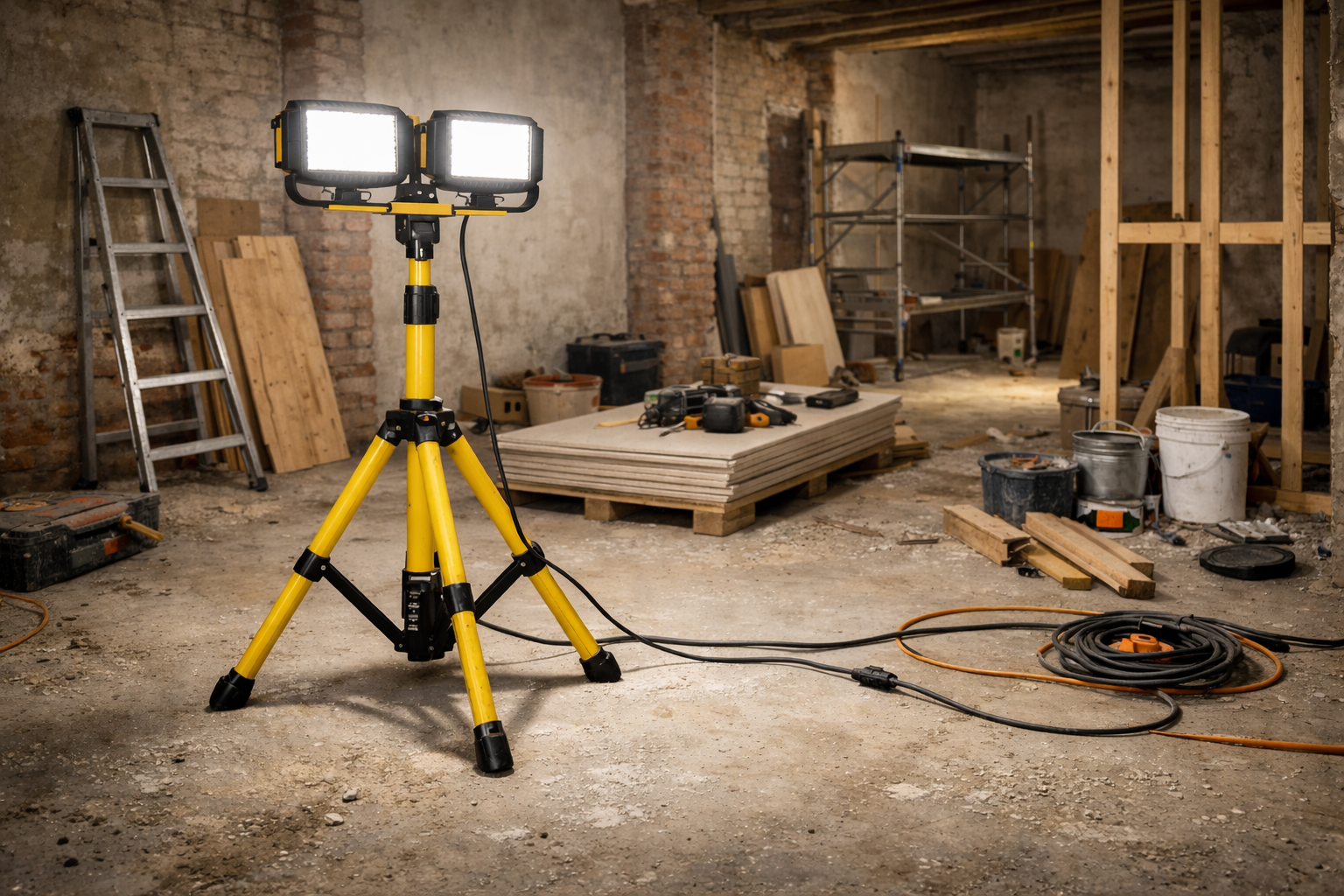
Why Work and Site Lighting Demands Precision Work and site environments require lighting that prioritises safety, clarity, and reliability. Unlike decorative or residential applications, these spaces demand high visibility, robust construction, and controlled output to support productivity and reduce risk. Whether illuminating construction zones, workshops, outdoor sites, or temporary work areas, lighting must perform consistently …
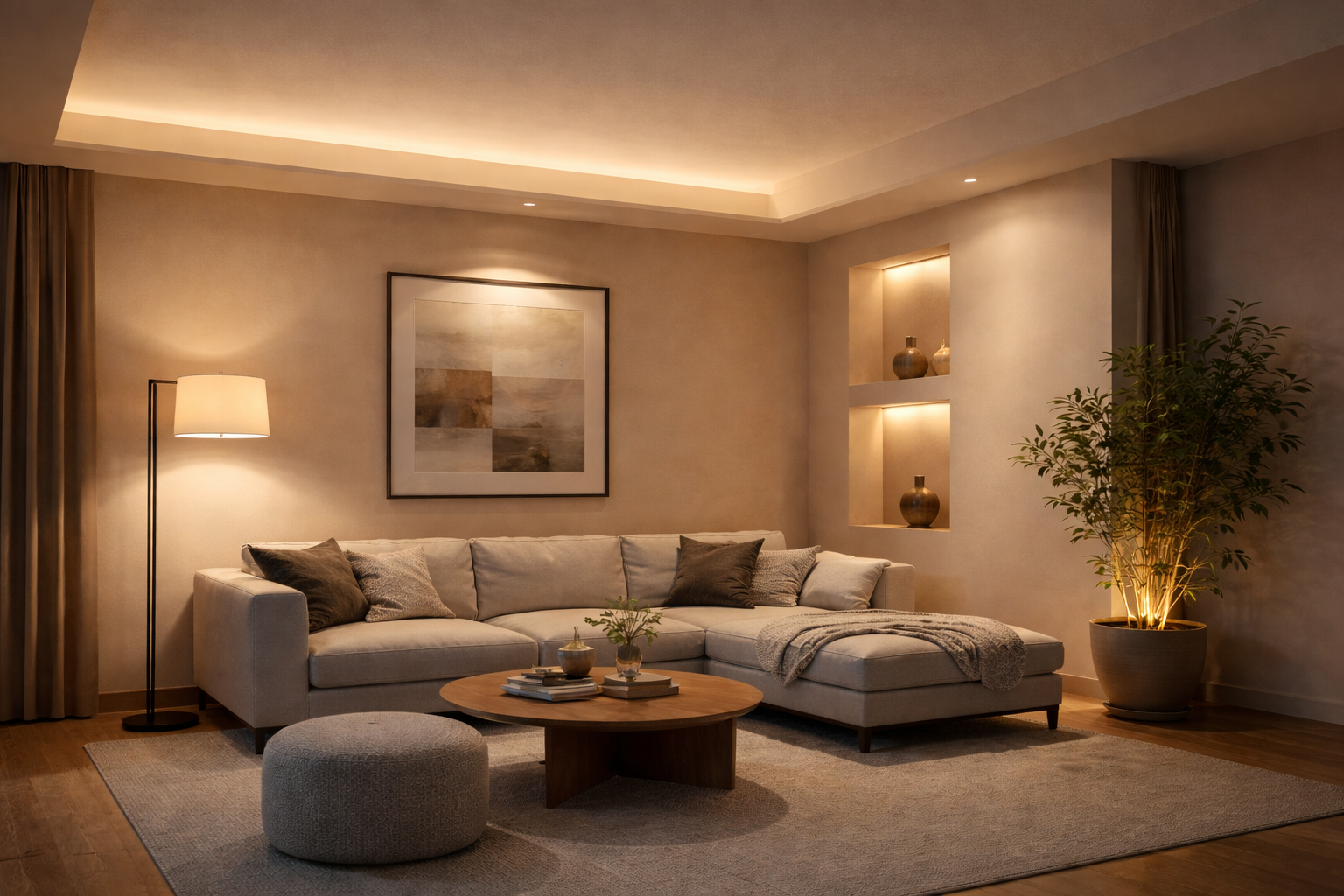
Why Some Rooms Feel Instantly Comfortable Layered lighting is one of the most important principles in interior design. By combining ambient lighting, task lighting, and accent lighting, you create rooms that feel balanced, adaptable, and visually comfortable. Without layering, even well-designed spaces can feel harsh, flat, or visually tiring. Some rooms feel calm and effortless …
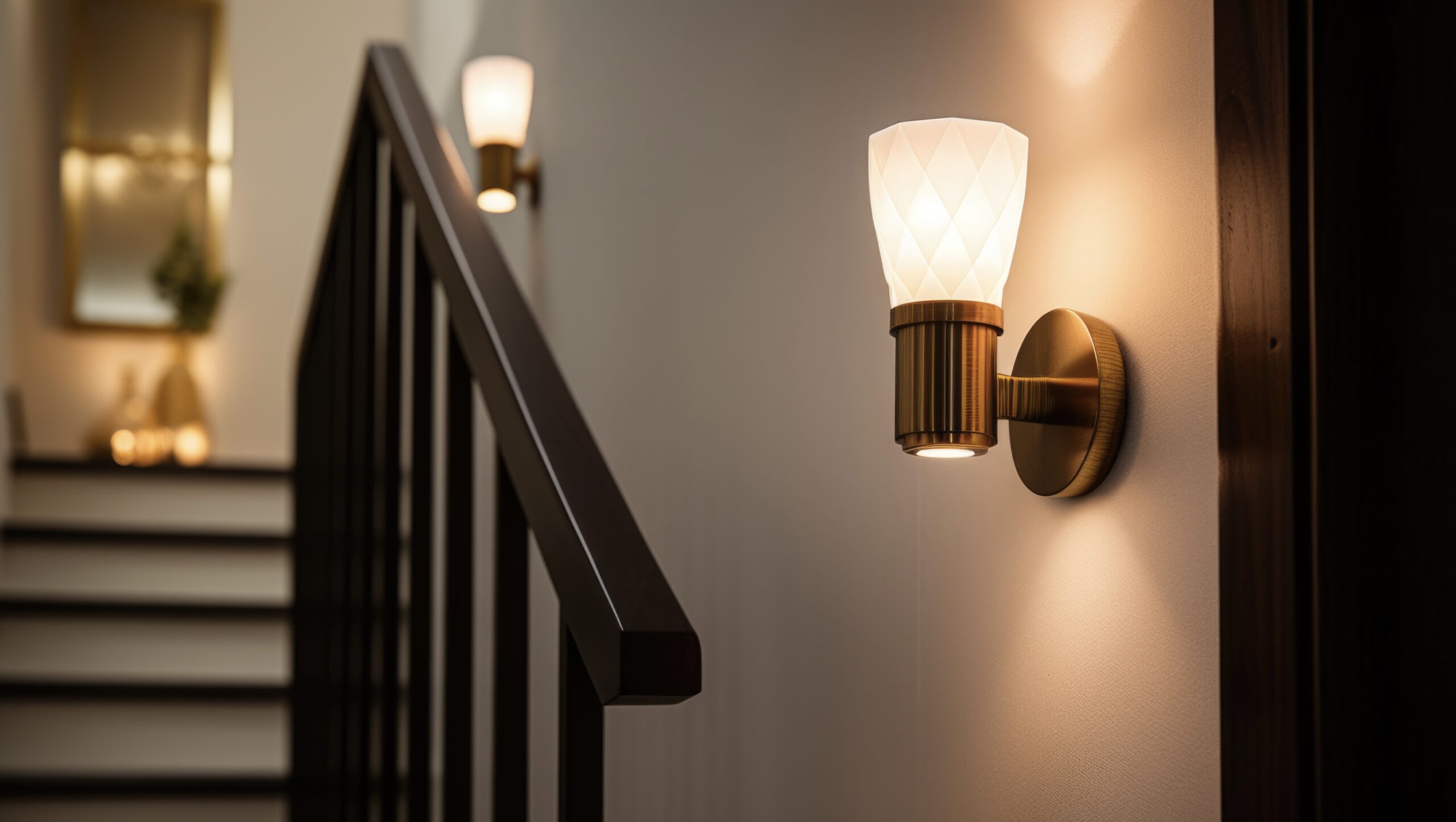
How to Position Wall Lights in Your Home Wall lights or Sconces, play an essential role in the overall lighting scheme of a house, providing both functional and aesthetic benefits. Their placement can significantly influence the ambiance and usability of different spaces. Thoughtful positioning of wall lights enhances architectural features, creates a welcoming atmosphere, and …

Mixing Lighting Styles and Materials in Interior Design Mixing lighting styles and materials in a home is an artful way to create dynamic, visually stimulating, and cohesive environments. This approach allows homeowners to blend the old with the new, combine textures and finishes, and craft spaces that reflect personal taste while maintaining functionality and aesthetic …
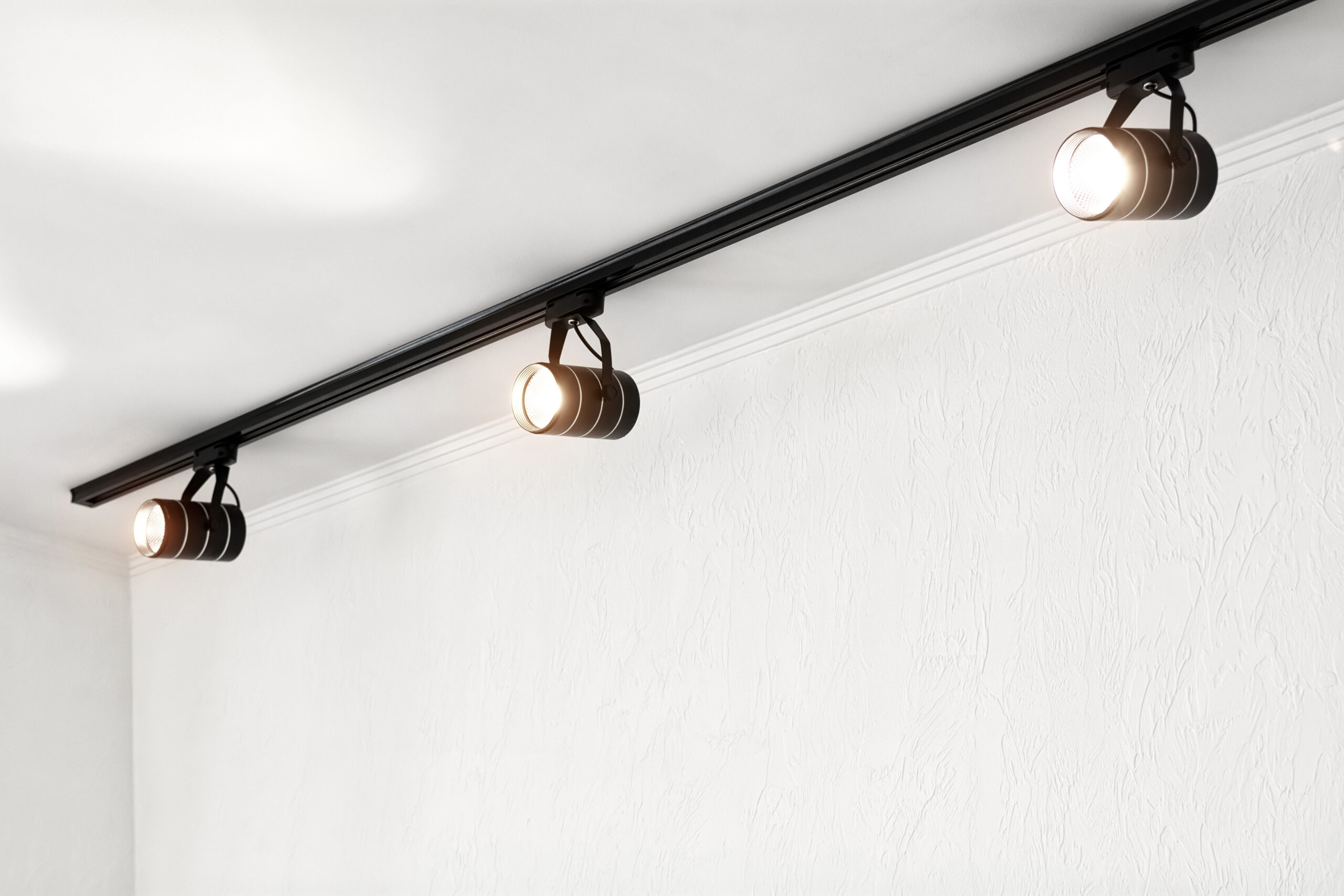
How Accent Lighting Brings Depth and Drama to Your Space Accent lighting is a crucial component of interior design that adds depth, character, and visual interest to a space by highlighting specific architectural features, artwork, or decorative elements. By focusing light on particular areas or objects, it introduces contrast and texture, helping to define focal …
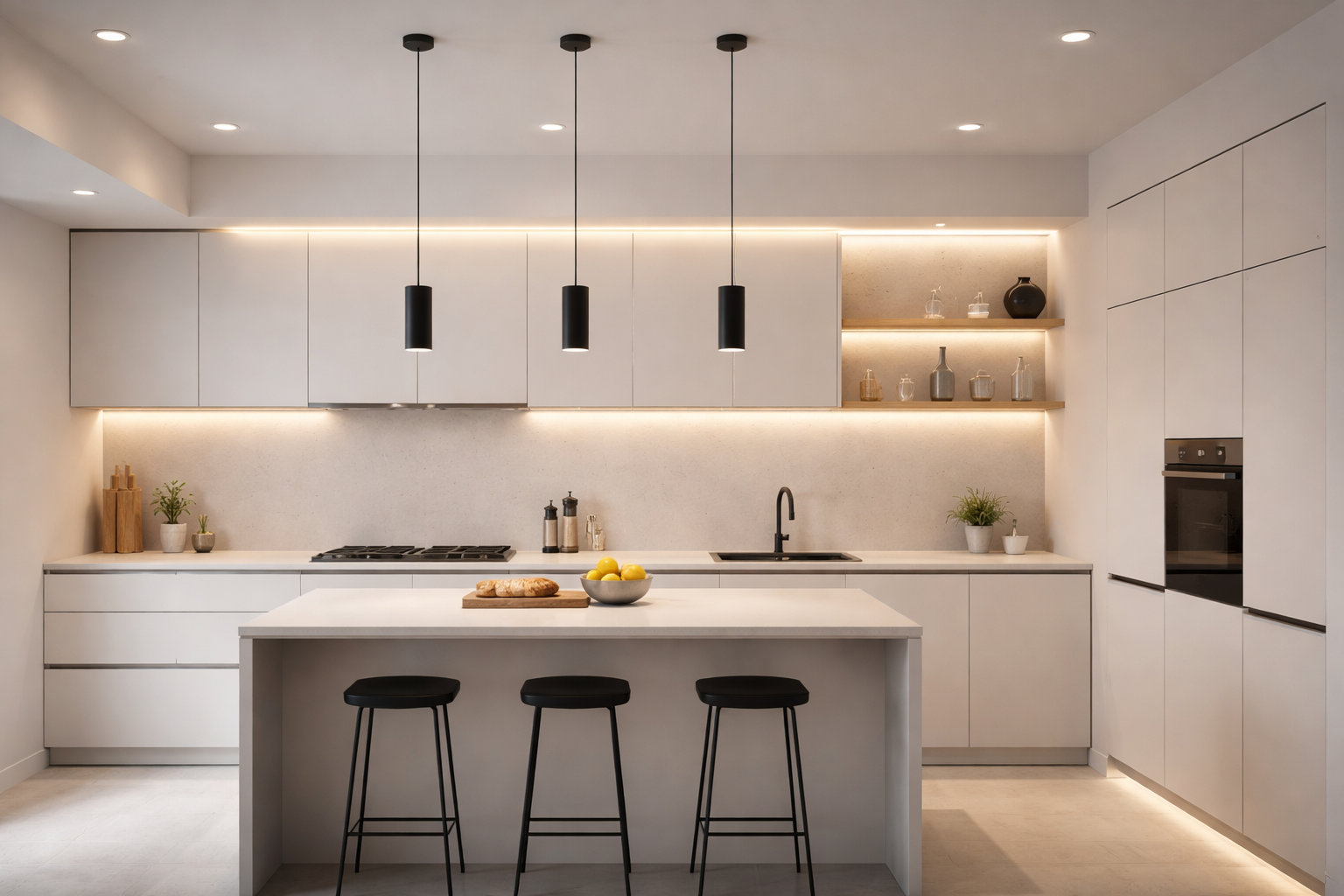
Layered lighting is a fundamental interior lighting principle that combines multiple light sources to create a space that is functional, comfortable, and visually engaging. Rather than relying on a single ceiling light, layered lighting uses a thoughtful mix of ambient, task, and accent lighting to support daily activities, enhance architectural features, and adapt to different …