
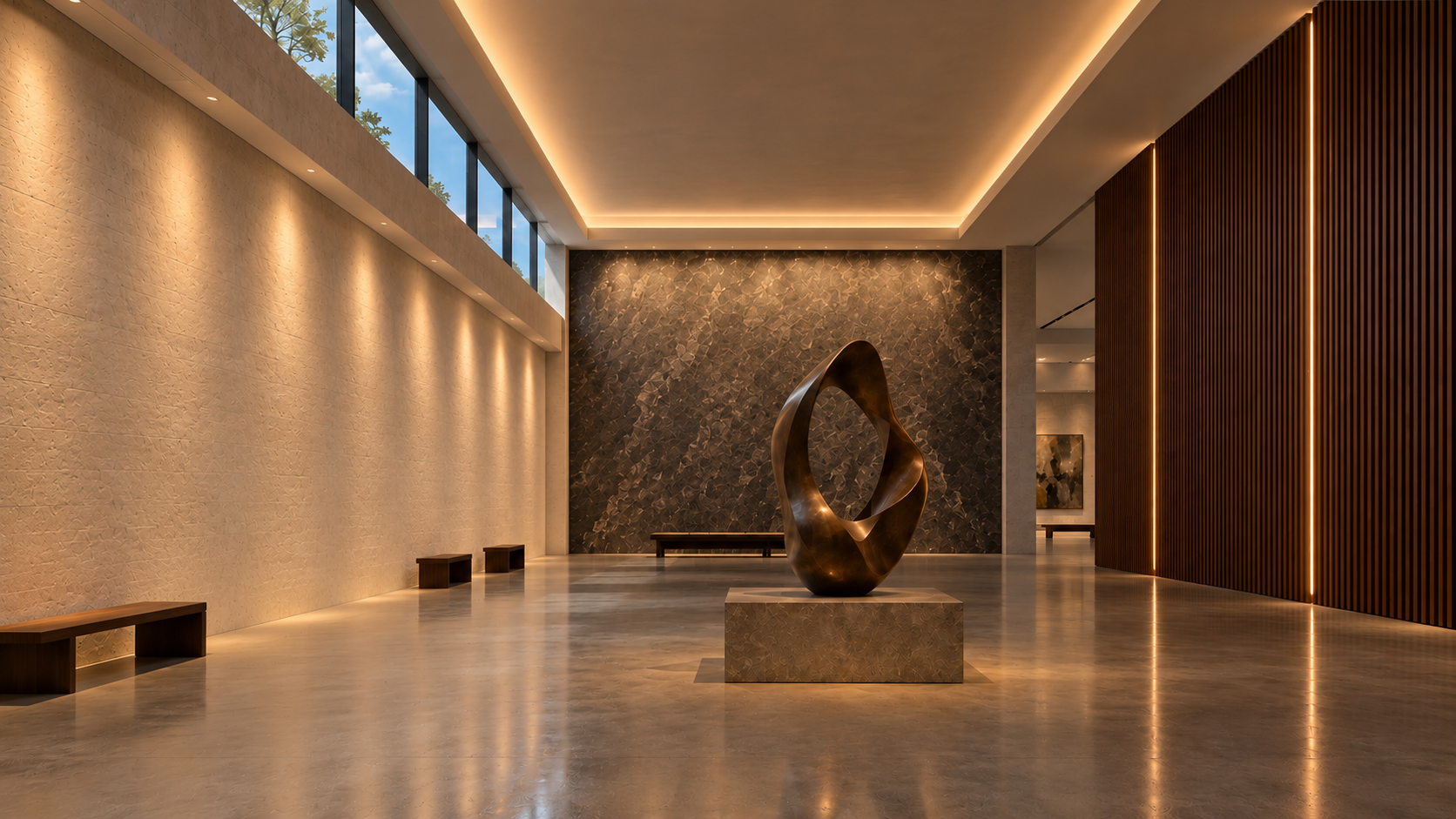
Lighting shapes interior space by influencing how we perceive width, height, depth and proportion. Rather than simply making an interior brighter, thoughtfully planned lighting changes the way architecture is experienced. By controlling brightness, contrast and shadow, lighting designers can make spaces feel larger, taller and more inviting without altering the physical structure. Whether in a …
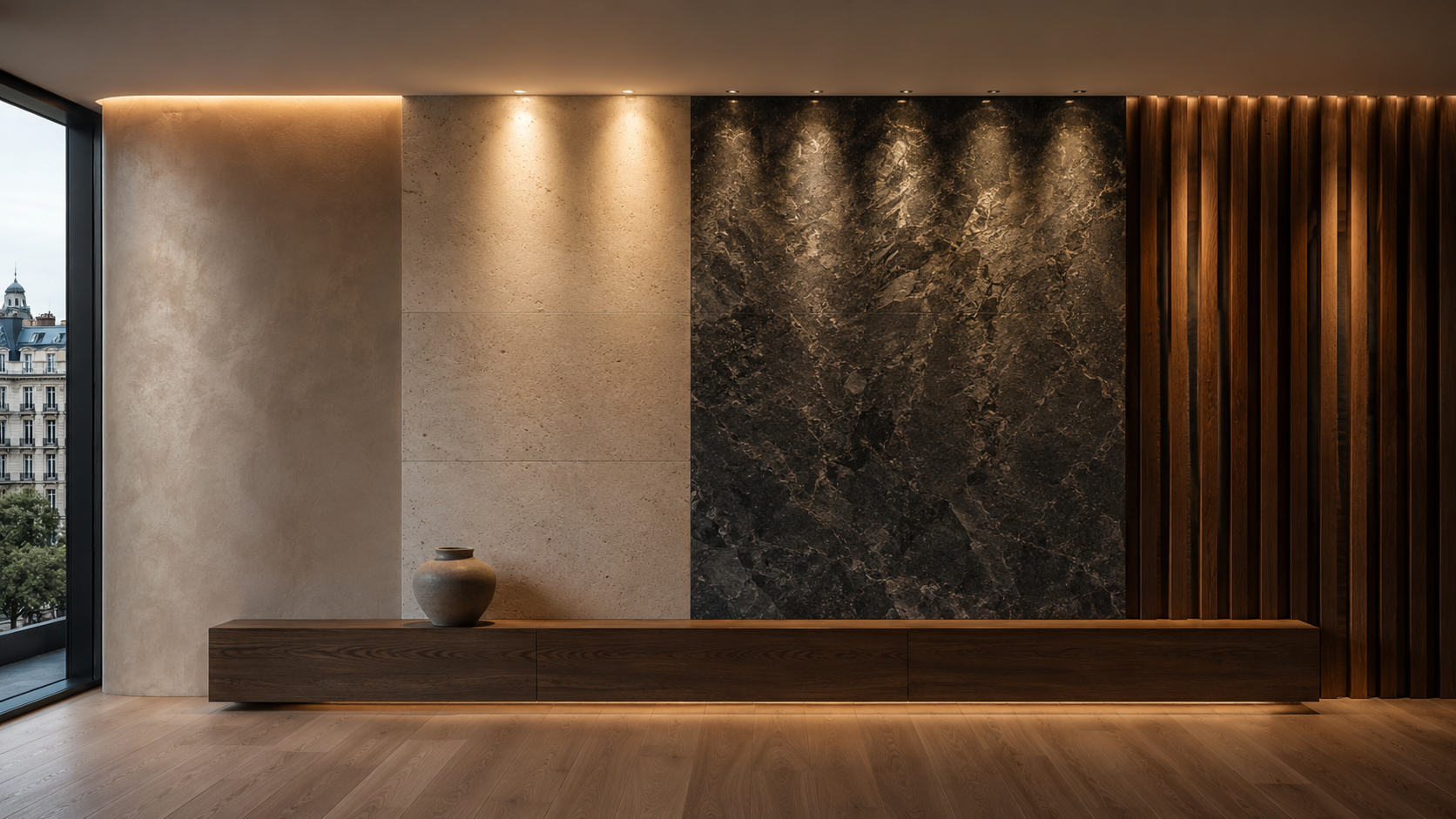
Lighting for texture and depth transforms flat surfaces into rich architectural features by revealing the natural character of materials through carefully controlled light and shadow. Rather than simply illuminating a room, thoughtful lighting creates contrast, emphasises form and allows stone, timber, plaster and brick to display their true visual qualities throughout the day and into …
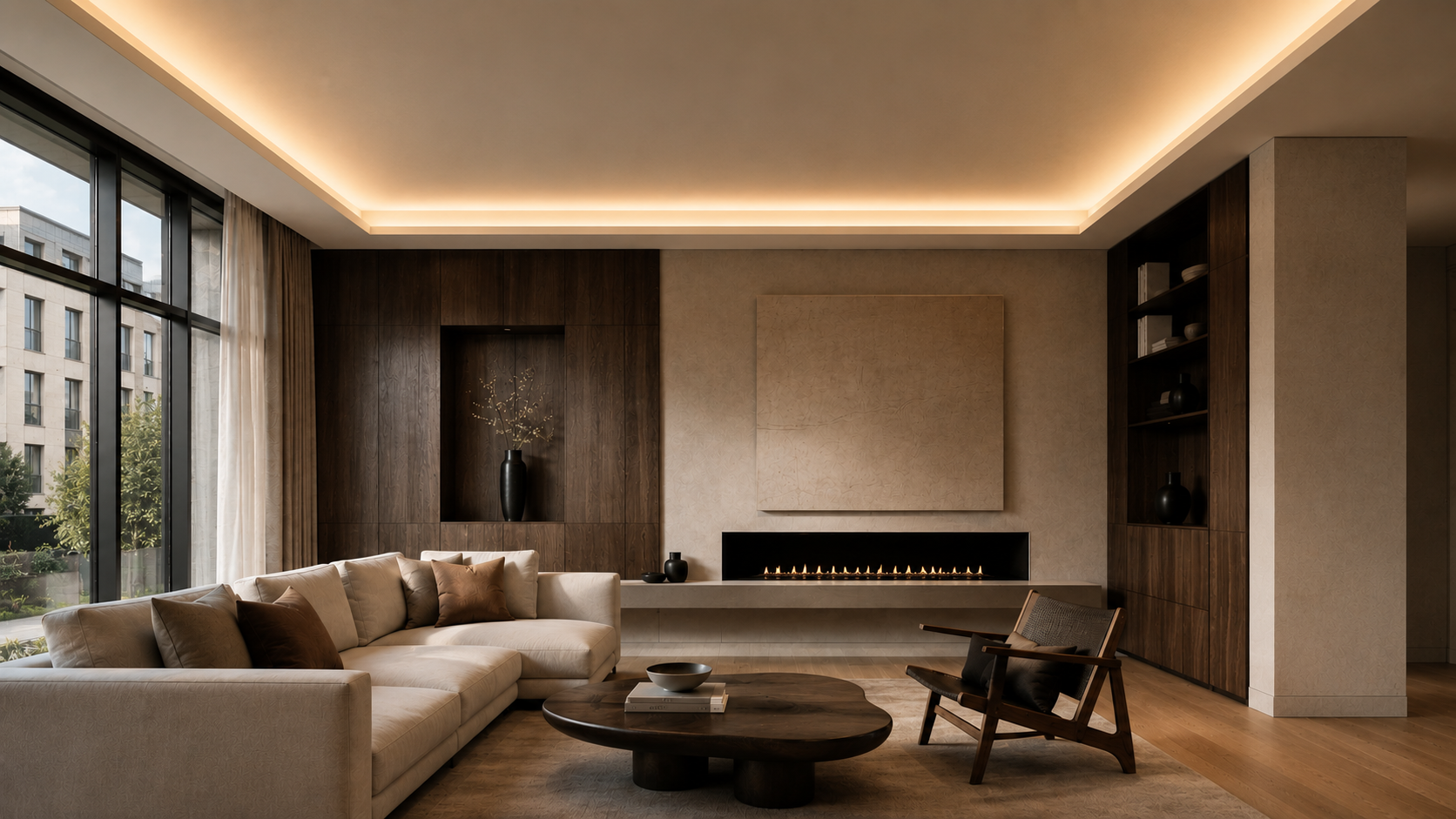
Ceiling cove lighting creates soft, indirect illumination by concealing the light source within a recessed ceiling detail. Instead of shining directly into the room, light is reflected from the ceiling to produce comfortable ambient lighting that enhances architecture while reducing glare. Modern cove lighting is typically created using LED strip lighting installed within dedicated LED …
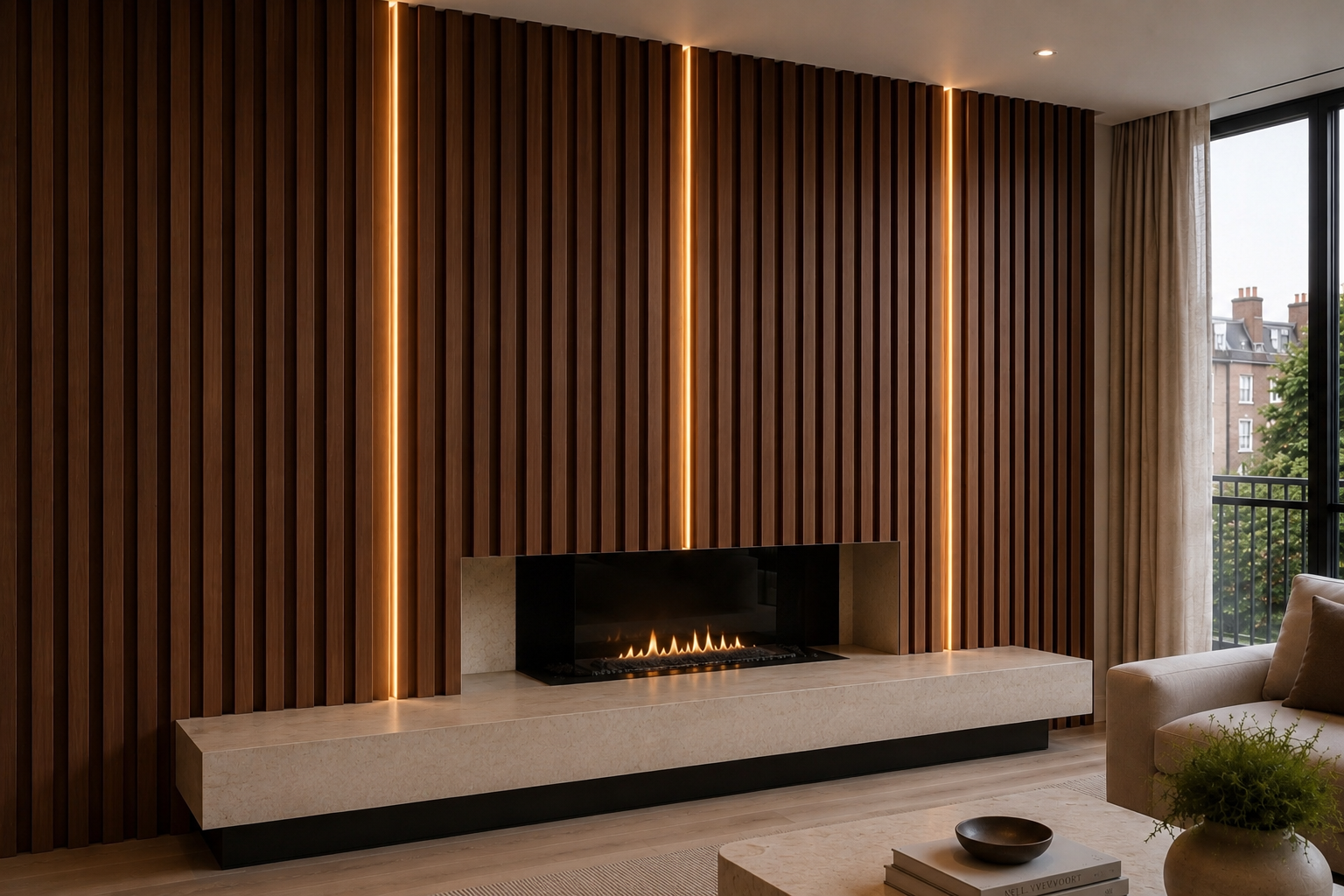
Feature wall lighting transforms ordinary surfaces into architectural focal points. Rather than relying on decoration alone, thoughtful lighting reveals texture, enhances natural materials and creates depth that changes throughout the day and evening. Whether illuminating timber panelling, natural stone, textured plaster or exposed brick, the right lighting technique allows a feature wall to become an …
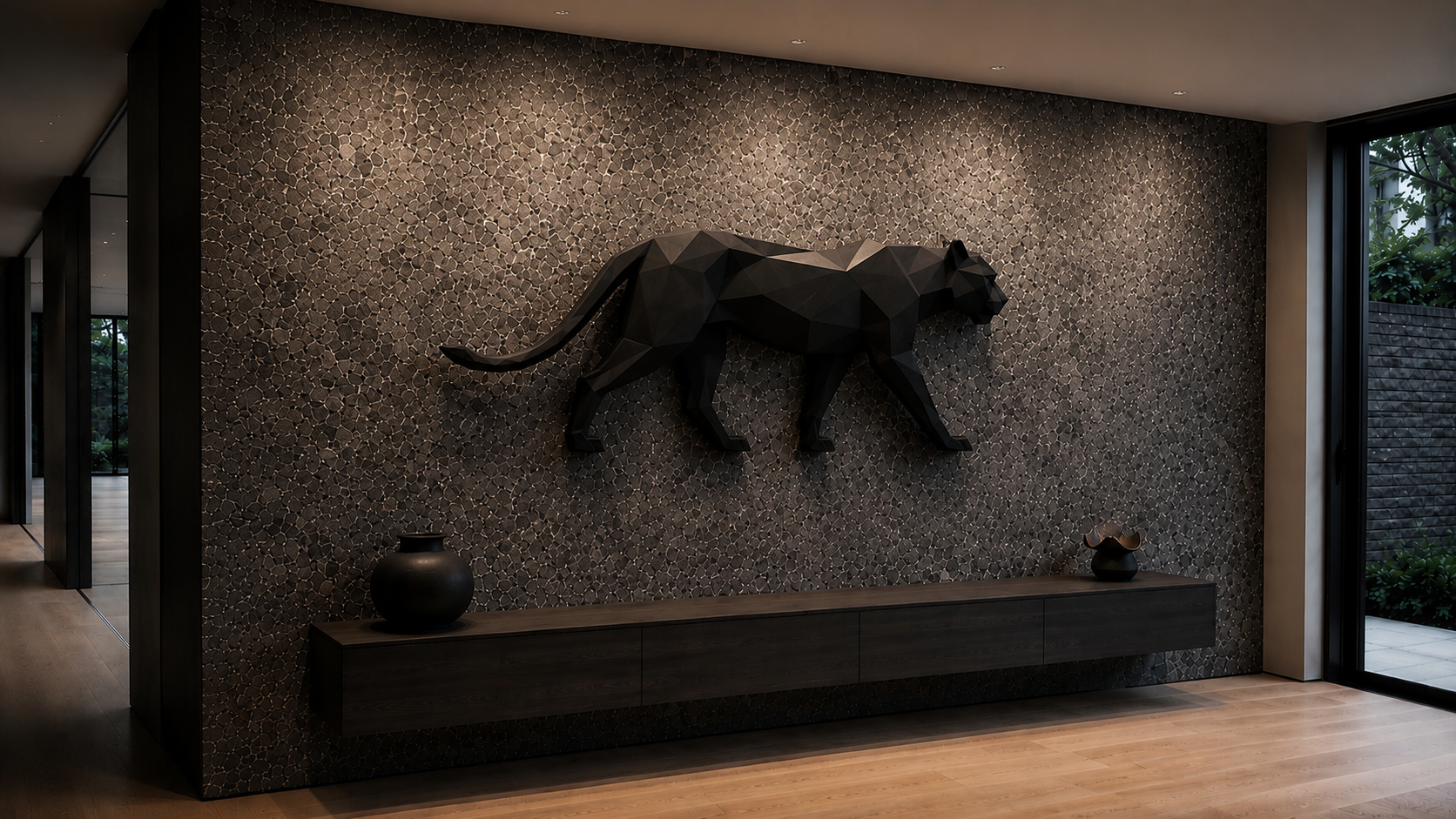
Wall washing is one of the most effective architectural lighting techniques for creating calm, elegant interiors. Rather than drawing attention to the light fitting itself, it uses carefully controlled light to evenly illuminate vertical surfaces, revealing the colour, texture and character of walls. The result is a space that feels brighter, larger and more welcoming …
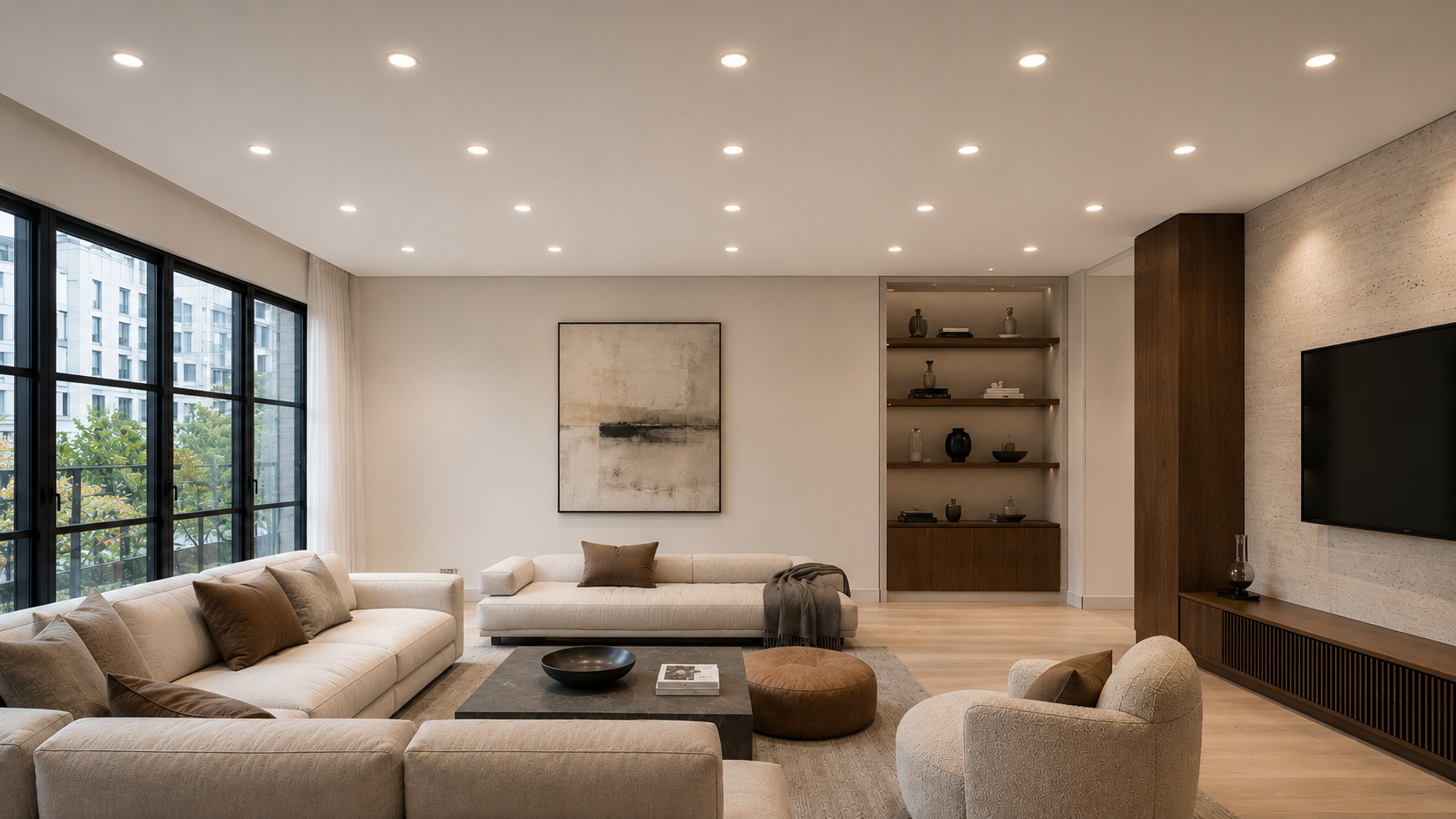
Even the most expensive light fittings cannot compensate for poor planning. Many lighting problems are not caused by the products themselves but by decisions made before the first fitting is installed. Too many downlights, poor positioning and relying on a single source of light are all common mistakes that can leave a home feeling flat, …
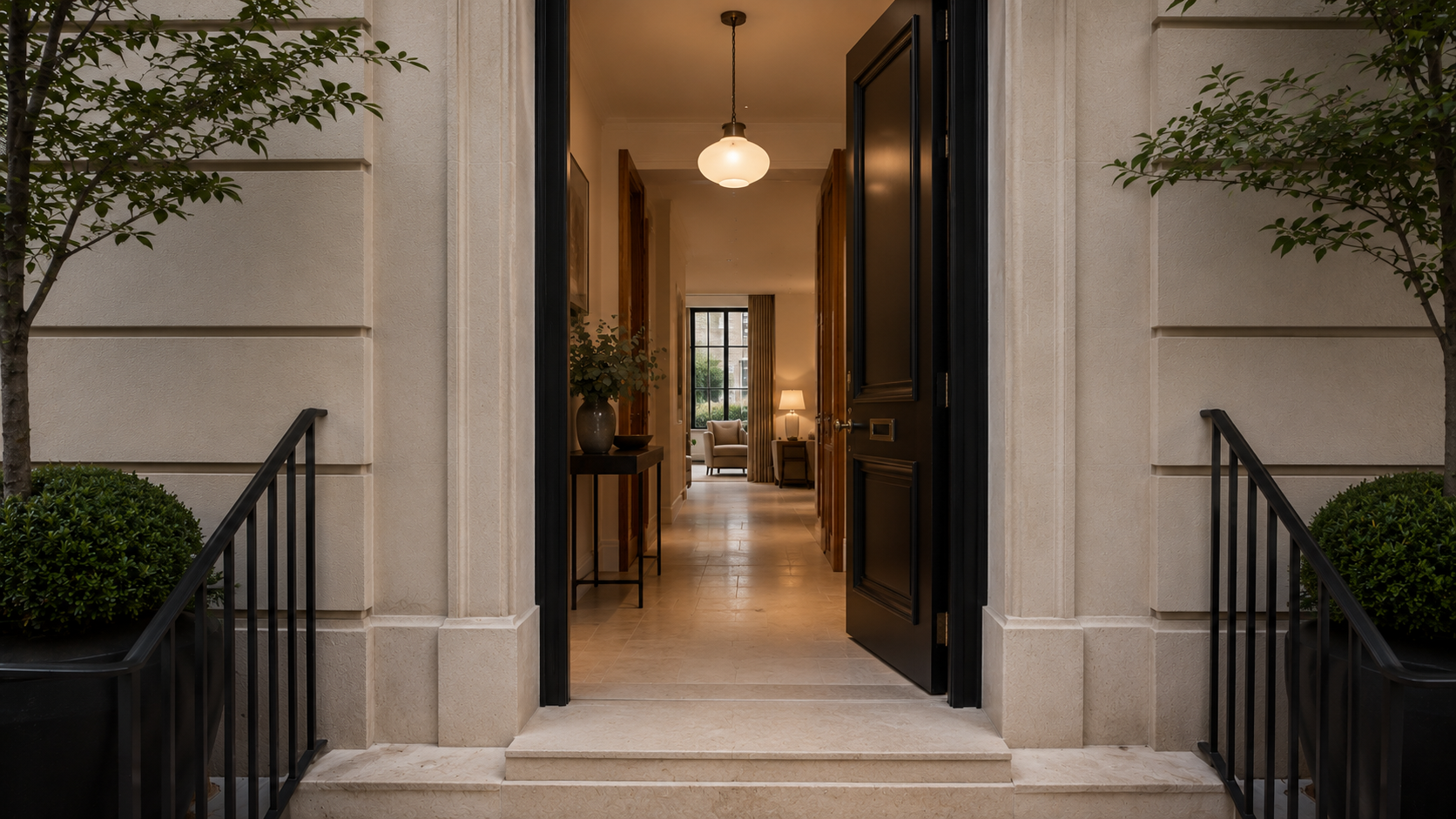
Planning a lighting scheme is about much more than deciding where to install ceiling lights. Every room in your home is used differently, so each space requires its own balance of ambient, task and accent lighting. A well-planned lighting scheme improves comfort, supports everyday activities and enhances the architecture without relying on excessive brightness. Whether …
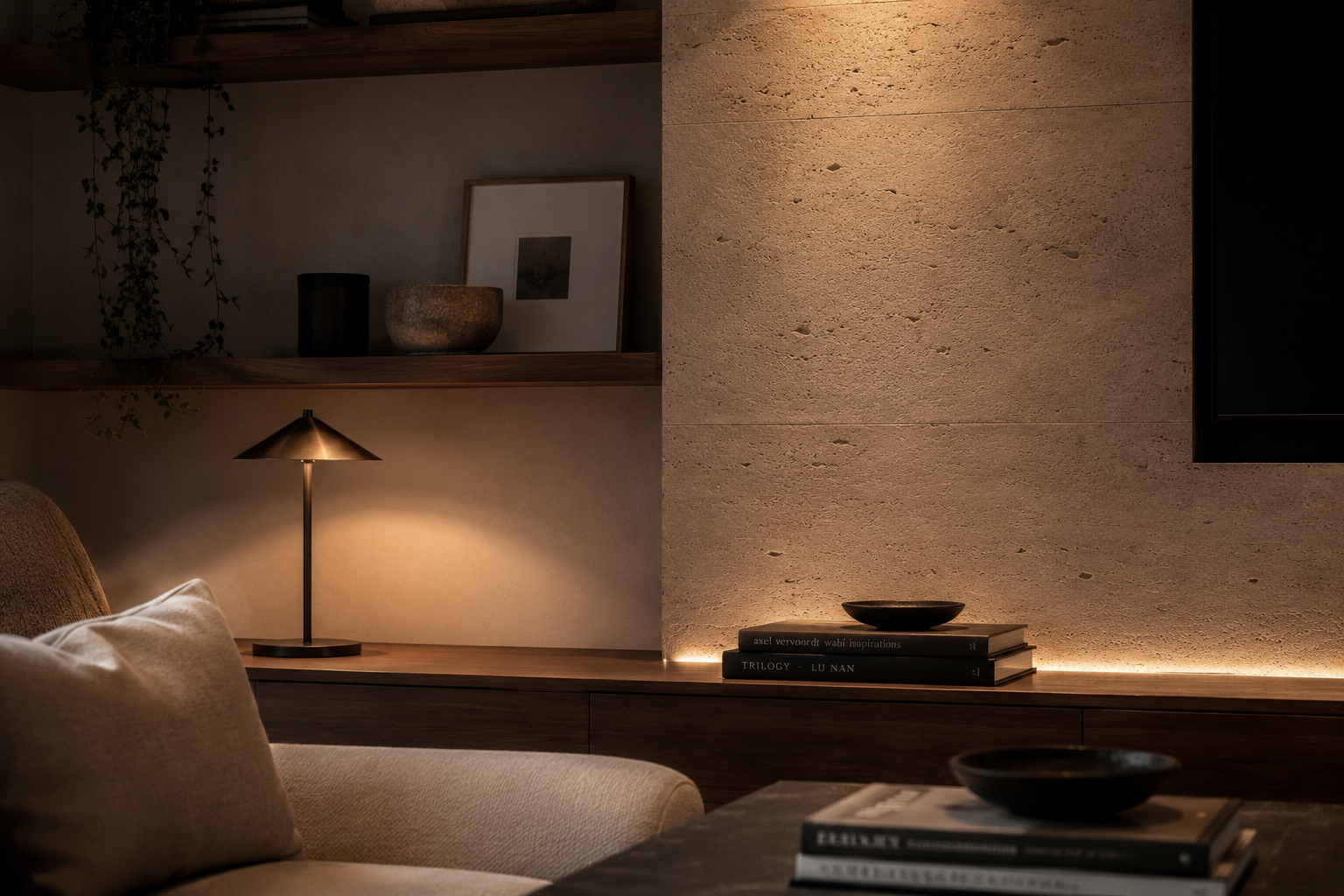
Lighting layout has a greater influence on how a room looks and feels than simply increasing its brightness. While it may seem logical to add more light fittings or choose lamps with a higher lumen output, professional lighting designers know that thoughtful placement almost always produces better results. A well-planned lighting layout creates comfortable spaces …
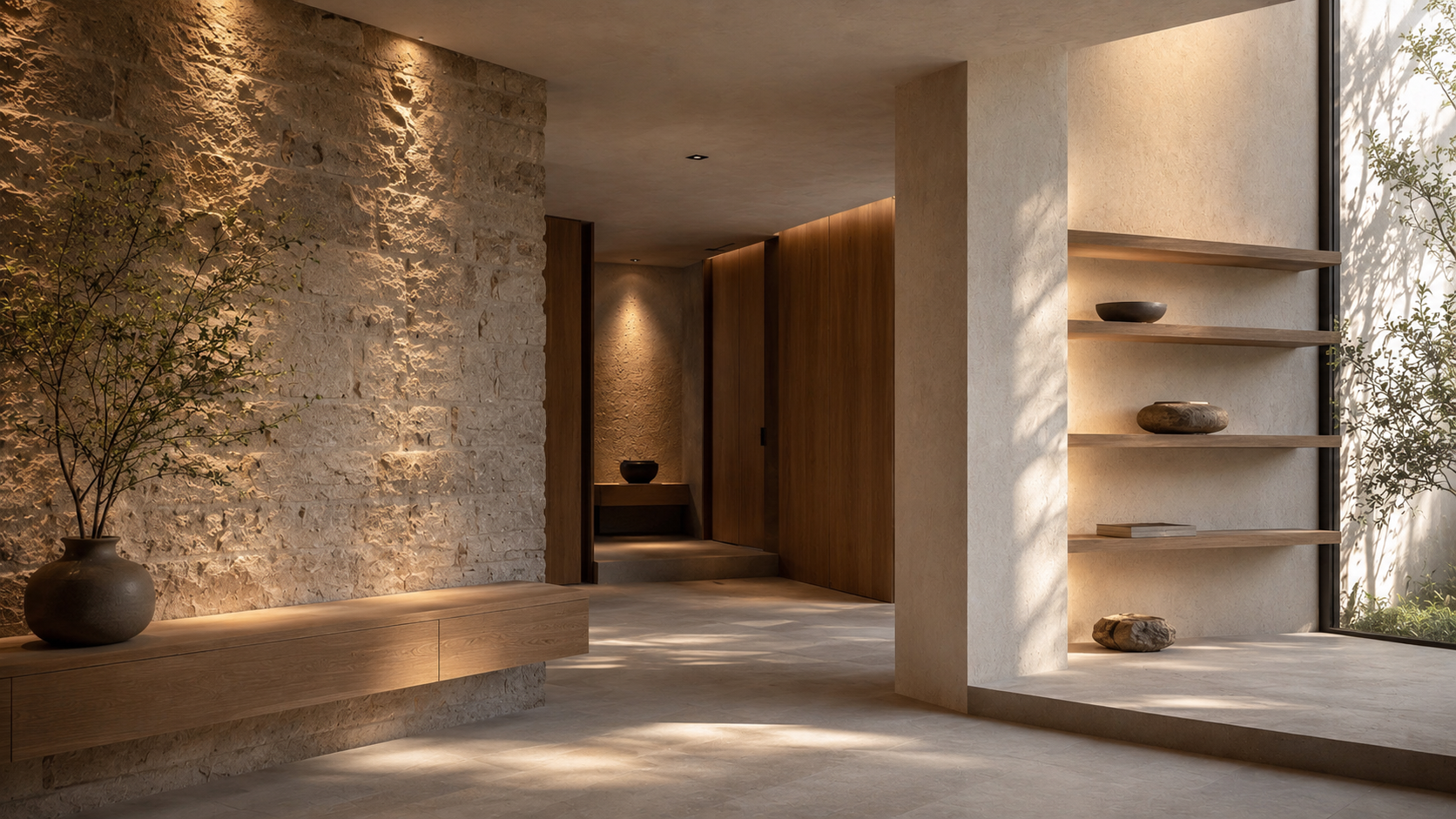
Why Well-Placed Shadows Transform Interior Design Many people assume that good lighting means making every corner of a room as bright as possible. Professional interior designers take a different approach. Rather than eliminating every shadow, they use light and shade together to create spaces that feel balanced, comfortable and visually engaging. Carefully controlled shadows reveal …