
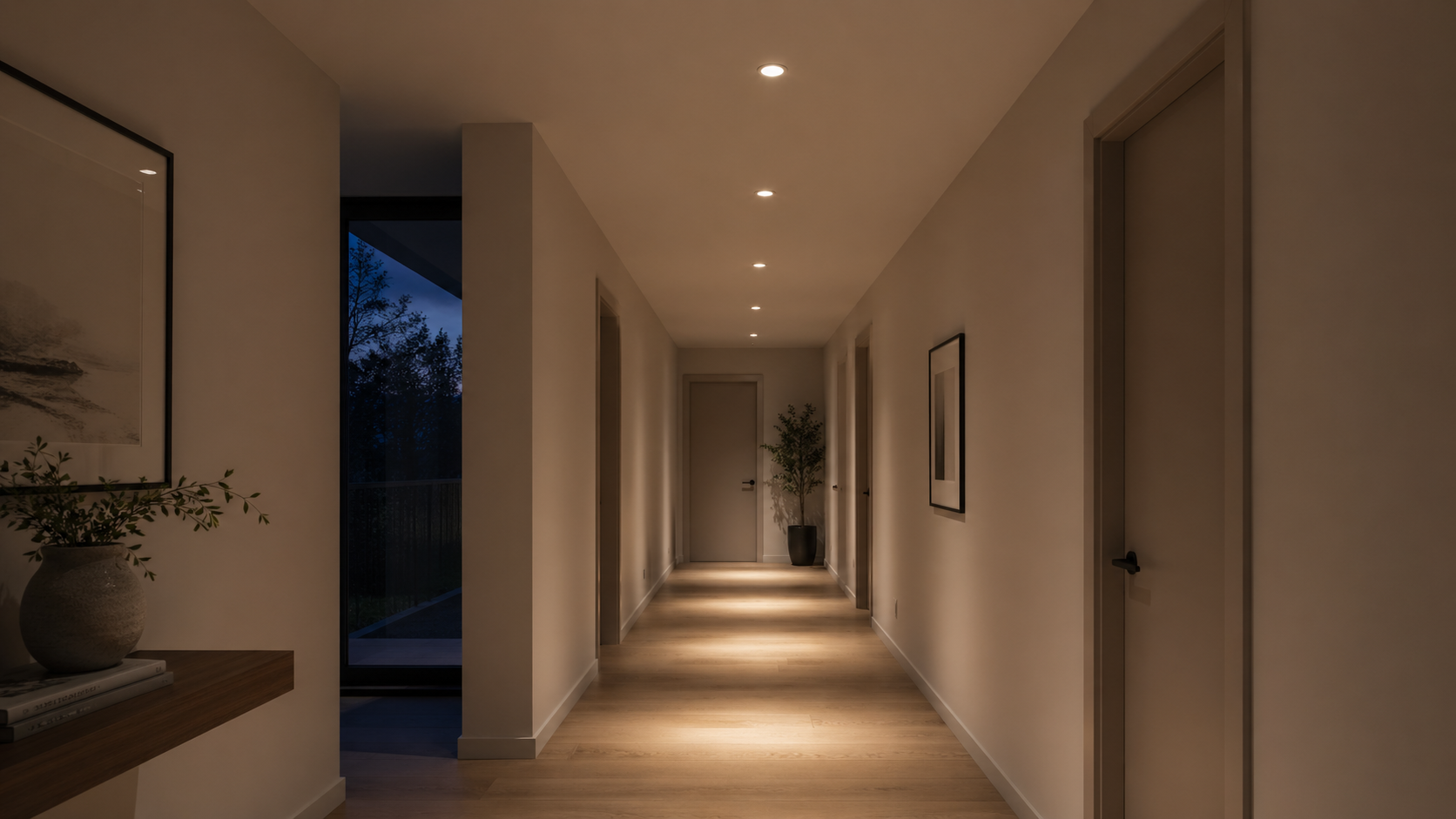
Flush Lighting for Clean, Practical Interiors Recessed and downlights are designed to sit flush within ceilings, providing clean, low-profile illumination without visible fixtures. By positioning the light source inside the surface, they deliver practical lighting while maintaining a simple, uncluttered appearance. Used across both residential and commercial spaces, these fittings are one of the most …
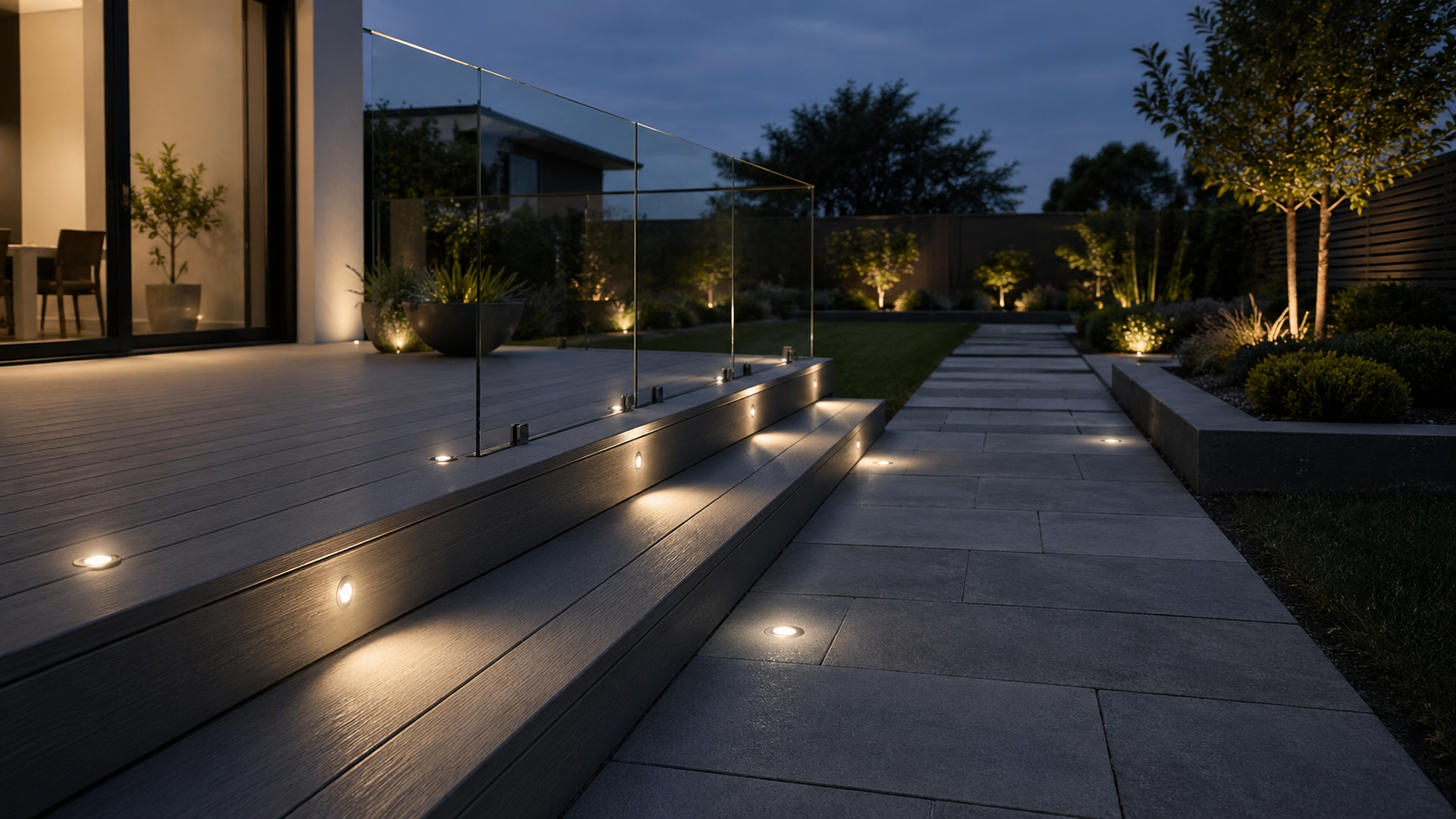
Lighting That Works at Surface Level Ground and deck lighting is designed to integrate directly into surfaces, providing subtle illumination without visible fixtures. By placing light at floor level, these fittings improve visibility while maintaining a clean and unobtrusive outdoor design. Rather than lighting an entire space, ground and deck lighting focuses on edges, steps, …
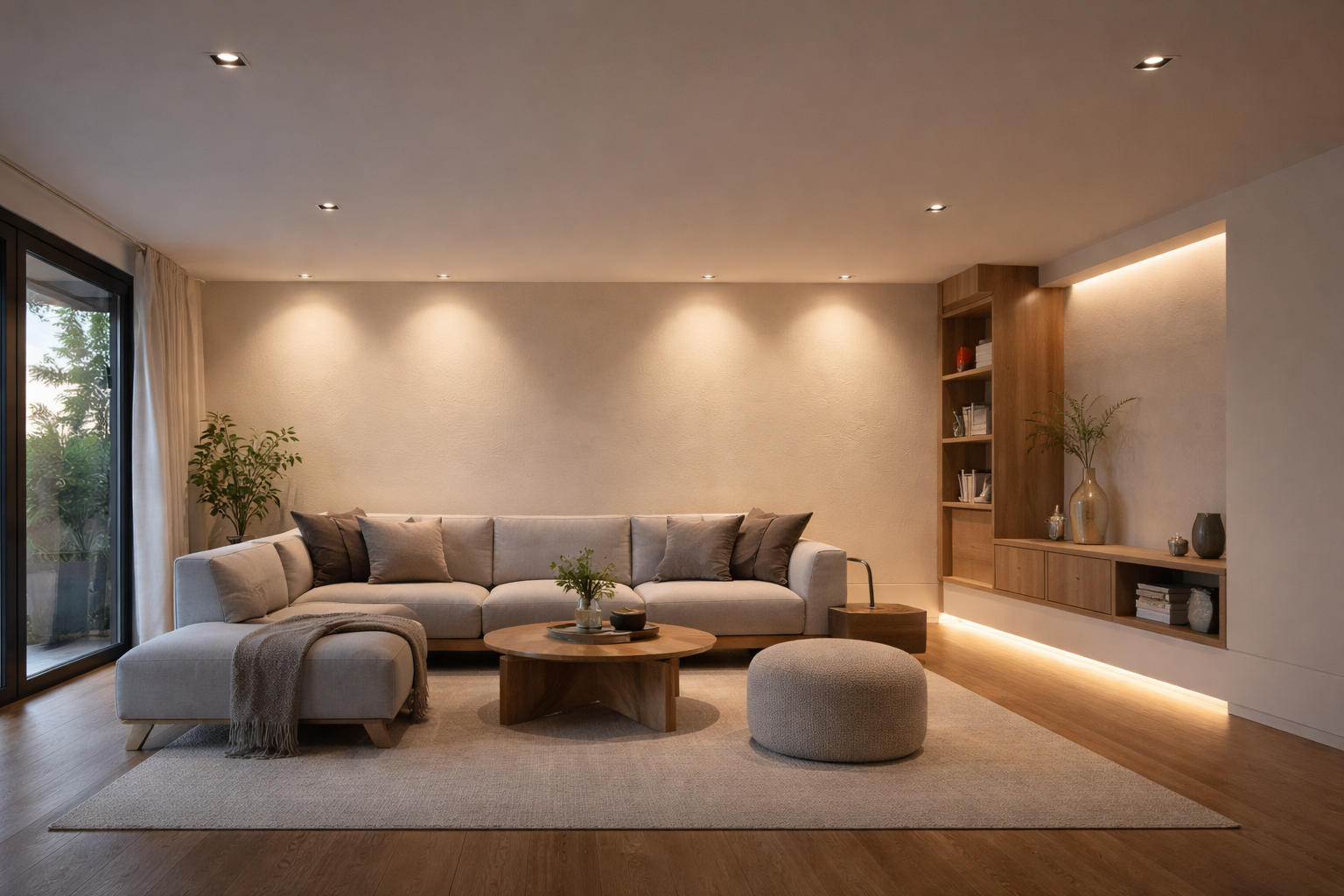
Why Glare Ruins Good Lighting Glare is one of the most common — and most overlooked — lighting problems in modern interiors. Even well-designed spaces can feel uncomfortable if light sources are exposed, poorly positioned, or overly intense. Designing lighting without glare requires more than diffusers and dimmers. It involves controlling angles, concealment, reflection, and …
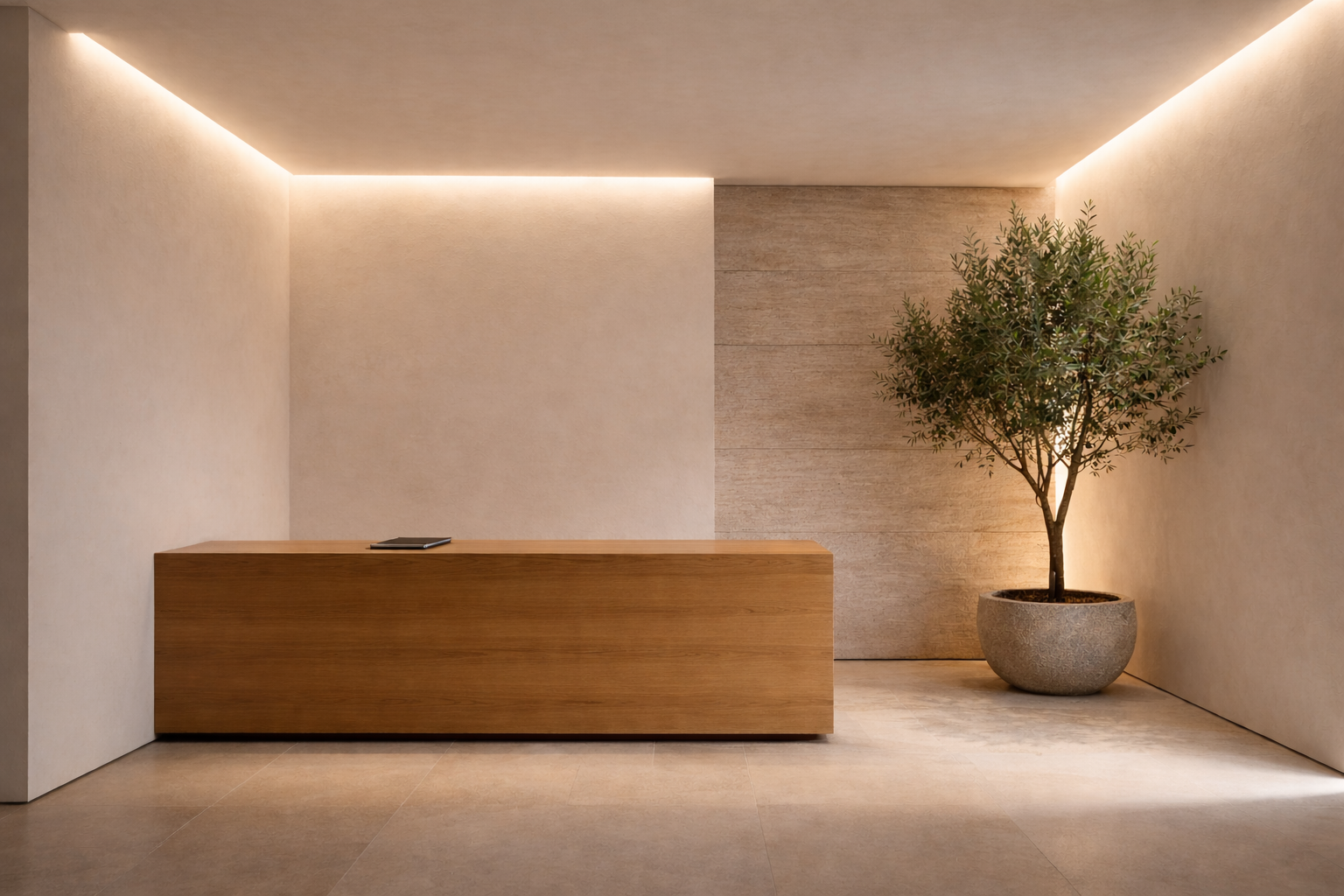
Linear lighting offers a refined way to introduce illumination without interrupting architectural clarity. Rather than drawing attention to individual fixtures, it creates continuous lines of light that guide movement, emphasise structure, and support spatial cohesion. When integrated properly, linear lighting feels intentional — not decorative. What Is Linear Lighting? Linear lighting refers to any lighting …
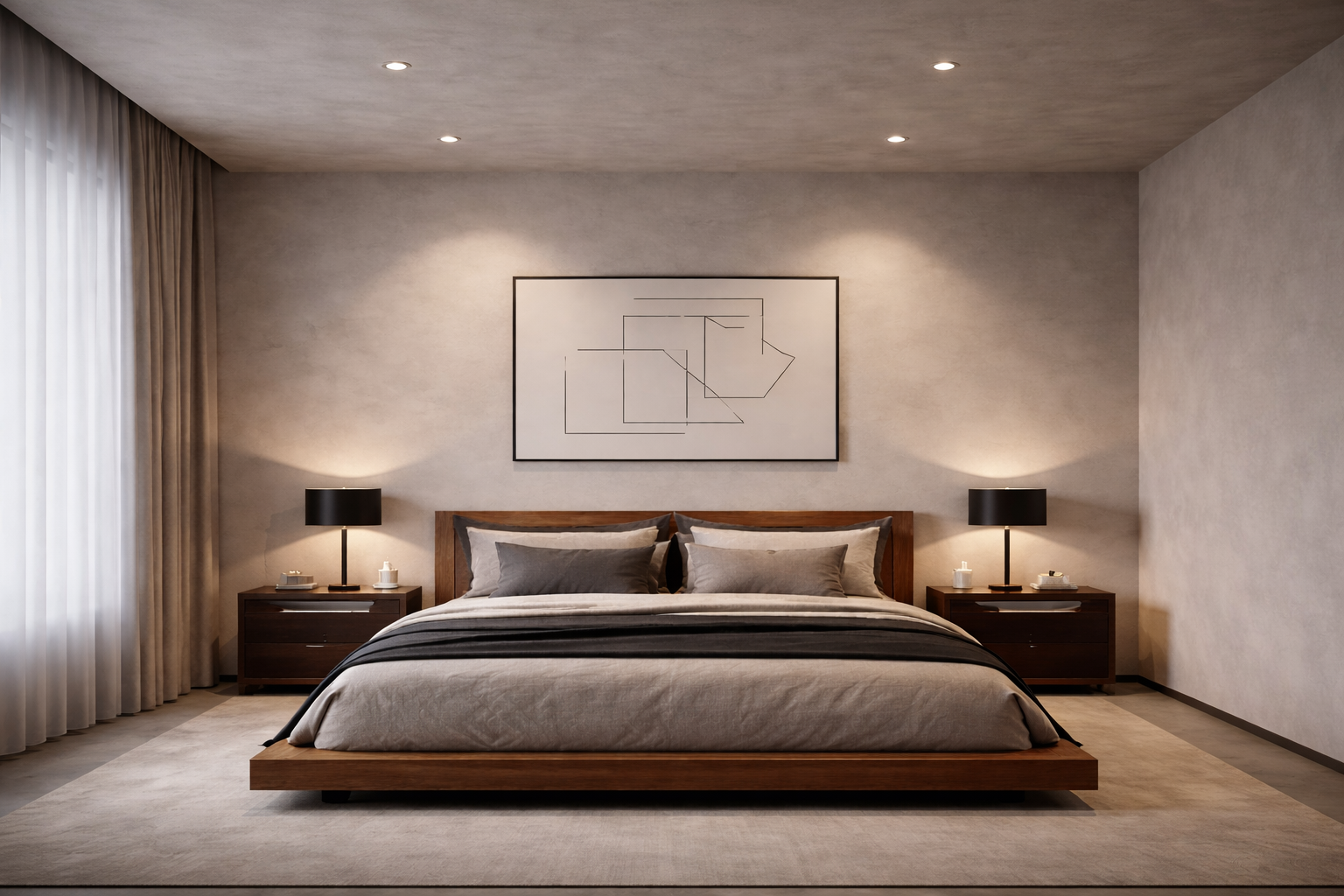
The Pros and Cons of Bedroom Downlights Downlights are common in modern homes. They’re neat, discreet, and easy to install. But in bedrooms, they can either feel calm and practical — or cold and uncomfortable. This guide explains when downlights work well in bedrooms, when they don’t, and how to design lighting that feels restful …

Defining the Modern Interior Modern interior design embraces clean lines, open space, and functional simplicity. It favours uncluttered layouts, considered materials, and lighting that enhances architecture rather than competing with it. The result is a calm, purposeful aesthetic that feels fresh, airy, and adaptable to everyday living. History of Modern Interior Design The roots of …