

Emergency lighting is a specialised lighting system designed to operate automatically when the normal electrical supply fails. Rather than providing everyday illumination, its purpose is to help occupants identify escape routes, locate exits and move through a building safely during a power failure or other emergency. Emergency lighting is commonly installed in offices, warehouses, schools, …

What Is Industrial Pendant Lighting? Industrial pendant lighting combines practical illumination with design influences inspired by factories, workshops and warehouses. Originally developed for functional environments where reliable task lighting was essential, industrial pendant lights have evolved into one of the most popular lighting styles for homes, restaurants, retail spaces and commercial interiors. Today, industrial pendant …
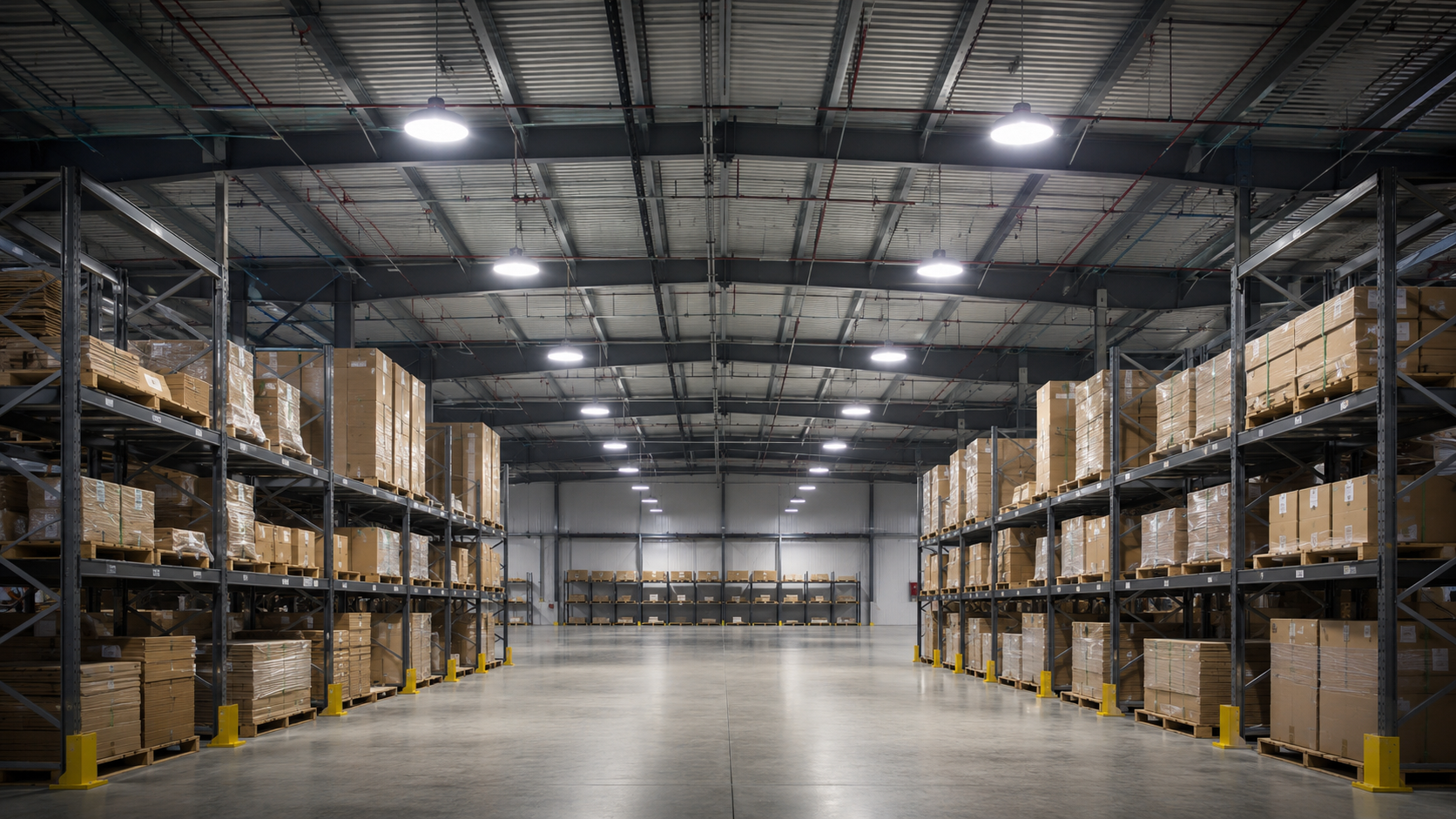
Warehouse Lighting in Modern Industry. Warehouse lighting plays a vital role in safety, productivity and operational efficiency. Whether used in logistics centres, distribution hubs, manufacturing facilities or storage warehouses, effective lighting helps employees work safely while supporting efficient day-to-day operations. Modern warehouse lighting has evolved significantly in recent years. Advances in LED technology, lighting controls …
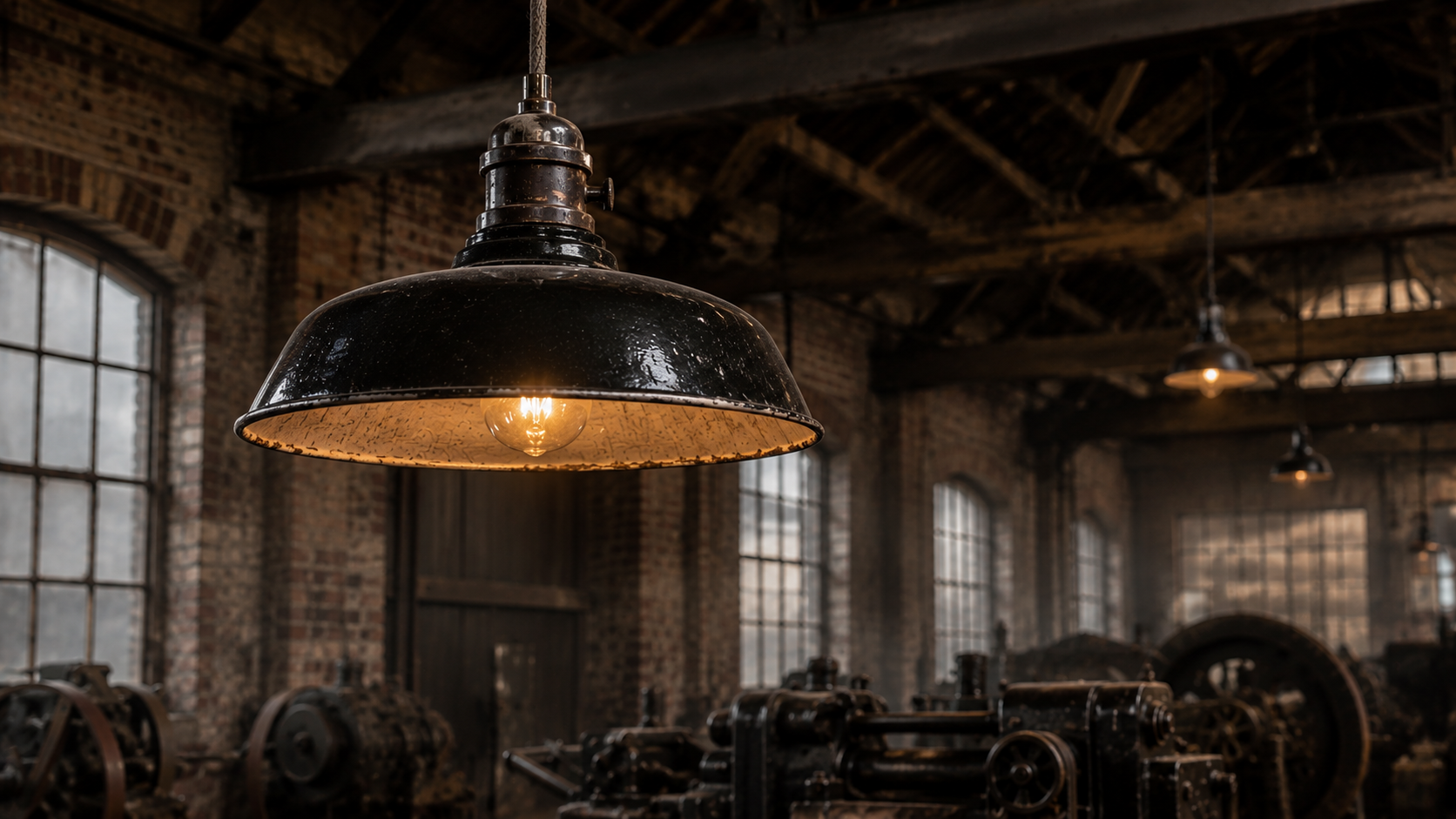
Why Industrial Lighting Matters. Industrial lighting has played a critical role in economic development, manufacturing and workplace safety for more than two centuries. From the earliest gas-lit factories of the Industrial Revolution to today’s energy-efficient LED systems, advances in industrial illumination have helped extend working hours, improve productivity and support technological progress. The history of …
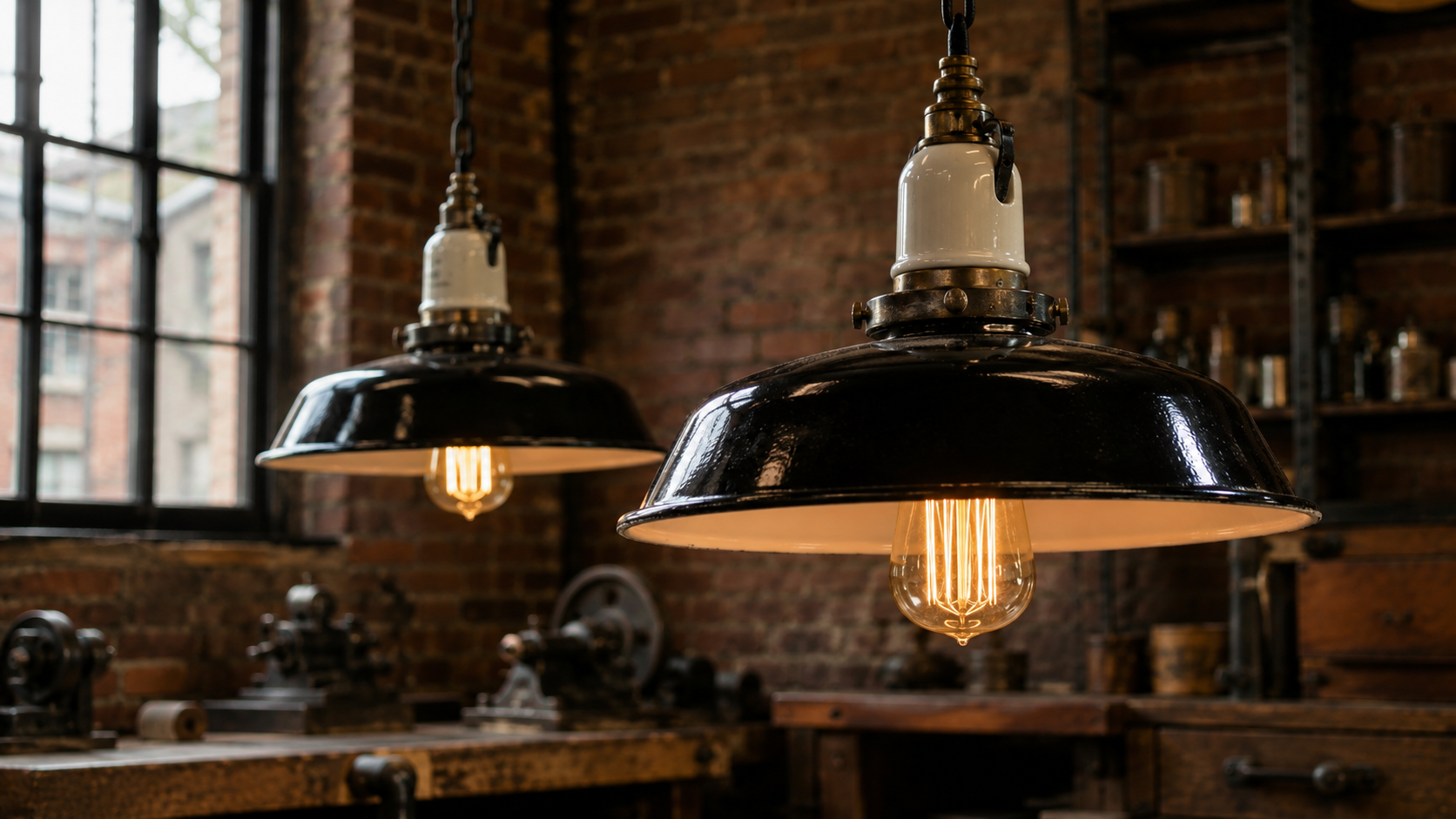
The Origins of Benjamin Electric. Benjamin Electric became one of the notable names associated with early industrial electrical lighting in the United States. Closely connected with practical factory illumination, porcelain lamp holders, industrial pendants, and early electrical fittings, the company helped shape the appearance of commercial and industrial interiors during the growth of electric lighting. …
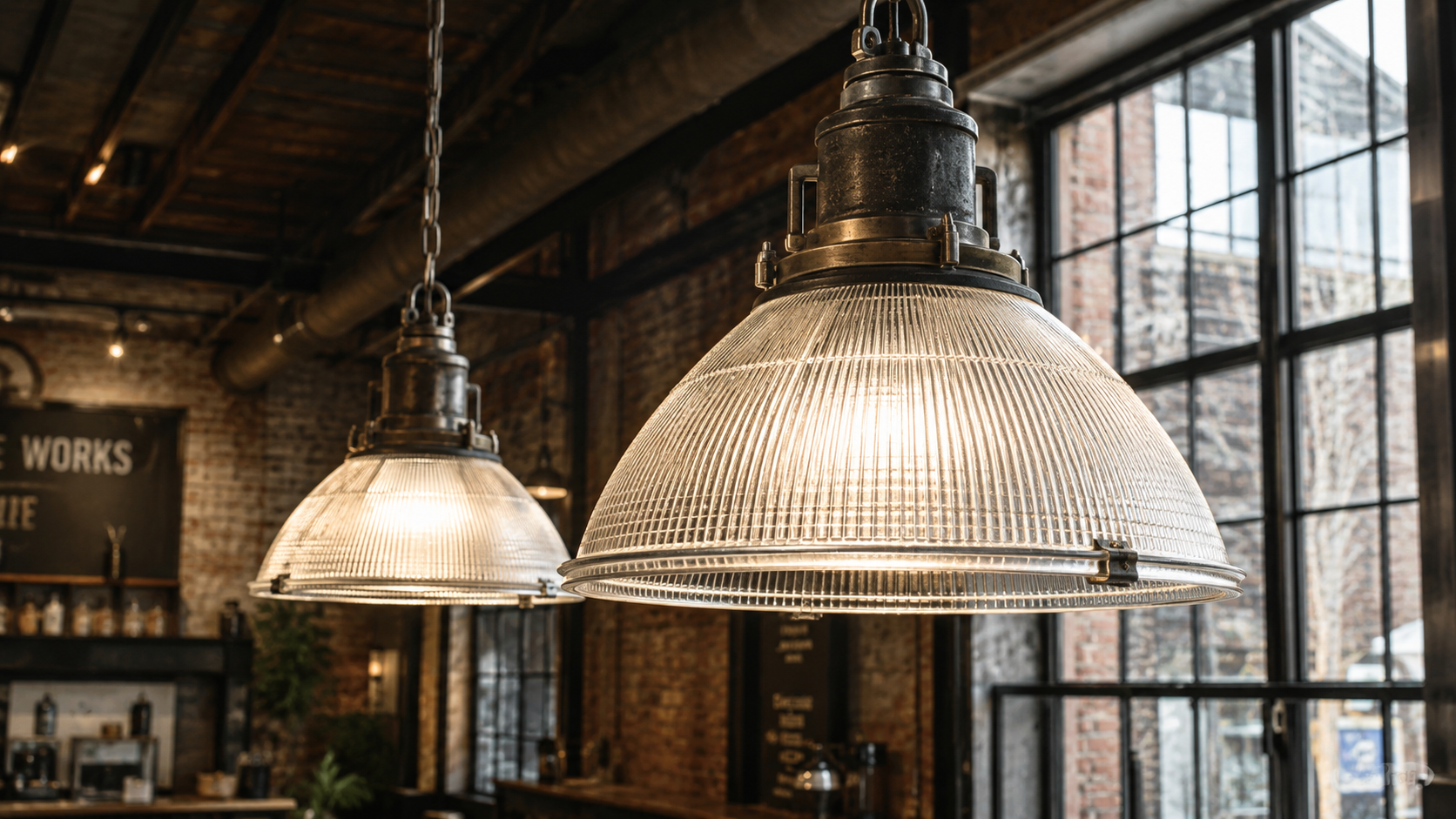
The Origins of Holophane. Holophane became one of the most recognisable names associated with industrial glass lighting and prismatic illumination. Best known for its distinctive ribbed glass shades and highly functional industrial fittings, Holophane lighting played an important role in factories, railway stations, warehouses, workshops, and large commercial buildings throughout the 20th century. Unlike many …
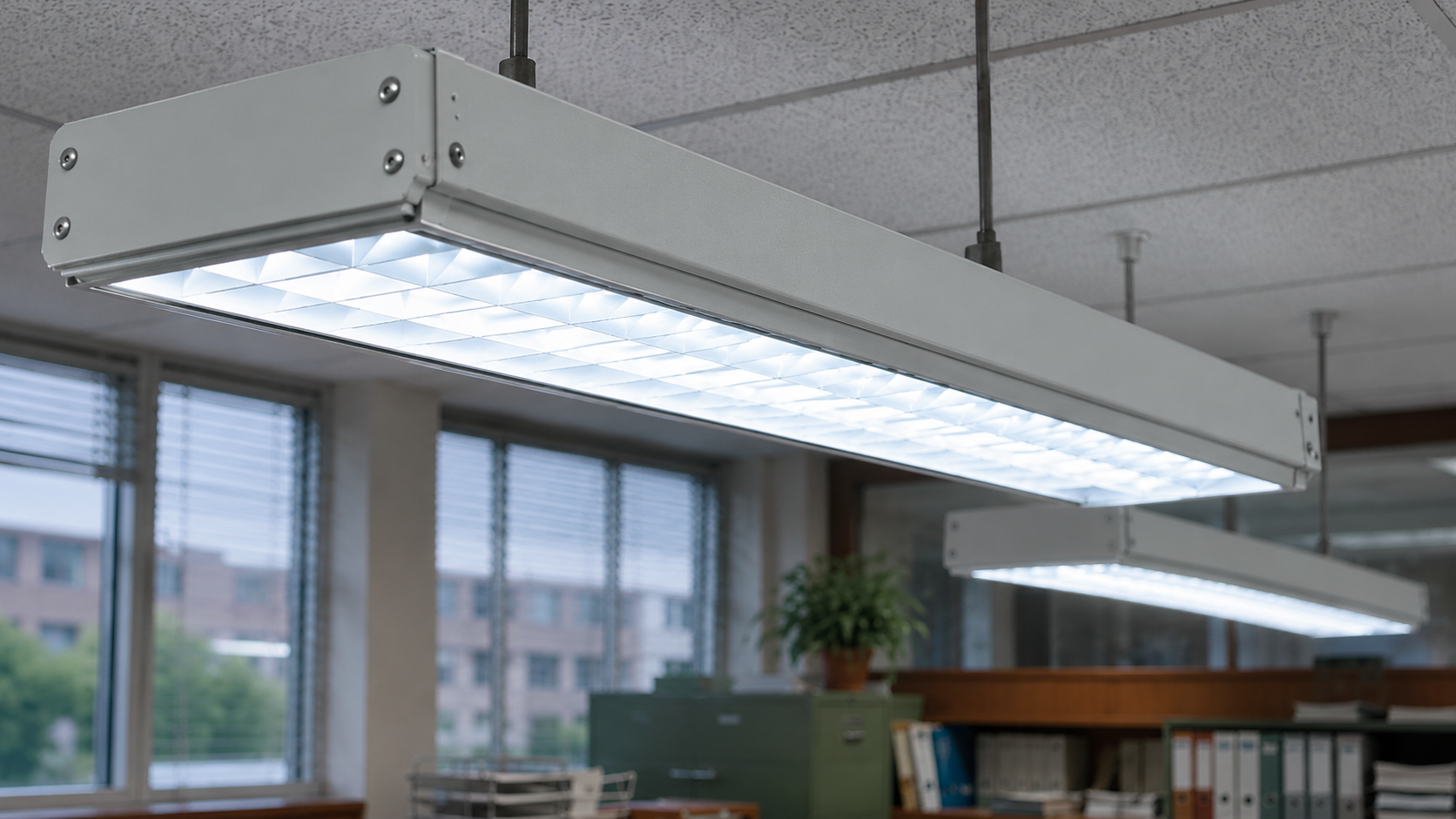
The Origins of Thorn Lighting. Thorn Lighting became one of the most recognisable names associated with Britain’s post-war lighting industry. Closely connected with commercial lighting, fluorescent fittings, street lighting, and large-scale public infrastructure, Thorn played a major role in shaping the appearance of offices, schools, factories, warehouses, and public buildings throughout the mid and late …
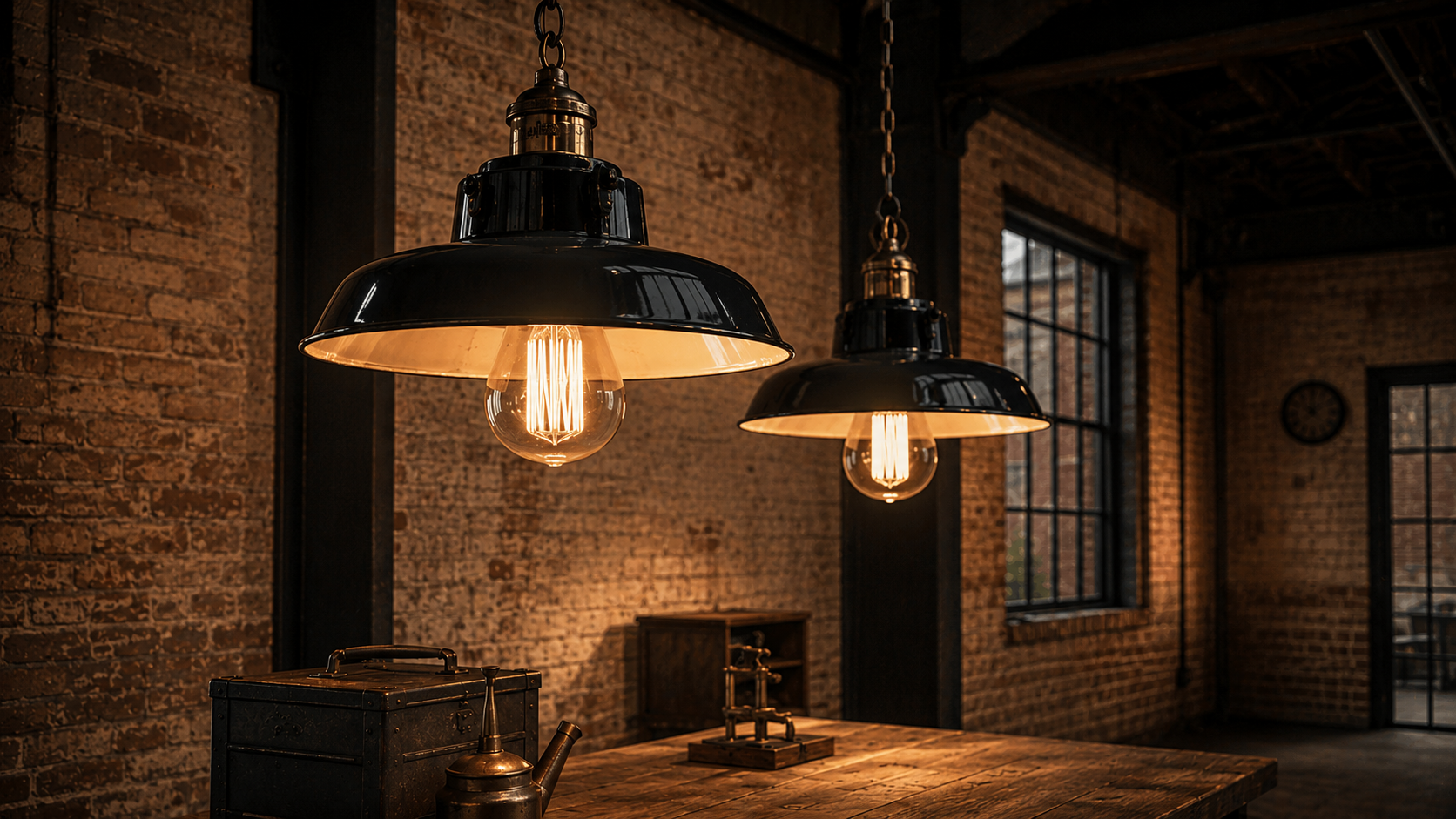
The Origins of Crompton Lamps. Crompton Lamps became one of the best-known names associated with Britain’s early electrical lighting industry. Closely linked with lamp manufacturing, electrical engineering, and large-scale industrial infrastructure, the Crompton name emerged during a period when electric illumination was transforming homes, workplaces, factories, and public buildings across Britain. Today, Crompton is remembered …
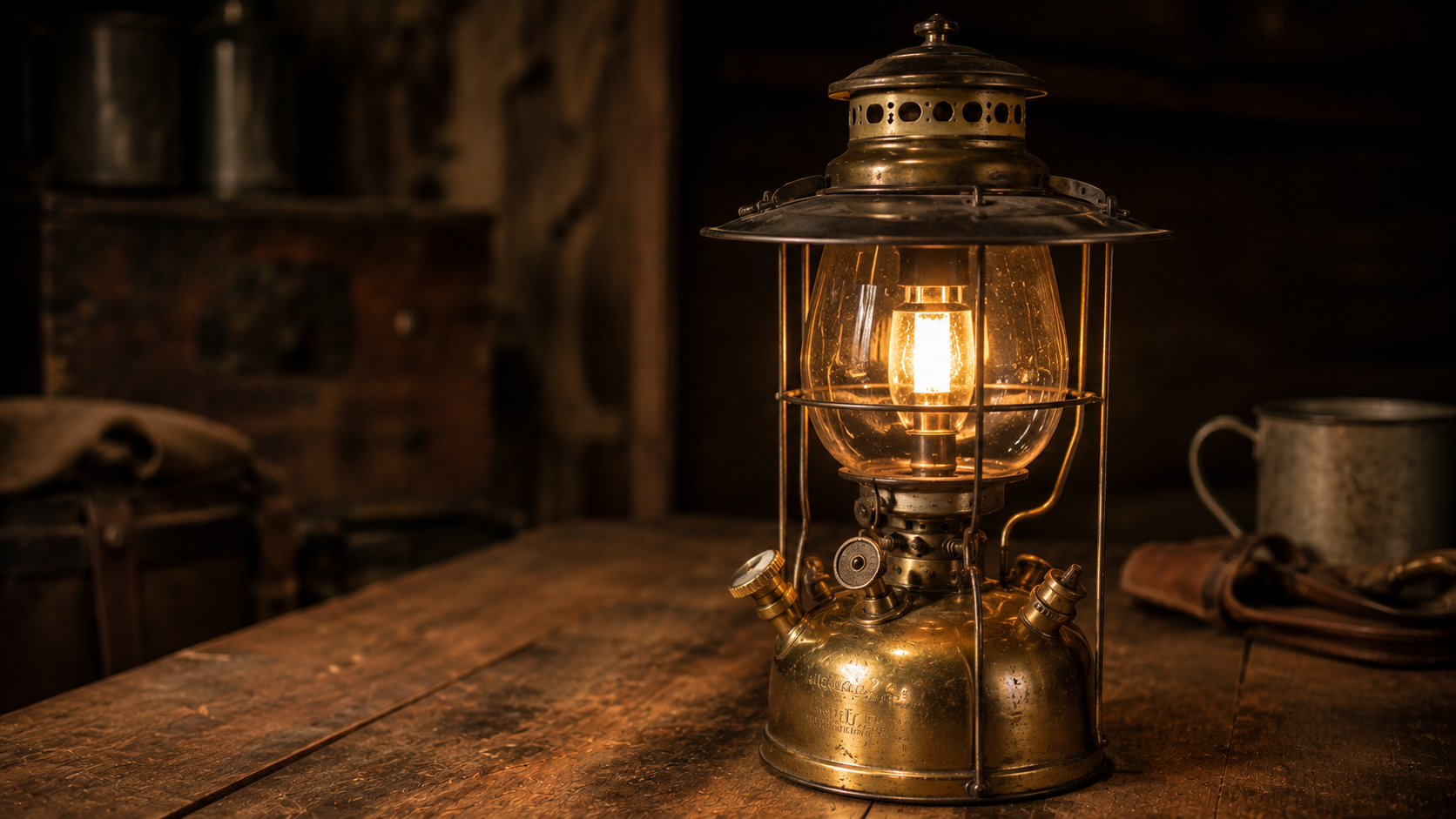
The Origins of Tilley Lamps. Tilley Lamps became one of the most recognisable names in British pressure lighting during the 20th century. Best known for paraffin pressure lanterns and portable lighting, Tilley supplied dependable illumination for homes, railways, workshops, military operations, camping, and industrial environments long before electric lighting became universally available. The wider Tilley …