
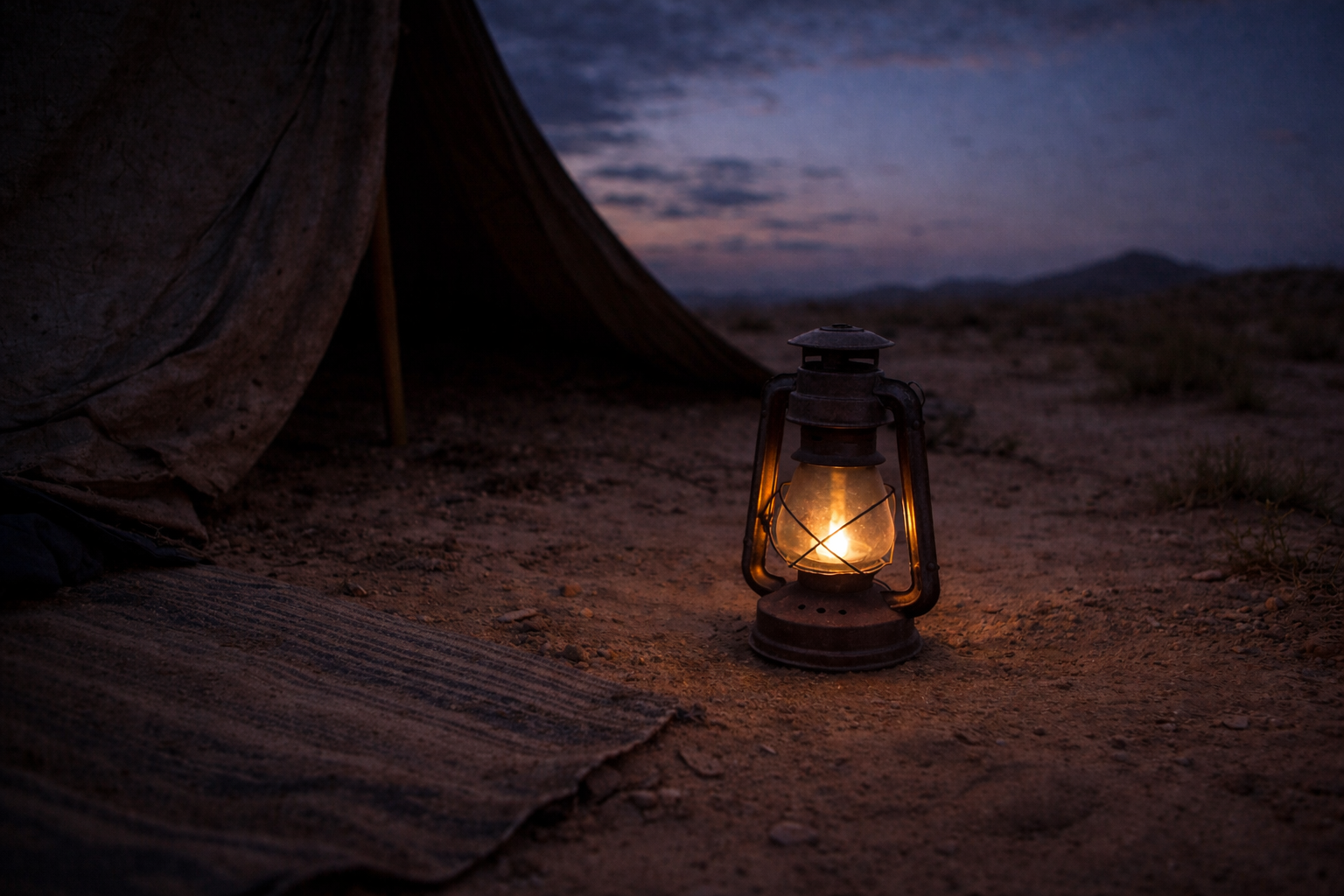
Light and Life in the Sahara Across the vast landscapes of the Sahara, light has always played a vital role in daily life. For the Tuareg people, a nomadic culture spread across North Africa, lanterns are not simply decorative objects — they are practical tools shaped by the demands of desert living and long-distance travel. …
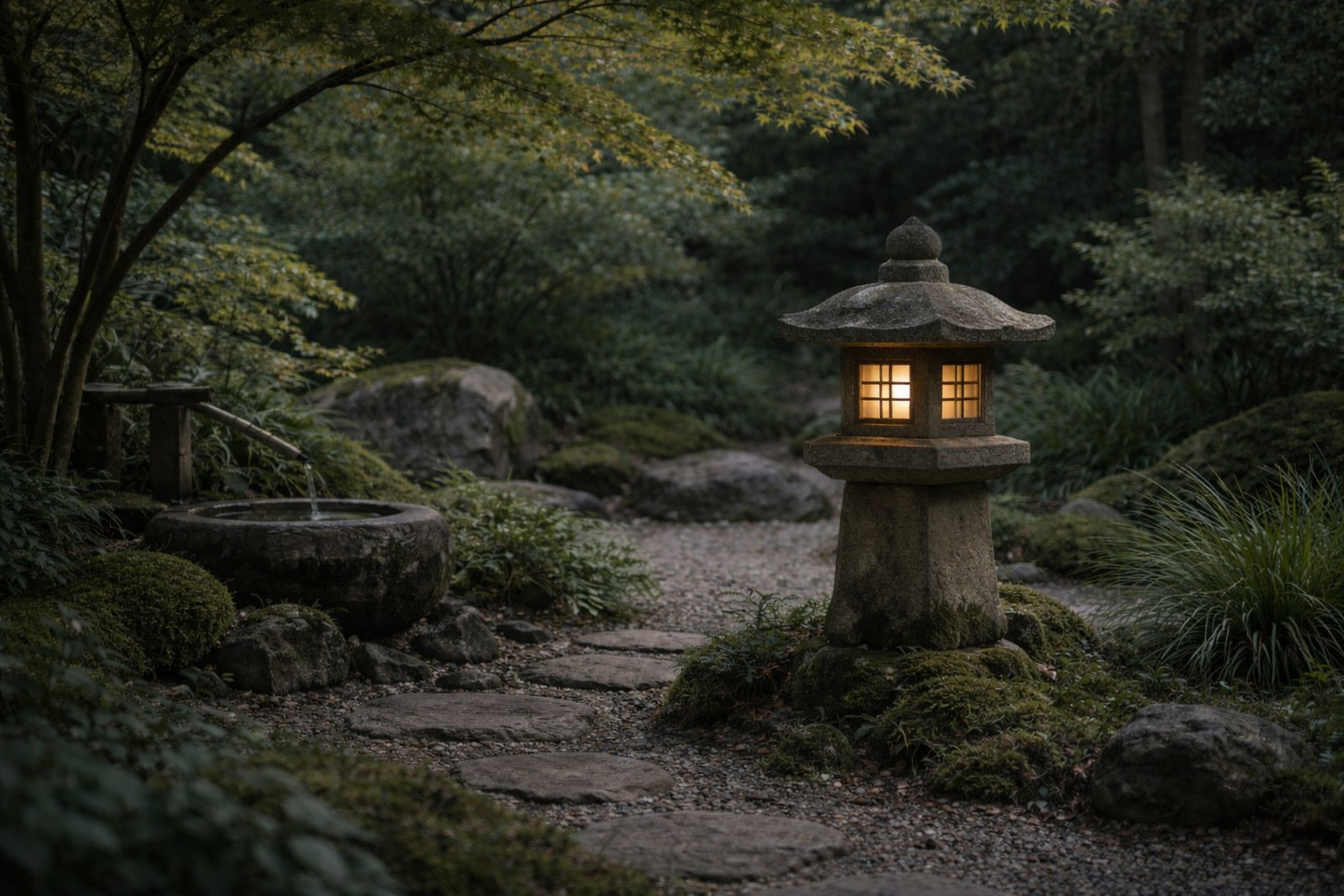
Light and Balance in Japanese Gardens Japanese stone lanterns, known as tōrō, are a traditional feature of temple grounds and gardens, where light is used with restraint and purpose. Rather than illuminating a space fully, these lanterns create a soft, guiding glow that enhances calm, balance, and reflection. Often found along pathways, near water, or …
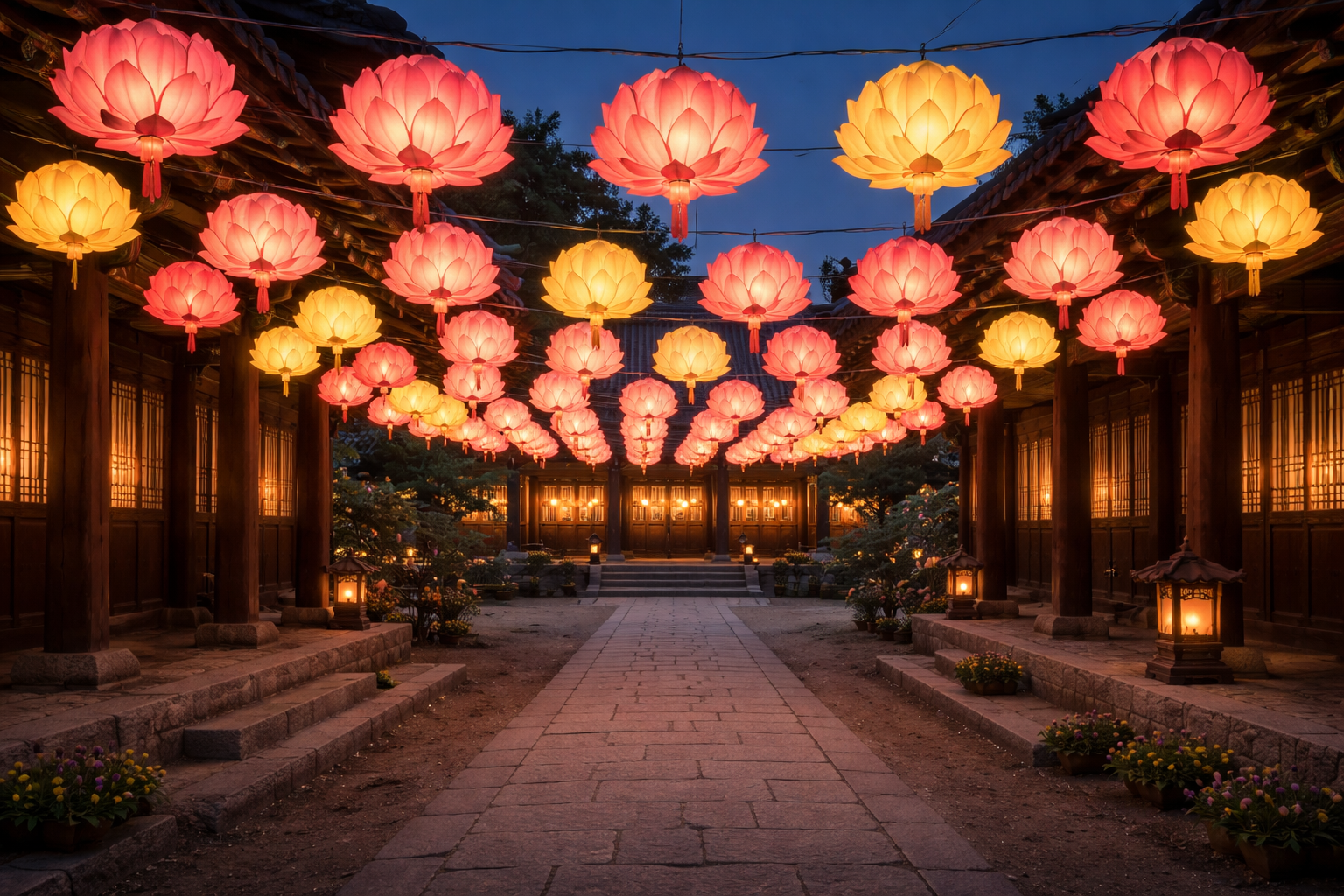
Every spring, the streets and temples of Korea glow with thousands of colourful lanterns celebrating one of the most important events in the Buddhist calendar — the birth of the Buddha. Known as the Yeondeunghoe Lantern Festival, this centuries-old celebration transforms cities with light, colour, and spiritual symbolism. At the centre of the festival is …

Light as Ceremony In Korea, light has long marked moments of transition. Lanterns do more than illuminate a path; they signal meaning, belonging, and ritual. When a lantern appears in a procession, it is rarely decorative alone. It carries symbolism shaped by centuries of cultural practice. Among the most recognisable of these forms is the …
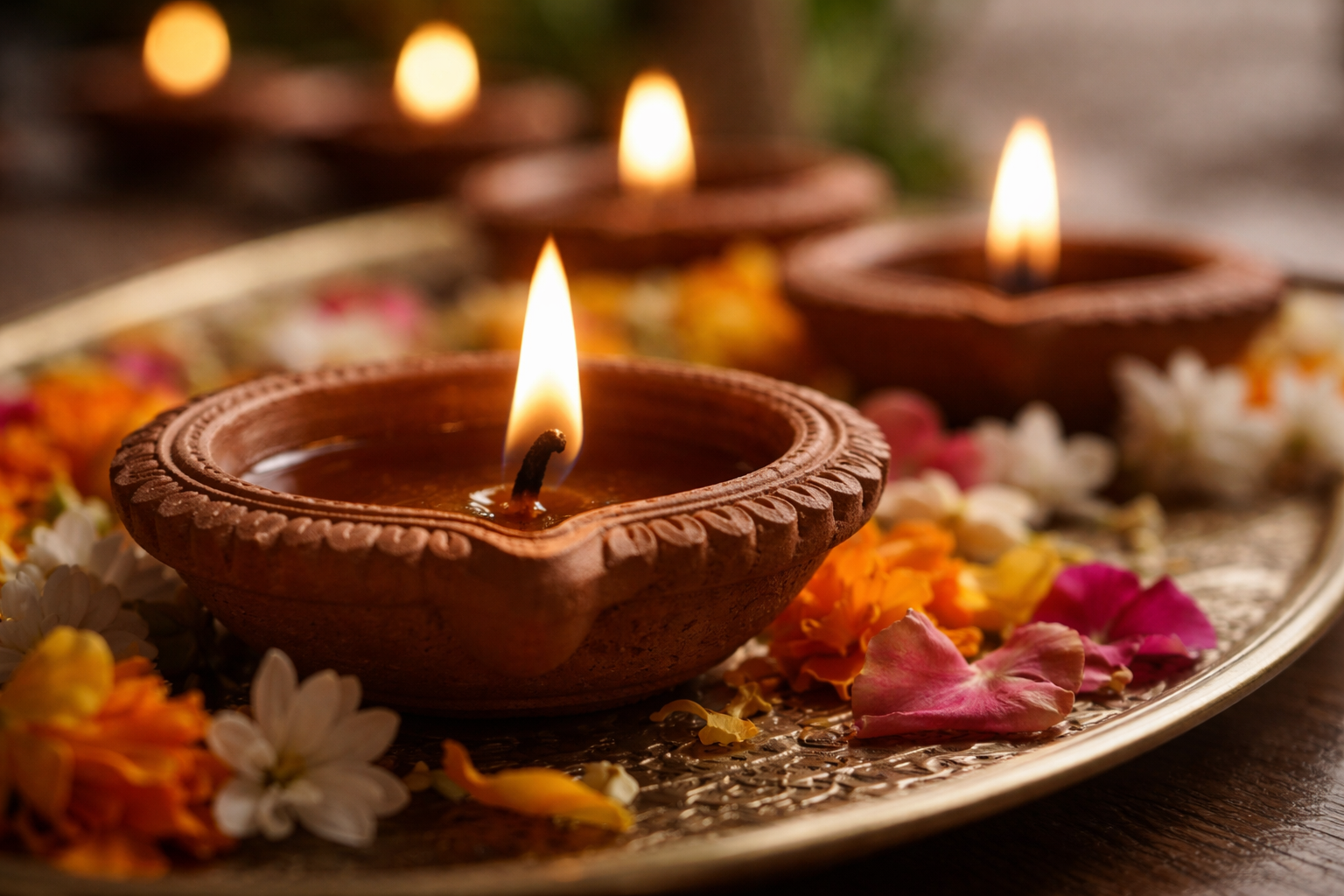
Light Before Architecture Long before permanent buildings, electricity, or even metalworking, humans shaped light. In the Indian subcontinent, this shaping took the form of the diya — a simple oil lamp made from earth, flame, and intention. Diyas are among the world’s oldest decorative lighting objects still in continuous use. They are not merely tools …
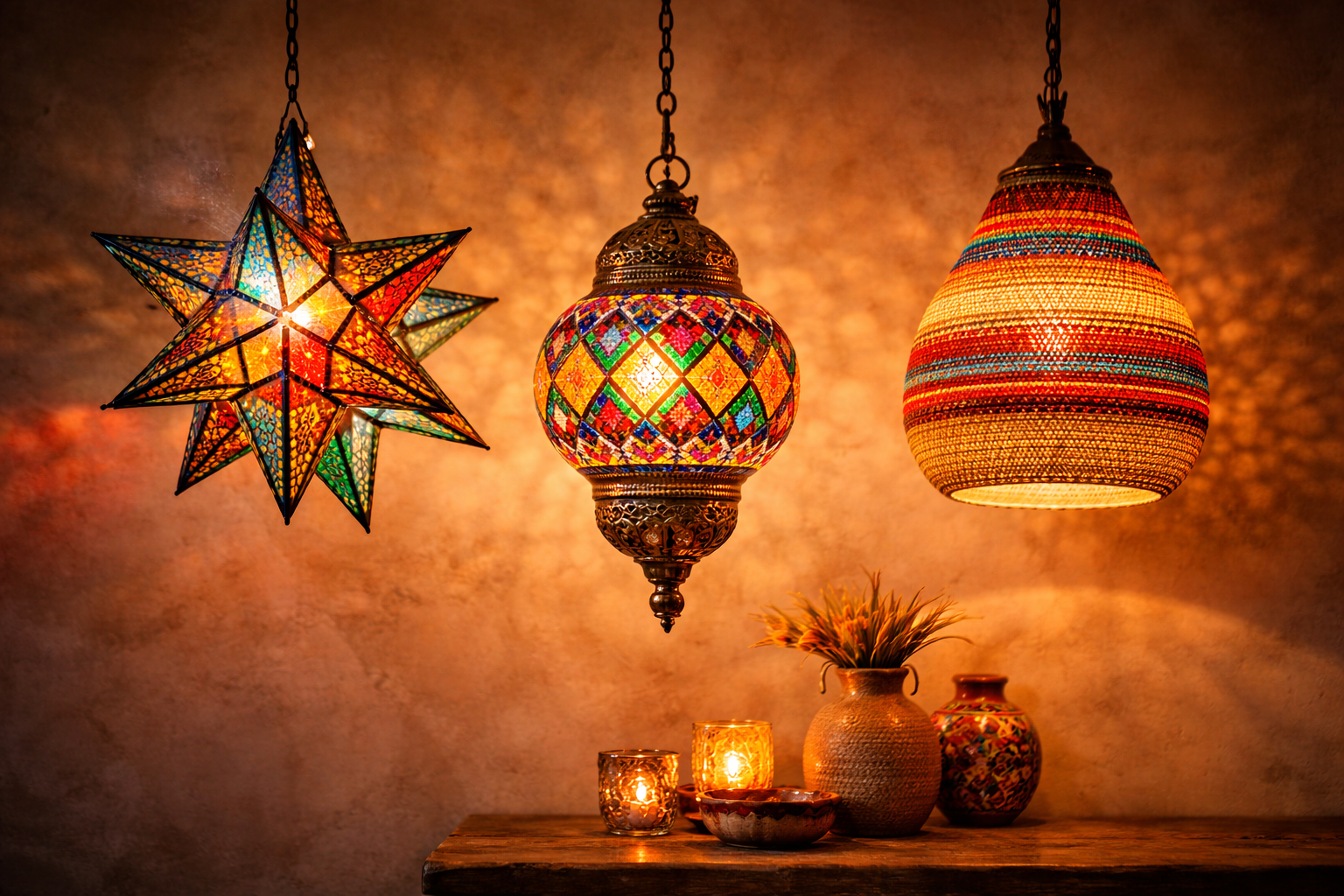
Light as Culture, Not Just Illumination Across Latin America, light is inseparable from celebration. It marks festivals, honours faith, animates streets, and transforms ordinary spaces into places of gathering. Lighting is rarely neutral. It is expressive, colourful, and deeply human. From punched tin lanterns in Mexico to woven fibre shades in the Andes, Latin American …
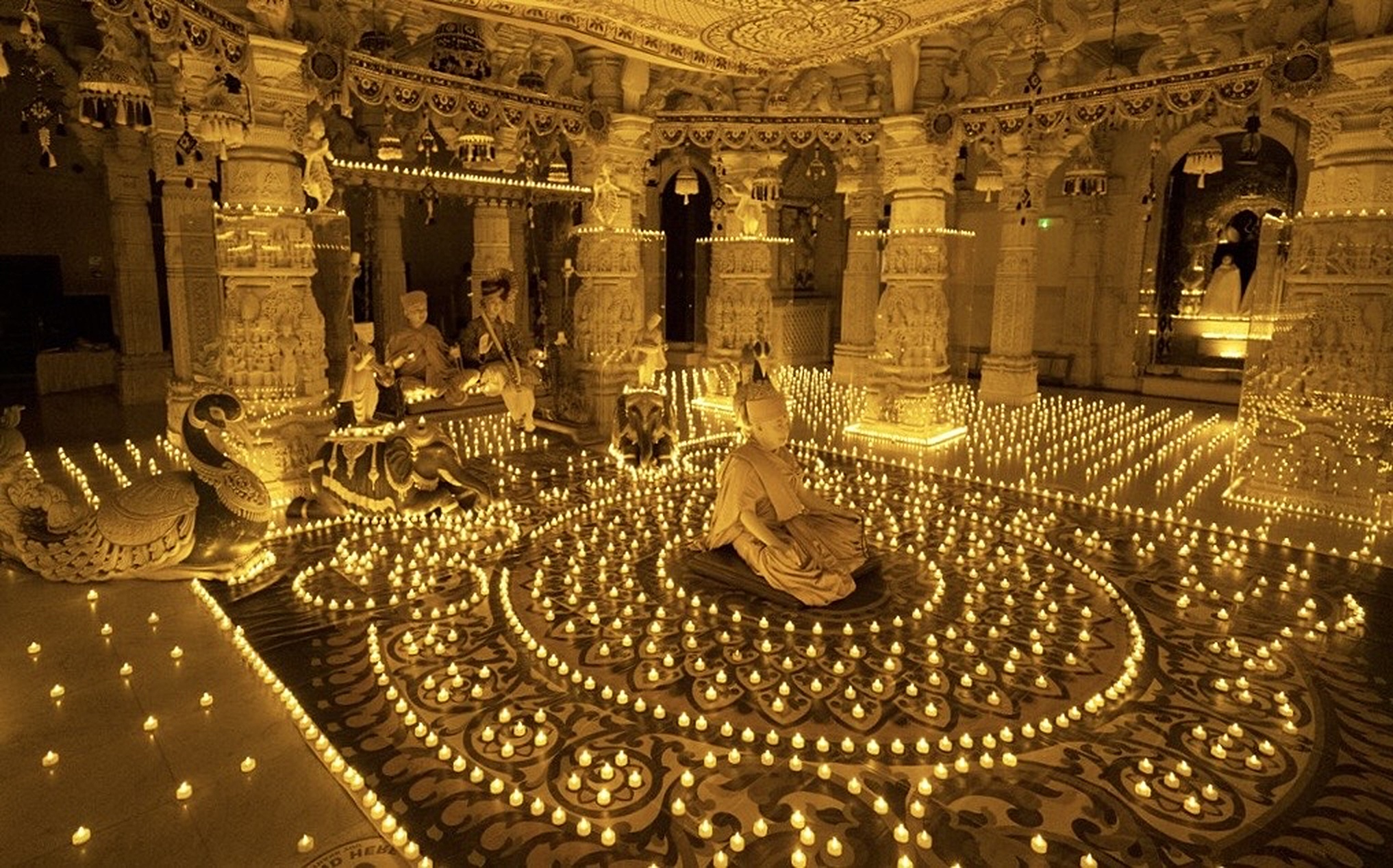
Where Light Becomes Presence In Hindu temples, light is never incidental. It is not simply a way to see – it is a way to encounter. Flame, shadow, and glow shape how the sacred is perceived, guiding the body and the mind toward reverence. Unlike modern interiors, which aim for even illumination, temples are designed …
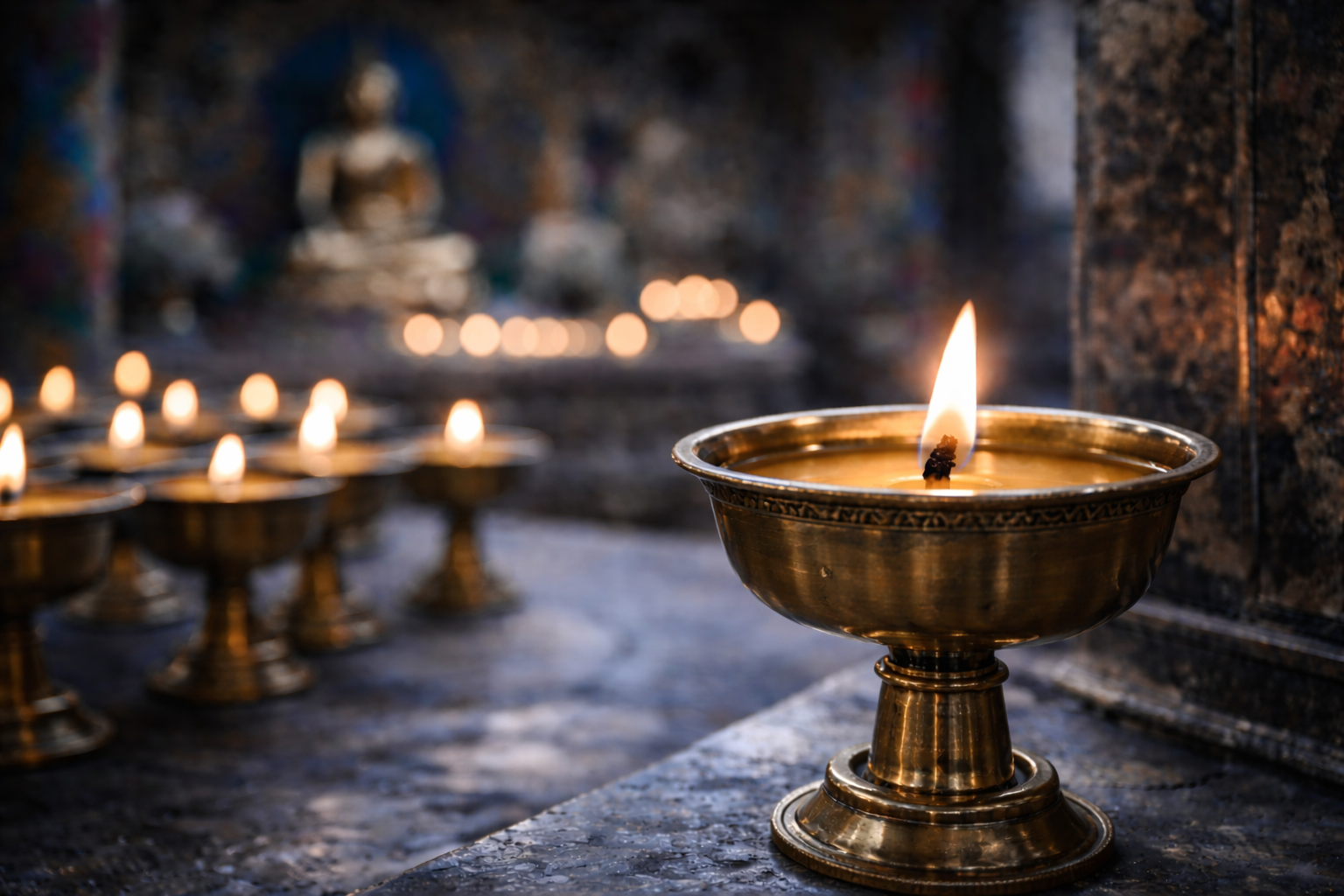
Light as Offering, Light as Impermanence Long before light became a matter of switches and sockets, it was something carried, tended, and offered. In Buddhist tradition, light is not merely practical – it is symbolic. It represents clarity, wisdom, compassion, and the fragile nature of existence itself. Butter lamps, found in temples, monasteries, and homes …