
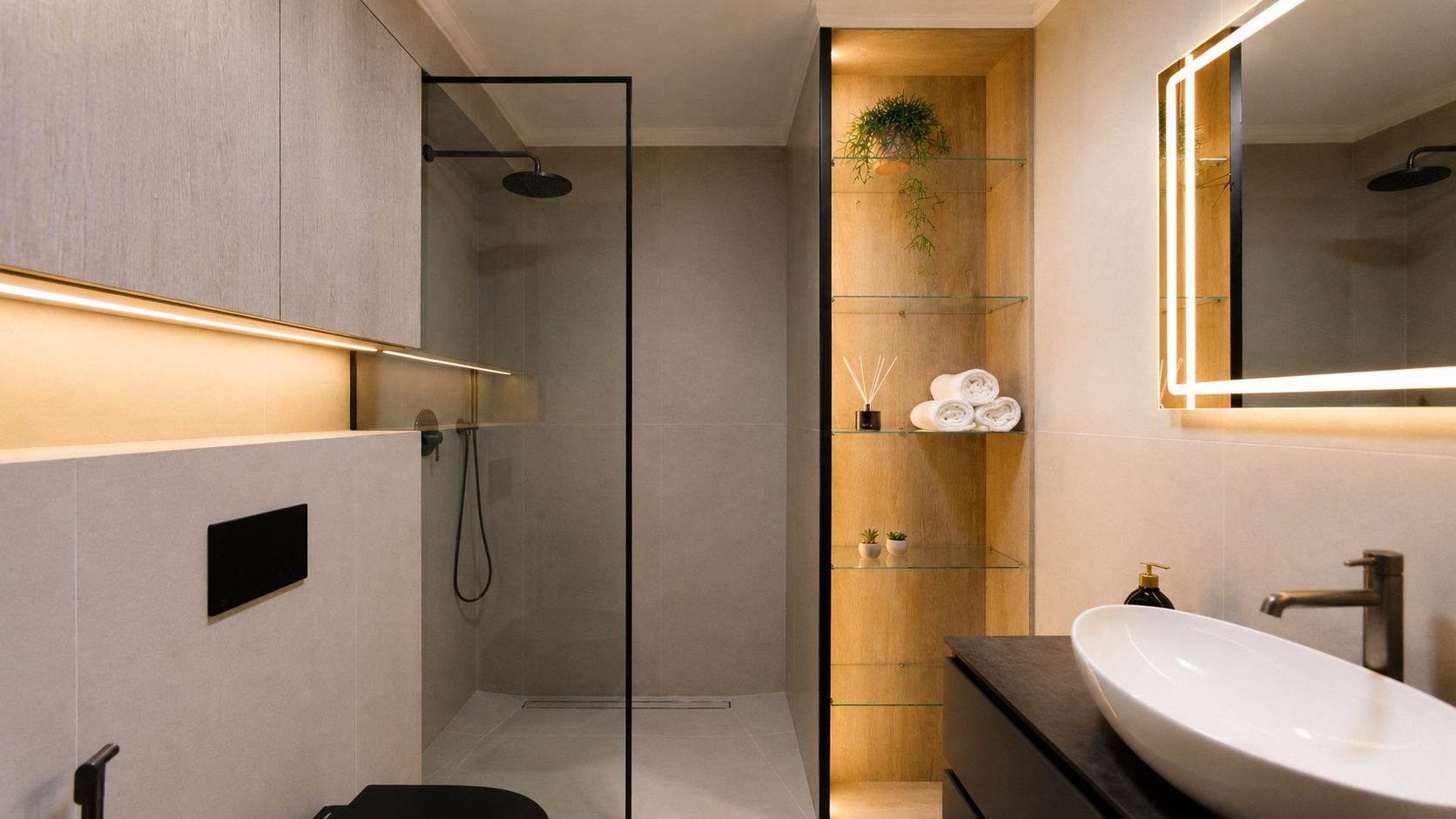
How to Use Light to Give Niches Depth and Purpose. Interior niches, recessed shelves and alcoves create natural opportunities for lighting. Rather than illuminating an entire room, light can be concentrated within these smaller architectural spaces to reveal materials, display objects and introduce depth into otherwise flat walls. The most successful niche lighting rarely needs …
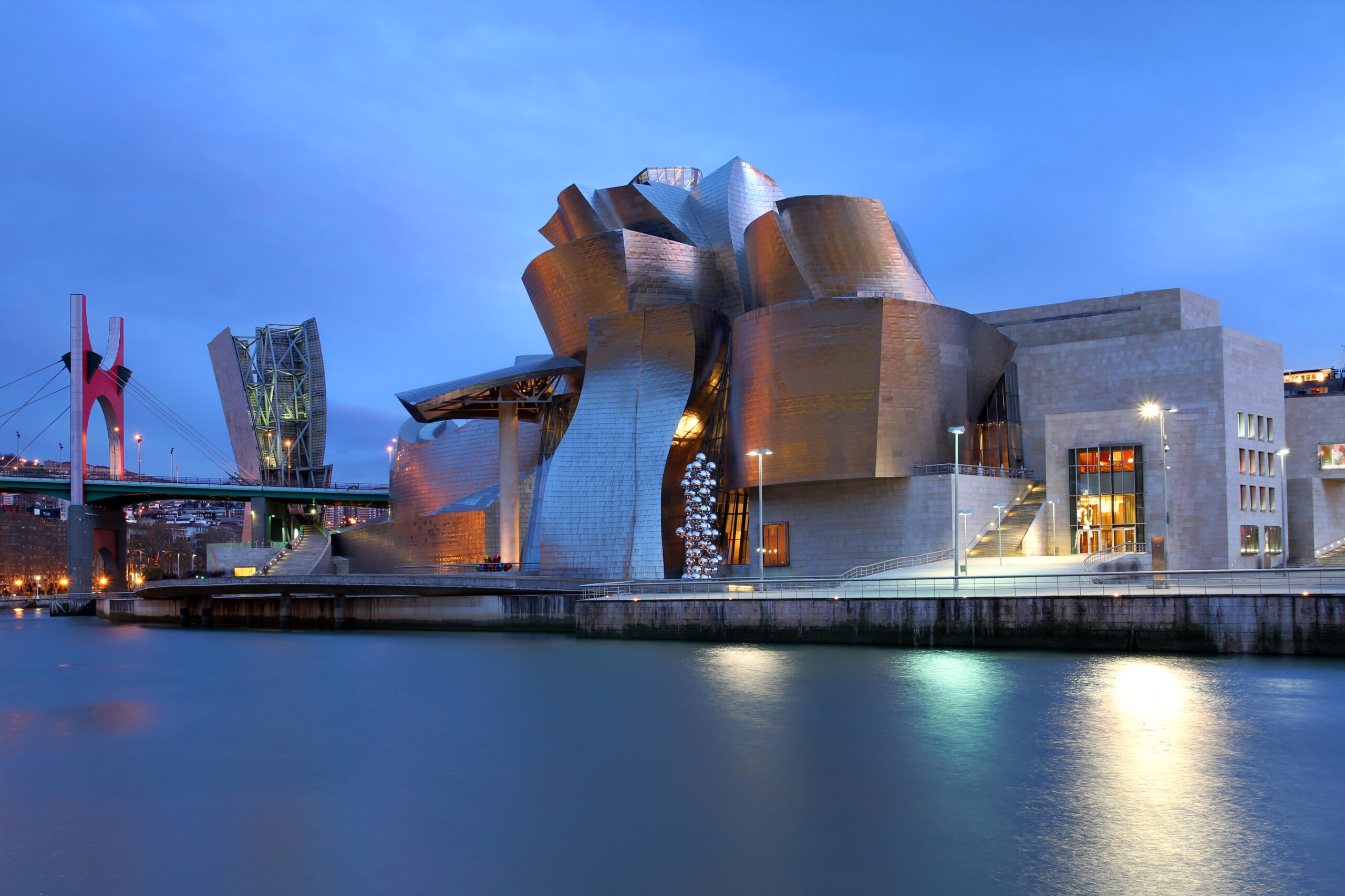
Reflective Architecture and the Power of Light. The Guggenheim Museum Bilbao is one of the most celebrated examples of contemporary architecture in the world. Located beside the Nervión River in Bilbao, Spain, the museum is recognised for its sculptural form, reflective titanium exterior and the remarkable way light transforms its appearance throughout the day. Designed …
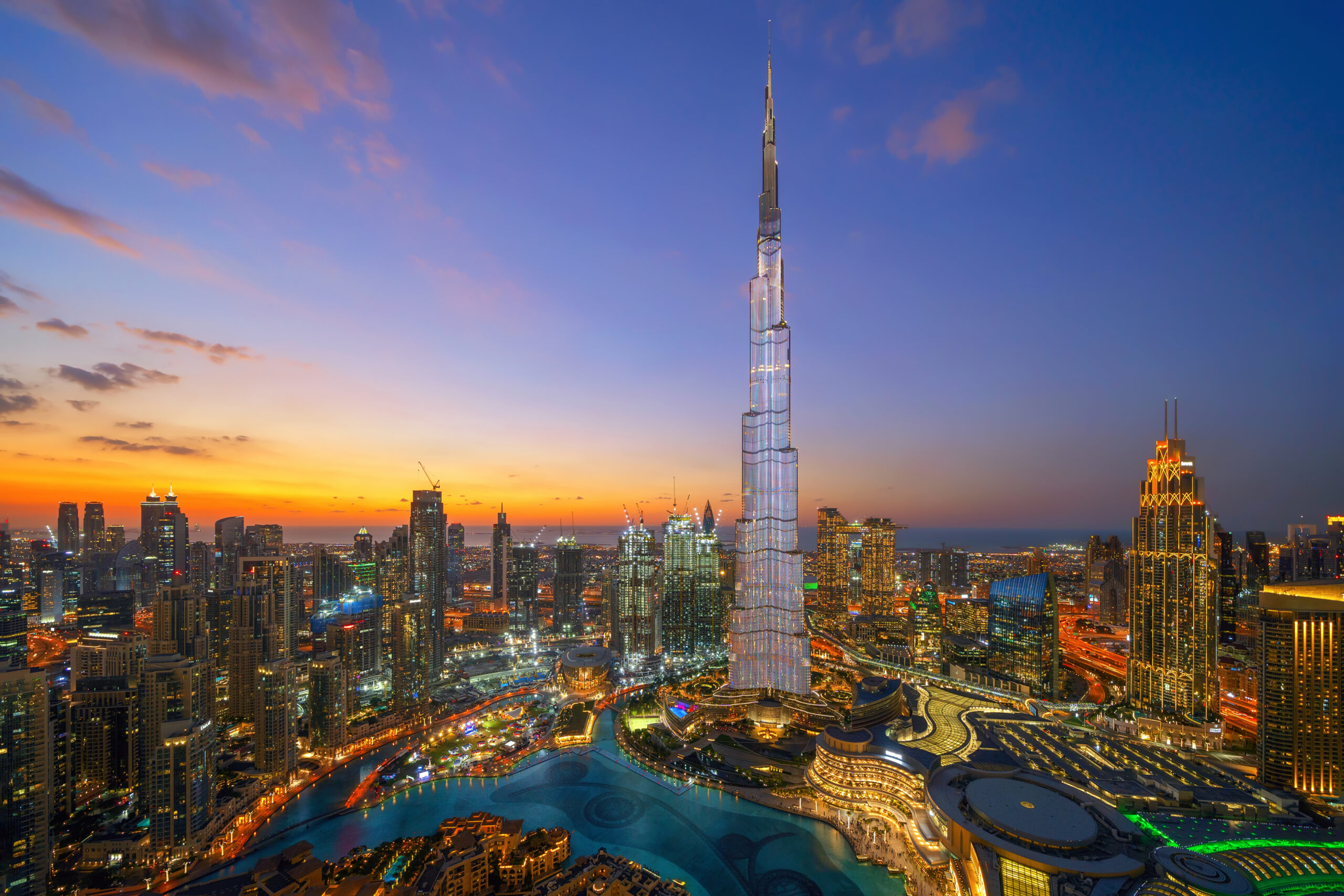
Lighting the World’s Tallest Building. The Burj Khalifa is the tallest building in the world and one of the most recognisable landmarks of modern architecture. Rising 828 metres above Dubai, it demonstrates how architectural lighting can reinforce identity at an unprecedented vertical scale. Its record-breaking height attracts global attention, but the building’s lighting has also …
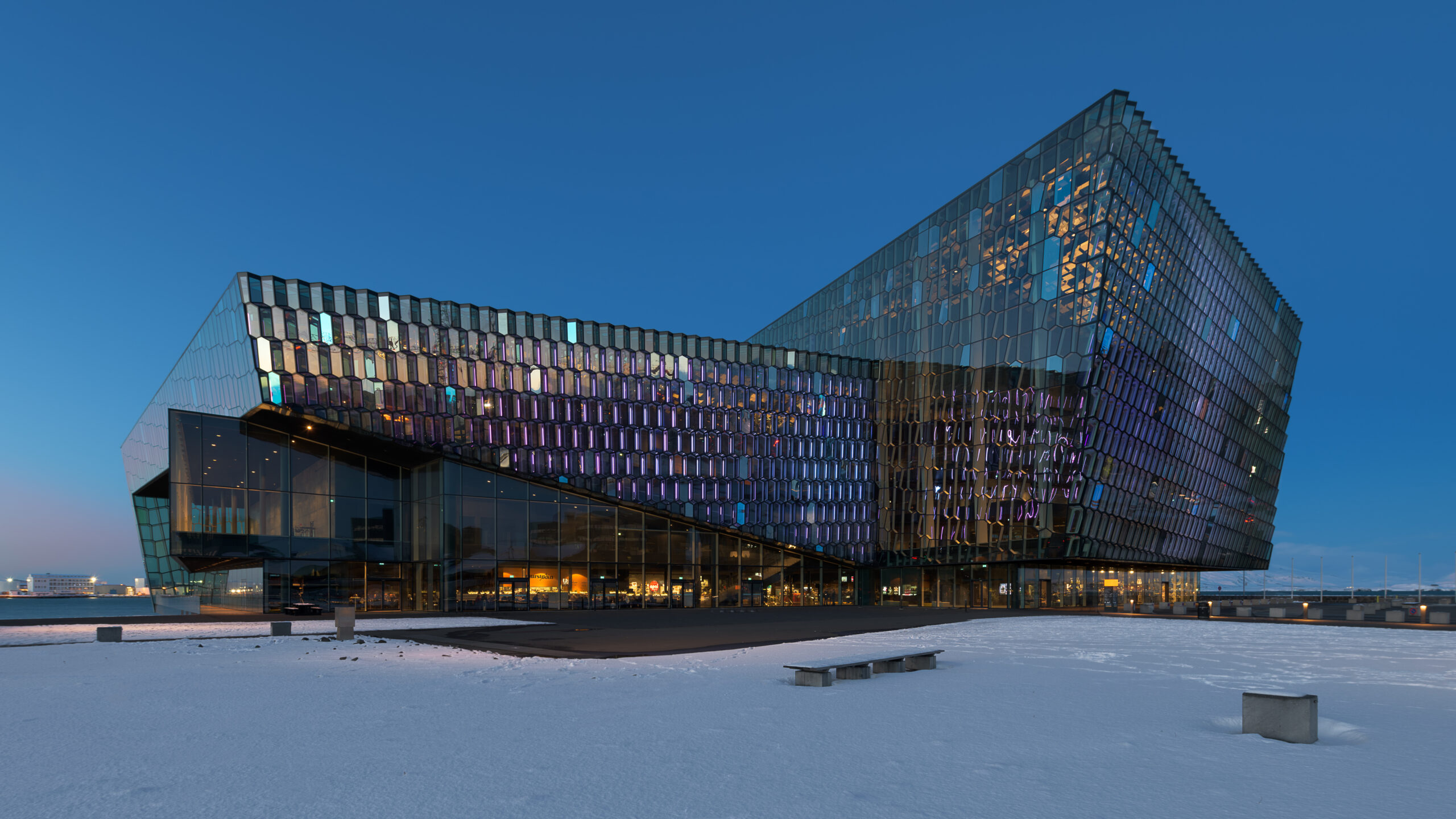
When Light Becomes Part of the Architecture. Harpa Concert Hall has become one of the defining landmarks of Reykjavík and one of the world’s most celebrated examples of contemporary architectural lighting. Standing on Iceland’s waterfront, the building is recognised internationally for its crystalline glass façade, where structure, reflection and integrated illumination combine to create a …
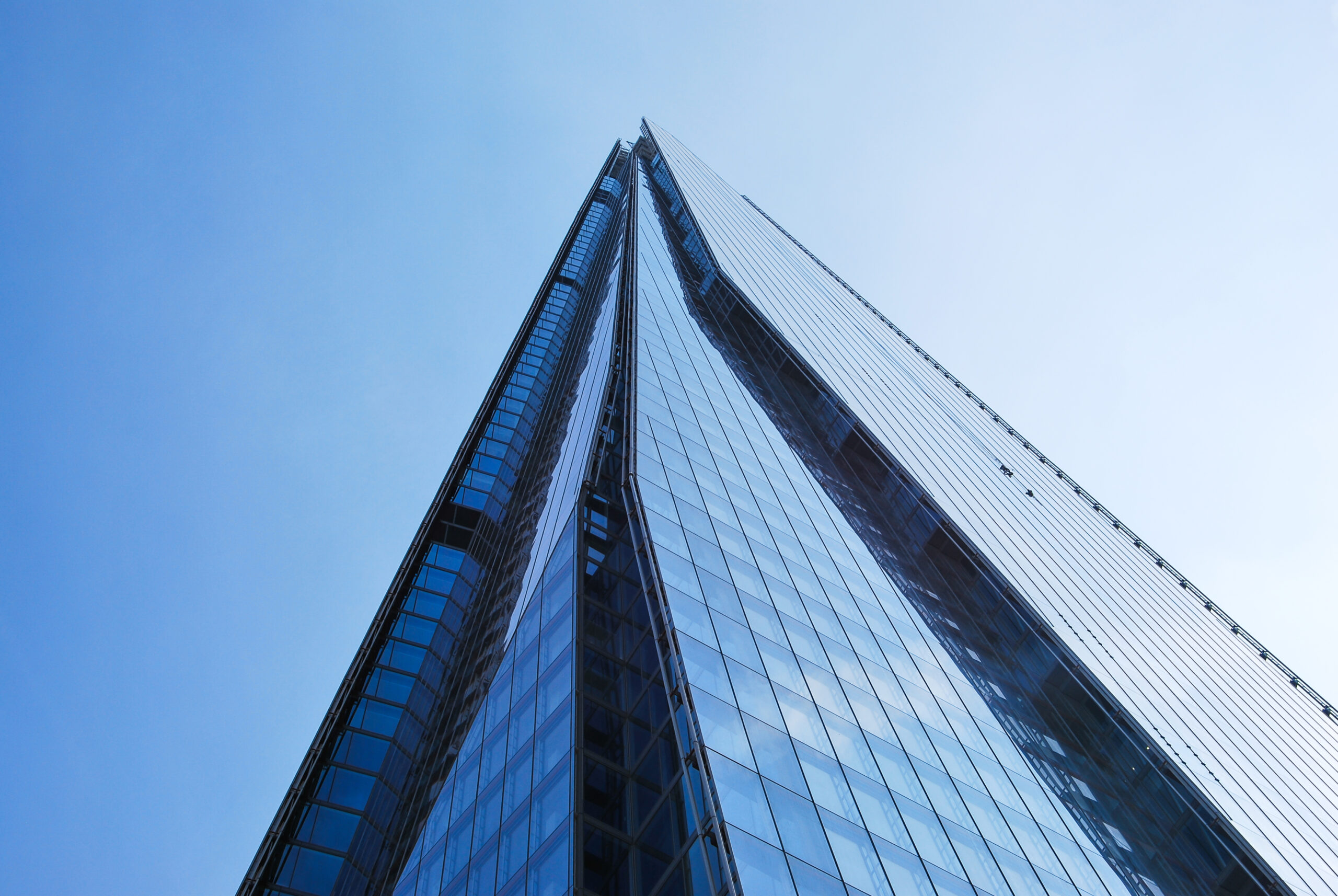
The Architecture and Lighting of The Shard. The Shard is one of the defining features of the London skyline. Rising 310 metres above the capital, the glass-clad skyscraper is instantly recognisable through its tapering form, reflective façade and illuminated crown. Designed by architect Renzo Piano and completed in 2012, the building demonstrates how architecture, transparency …
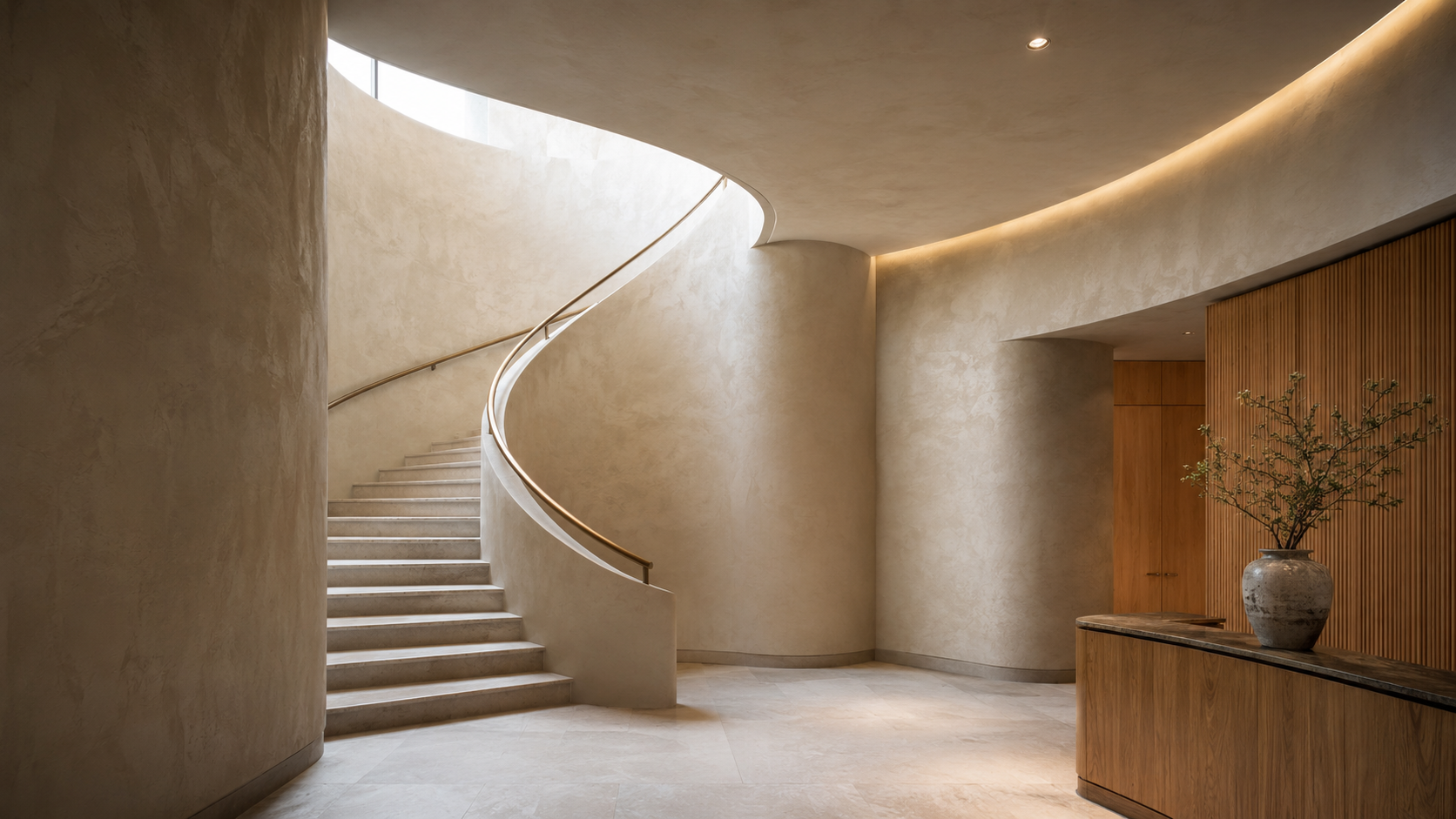
Lighting plaster and textured walls requires a careful balance. The right light can reveal subtle trowel marks, tonal variation and hand-applied craftsmanship, while poor positioning can expose waves, repairs, sanding marks and unwanted reflections. Smooth gypsum plaster generally benefits from broad, even illumination. Lime plaster, polished finishes, rough render and sculptural reliefs respond differently because …
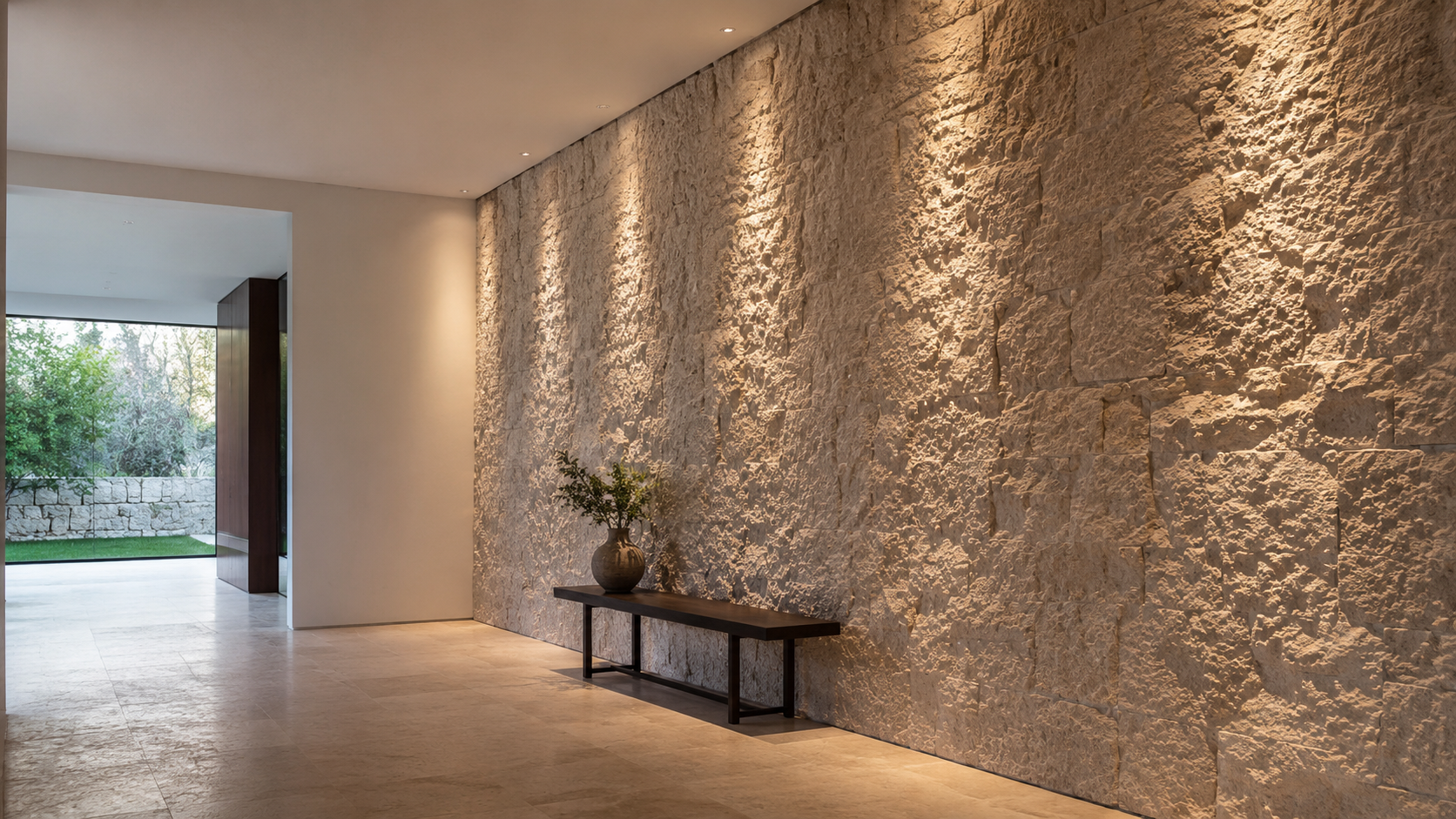
Wall grazing is an architectural lighting technique that positions light close to a surface so it travels across the material at a shallow angle. This creates small highlights and shadows that reveal texture, depth and craftsmanship more strongly than broad frontal illumination. The technique works particularly well with rough stone, brick, textured plaster, concrete, timber …
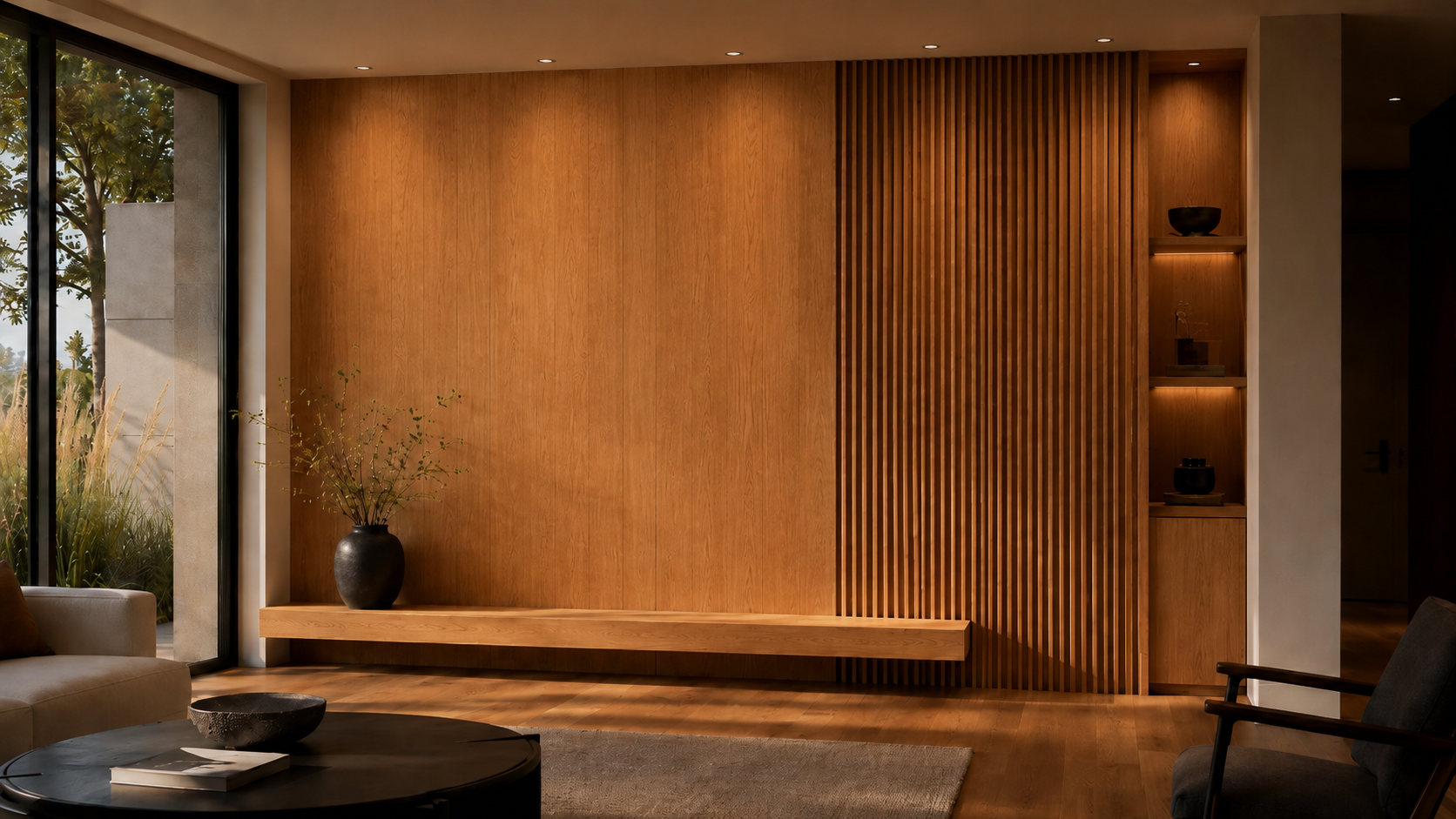
Lighting timber and wood finishes is about revealing grain, colour and craftsmanship without making the material appear flat, overly yellow or unnecessarily dramatic. The direction of the light is especially important because timber has a natural visual grain that responds differently when illuminated from above, across the surface or directly from the front. Smooth oak …
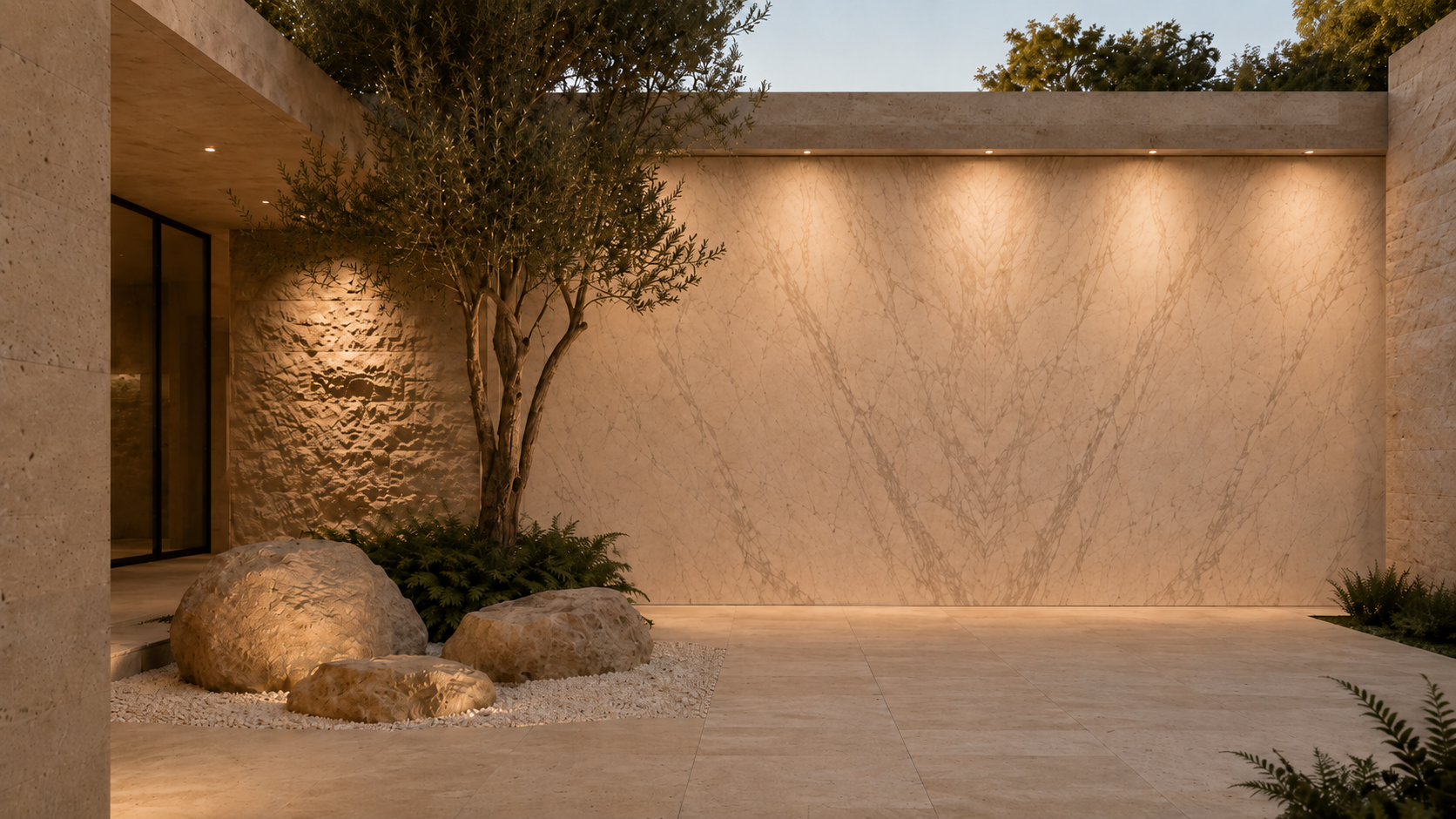
Lighting natural stone is about far more than making a surface brighter. Whether you’re illuminating limestone, marble, granite, slate or travertine, the way light interacts with the stone determines how its texture, colour, veining and natural character are perceived. A thoughtfully designed lighting scheme reveals the unique qualities of the material, while poor lighting can …