

Light as Ceremony In Korea, light has long marked moments of transition. Lanterns do more than illuminate a path; they signal meaning, belonging, and ritual. When a lantern appears in a procession, it is rarely decorative alone. It carries symbolism shaped by centuries of cultural practice. Among the most recognisable of these forms is the …
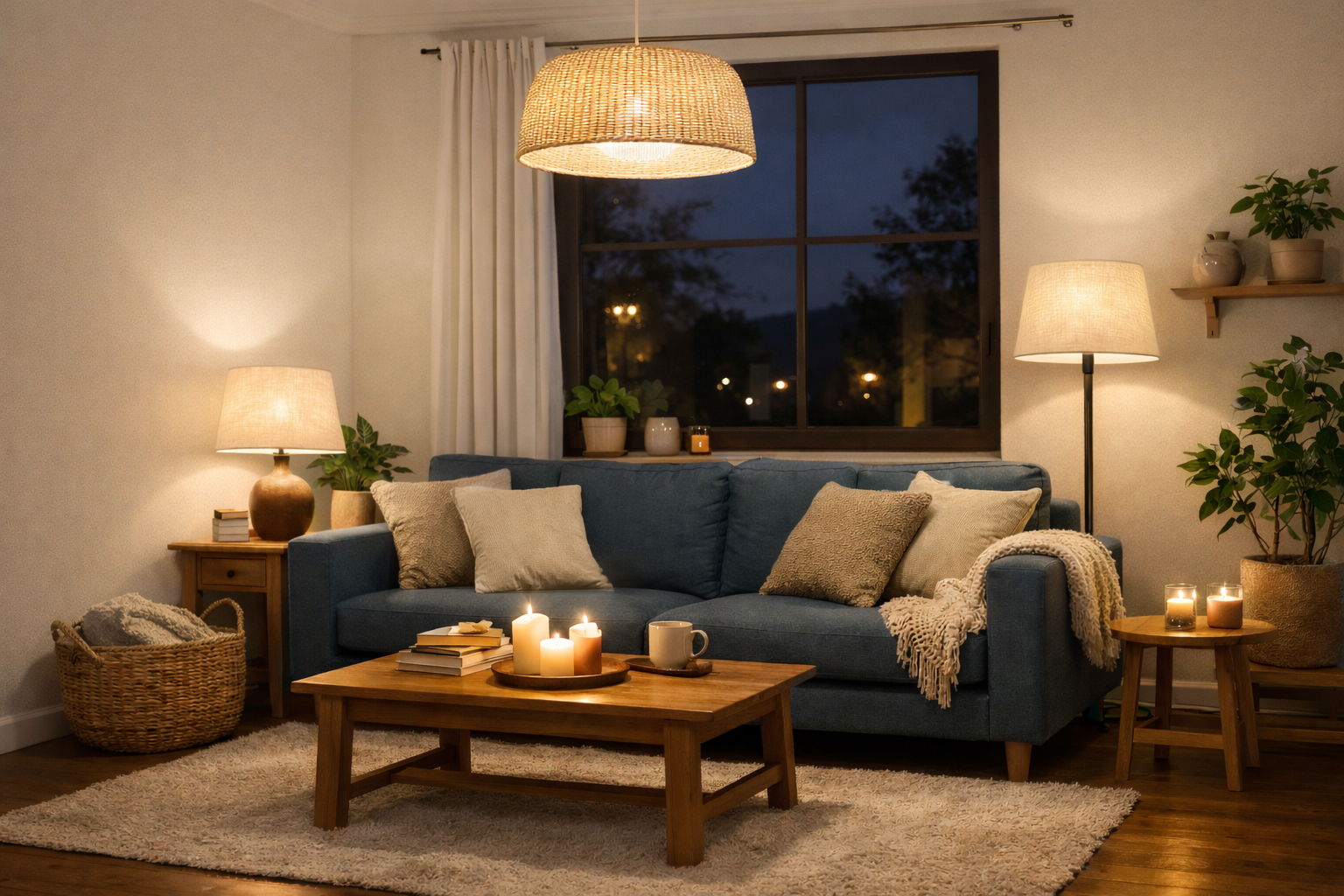
Why Warm Lighting Works Best in Living Rooms Living rooms are designed for relaxation, conversation, and spending time with family or friends. Because these spaces are typically used in the evening, lighting plays an important role in shaping the atmosphere. Warm white lighting helps create a comfortable environment that feels inviting and visually balanced. Unlike …

Understanding Cool White and Daylight Lighting When selecting lighting for workspaces, kitchens, garages, and commercial environments, two common colour temperatures often appear: 4000K and 5000K. Both fall into the cooler end of the lighting spectrum and are designed to provide clear, bright illumination. Although the numerical difference seems small, these colour temperatures create noticeably different …
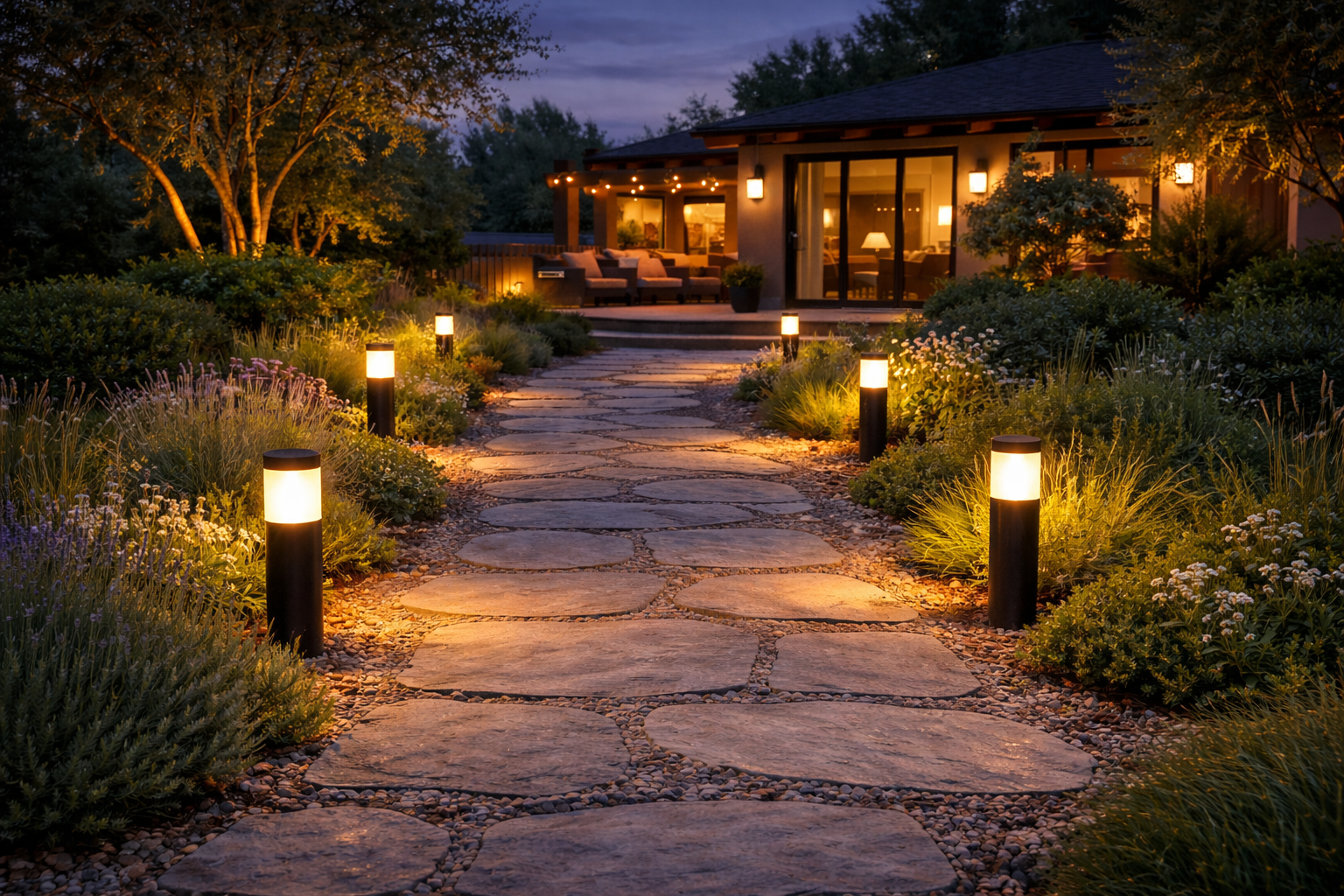
Why Post Lighting Matters in Outdoor Spaces Post lighting is designed to illuminate outdoor spaces while helping people move safely through gardens, pathways, and open areas after dark. By placing lights along walkways, driveways, and landscape features, post lighting improves visibility and creates a welcoming outdoor environment. Often used in gardens, patios, and landscaped areas, …
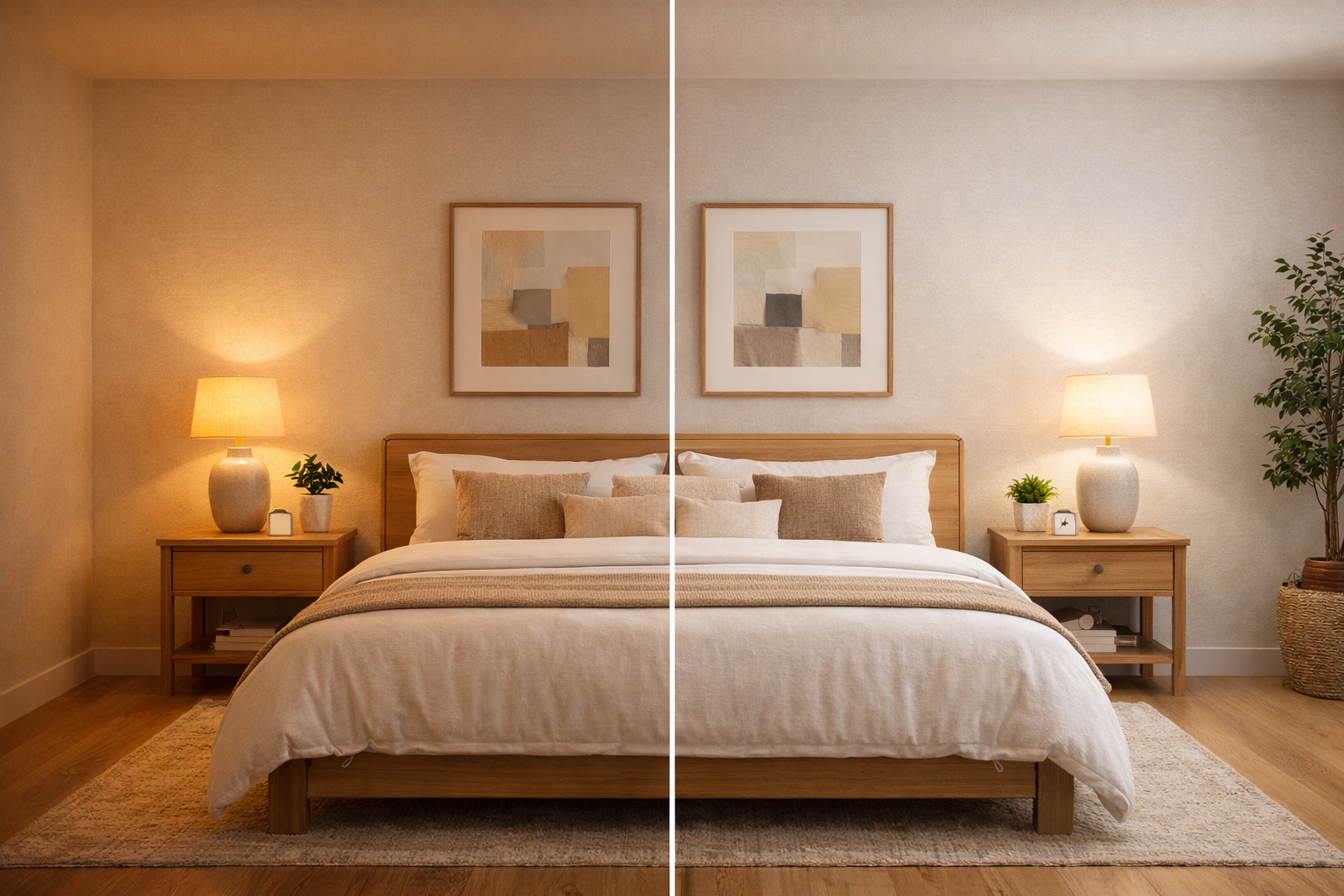
2700K and 3000K are the two most common warm white lighting temperatures used in homes. While both create a comfortable and inviting atmosphere, the subtle difference between them can noticeably affect how a room feels, how colours appear, and how bright the space looks. Understanding when to choose 2700K or 3000K lighting helps ensure the …
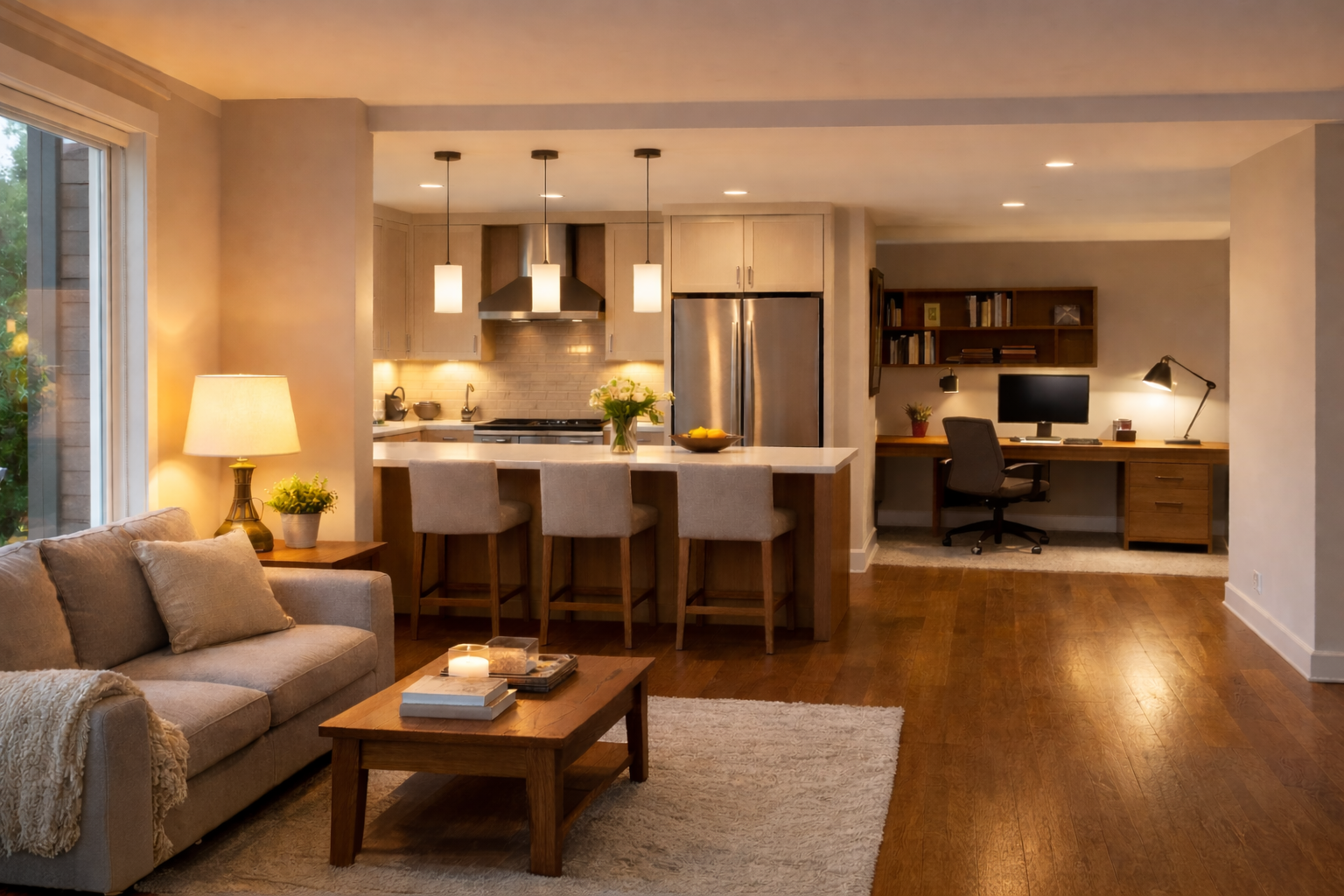
Best Colour Temperature for Each Room Lighting colour temperature plays a major role in how a space feels and functions. The tone of light can influence mood, visibility, and even how colours and materials appear in a room. Choosing the right colour temperature ensures lighting supports the purpose of each space rather than working against …
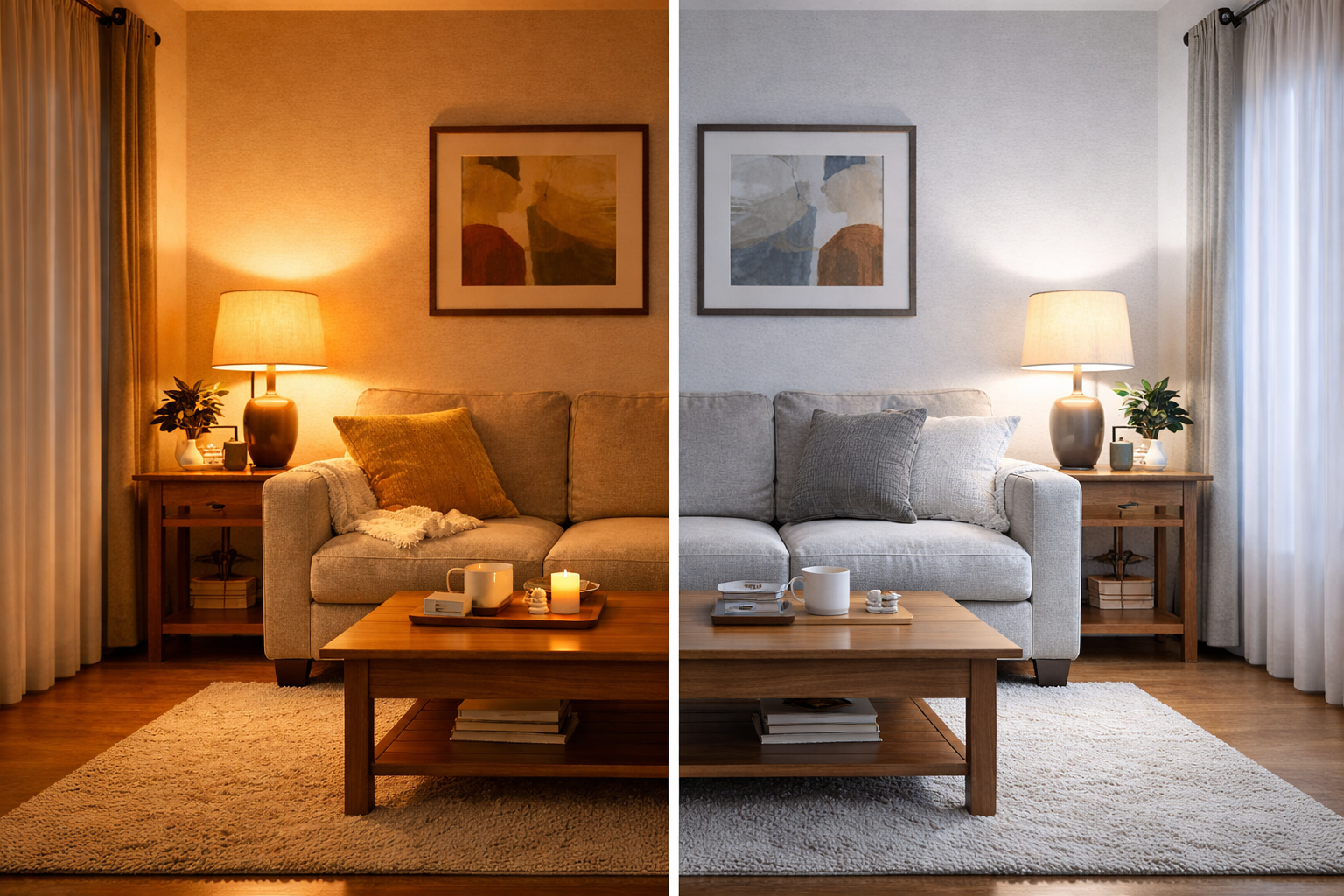
Lighting colour temperature has a significant influence on how a space feels. While specifications such as lumens and wattage determine brightness and efficiency, colour temperature shapes atmosphere, comfort, and visual clarity. Understanding the difference between warm white and cool white lighting helps ensure the lighting in your home or workspace supports the activities and mood …
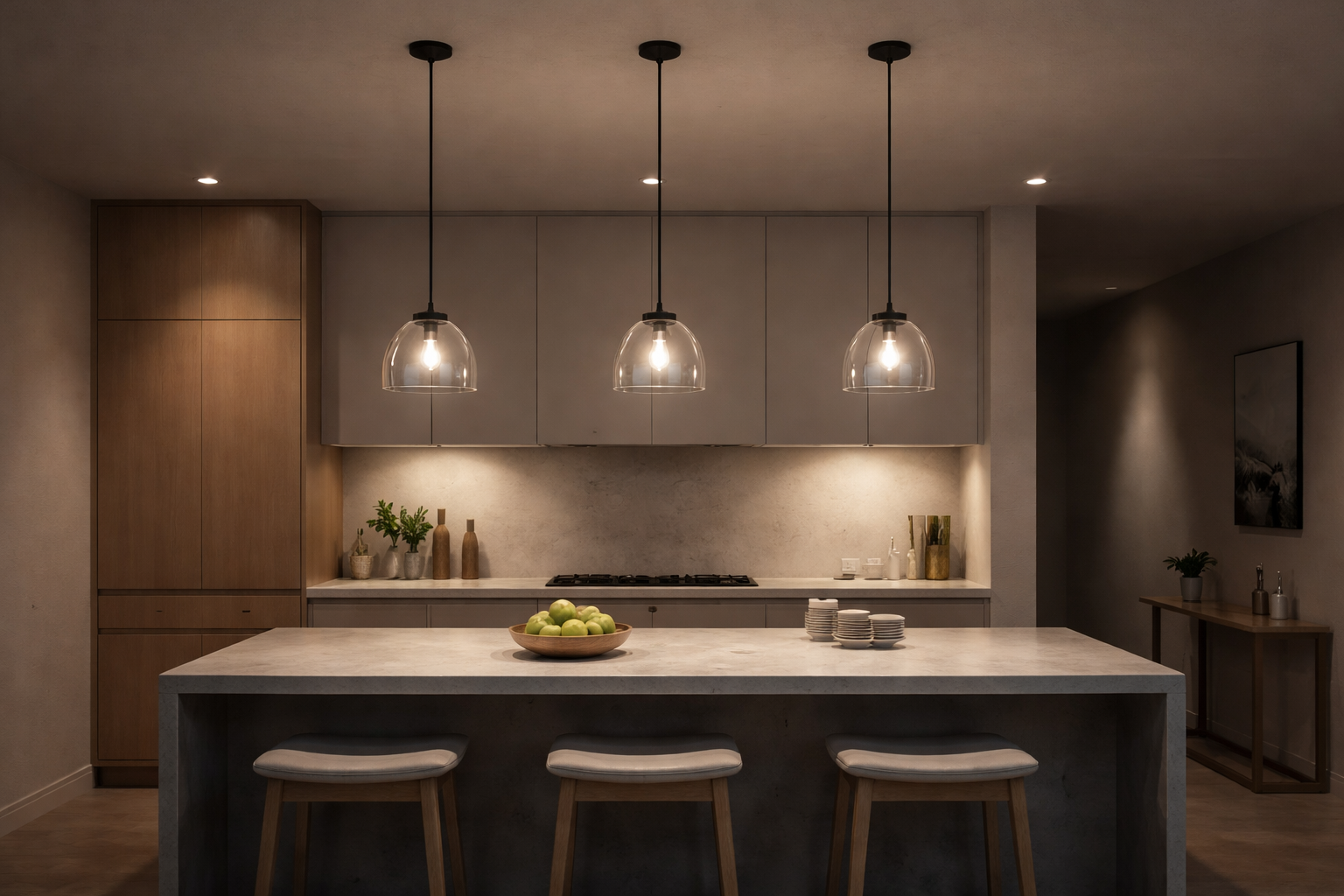
Why Some Rooms Always Feel Dark Some rooms feel permanently dim no matter how many lights are installed. This usually happens when lighting is poorly positioned rather than insufficient. Dark rooms often suffer from shadows, uneven light distribution, or fixtures that concentrate illumination in the wrong place. Pendant lighting can dramatically improve these spaces when …
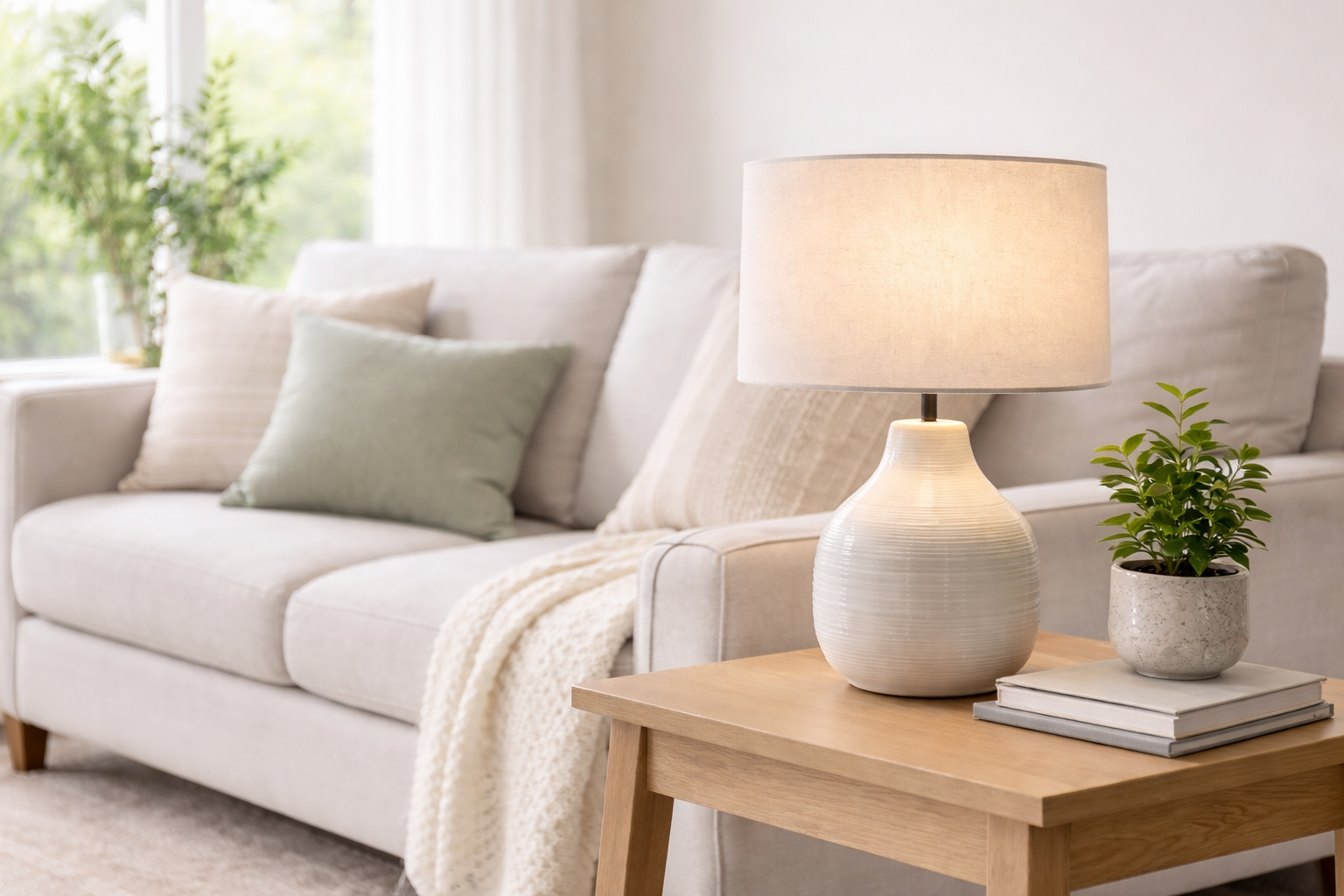
Why Table Lamps Matter in Interior Lighting Table lamps provide focused, localised illumination that complements broader room lighting. Unlike ceiling or wall fixtures, they operate at eye level and influence both atmosphere and functionality. When chosen carefully, a table lamp can provide task lighting for reading, ambient glow for relaxation, and visual balance within a …