
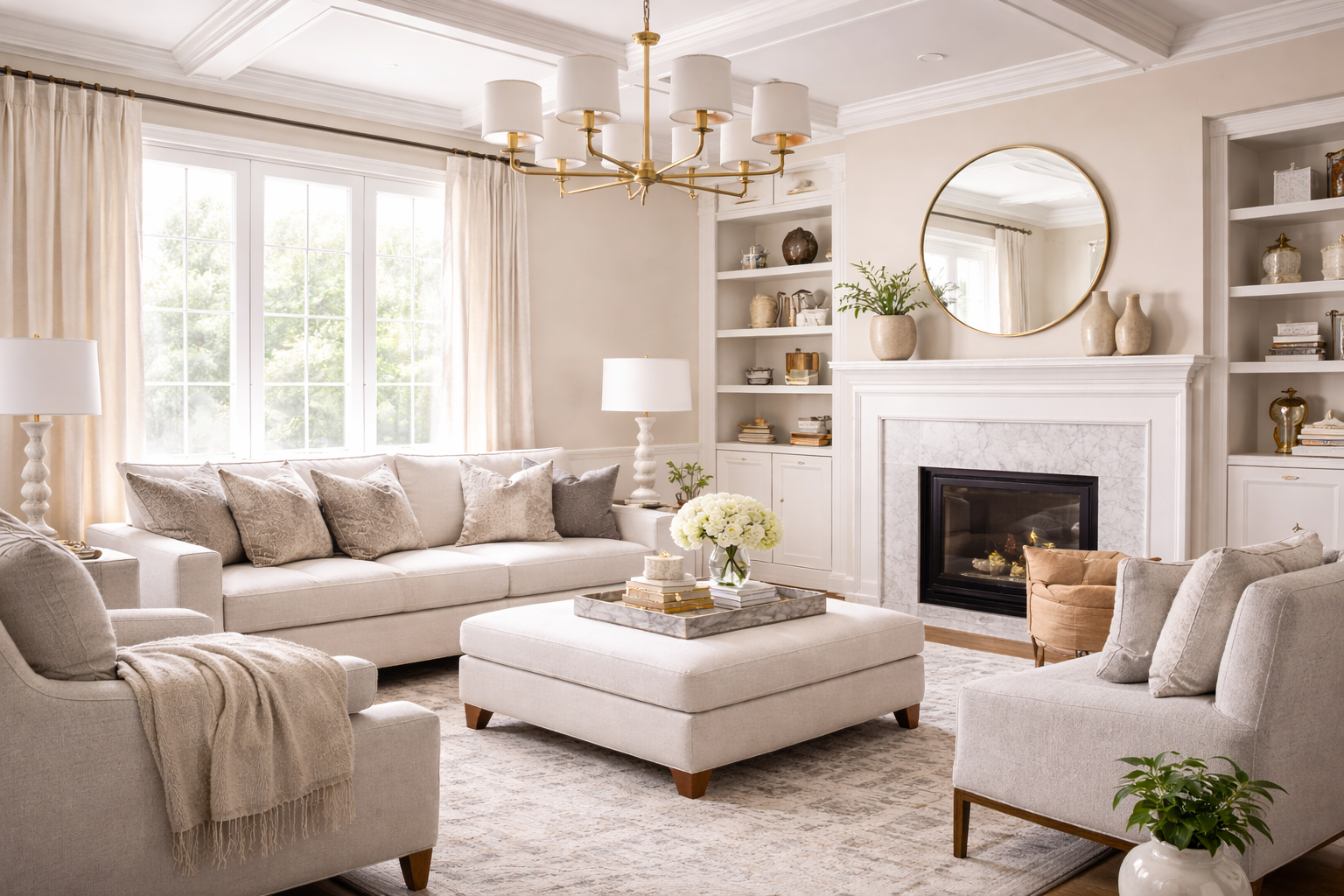
What Defines Transitional Interior Design? Transitional interior design is the bridge between classic elegance and contemporary simplicity. It combines the rich textures, timeless lines, and balance of traditional design with the clean silhouettes and subtle palettes of modern interiors. The result is a harmonious style that feels both sophisticated and welcoming, making it a popular …
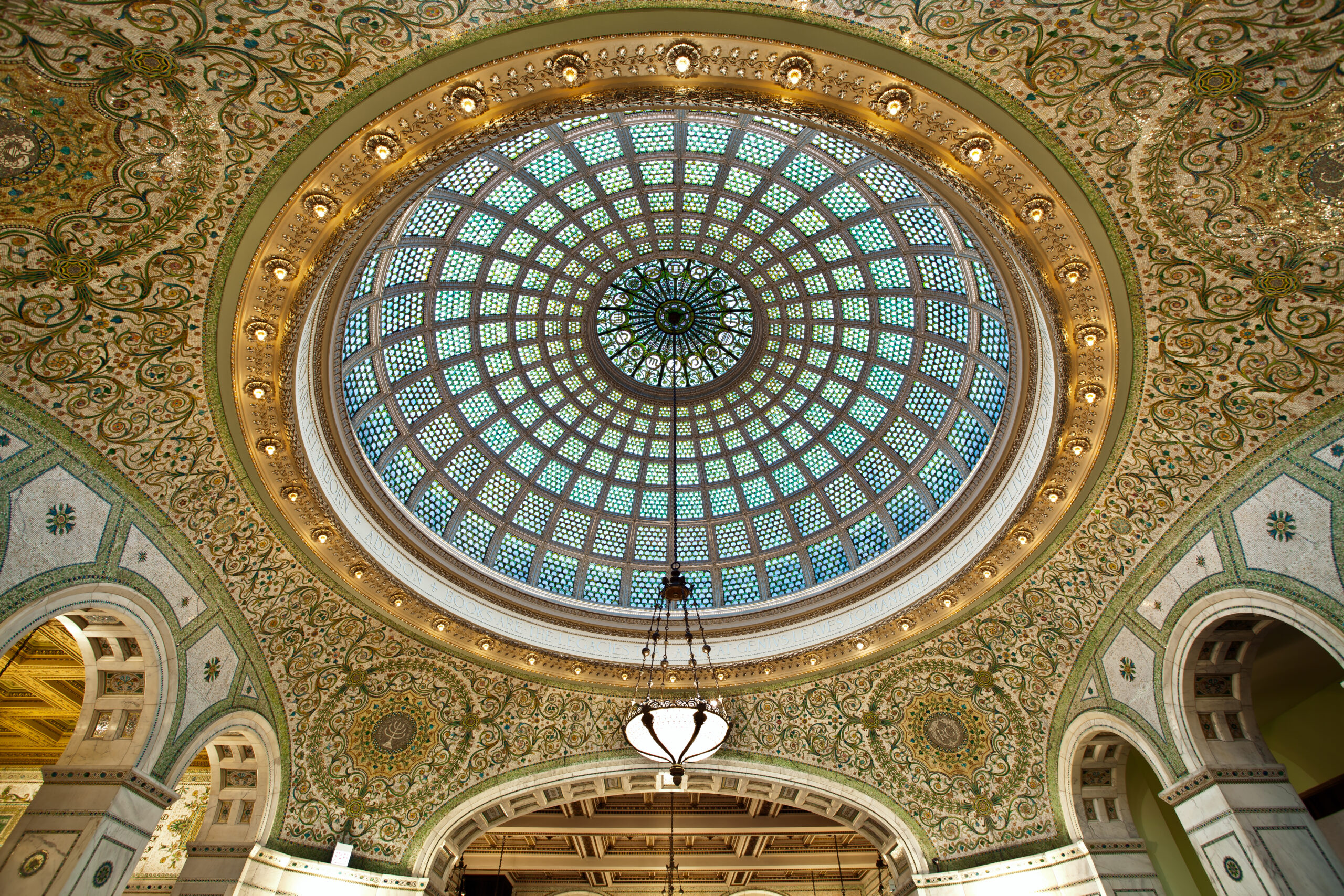
The Story and Significance of the Chicago Cultural Center The Chicago Cultural Center stands as one of the city’s most treasured architectural landmarks, celebrated for its grandeur, artistry, and enduring civic role. Situated in the heart of downtown Chicago, it embodies the city’s cultural ambition and historic pride, welcoming millions of visitors into a space …

Lighting Spaces Our mission has always been simple: to connect people with lighting that transforms every space. Light Ideas was founded by David Freeman, driven by a passion for lighting shaped by over a decade of working with light, design, and the spaces people inhabit. Over the years, that passion grew into a platform — …
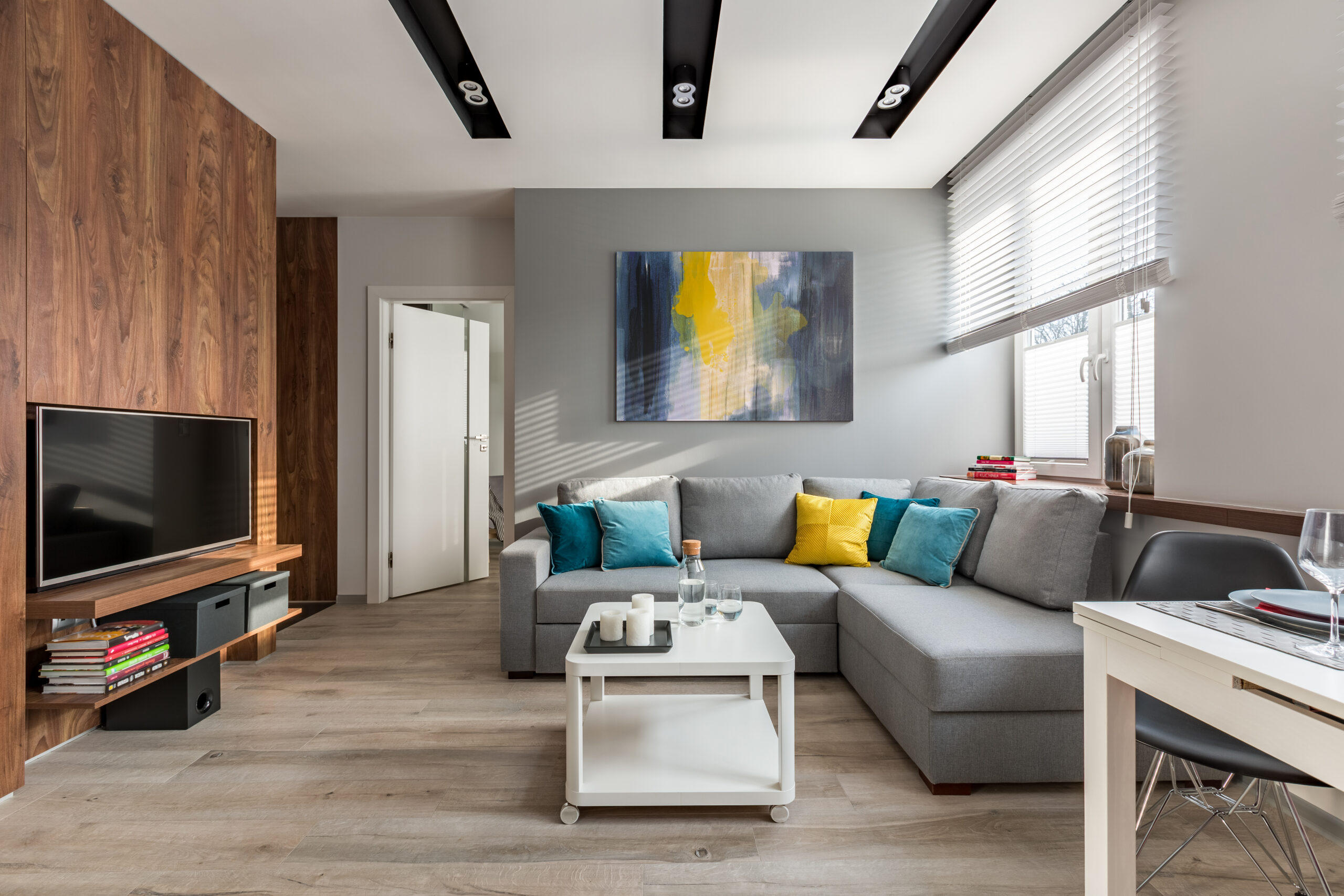
Defining the Contemporary Interior Contemporary interior design reflects the style of the moment, blending influences from modernism, minimalism, and even industrial design. It evolves with trends but maintains a focus on comfort, functionality, and visual clarity. Contemporary spaces are versatile—able to feel sleek and urban or warm and inviting—depending on the mix of lighting, colour, …

The Evolution of Artificial Light The creative timeline of the light bulb reflects not only the evolution of technology, but also the collaborative spirit of inventors across generations. Each breakthrough built upon the last, gradually transforming fragile experiments into reliable sources of illumination that reshaped homes, cities, and daily life. Early Sparks (1800–1850) The story …

Defining the Modern Interior Modern interior design embraces clean lines, open space, and functional simplicity. It favours uncluttered layouts, considered materials, and lighting that enhances architecture rather than competing with it. The result is a calm, purposeful aesthetic that feels fresh, airy, and adaptable to everyday living. History of Modern Interior Design The roots of …
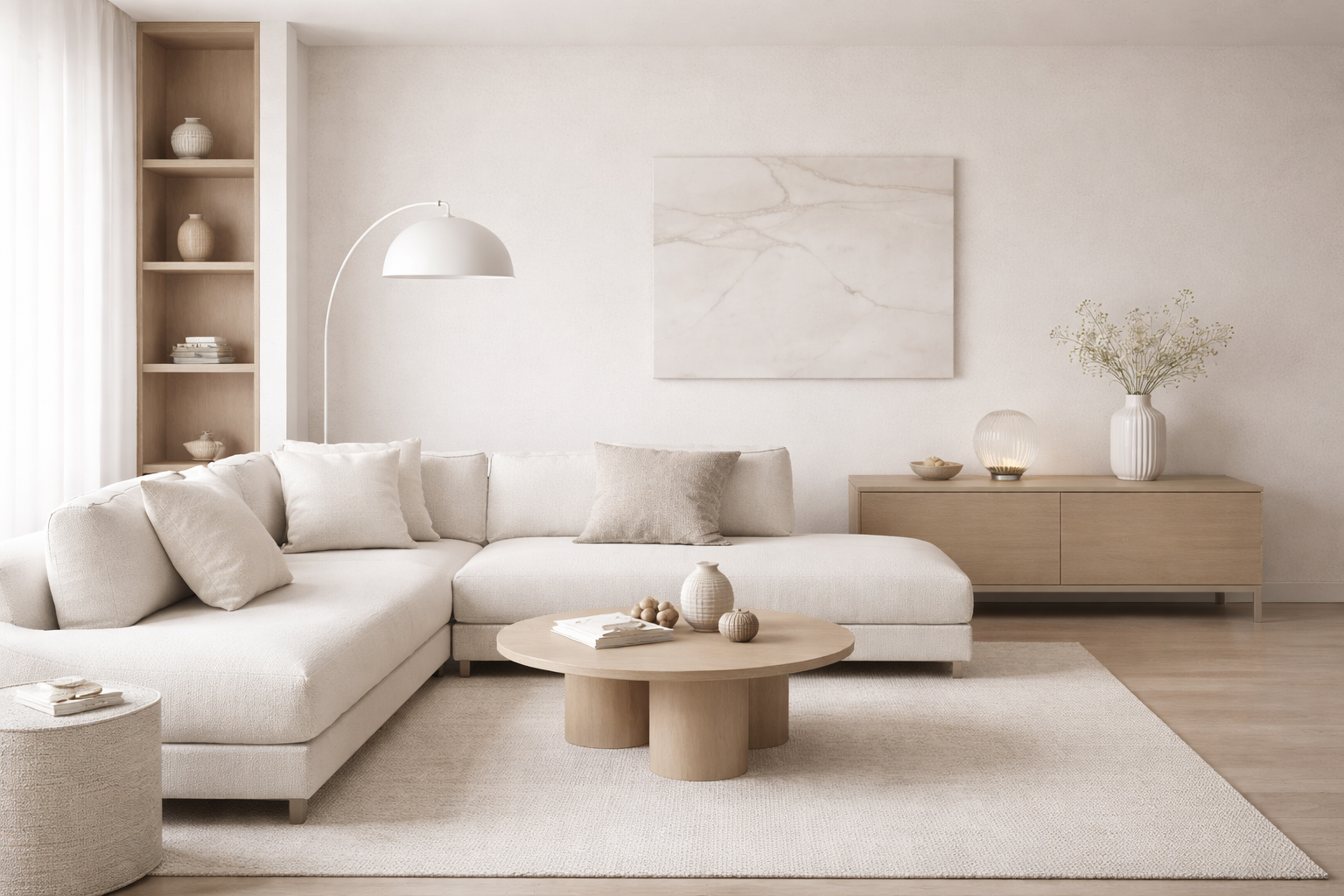
Exploring Minimalist Interiors Minimalist interior design is rooted in clarity, balance, and purpose. It removes the unnecessary, highlighting clean lines, open space, and functional living. By focusing on “less is more,” minimalist interiors achieve harmony and calm, making every element intentional. Lighting is central to this approach, shaping atmosphere while accentuating architecture without clutter. History …

The Legacy of Mid-Century Modern Interiors Mid-century modern design emerged in the mid-20th century, blending functionality with sleek aesthetics. Defined by clean lines, organic shapes, and a rejection of unnecessary ornamentation, it remains one of the most influential interior design styles today. Its enduring popularity lies in its balance of simplicity and character — creating …

A Historical Journey of Pendant Lighting Pendant lighting is one of the most enduring and versatile forms of illumination. From simple vessels of oil suspended in ancient temples to sleek LED designs in today’s interiors, pendants have always been more than practical sources of light. They represent artistry, technological progress, and cultural values across time. …