
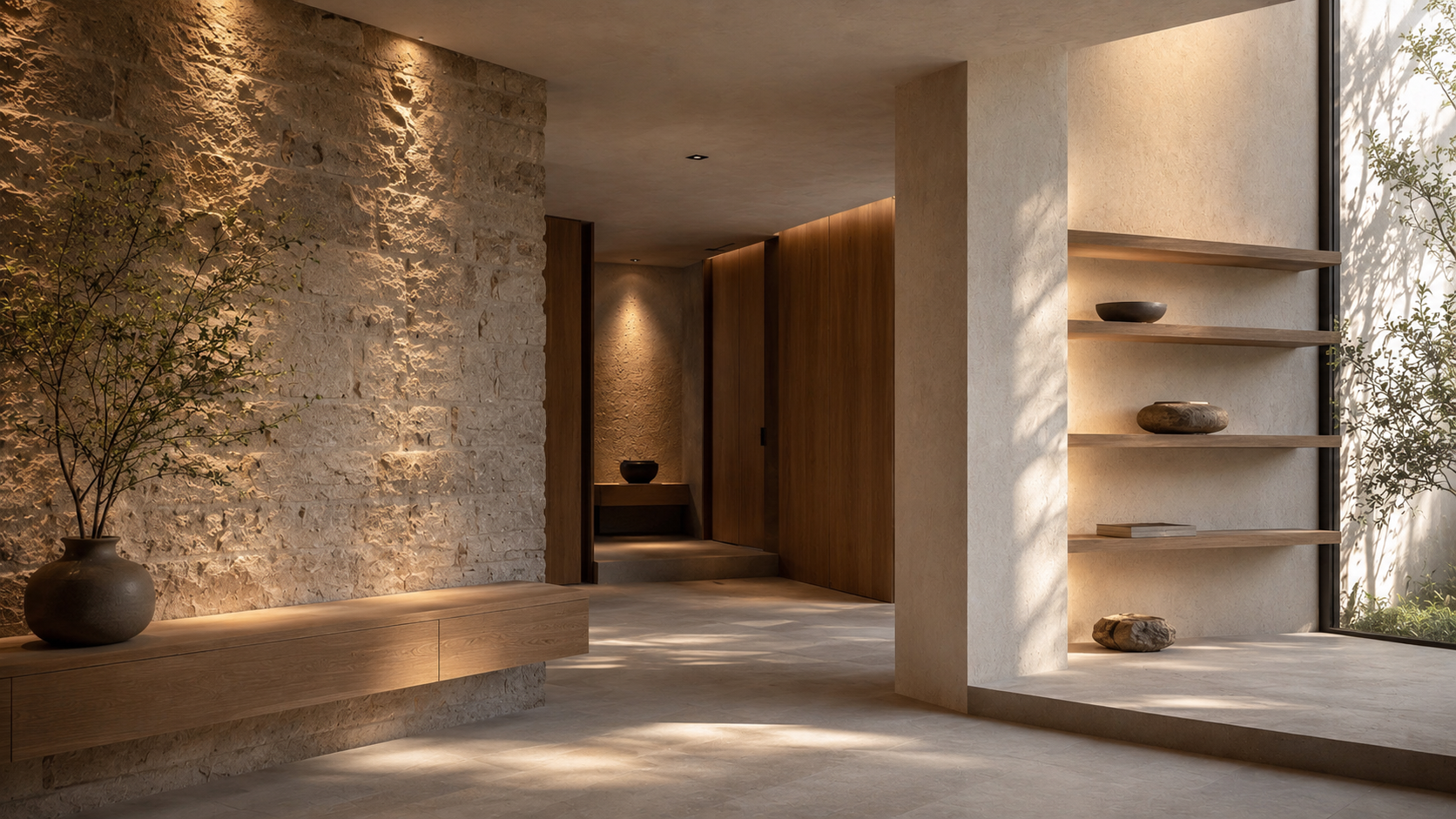
Why Well-Placed Shadows Transform Interior Design. Many people assume that good lighting means making every corner of a room as bright as possible. Professional interior designers take a different approach. Rather than eliminating every shadow, they use light and shade together to create spaces that feel balanced, comfortable and visually engaging. Carefully controlled shadows reveal …
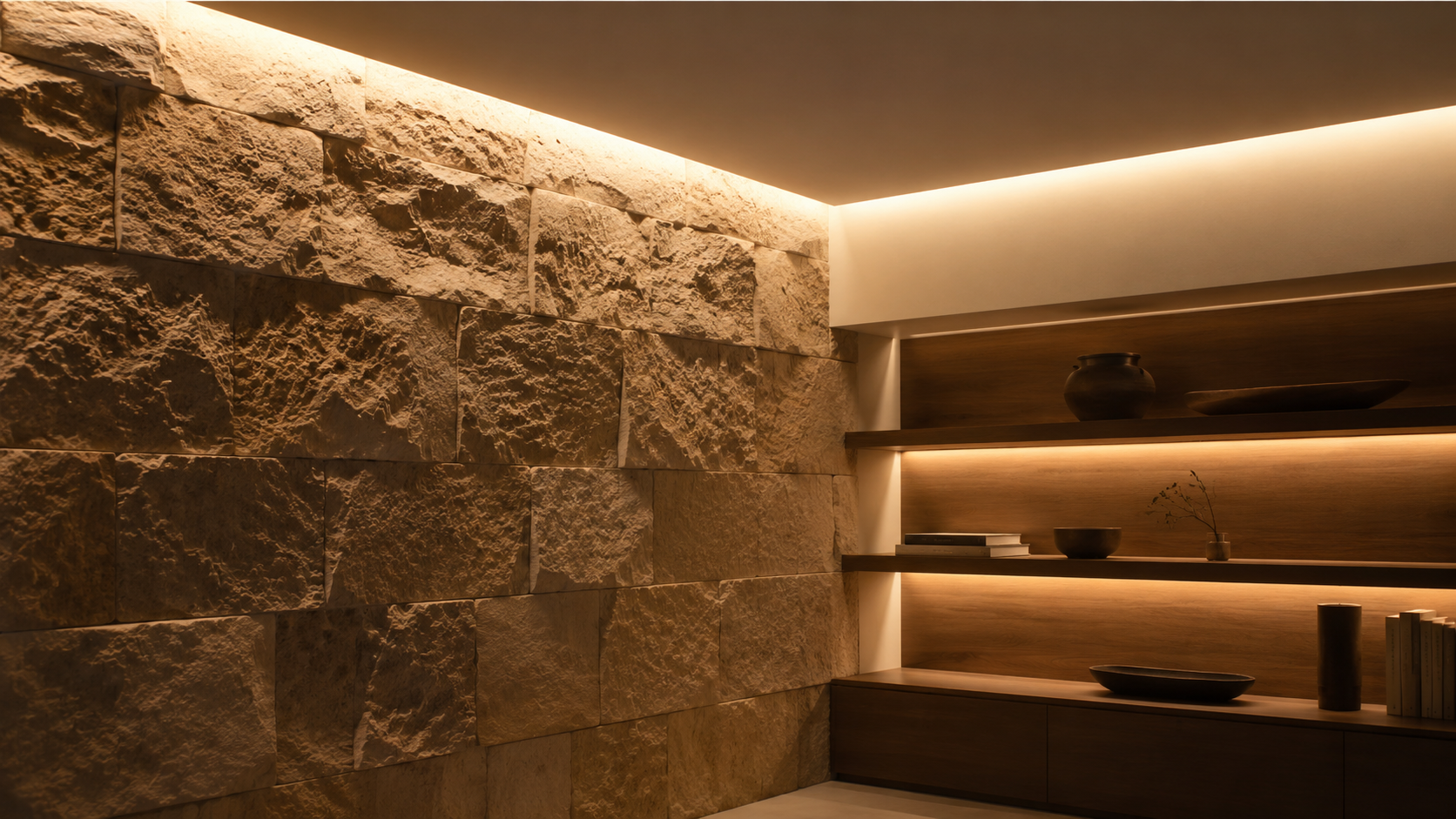
The Role of Shadows in Lighting Design. Many people think good lighting should remove every shadow from a room. In reality, the opposite is true. Professional lighting designers use carefully controlled shadows to add depth, reveal texture and create comfortable, visually interesting interiors. A room with no shadows often feels flat, while a room with …
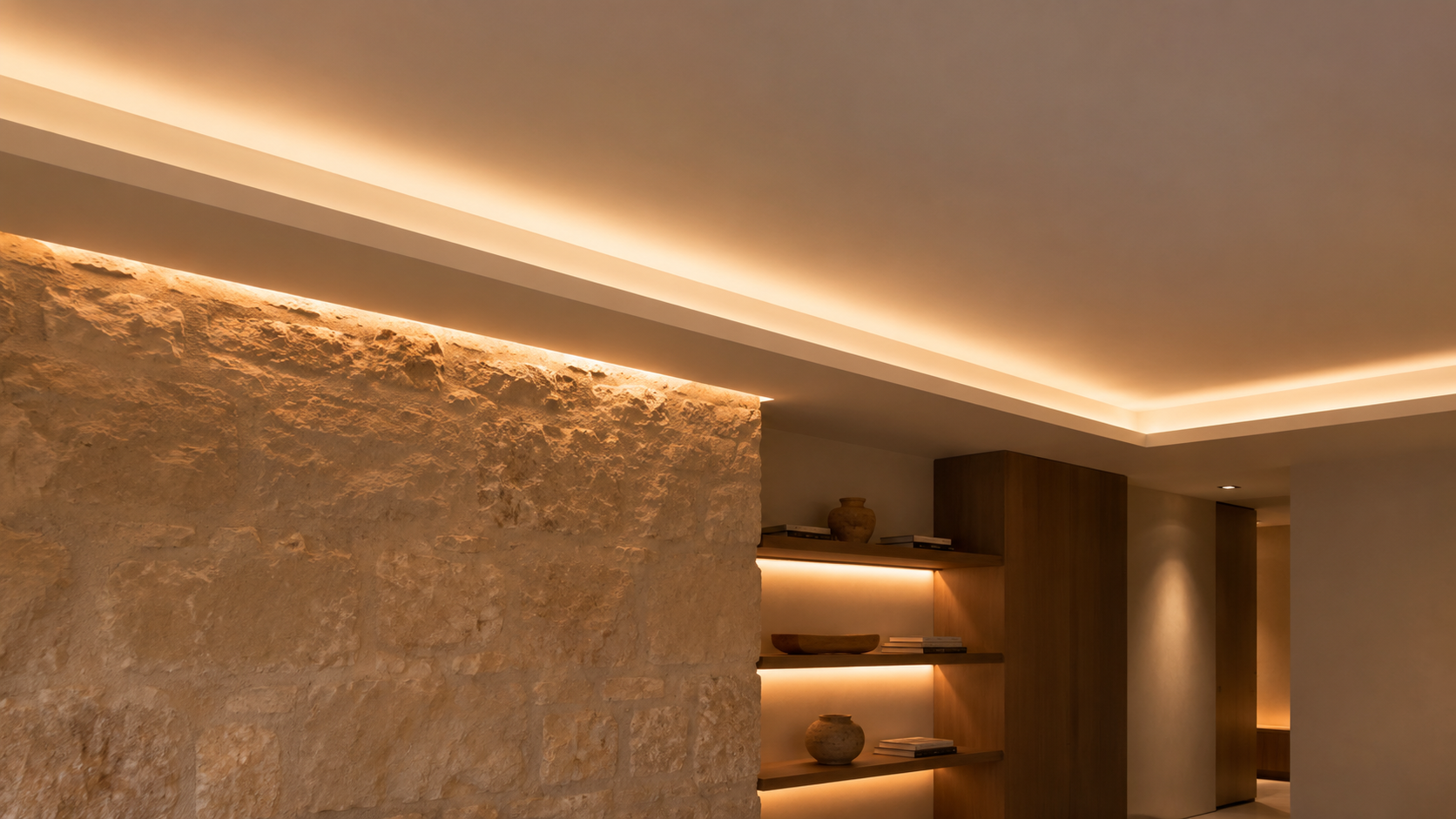
Why Indirect Lighting Matters. Indirect lighting is one of the most effective ways to create comfortable, visually balanced interiors. Instead of shining light directly into a room, indirect lighting reflects illumination from ceilings, walls or other surfaces, producing a softer and more even distribution of light. This approach reduces harsh shadows, minimises glare and helps …
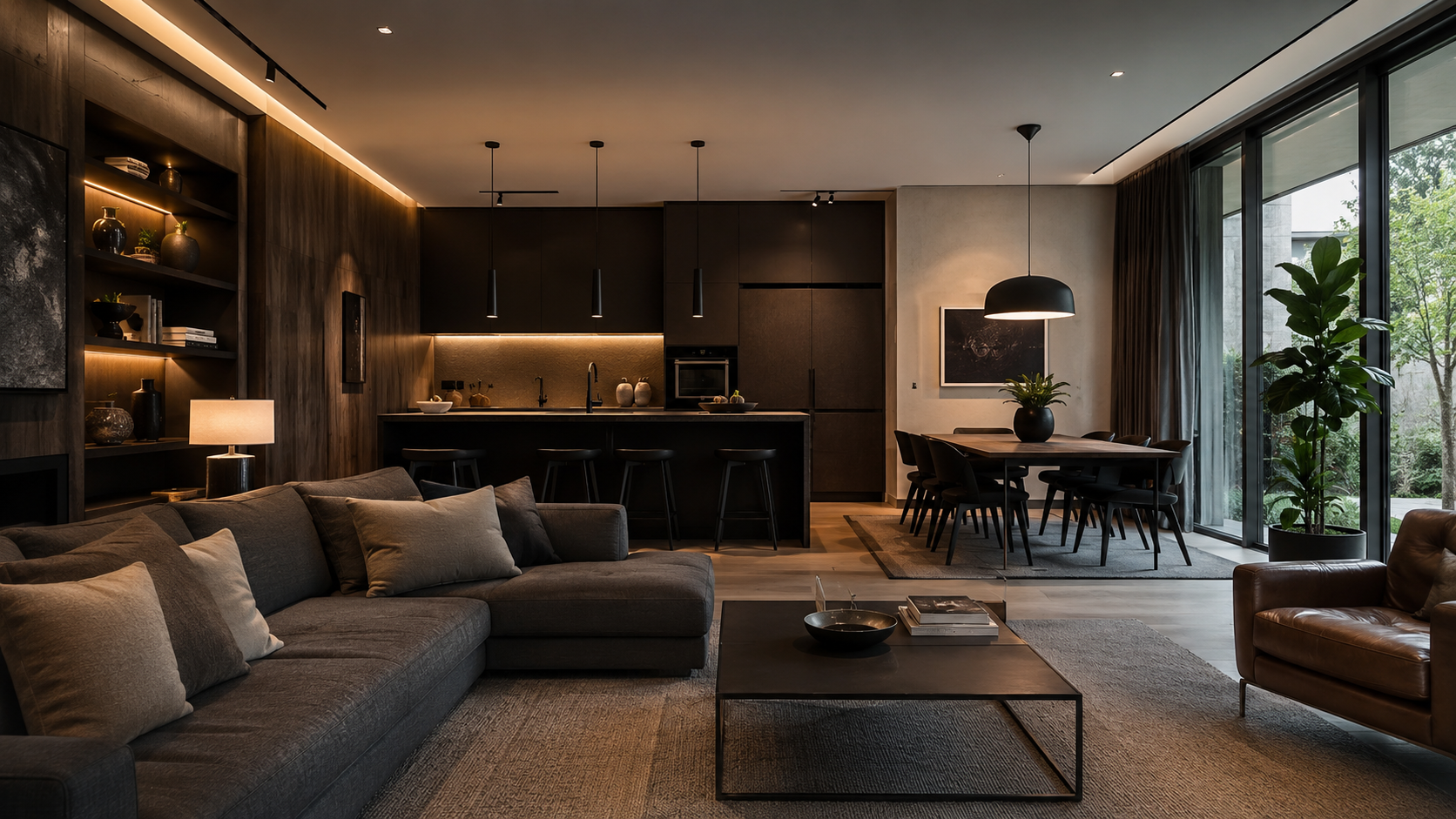
Why Home Lighting Matters. Lighting is one of the most important elements of interior design. The right lighting improves comfort, supports everyday activities, enhances architectural features and helps create the atmosphere you want in every room. Whether you are designing a new home, renovating a single room or simply replacing light fittings, understanding how different …
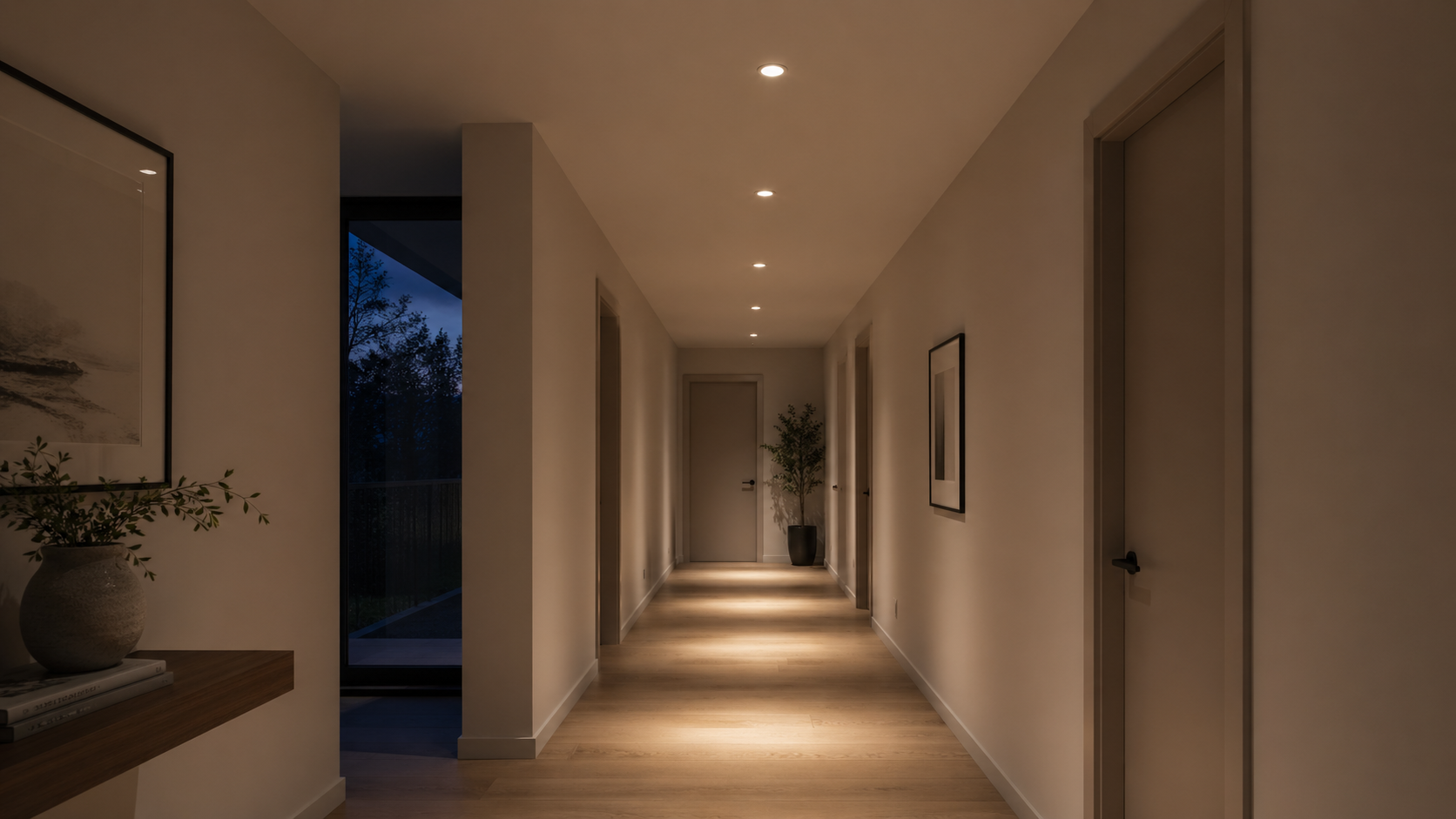
Flush Lighting for Clean, Practical Interiors. Recessed and downlights are designed to sit flush within ceilings, providing clean, low-profile illumination without visible fixtures. By positioning the light source inside the surface, they deliver practical lighting while maintaining a simple, uncluttered appearance. Used across both residential and commercial spaces, these fittings are one of the most …
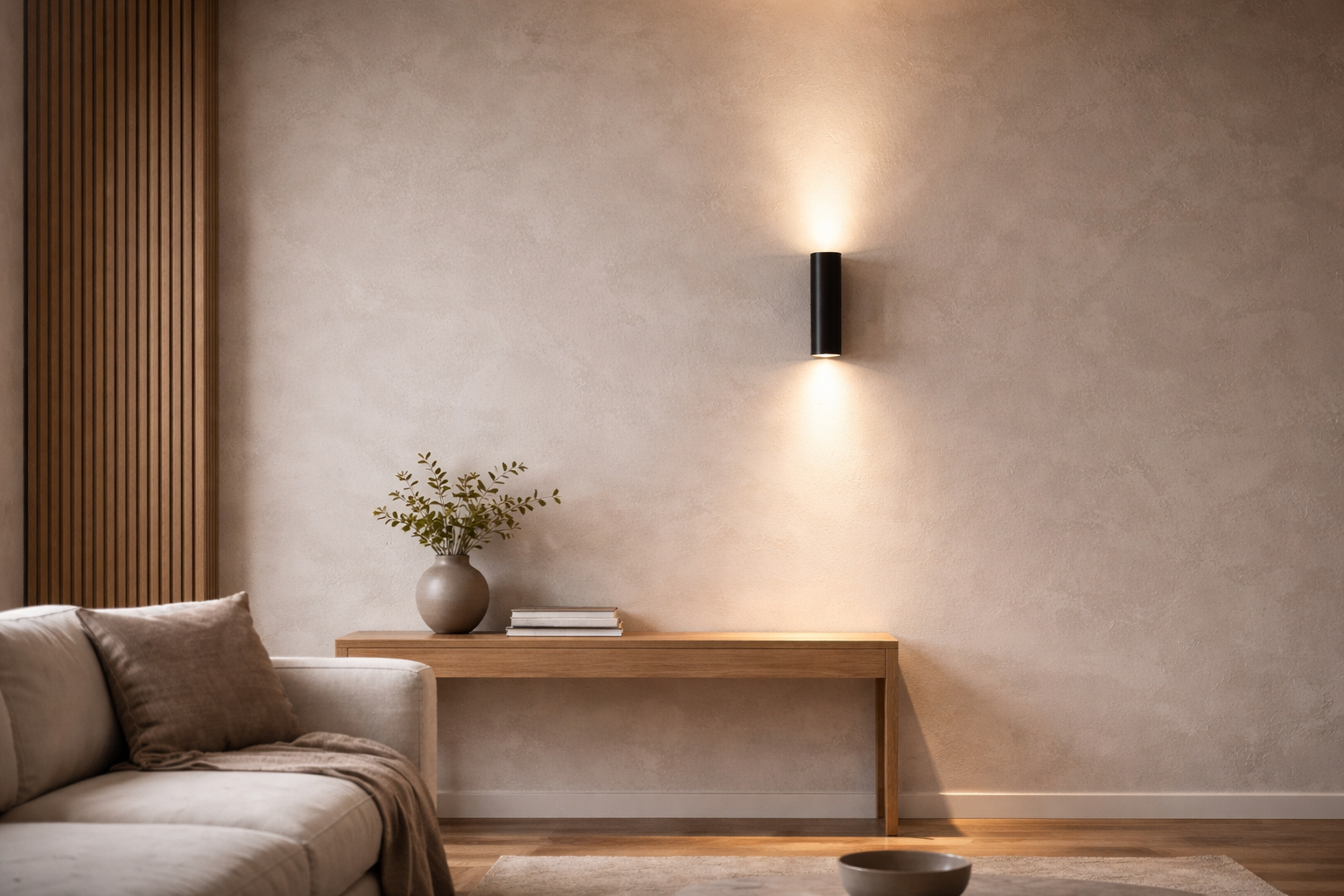
How Wall Lights Shape Space and Atmosphere. Wall lights offer a refined way to shape how a space feels by introducing vertical illumination. Unlike ceiling fixtures that light from above, wall-mounted lighting spreads light across surfaces, softening shadows and improving visual balance. Used effectively, wall lights can enhance atmosphere, highlight architectural features, and support a …
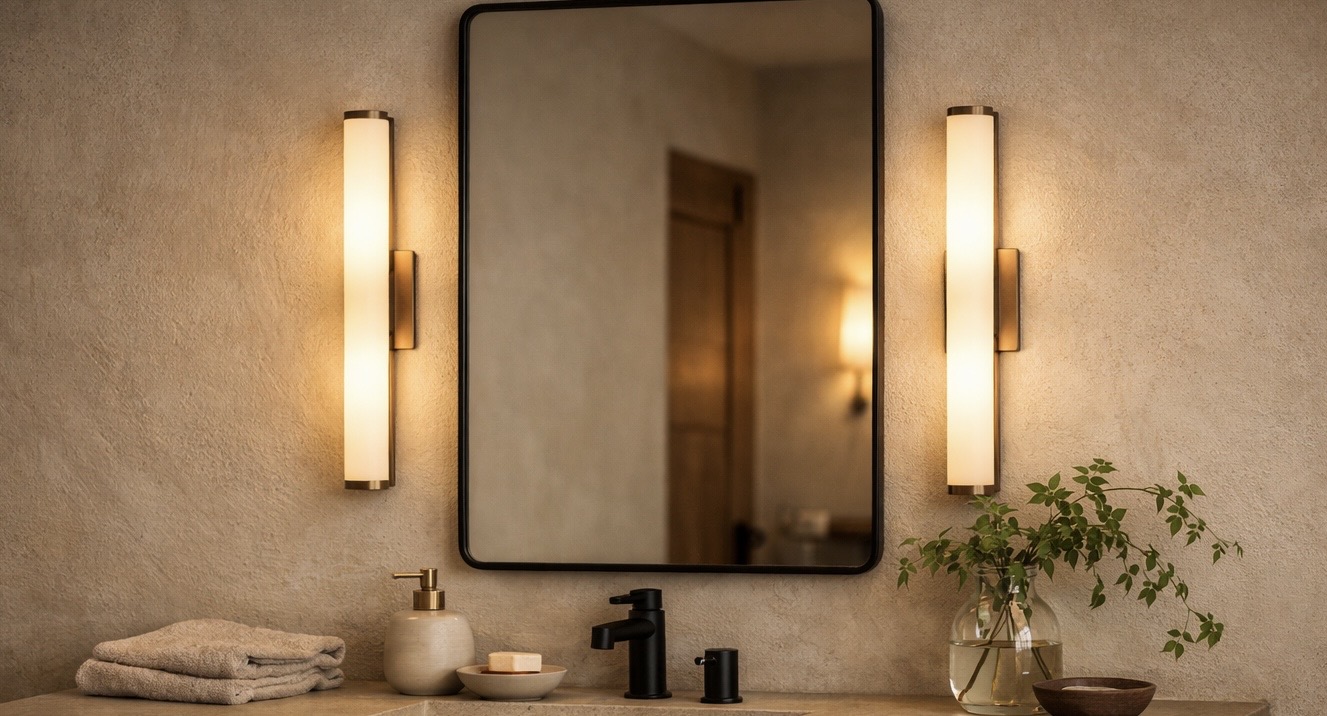
Why Mirror Lighting Is About Direction, Not Brightness. Mirror and vanity lighting is one of the most misunderstood areas of interior lighting. Many bathrooms rely on ceiling downlights alone, which often create harsh shadows beneath the eyes and jawline. Even bright bathrooms can feel visually unbalanced when light direction is incorrect. Well-designed mirror lighting prioritises …
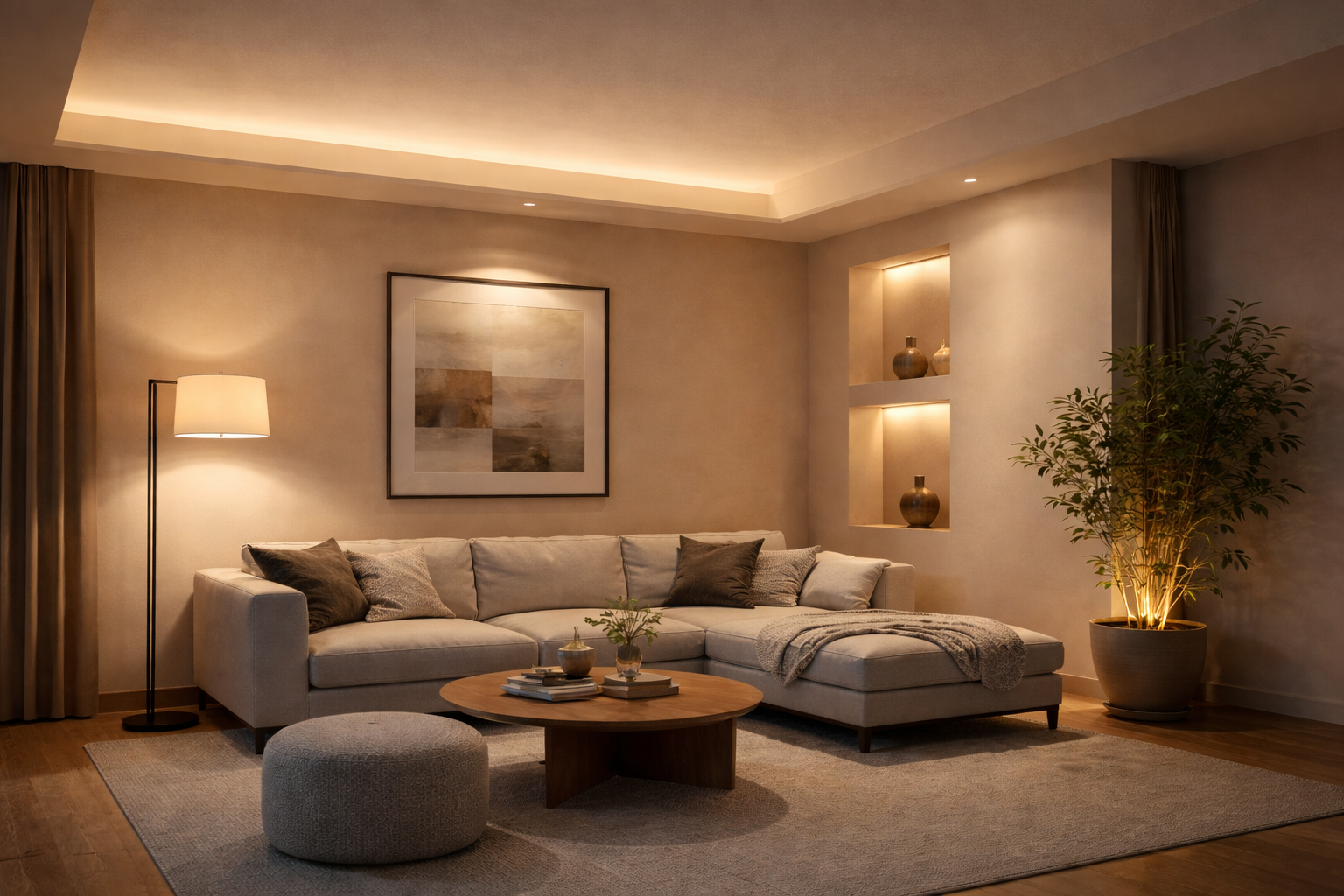
Why Some Rooms Feel Instantly Comfortable. Layered lighting is one of the most important principles in interior design. By combining ambient lighting, task lighting, and accent lighting, you create rooms that feel balanced, adaptable, and visually comfortable. Without layering, even well-designed spaces can feel harsh, flat, or visually tiring. Some rooms feel calm and effortless …
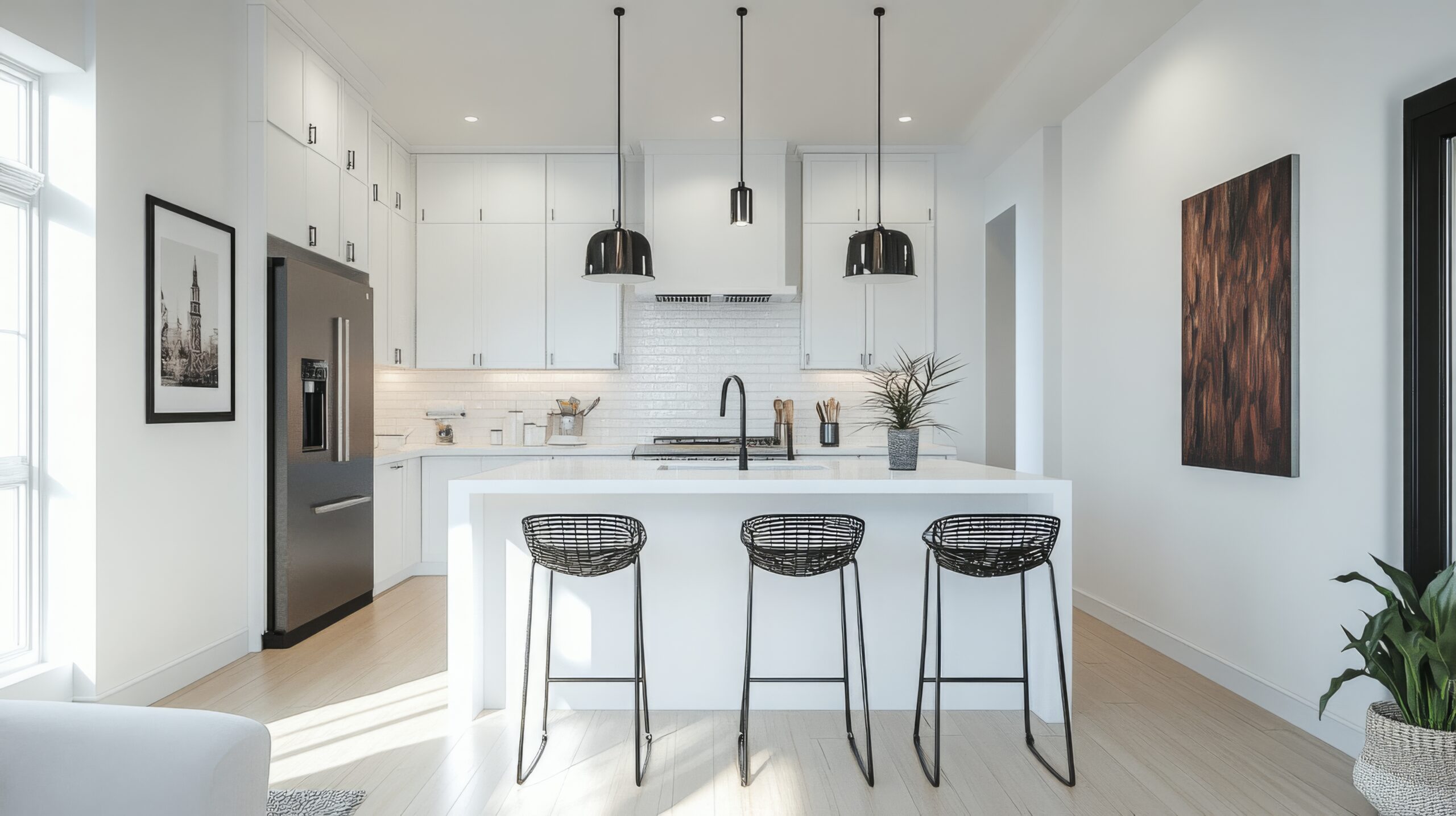
Understanding the Three Types of Lighting. Ambient, task, and accent lighting are the three core layers of interior lighting design. Each serves a distinct purpose, from providing general illumination to supporting focused activities and highlighting design features. When used together correctly, they create spaces that are functional, comfortable, and visually balanced. What Is Ambient Lighting? …