

Understanding Passive Infrared (PIR) Lighting Passive Infrared (PIR) sensors are a widely used motion-detection technology in modern lighting systems. PIR lighting automatically activates when movement is detected, using heat-sensing technology to identify people or animals within a defined area. This makes PIR lighting an efficient, practical solution for improving security, safety, and energy management across …
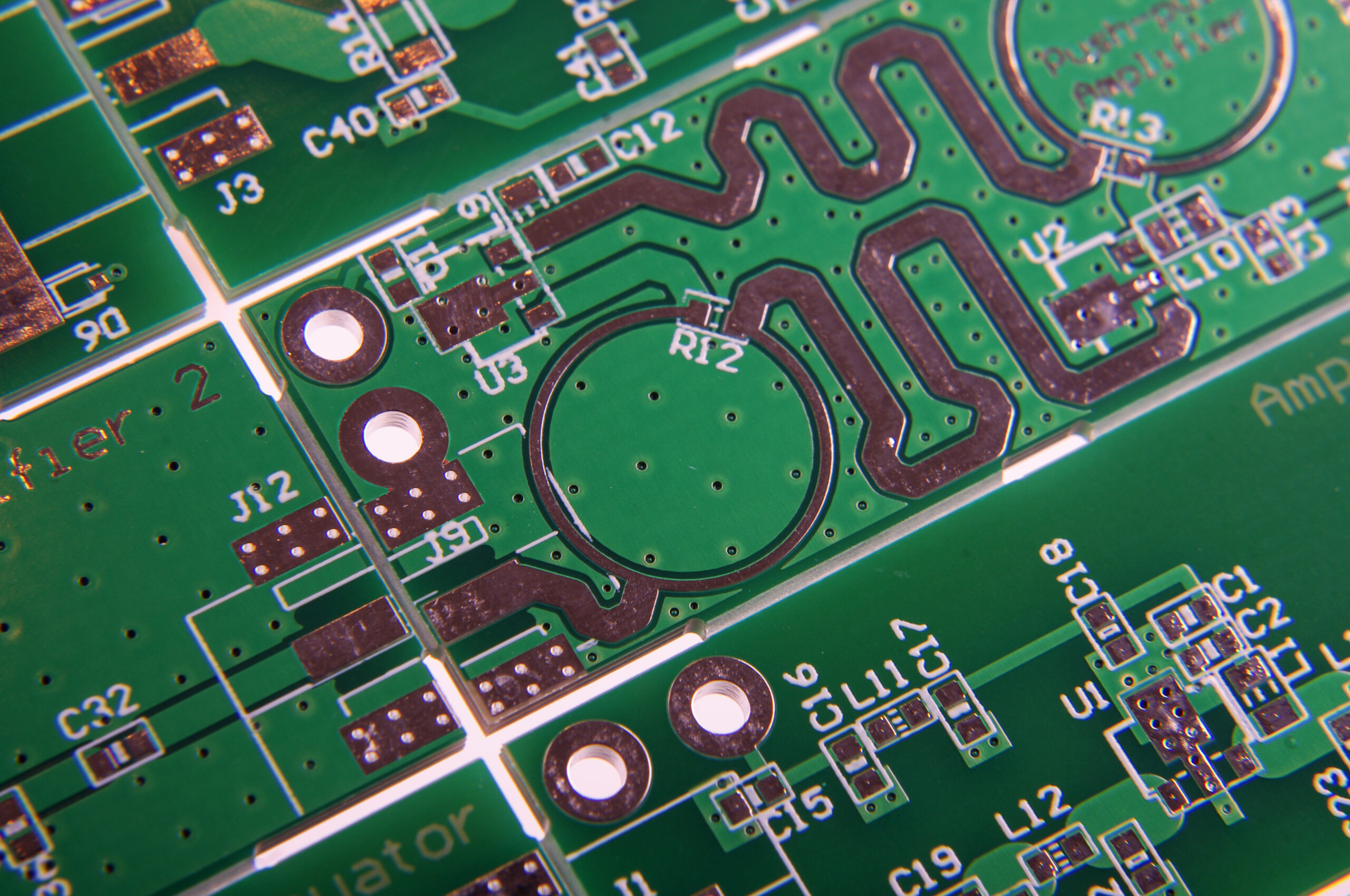
Understanding Microwave Sensor Lighting Microwave sensor lighting is an advanced form of motion-activated illumination that uses low-power microwave signals to detect movement and trigger light. Unlike passive infrared (PIR) sensors, which rely on changes in heat, microwave sensors detect motion through reflected radio waves. This makes them highly sensitive, reliable, and effective across a wide …
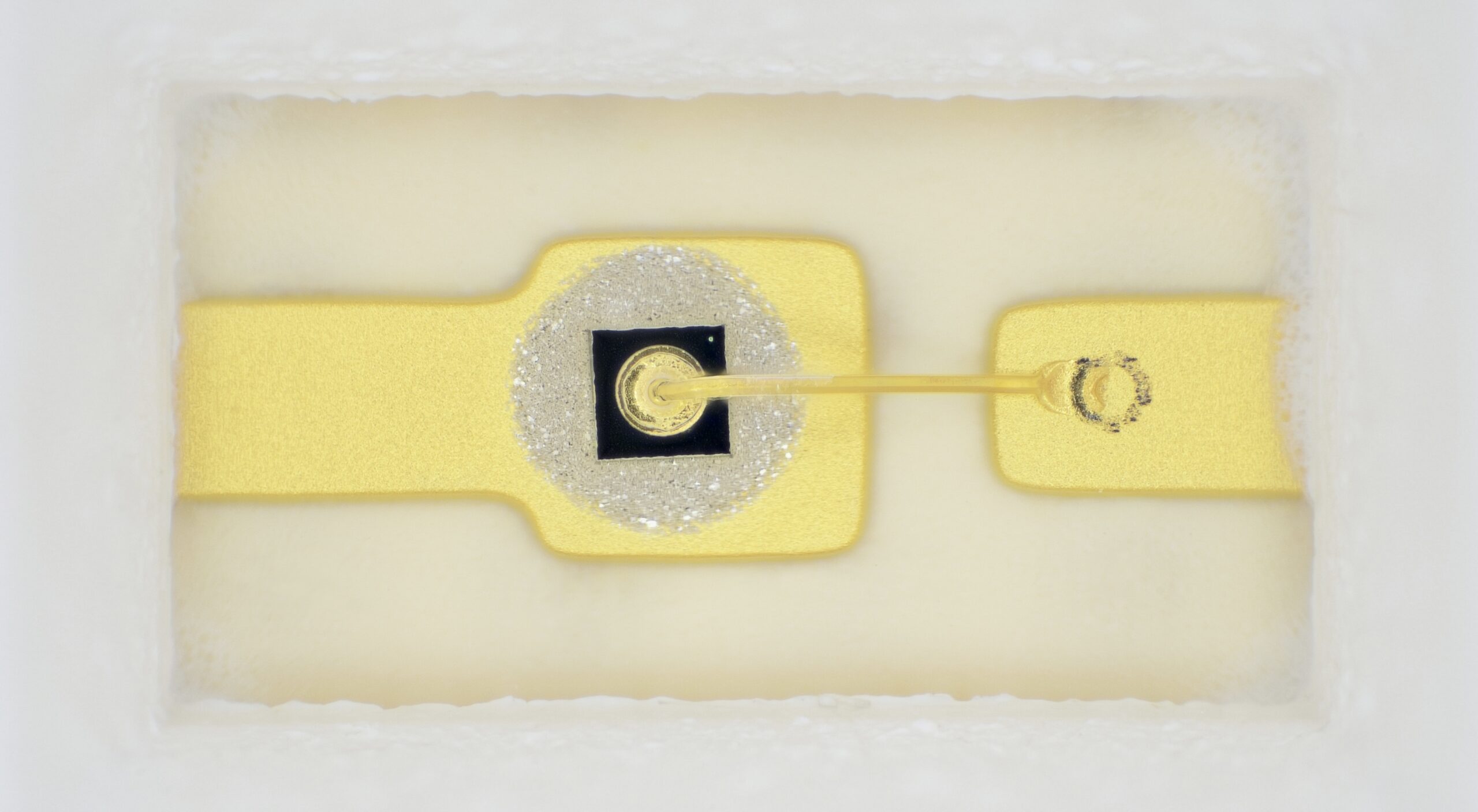
Understanding How LEDs Produce Light An LED (Light Emitting Diode) is a tiny electronic component that produces light when electricity flows through it. Unlike traditional bulbs that rely on a heated filament, LEDs generate light through a physical process known as electroluminescence. This allows LEDs to be far more efficient, longer-lasting, and cooler in operation …
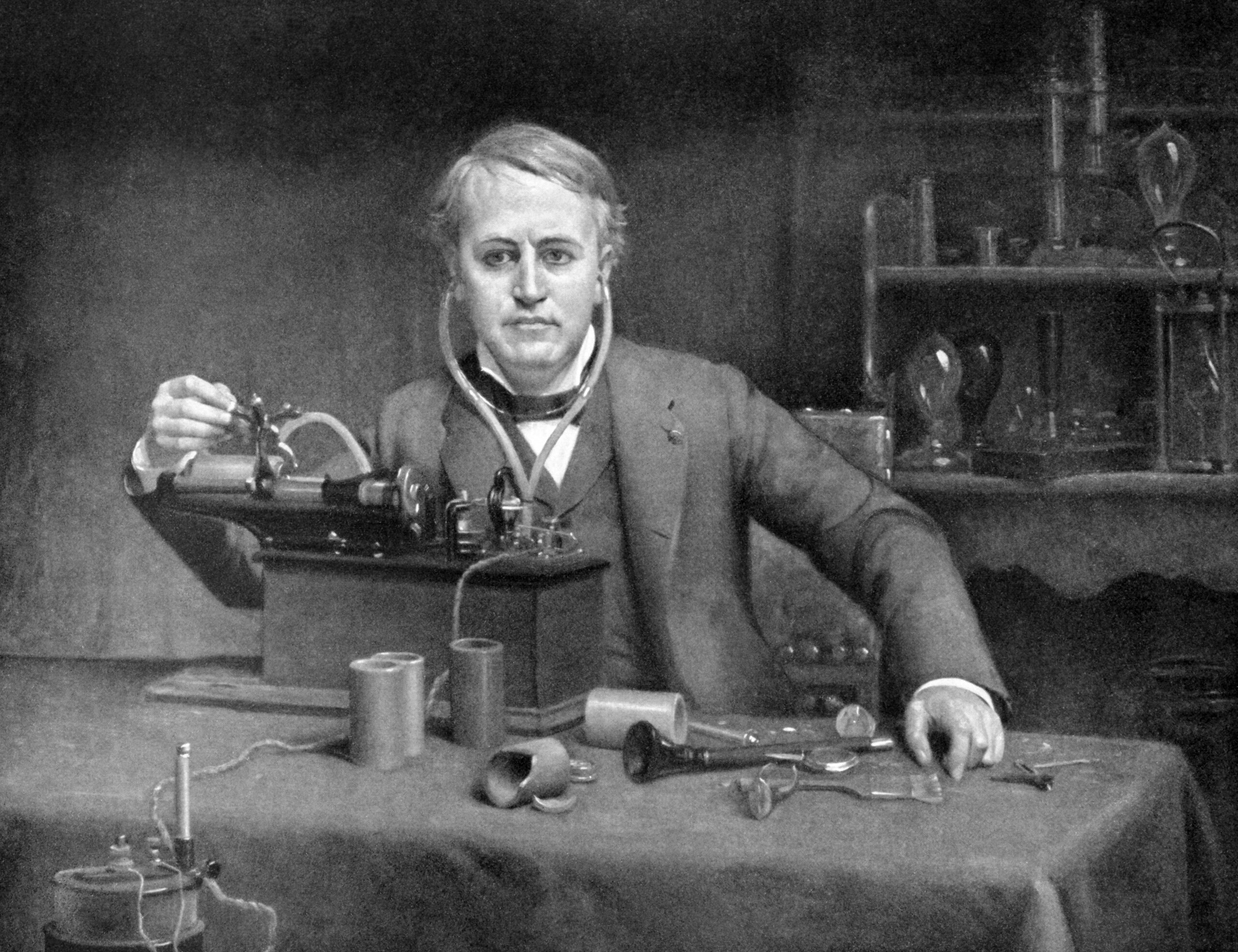
The Story Behind One of History’s Greatest Inventions The invention of the light bulb is one of the most pivotal achievements in history, marking a significant shift from a world illuminated by candles and gas lamps to one brightened by electric light. The light bulb, as it exists today, was not the result of a …