

Defining the Modern Interior Modern interior design embraces clean lines, open space, and functional simplicity. It favours uncluttered layouts, considered materials, and lighting that enhances architecture rather than competing with it. The result is a calm, purposeful aesthetic that feels fresh, airy, and adaptable to everyday living. History of Modern Interior Design The roots of …
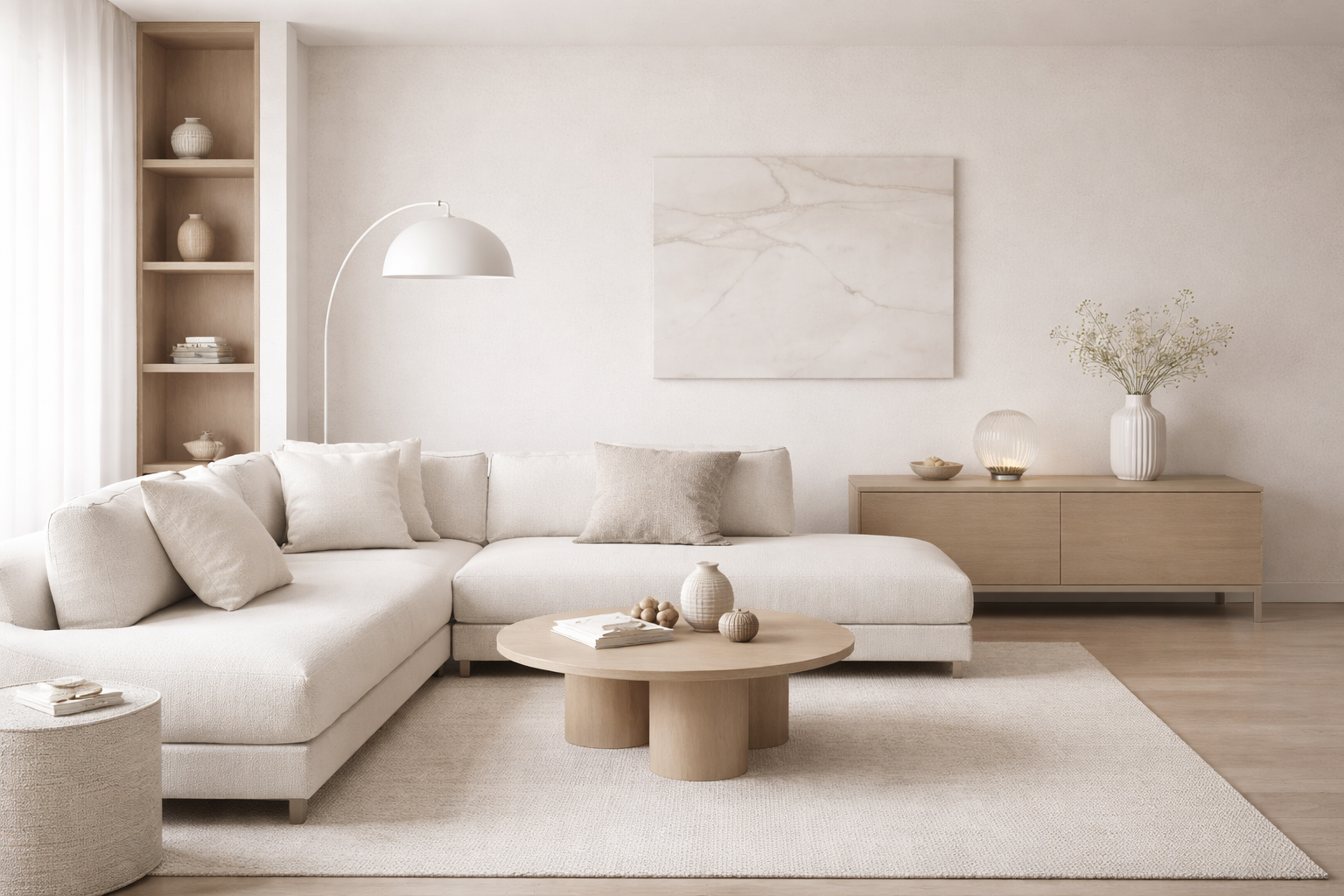
Exploring Minimalist Interiors Minimalist interior design is rooted in clarity, balance, and purpose. It removes the unnecessary, highlighting clean lines, open space, and functional living. By focusing on “less is more,” minimalist interiors achieve harmony and calm, making every element intentional. Lighting is central to this approach, shaping atmosphere while accentuating architecture without clutter. History …

A Historical Journey of Pendant Lighting Pendant lighting is one of the most enduring and versatile forms of illumination. From simple vessels of oil suspended in ancient temples to sleek LED designs in today’s interiors, pendants have always been more than practical sources of light. They represent artistry, technological progress, and cultural values across time. …

Exploring Industrial Interiors Industrial interior design embraces the raw, functional aesthetic of factories, lofts, and warehouses. Exposed materials, utilitarian finishes, and open layouts create interiors that are both striking and practical. Lighting is central to this look, serving not only as illumination but as a key feature that enhances atmosphere and showcases rugged textures. History …
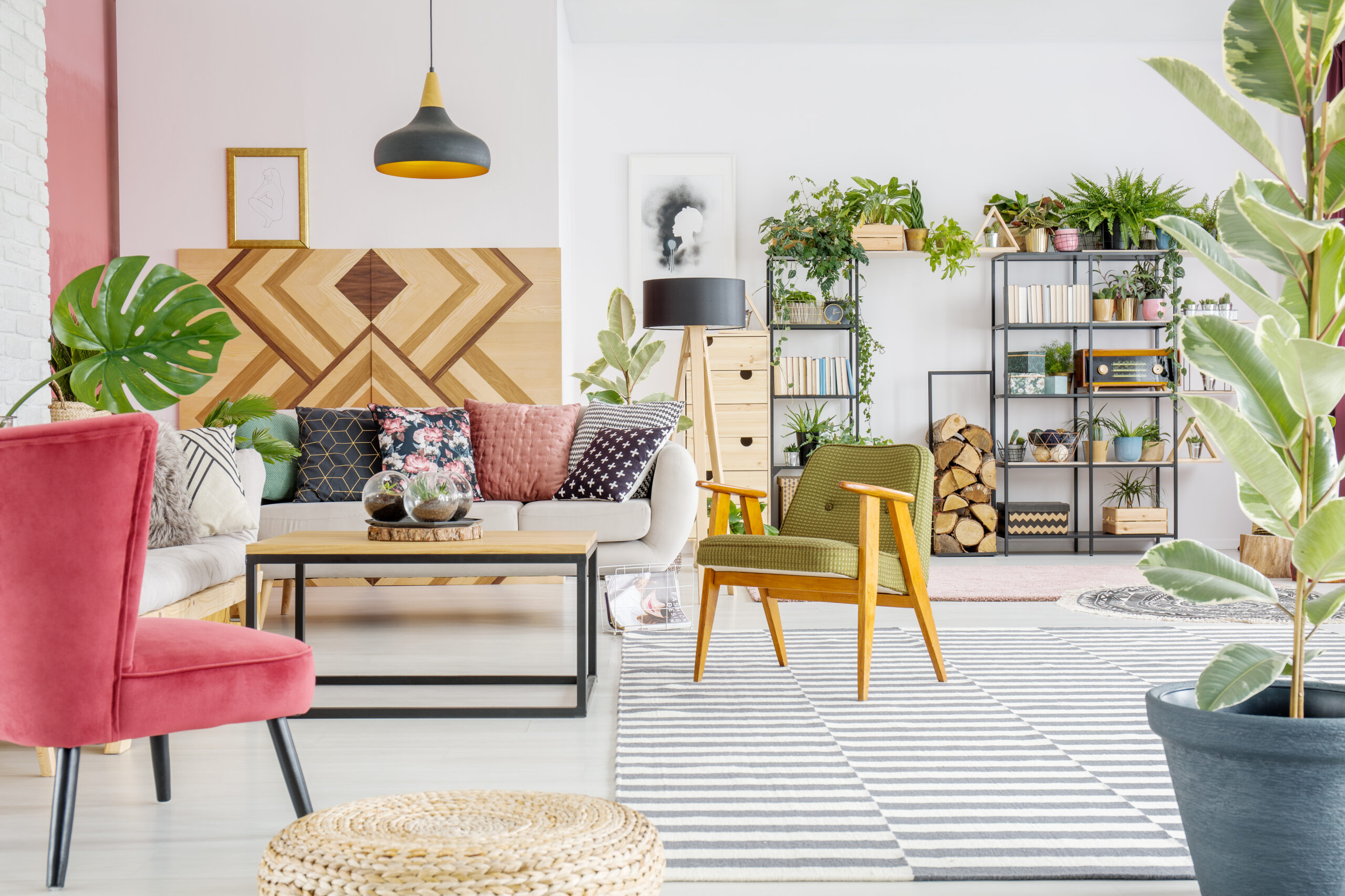
History and Cultural Roots of Bohemian Interiors Bohemian, or Boho, interior design emerged from the countercultural movements of the 19th and 20th centuries, drawing inspiration from artists, travellers, and free spirits who valued creativity over convention. It is defined by its eclectic mix of influences, rich layering of patterns and textures, and fearless use of …

Exploring Coastal and Nautical Interiors Coastal and nautical interiors capture the relaxed elegance of seaside living. They reflect light, air, and natural textures, creating spaces that feel both casual and sophisticated. Lighting, colours, and materials all play a role in evoking ocean breezes, sandy beaches, and maritime heritage. History of Coastal and Nautical Design Coastal …
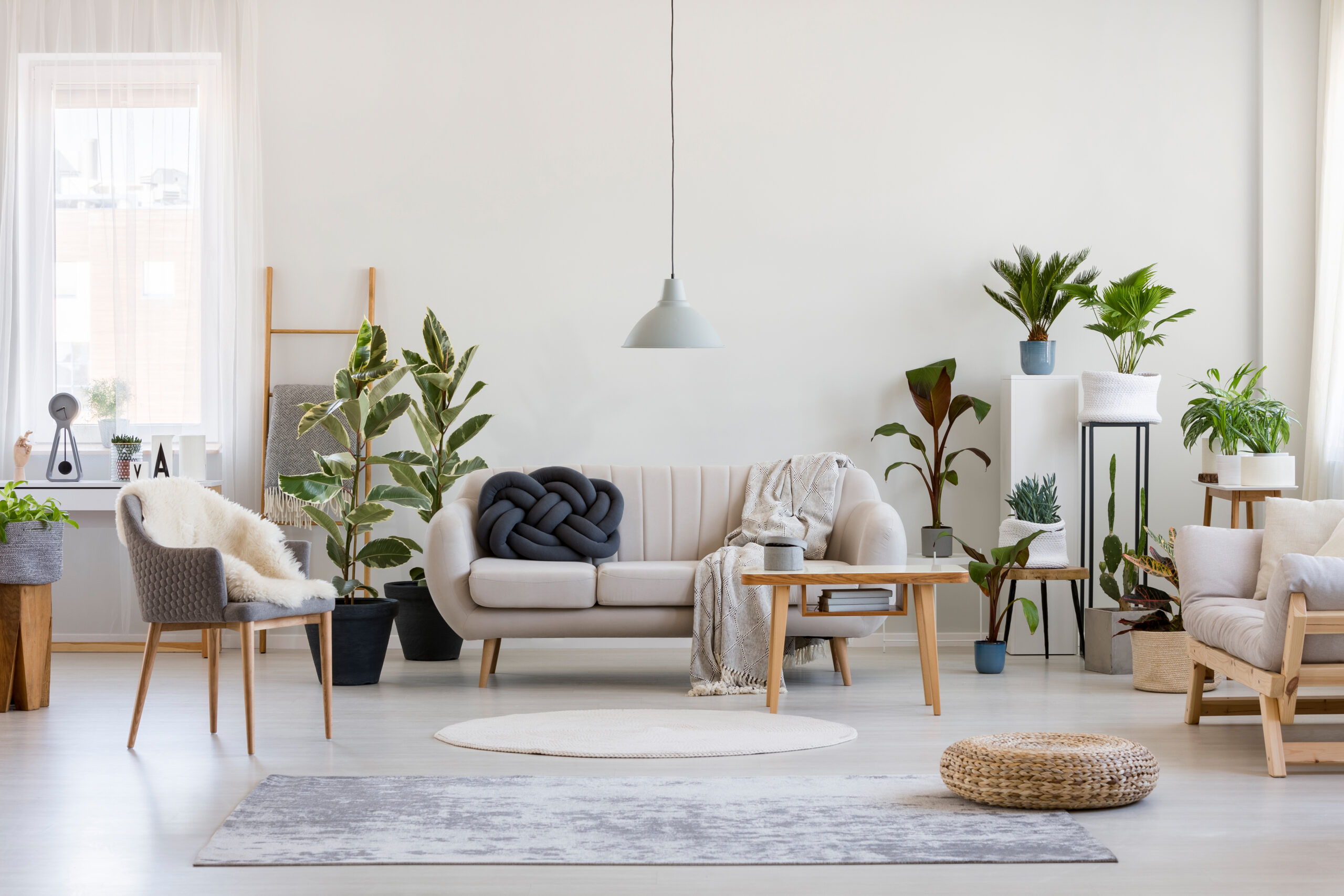
History and Influence of Scandinavian Interiors Scandinavian interior design emerged in the early 20th century and gained global recognition in the 1950s for its clean lines, practicality, and human-centred approach. Rooted in the Nordic way of life, it reflects the region’s long winters, prioritising natural light, warmth, and simplicity. The philosophy balances form and function, …
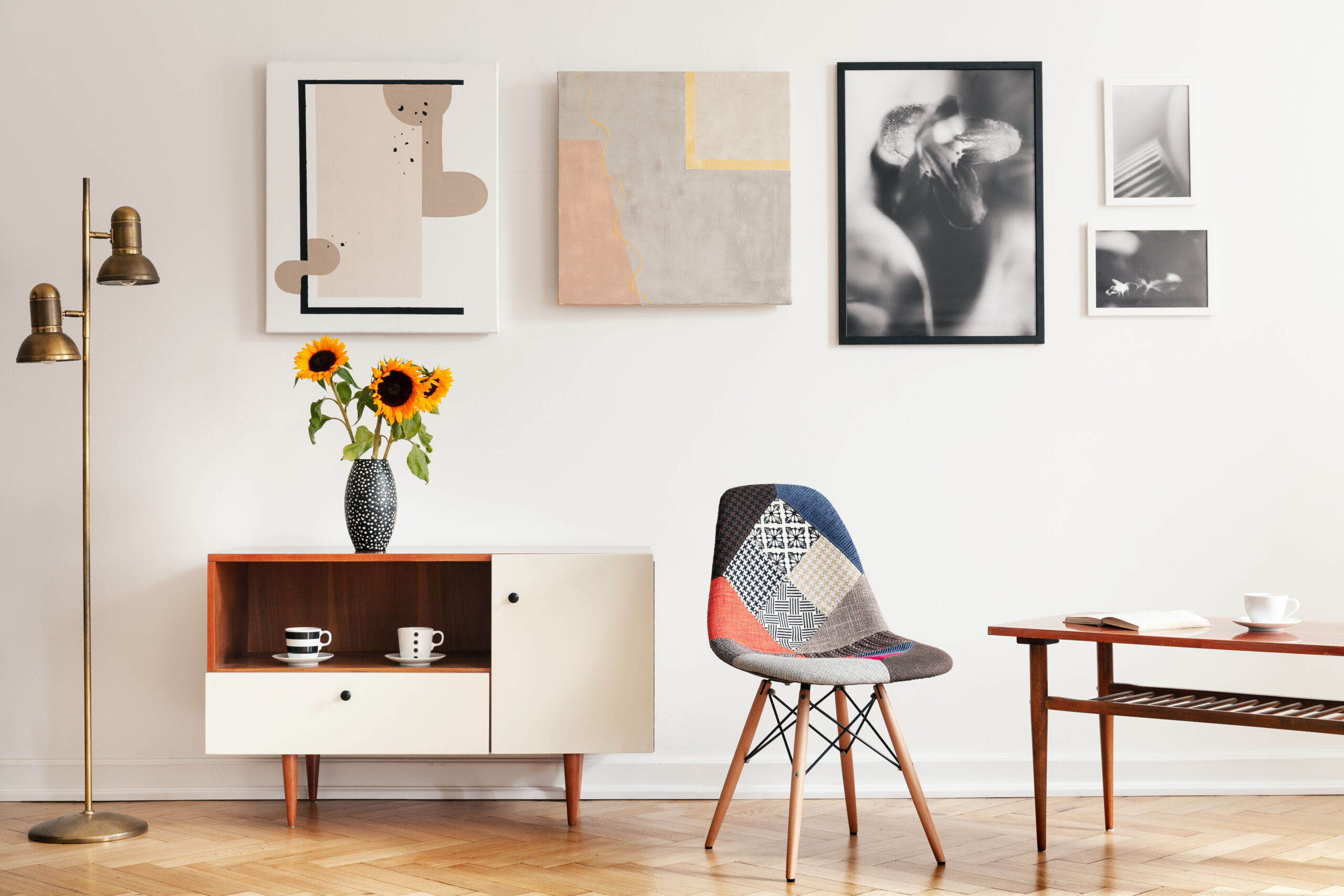
Origins and Spirit of Eclectic Design Eclectic interior design emerged as a way to break free from the rules of traditional decor, allowing homeowners to combine styles, eras, and influences in creative ways. Rather than following one set formula, eclectic design is guided by personality, storytelling, and balance. The style thrives on contrast—mixing old and …
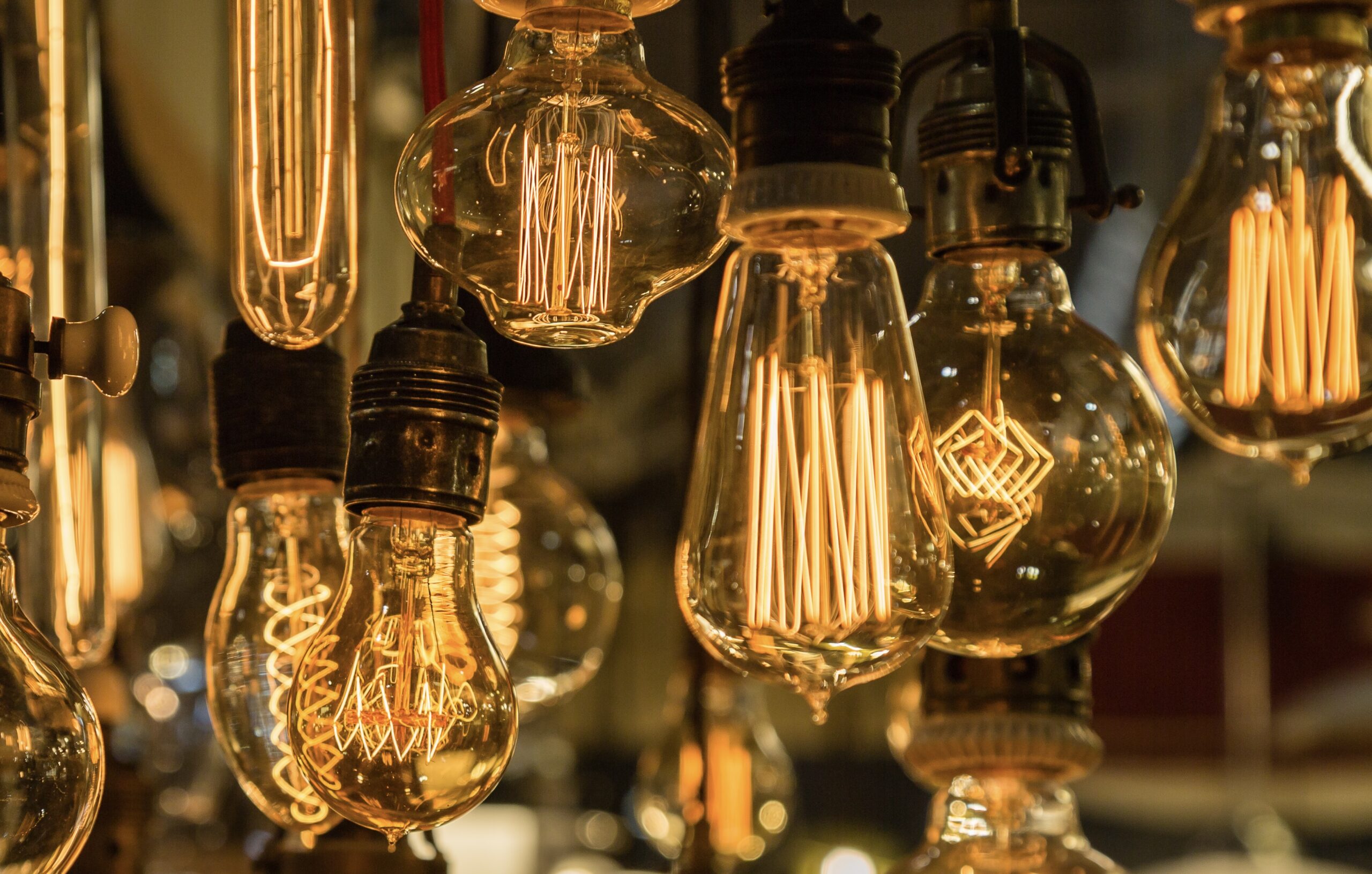
The Journey of Filament Bulbs Vintage filament bulbs have been a defining part of interior lighting since the late 19th century. Early versions used carbon filaments before the adoption of tungsten, which offered greater durability and a brighter, more stable glow. For decades, incandescent filament bulbs illuminated homes, shops, and public spaces with their signature …