
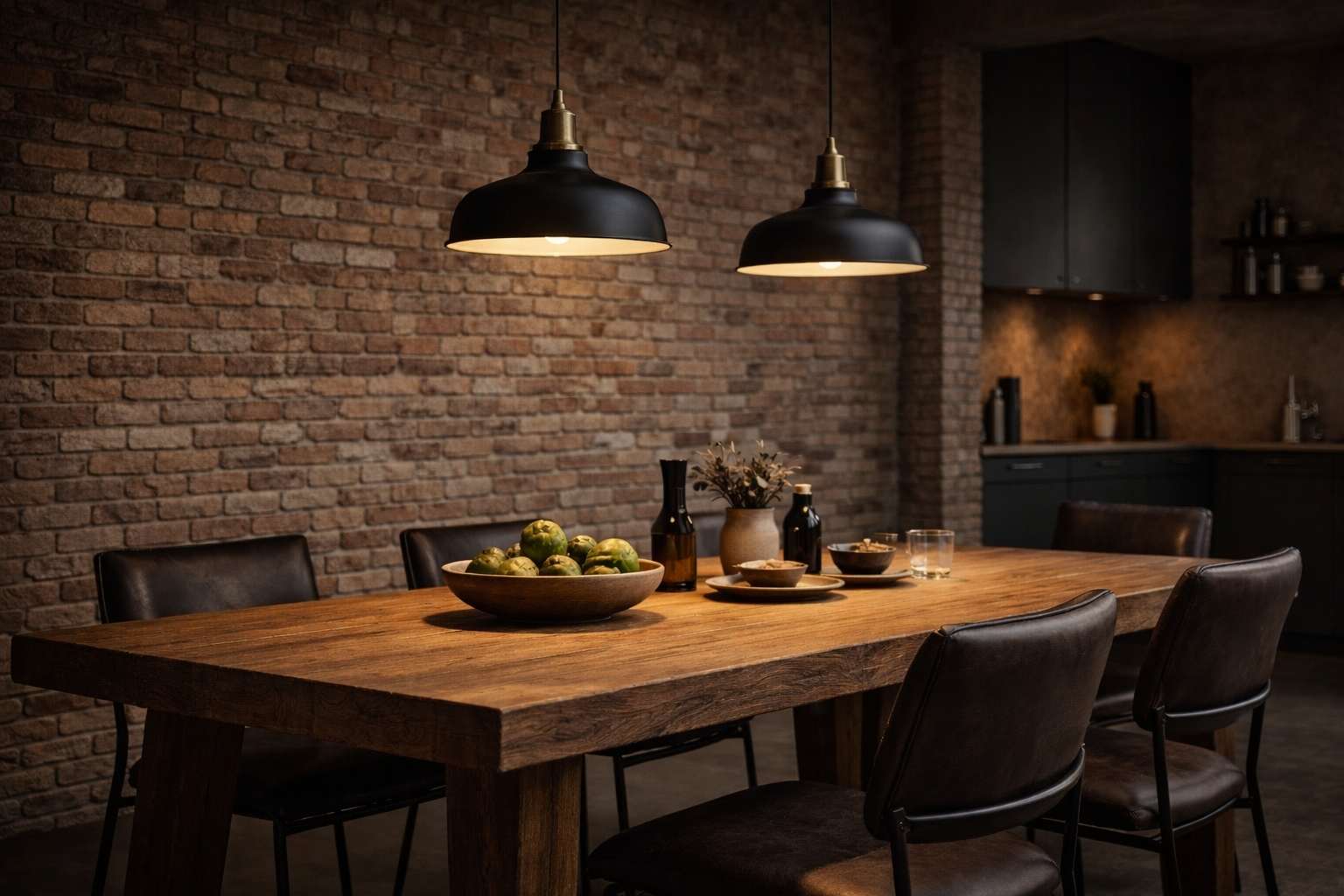
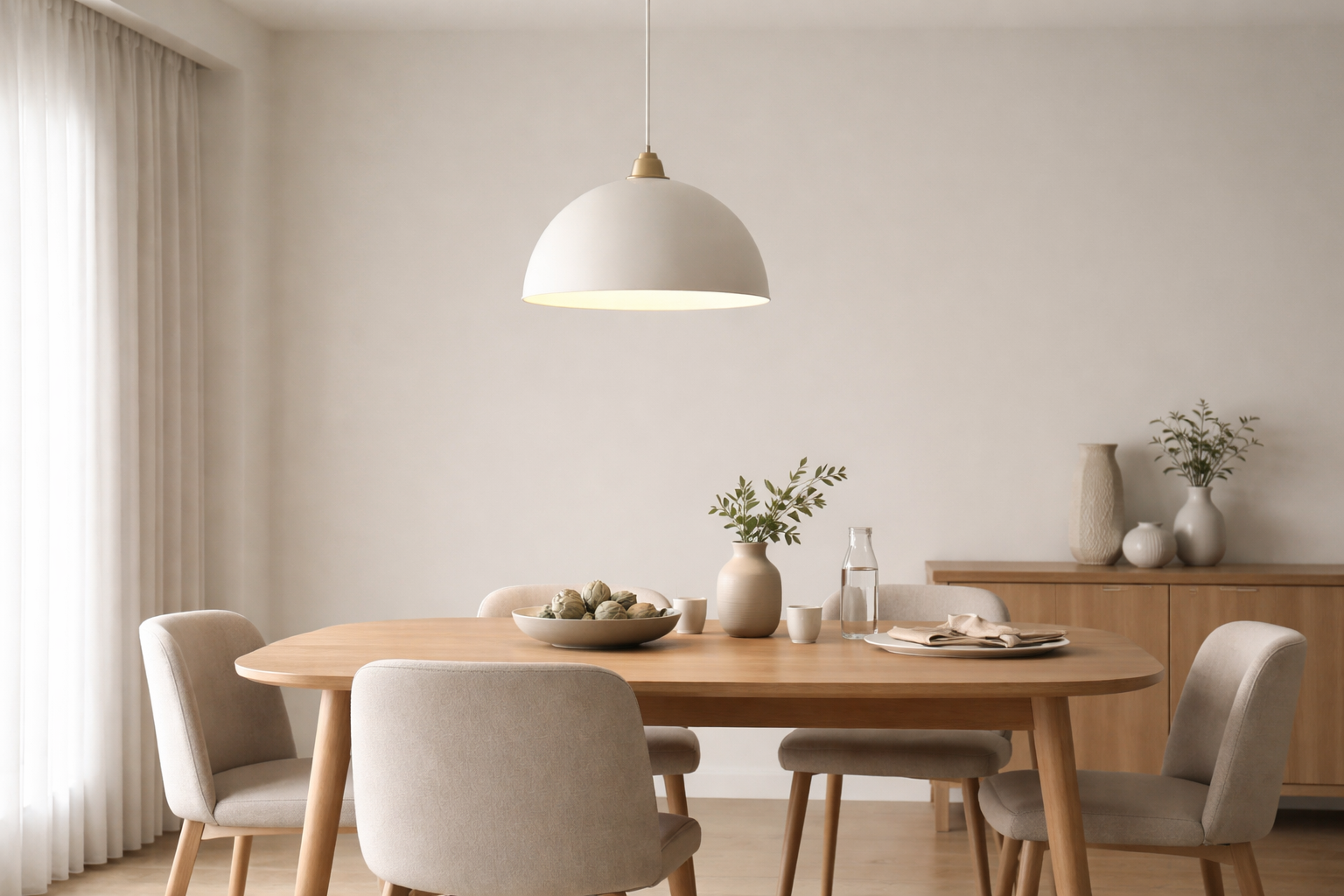
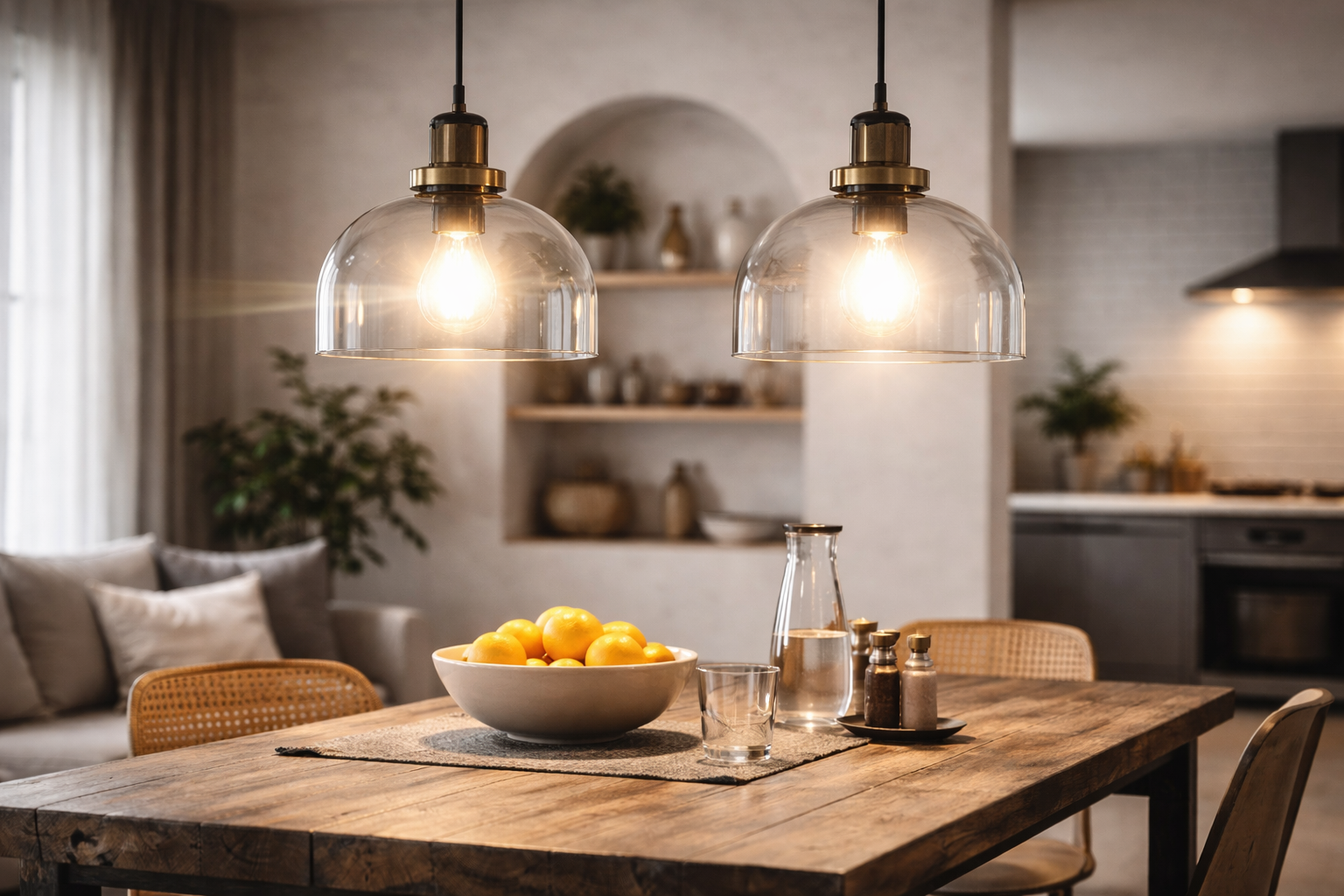
Why Dining Table Lighting Matters Dining table lighting defines how a space is used and experienced. Positioned directly above the table, it creates a focused area for eating, conversation, and everyday use. The right lighting not only improves visibility but also shapes the atmosphere of the room. Unlike general room lighting, dining lighting is localised. …
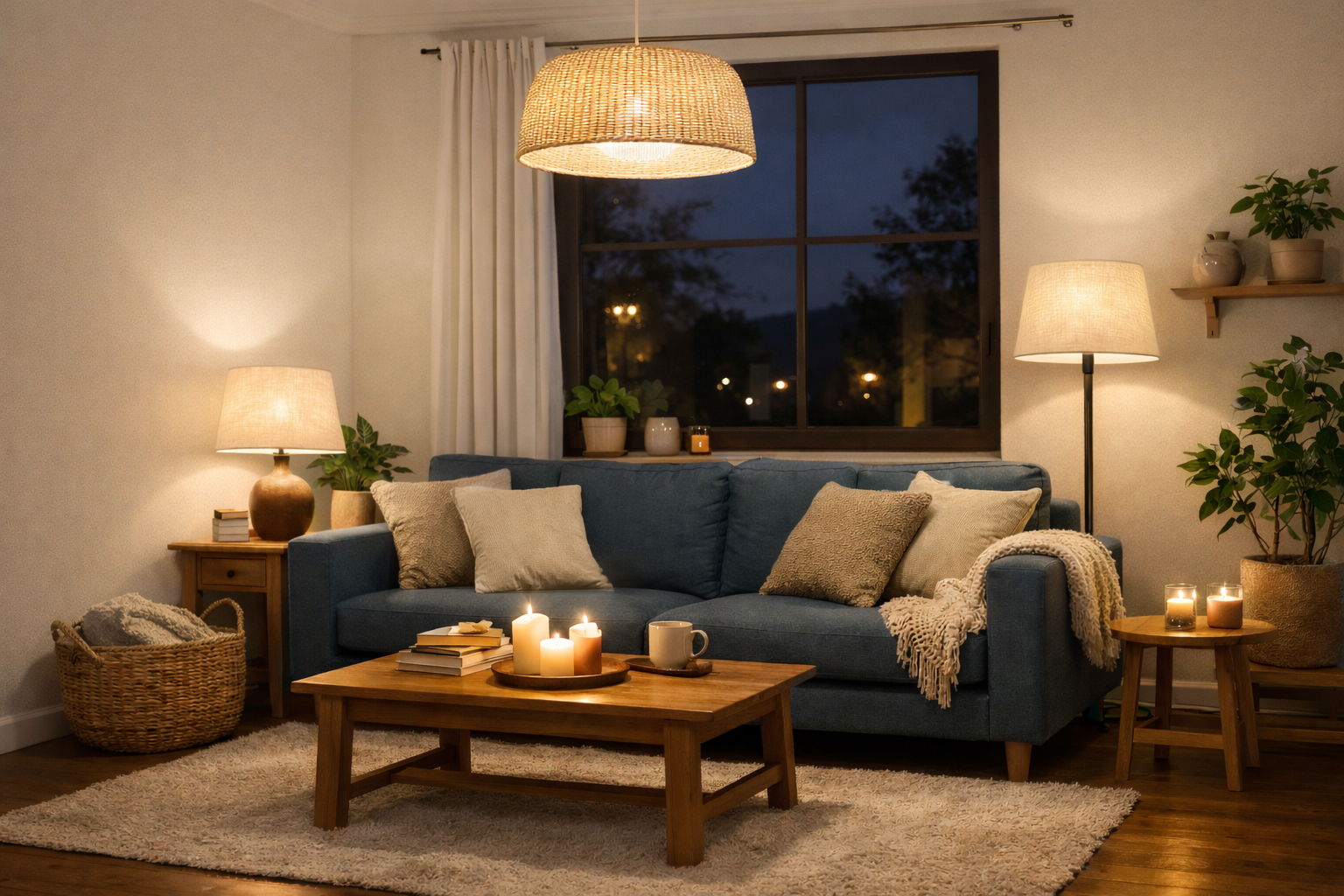
Why Warm Lighting Works Best in Living Rooms Living rooms are designed for relaxation, conversation, and spending time with family or friends. Because these spaces are typically used in the evening, lighting plays an important role in shaping the atmosphere. Warm white lighting helps create a comfortable environment that feels inviting and visually balanced. Unlike …
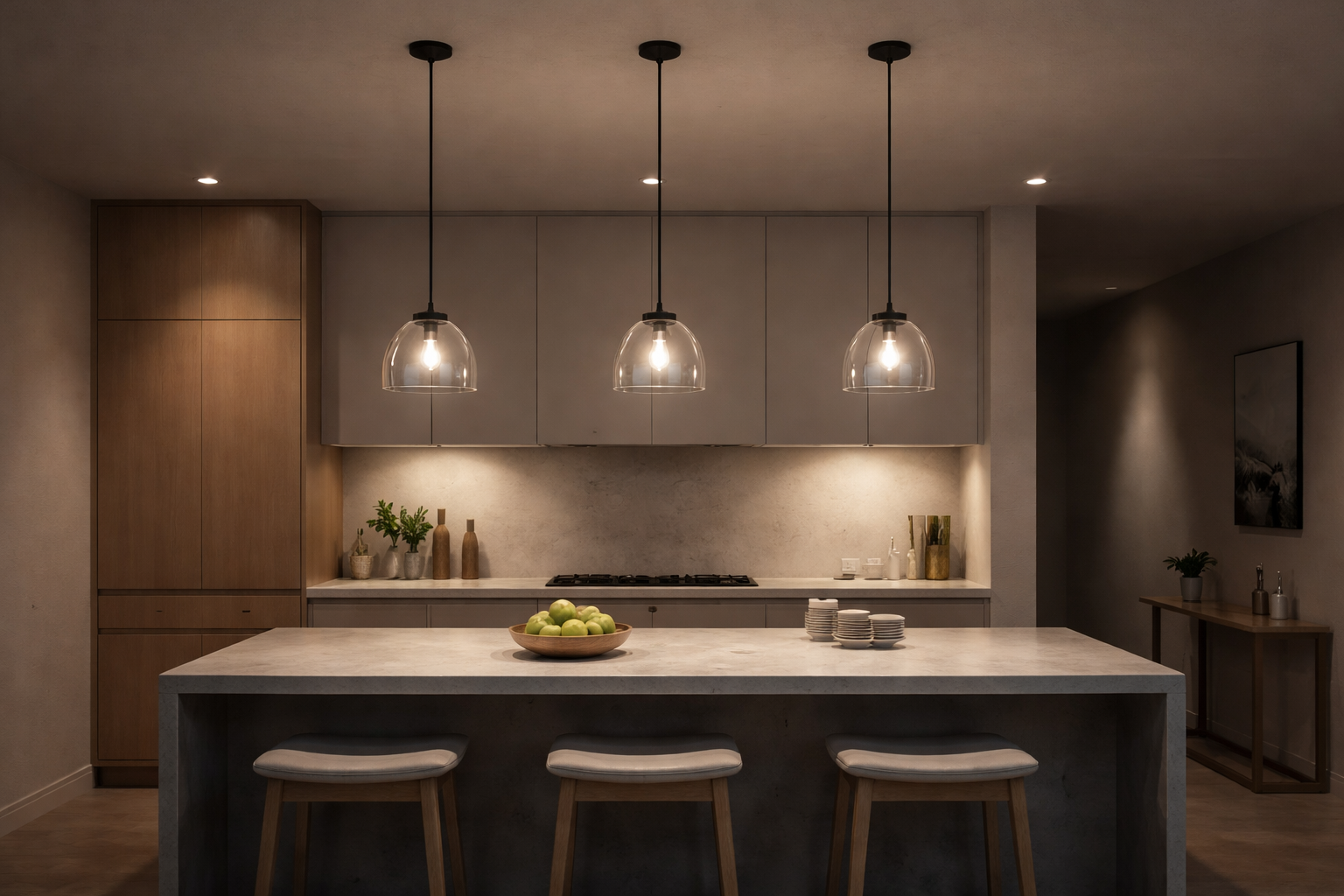
Why Some Rooms Always Feel Dark Some rooms feel permanently dim no matter how many lights are installed. This usually happens when lighting is poorly positioned rather than insufficient. Dark rooms often suffer from shadows, uneven light distribution, or fixtures that concentrate illumination in the wrong place. Pendant lighting can dramatically improve these spaces when …
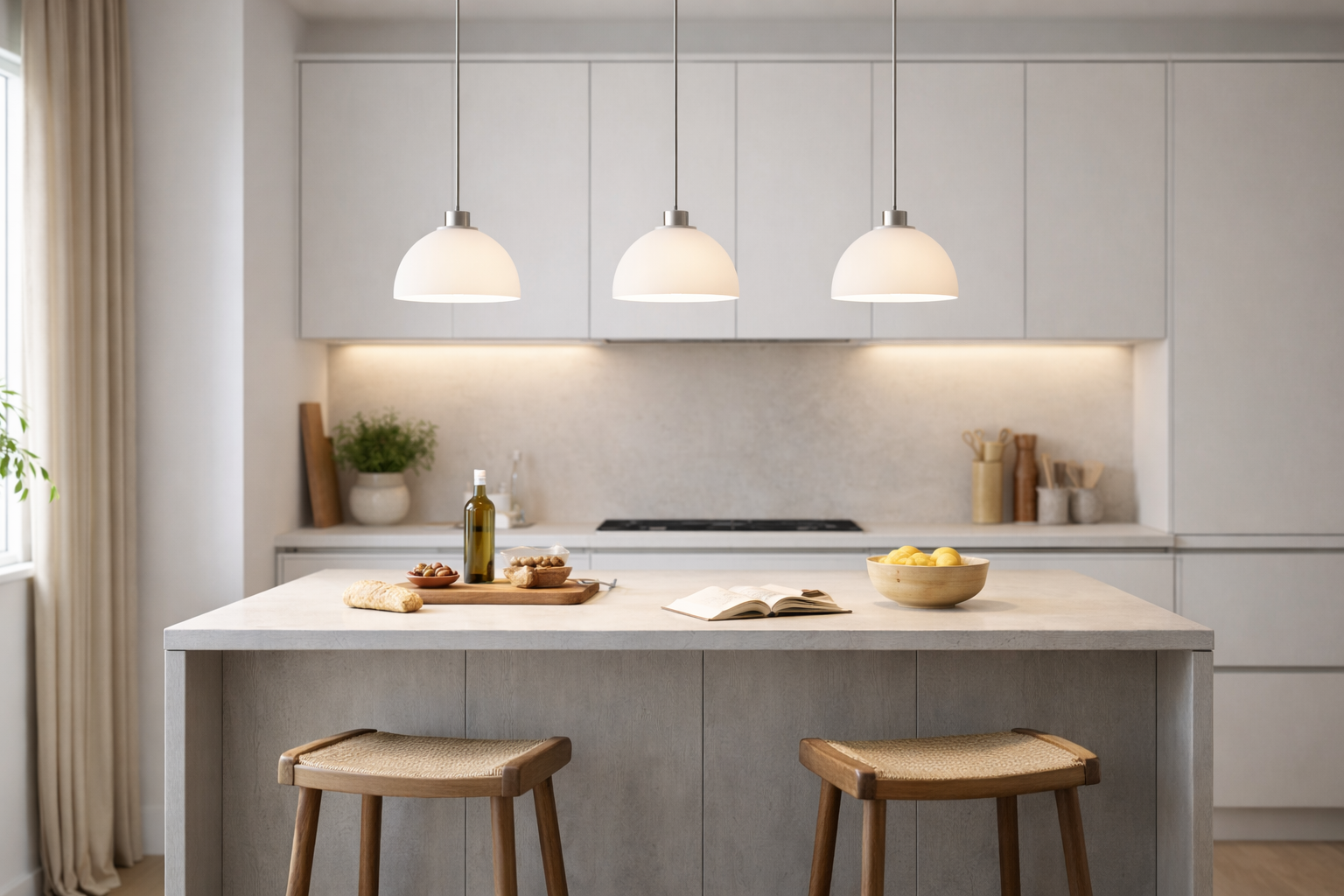
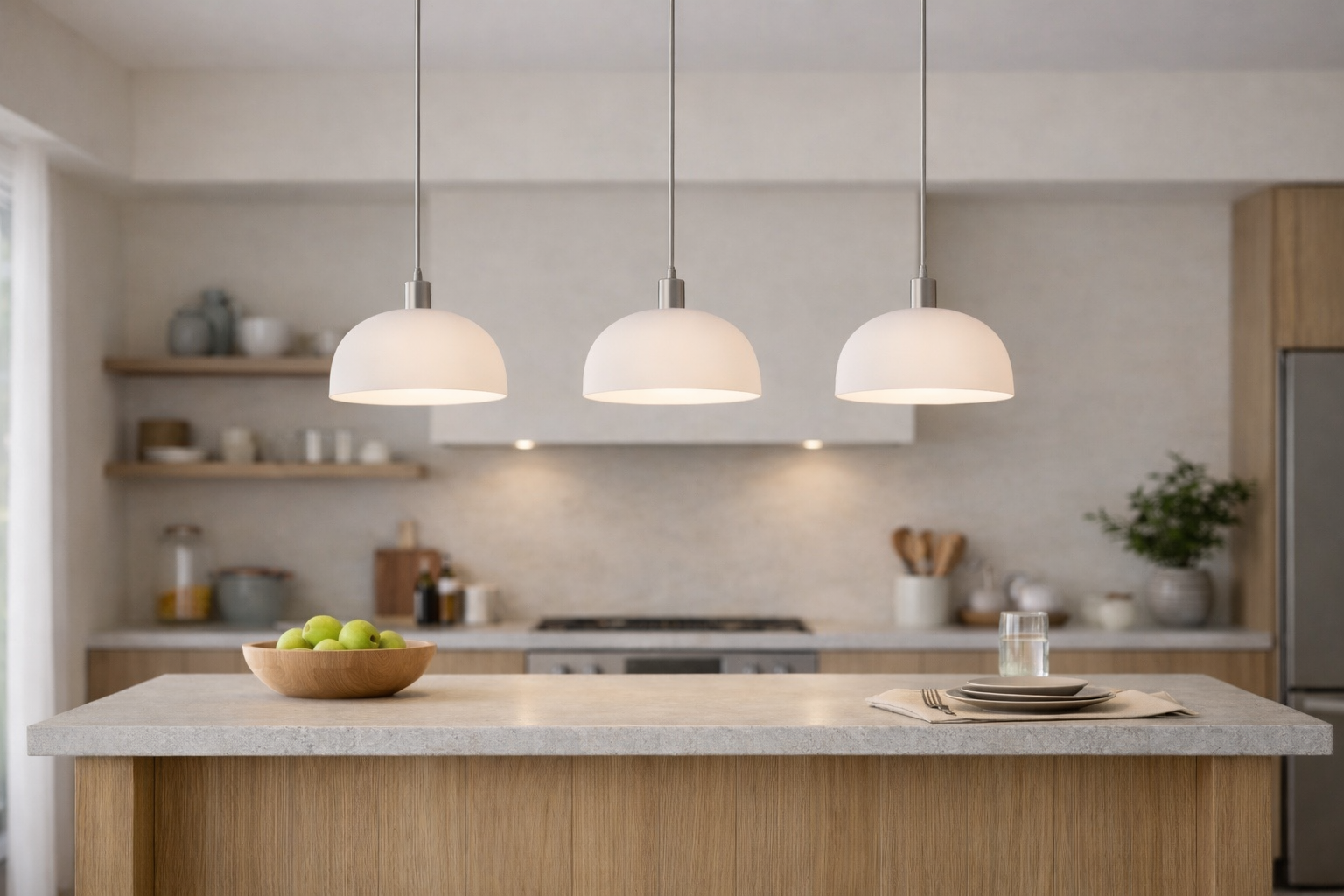
Why Island Lighting Fails More Often Than It Should Kitchen island lighting often looks impressive in showrooms but feels uncomfortable in real homes. The problem is rarely the fixture itself. It is usually spacing, height, glare, or scale. Designers approach island lighting differently. They think about proportion, sightlines, and how light behaves during daily use …
Choosing Between a Single Pendant and a Cluster Pendant lighting can transform a room — but choosing between a single pendant and a cluster arrangement changes more than style. It affects scale, balance, glare control, and how the ceiling relates to the space below. A single pendant feels calm and centred. A cluster creates movement …
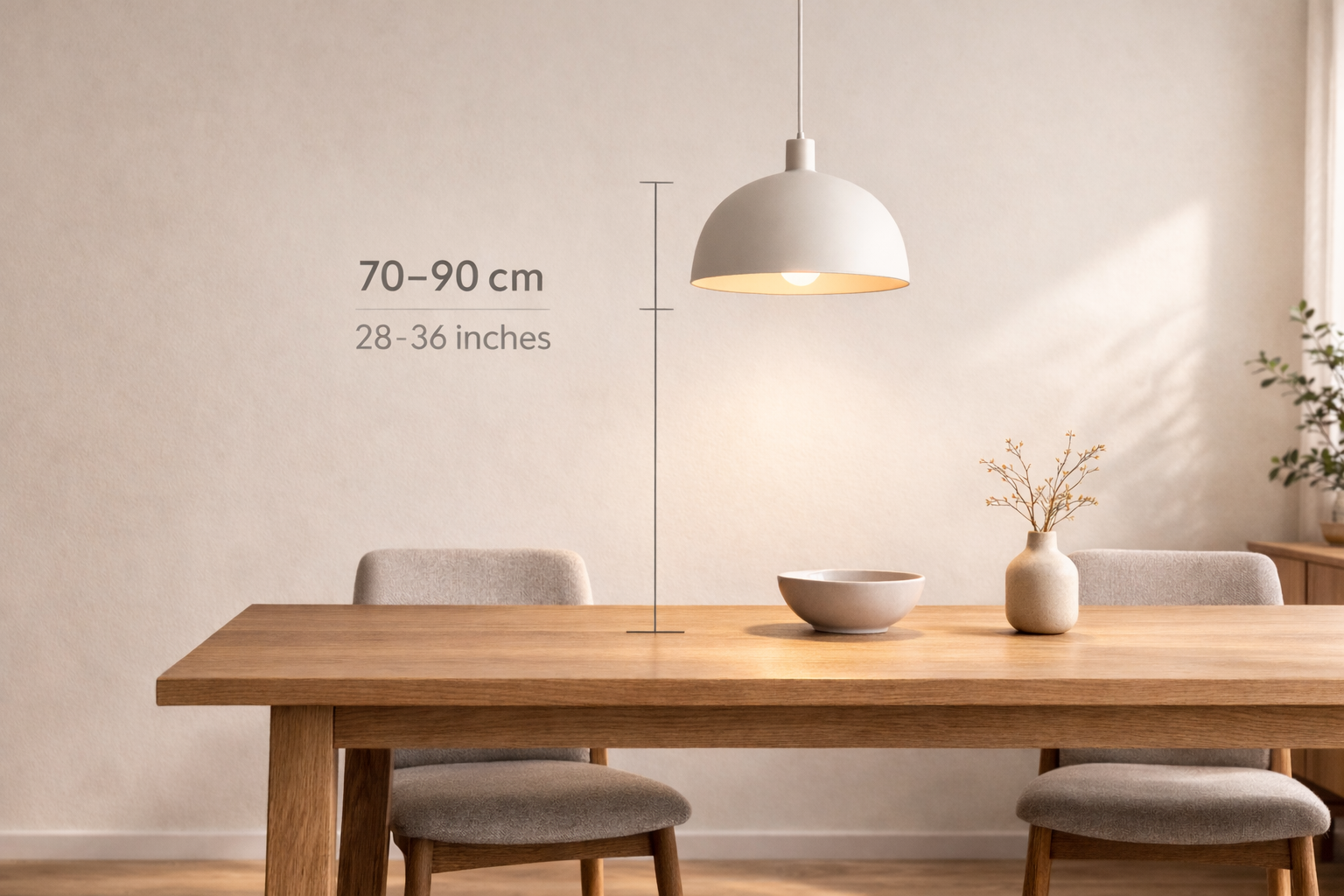
Standard Pendant Heights for Tables, Islands and Rooms Pendant lighting often looks wrong not because of the fixture, but because of its height. A pendant that hangs too low feels intrusive. One that hangs too high feels ineffective. Getting the height right is one of the simplest ways to improve comfort, balance, and visual clarity …
Why Pendant Size Matters More Than Style Choosing the right pendant light size is one of the most common — and most misunderstood — lighting decisions. Too small, and the pendant feels insignificant. Too large, and it overwhelms the space. The correct size is not about trends or symmetry alone. It depends on proportion, ceiling …
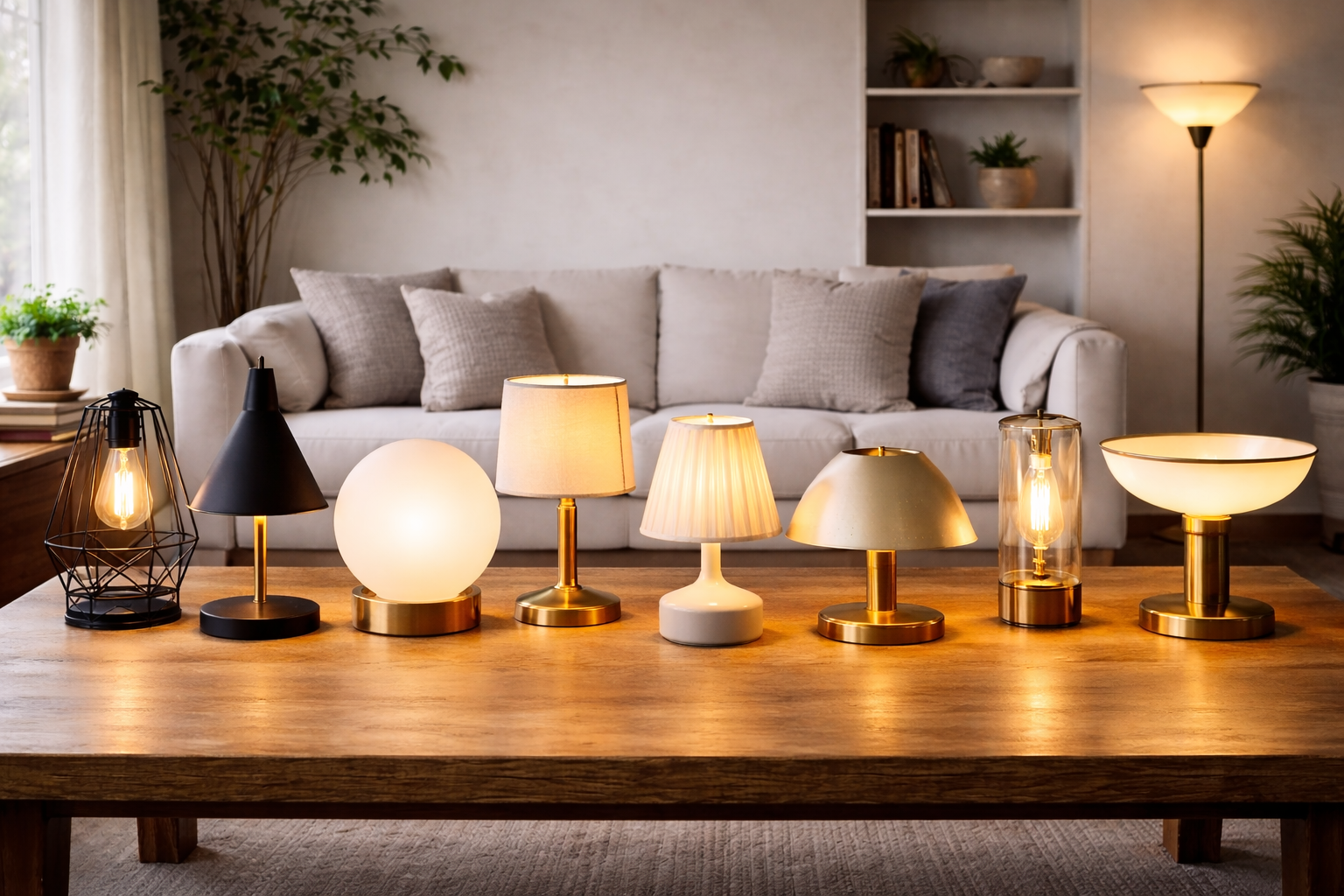
Why Lamp Shape Changes Everything in Lighting Design When choosing a lamp, most people focus on brightness, bulb type, or style. Shape is often treated as a purely aesthetic decision. In reality, lamp shape is one of the most important factors influencing how light behaves within a space. The form of a lamp determines where …
Glare is one of the most common lighting complaints — and one of the most misunderstood. Many people assume glare is caused by a light being “too bright”, when in reality it is usually the result of how light is delivered, positioned, and controlled. Pendant lights are especially prone to glare because they sit directly …