
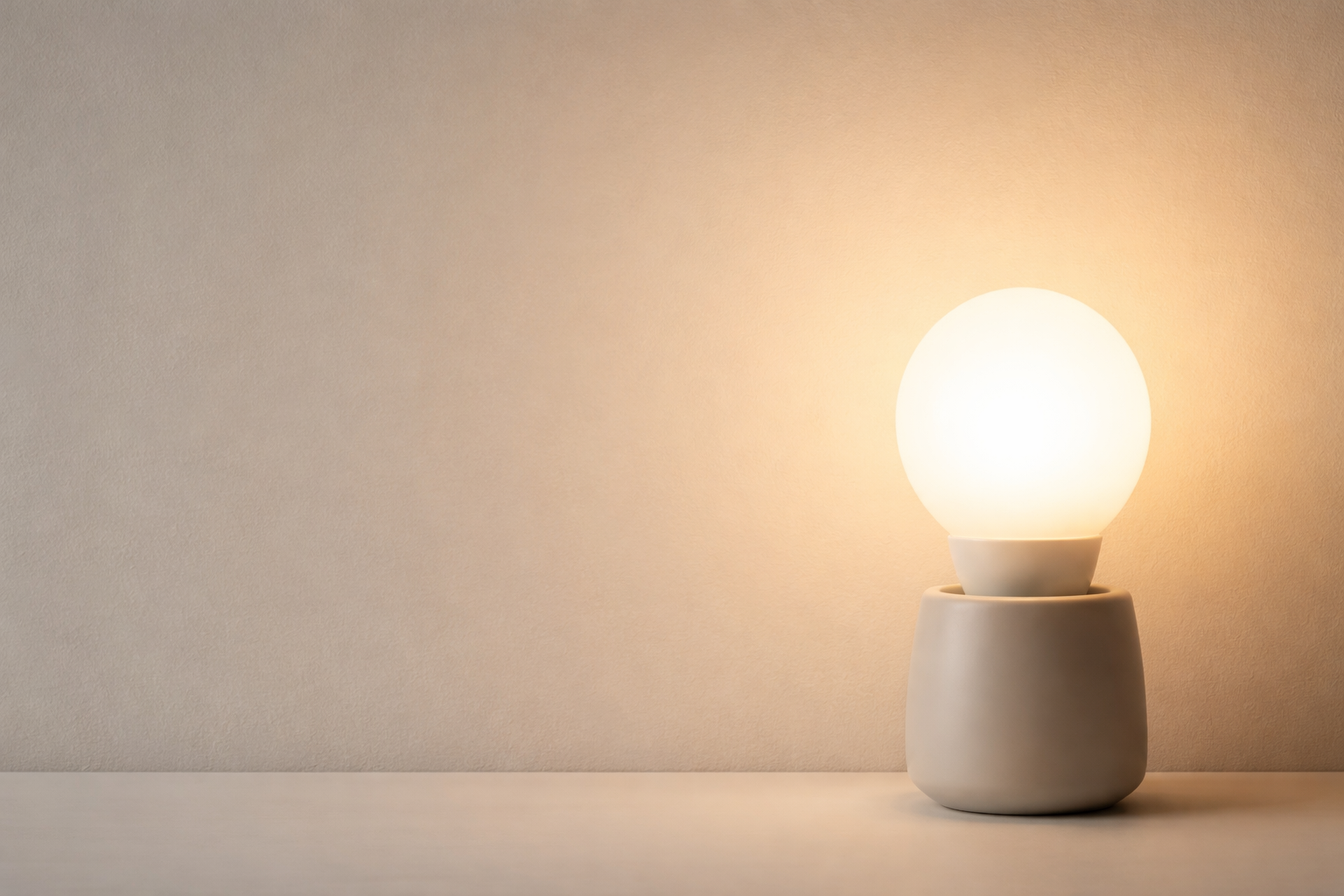
Why Light Bulbs Matter More Than Fixtures When people think about lighting, they usually think about fixtures — pendants, lamps, wall lights. Light bulbs are treated as interchangeable components, chosen at the last minute. In reality, the bulb is the light. Fixtures only shape, hide, or direct it. Two identical fittings can feel completely different …
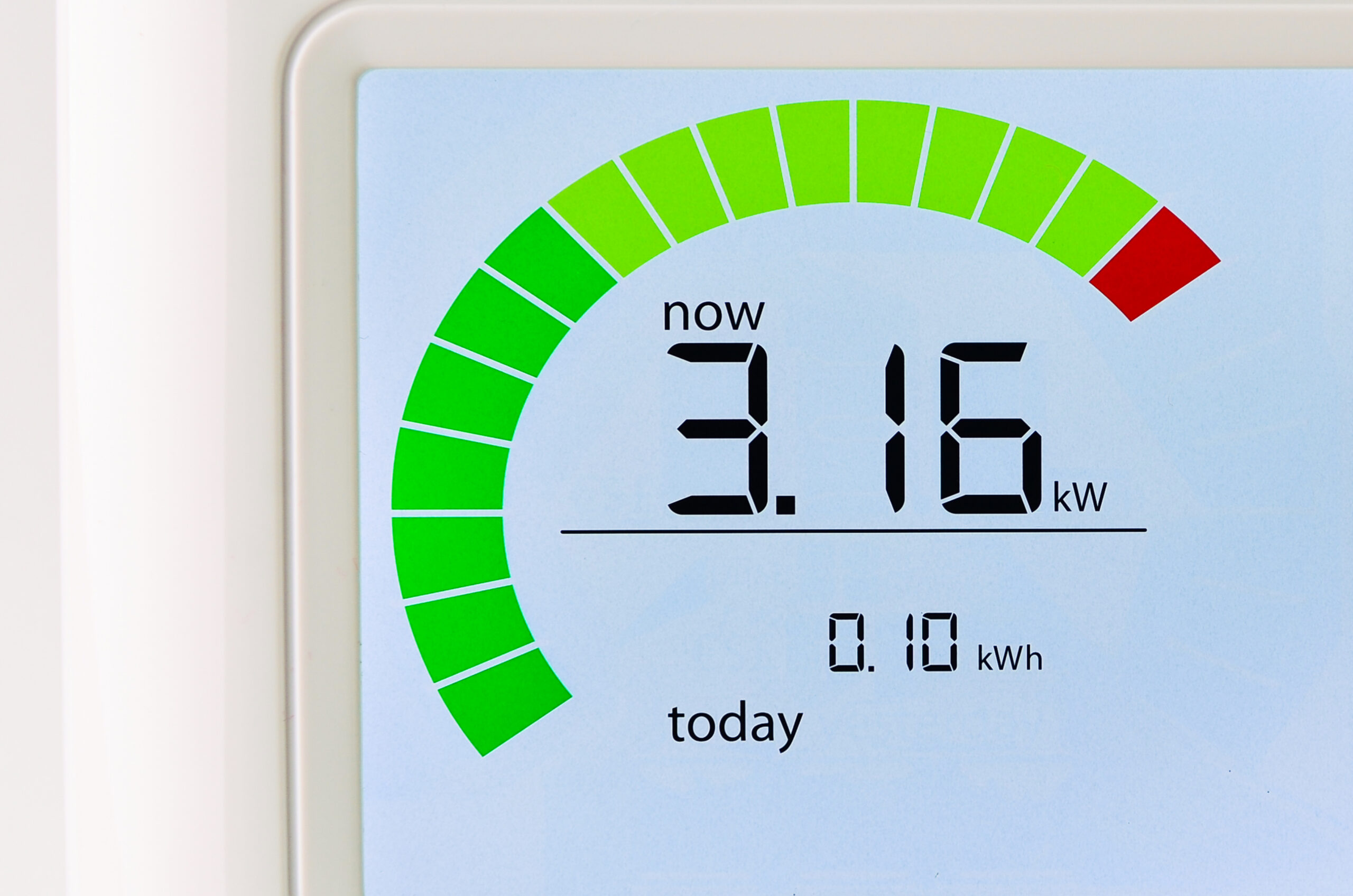
What Are Watts and Why Do They Matter? Watts (W) measure how much electrical power a light consumes. They indicate the amount of energy drawn from your electricity supply to produce illumination. In older incandescent bulbs, wattage was directly linked to brightness. However, with energy-efficient lighting such as LEDs, watts now represent power consumption rather …

Understanding the Language of Light Lighting terminology can often feel overwhelming, especially with so many technical terms used in product descriptions and design discussions. Understanding these terms helps you make informed choices about performance, energy efficiency, and aesthetics. This guide explains the most common lighting terms in simple language, making it easier to compare products …
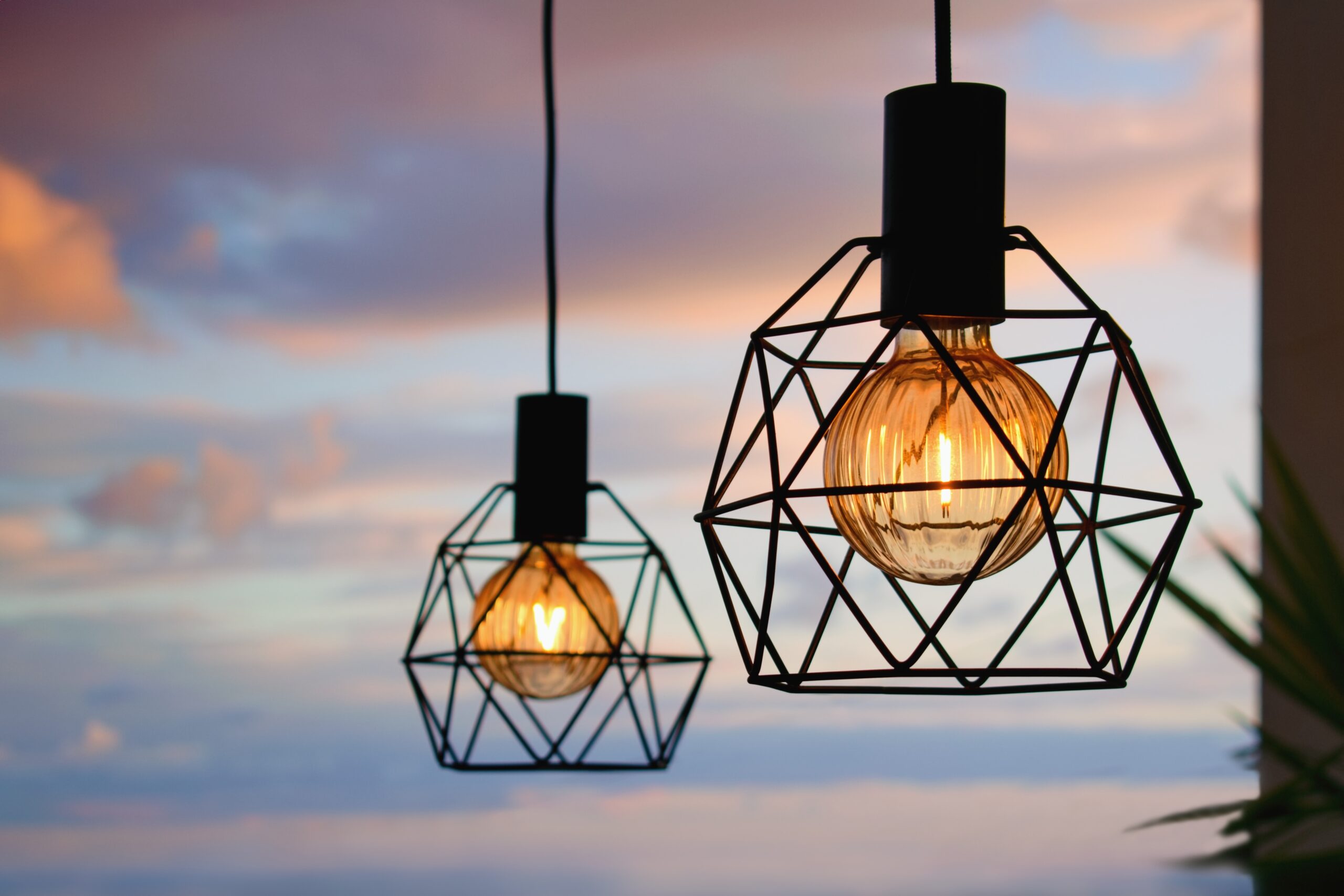
Halogen and LED Compared Halogen lamps are being phased out or restricted in many regions because they use significantly more energy than modern alternatives. LED lighting has become the preferred option for most applications thanks to its higher efficiency, long lifespan, and lower heat output. If you’re replacing halogen bulbs, the most important comparison is …
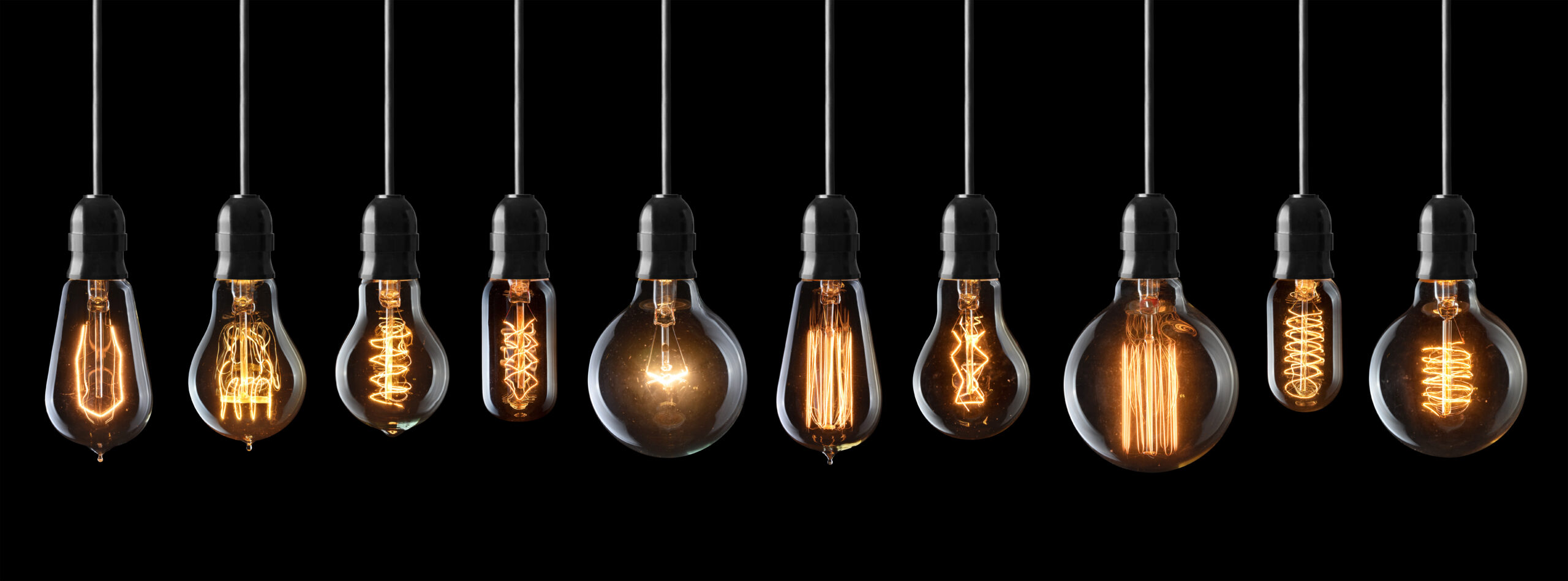
What Are Lumens and How Do They Work? Lumens (lm) measure the total visible light output from a bulb or fixture — in simple terms, they indicate how bright the light is. The higher the lumen number, the brighter the light appears. Unlike watts, which measure energy use, lumens measure light output, allowing you to …