
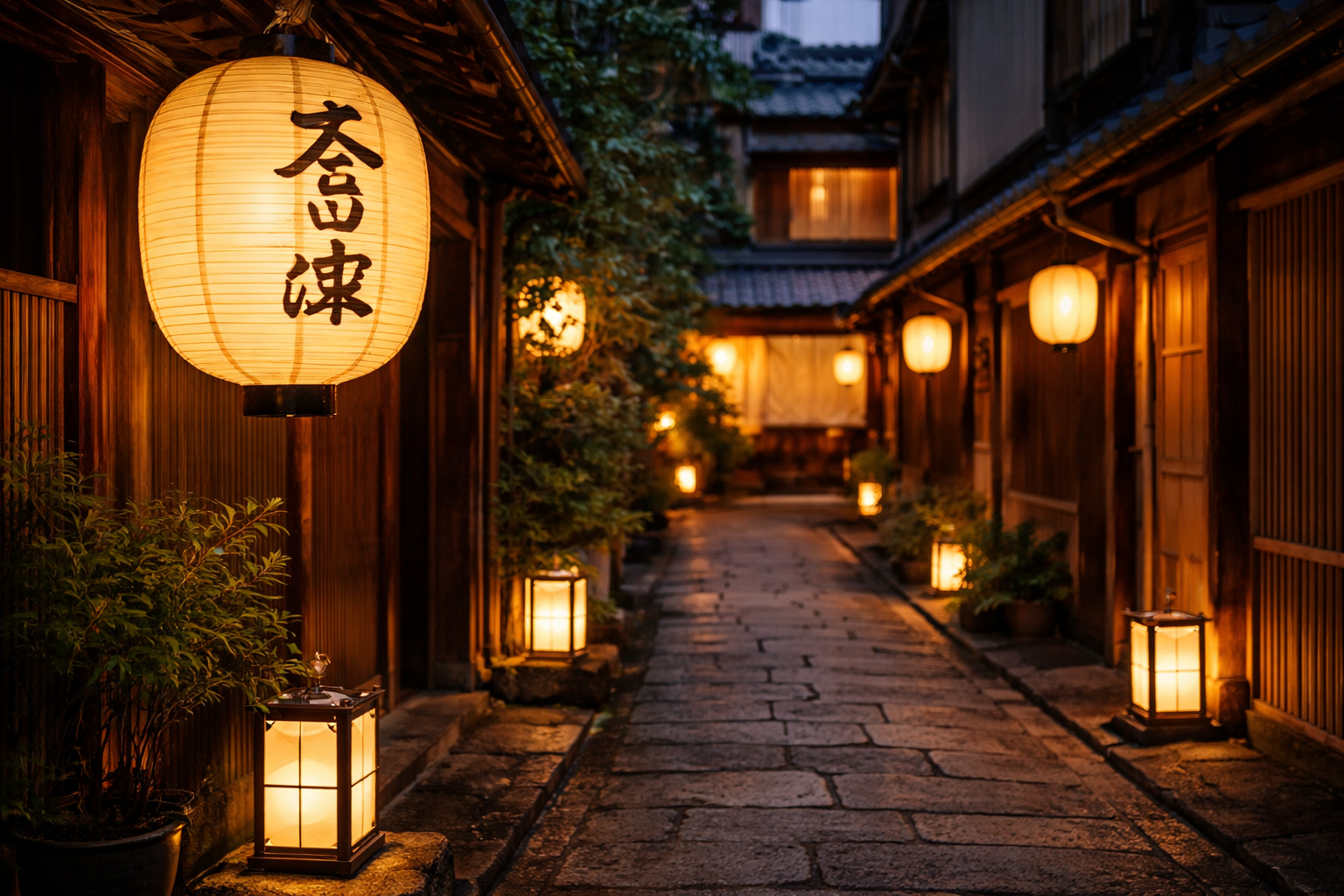
Soft Light, Ancient Craft, and the Art of Illumination. Soft, warm, and gently diffused, Japanese paper lanterns are among the most recognisable lighting forms in the world. Whether glowing above a festival street, hanging outside a tea house, or resting quietly in a modern interior, they embody a unique balance of beauty, restraint, and purpose. …
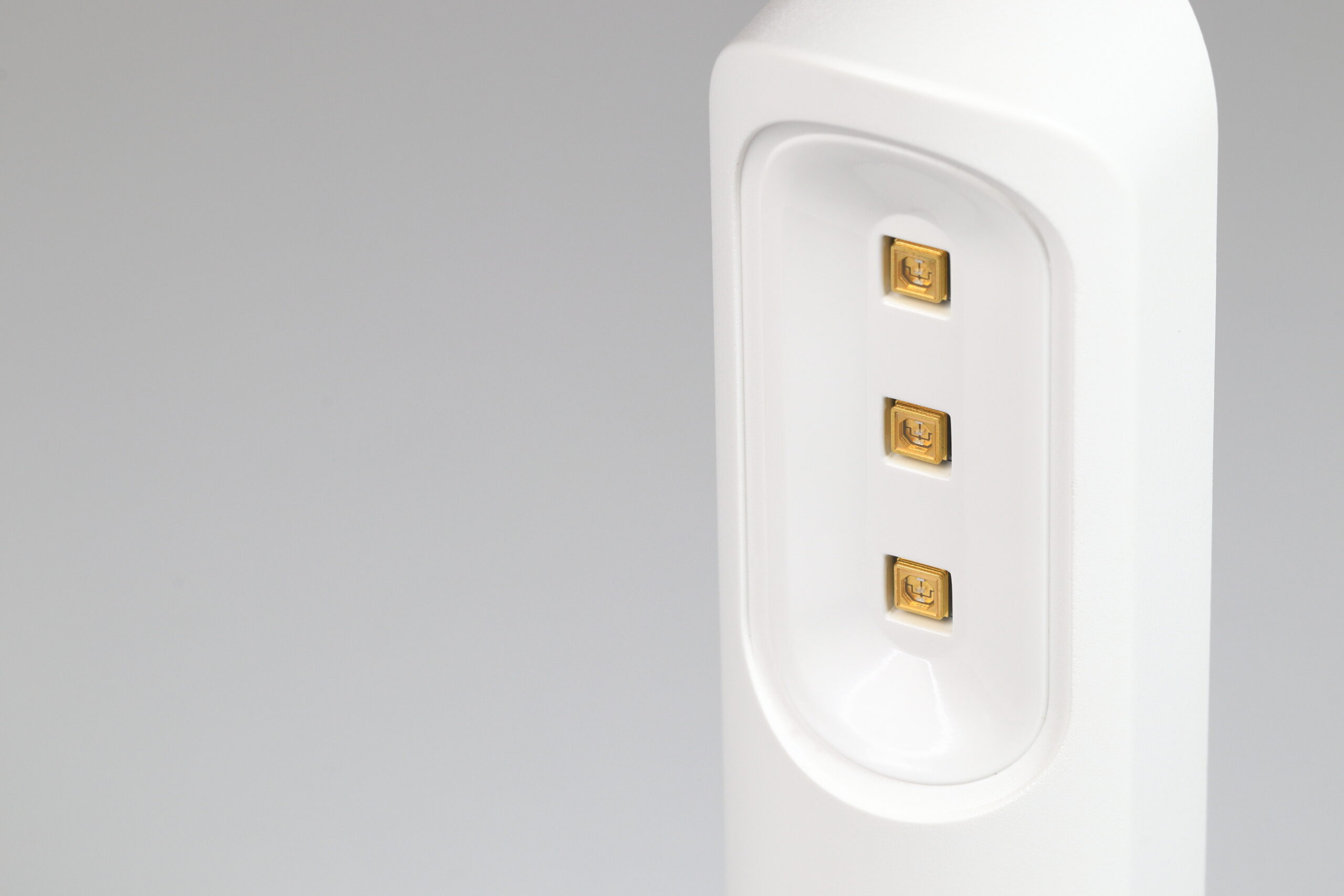
Understanding Clean-Light & Antibacterial Illumination. Clean-light technology is increasingly used in homes, healthcare settings, hospitality, and workplaces. By using specialised wavelengths such as UV-C or antibacterial blue-violet LEDs, these systems help reduce or deactivate bacteria on surfaces and objects. With growing interest in safer, low-chemical hygiene solutions, clean-light technology offers a practical way to support …

Balancing Modern Efficiency with Historic Character. Retrofitting LED lighting in heritage buildings presents a unique challenge — maintaining the building’s historical integrity while meeting modern energy and performance standards. Retrofit LED upgrades allow property owners, conservation specialists, and architects to improve efficiency and safety without compromising the original aesthetics of traditional lighting designs. What Is …

What Is Sustainable and Biophilic Lighting Design? Sustainable and biophilic lighting design focuses on creating spaces that are energy-efficient, environmentally responsible, and inspired by nature. While sustainability aims to reduce energy use and carbon impact, biophilic design seeks to connect people with the natural world through light, materials, and form. Together, these concepts enhance wellbeing …

Understanding RGB and Tunable White Lighting. Modern lighting design goes far beyond simple on-and-off functionality. RGB and Tunable White lighting systems introduce dynamic control over colour and mood, allowing users to tailor illumination to their space, activity, or time of day. Whether for homes, retail spaces, or hospitality environments, these technologies offer both creative flexibility …

What Is COB LED Lighting? COB (Chip on Board) lighting is an advanced form of LED (Light Emitting Diode) technology that delivers higher efficiency, brightness, and uniformity compared to earlier LED designs. In COB LEDs, multiple LED chips are directly mounted onto a single substrate, usually made from aluminum or ceramic, which acts as a …

What Are LED Face Masks? LED face masks have transformed from niche beauty tools into popular skincare essentials, both at home and in professional clinics. They offer a non-invasive, pain-free way to address a wide range of concerns such as wrinkles, acne, pigmentation, and inflammation. These masks use targeted wavelengths of light to trigger natural …
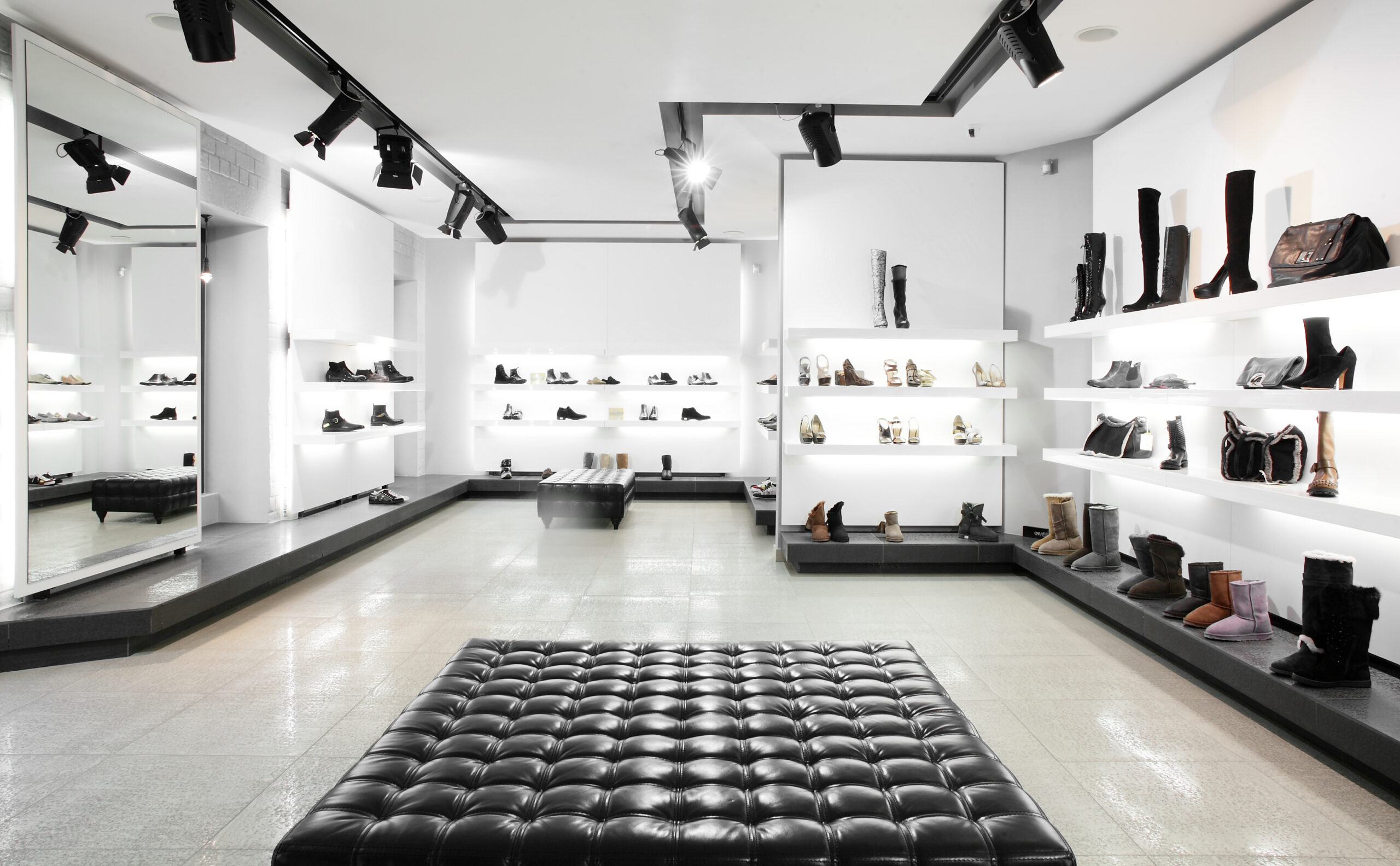
How Lighting Shapes Commercial, Educational, Healthcare, Hospitality, Industrial, Residential and Retail Spaces. Lighting is more than simple illumination — it directly impacts productivity, safety, mood, and wellbeing across every sector. The requirements for lighting in commercial offices, schools, hospitals, hotels, industrial facilities, homes, and retail stores are all very different, shaped by how people use …
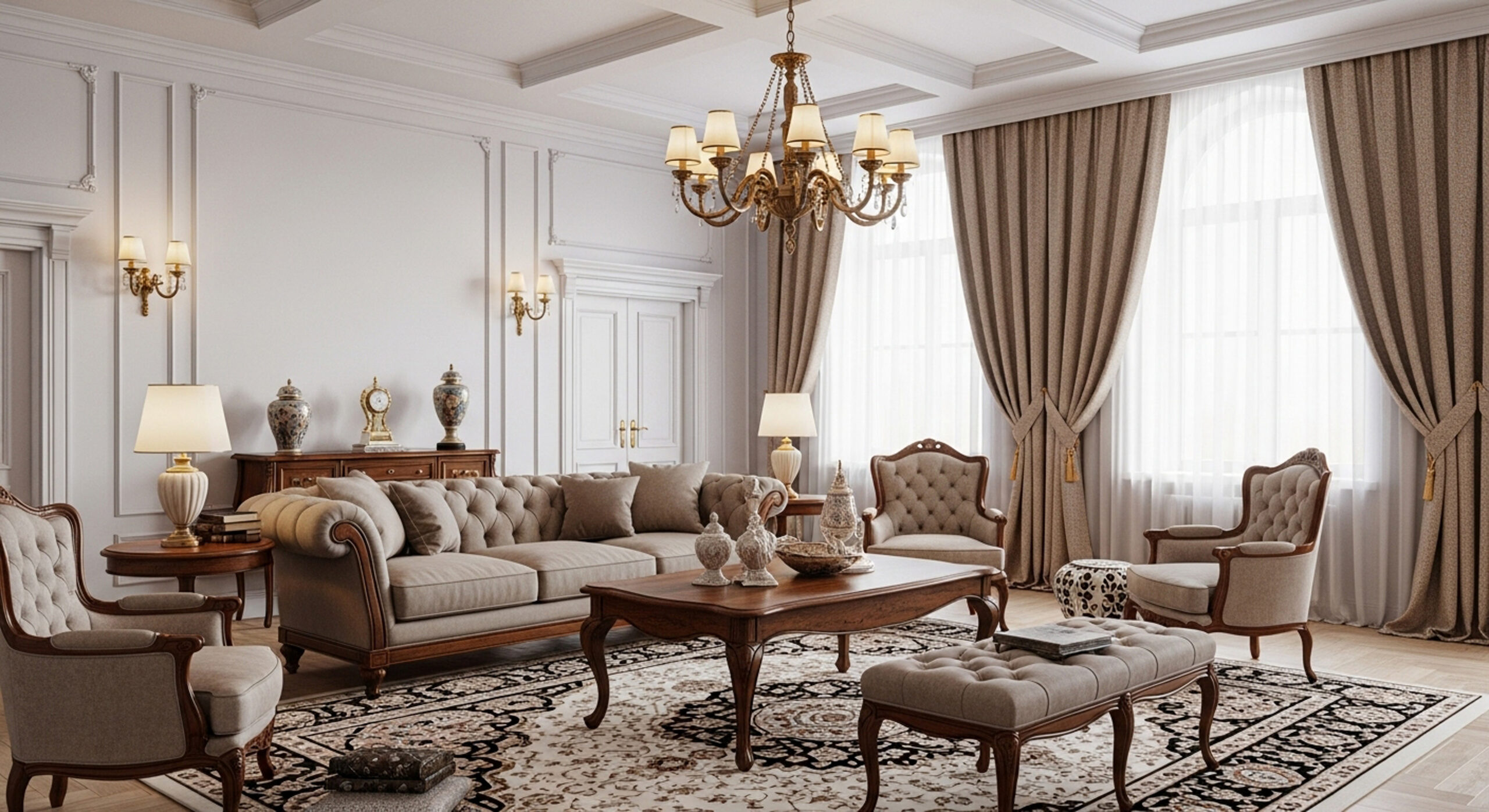
The Heritage and Appeal of Traditional Design. Traditional interior design draws inspiration from 18th and 19th-century European decor, celebrating symmetry, refinement, and classic detail. Rooted in history, this style reflects elegance and formality, yet it remains versatile enough to adapt to modern living. With its timeless sense of balance and harmony, traditional interiors create a …