
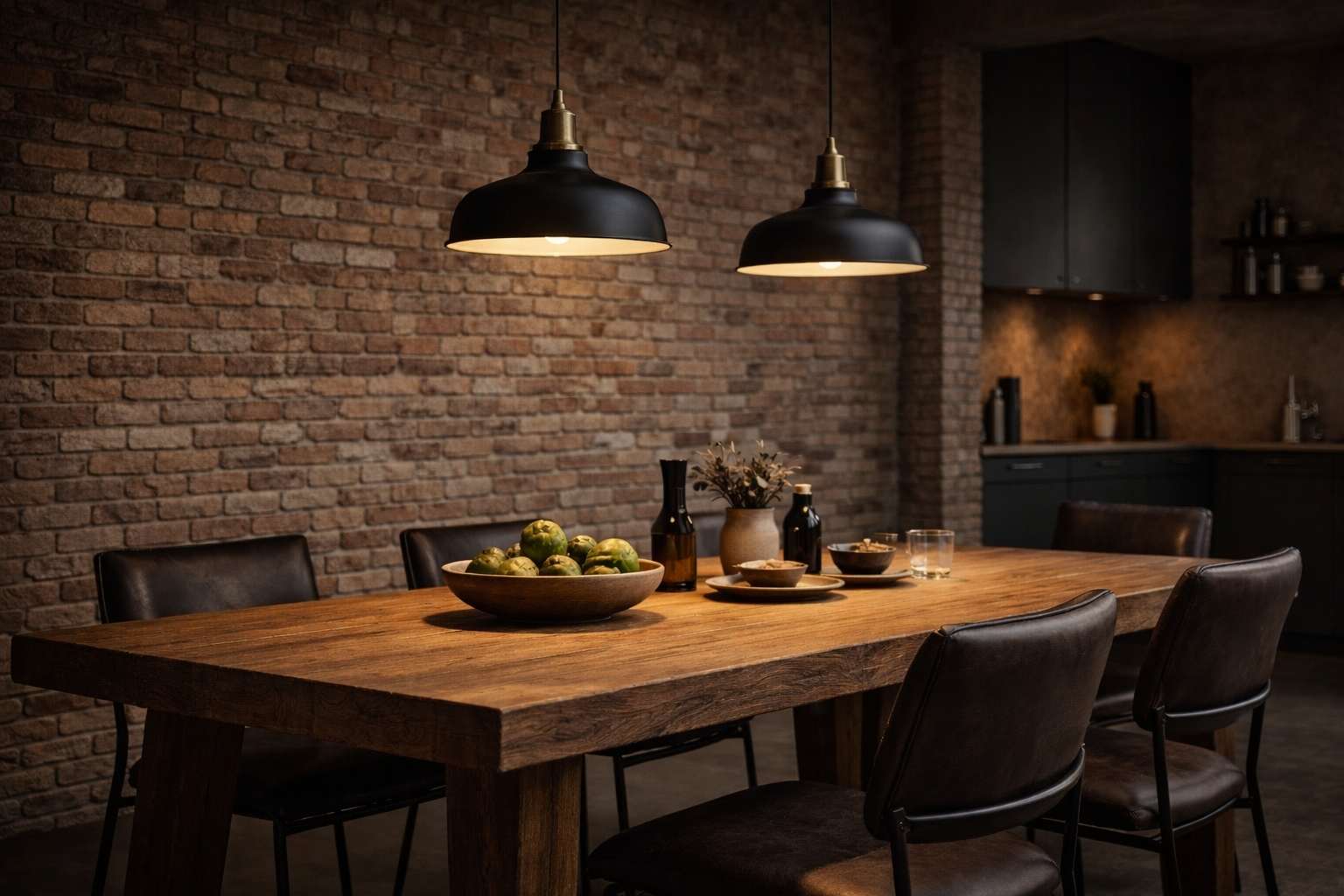
Why Dining Table Lighting Matters Dining table lighting defines how a space is used and experienced. Positioned directly above the table, it creates a focused area for eating, conversation, and everyday use. The right lighting not only improves visibility but also shapes the atmosphere of the room. Unlike general room lighting, dining lighting is localised. …
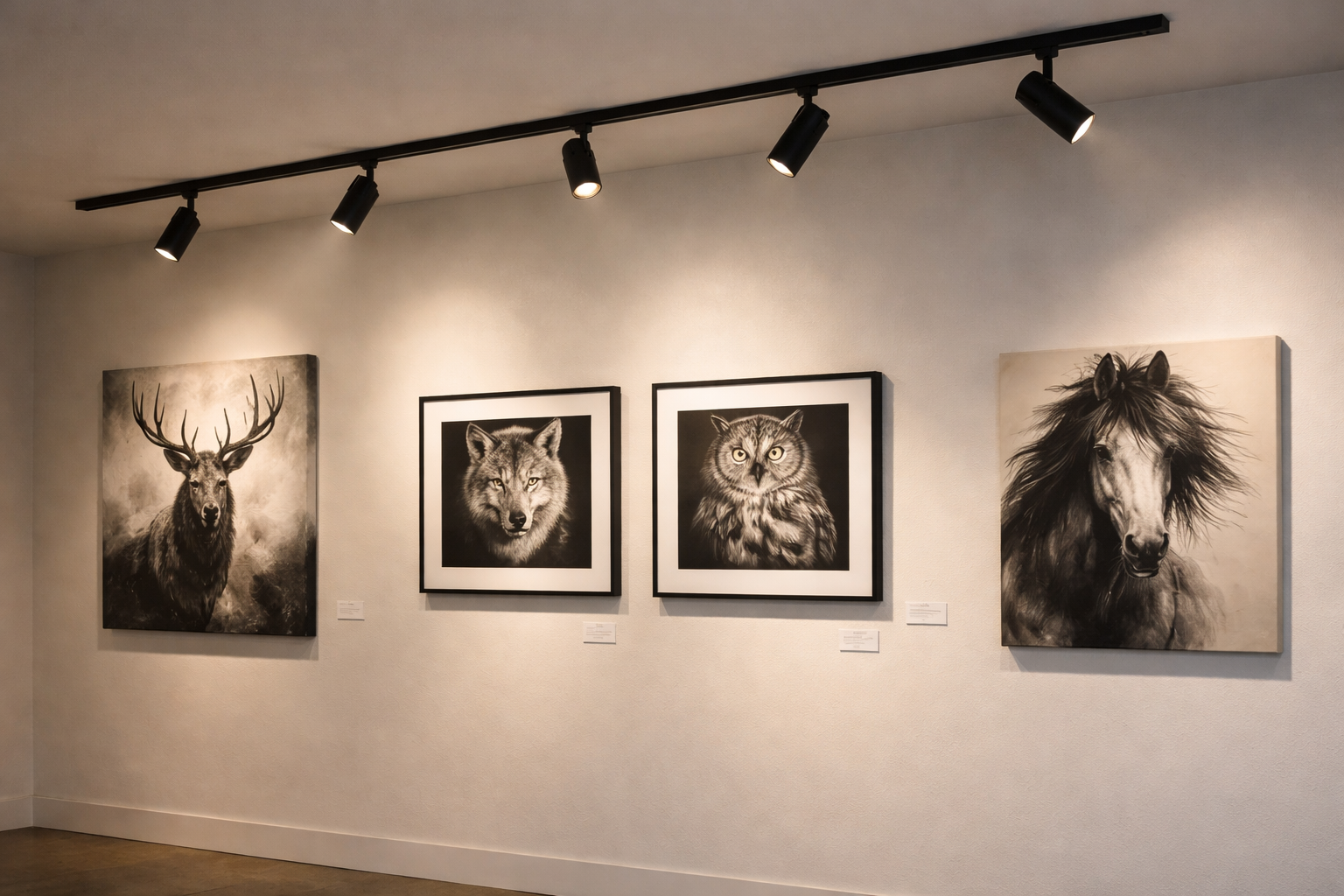
Why Track and Rail Lighting Works in Flexible Spaces Track and rail lighting provides a flexible way to illuminate interior spaces where lighting needs may change over time. By allowing multiple light fittings to be positioned along a single track or rail, this system makes it easy to adjust both light direction and coverage without …
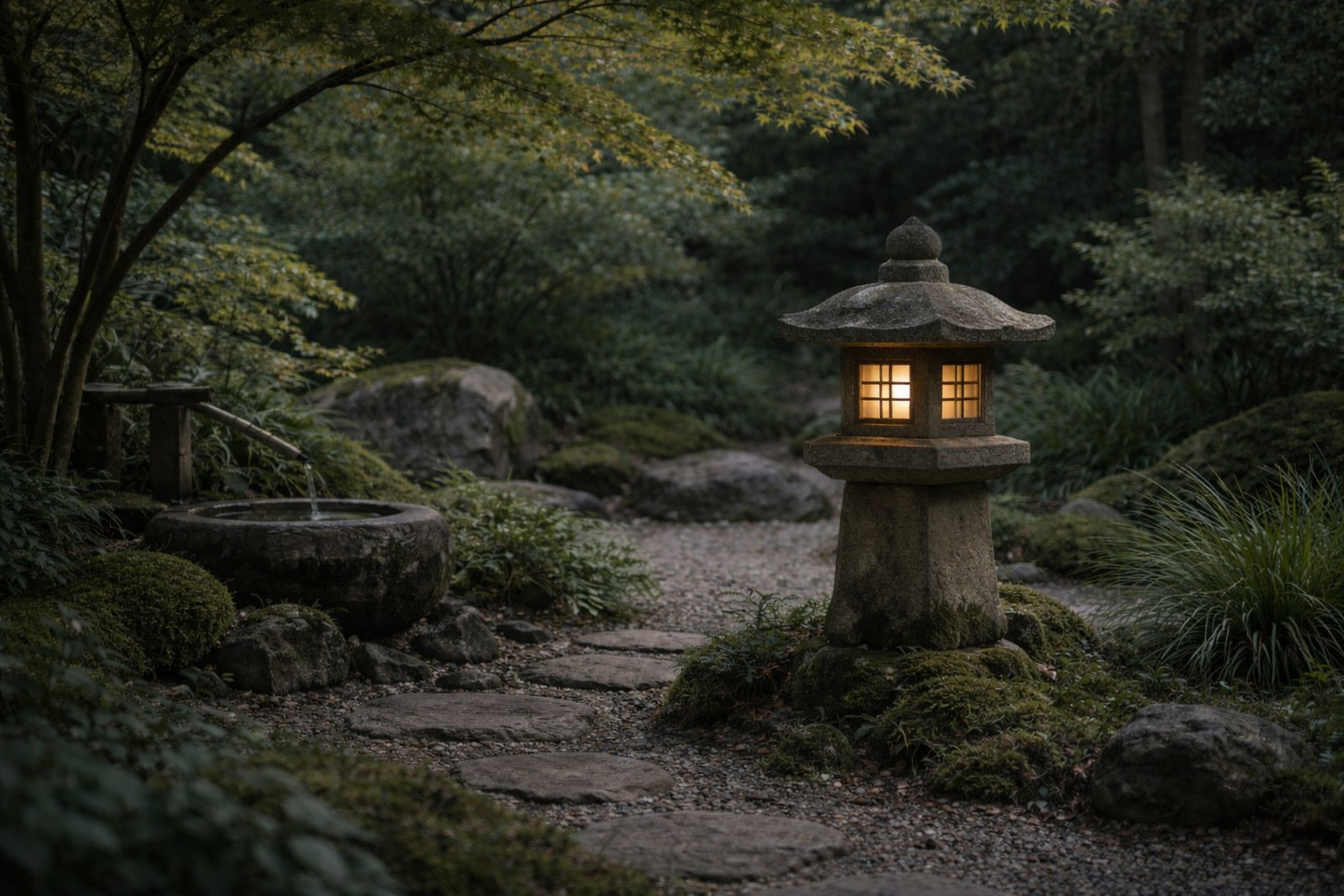
Light and Balance in Japanese Gardens Japanese stone lanterns, known as tōrō, are a traditional feature of temple grounds and gardens, where light is used with restraint and purpose. Rather than illuminating a space fully, these lanterns create a soft, guiding glow that enhances calm, balance, and reflection. Often found along pathways, near water, or …
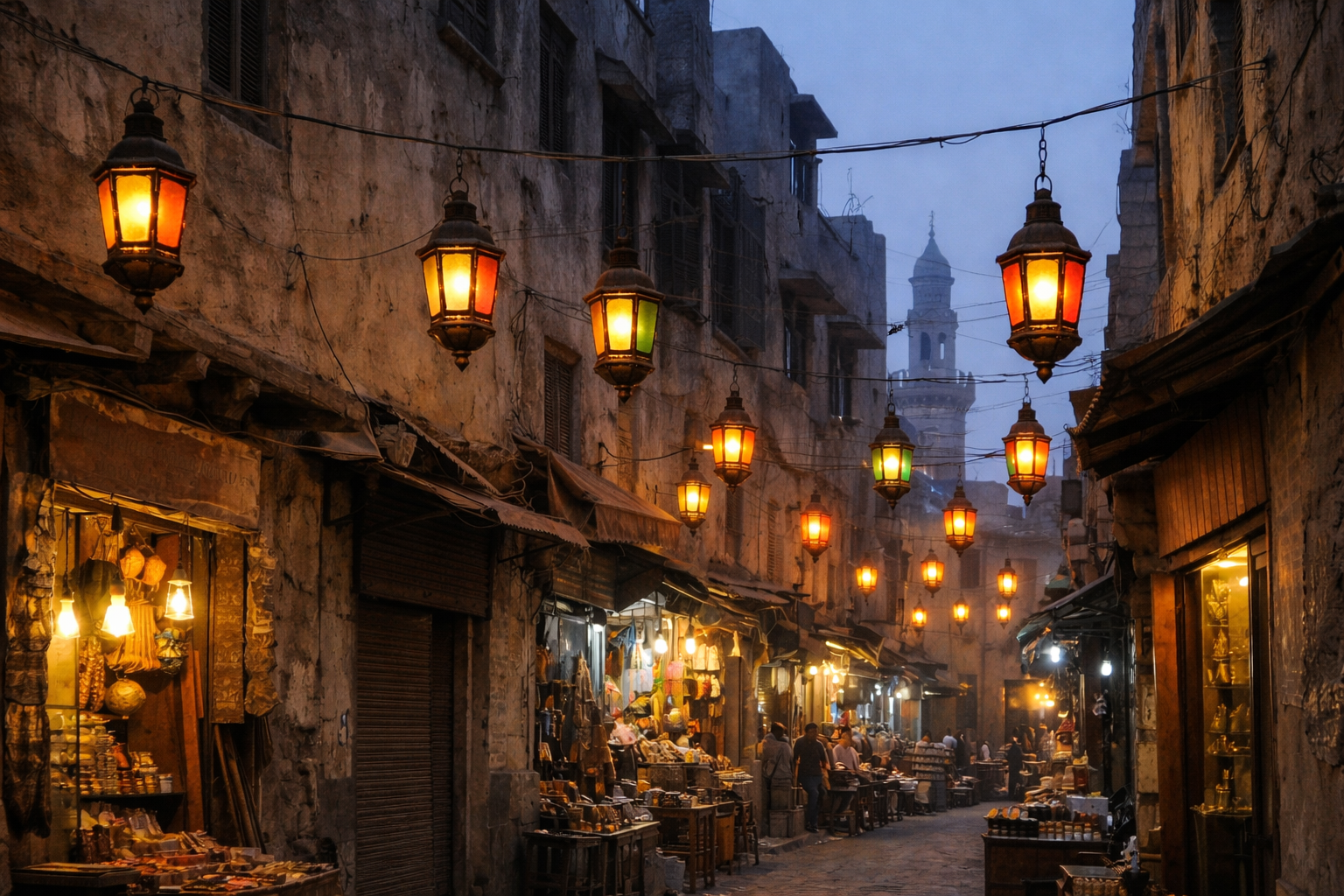
Light and Celebration During Ramadan Throughout the month of Ramadan, streets, homes, and shops across Egypt glow with colourful lanterns known as fanous. These decorative lights are one of the most recognisable symbols of the holy month, bringing warmth and festivity to evenings marked by reflection, prayer, and community. As daylight fades and families gather …
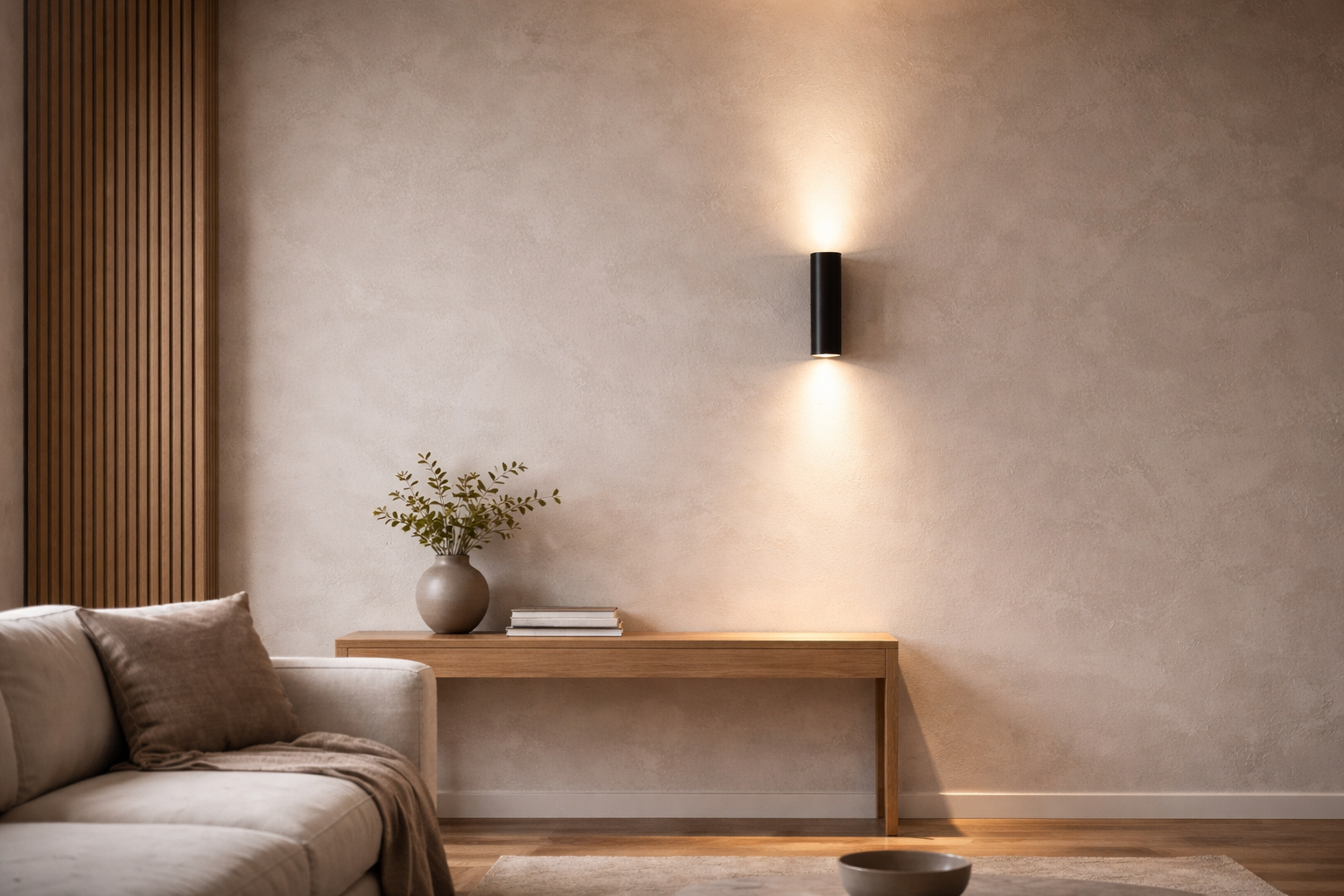
How Wall Lights Shape Space and Atmosphere Wall lights offer a refined way to shape how a space feels by introducing vertical illumination. Unlike ceiling fixtures that light from above, wall-mounted lighting spreads light across surfaces, softening shadows and improving visual balance. Used effectively, wall lights can enhance atmosphere, highlight architectural features, and support a …
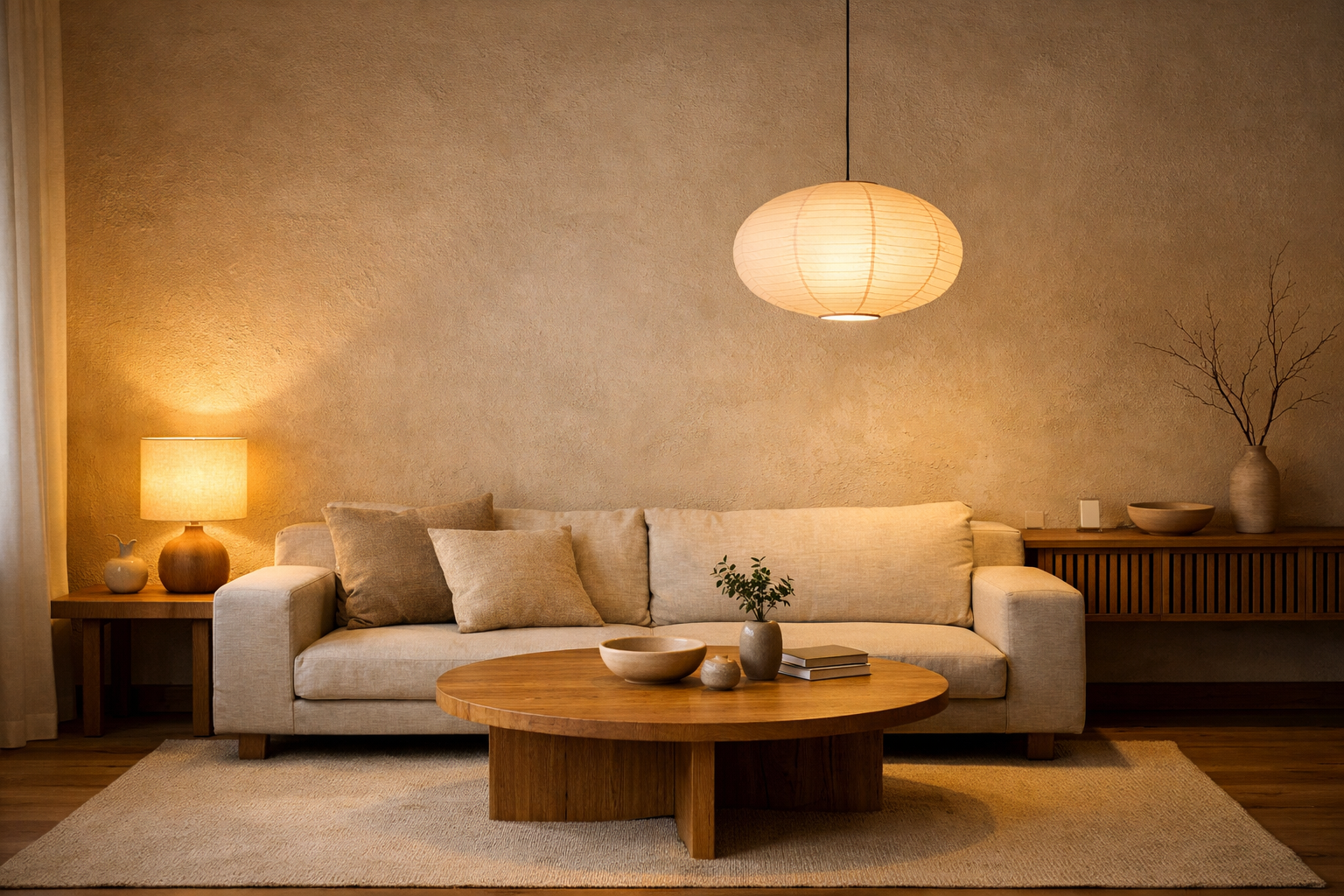
Lighting does more than illuminate a space. It shapes how colours appear, how materials feel, and how comfortable a room becomes throughout the day. Among the many factors that influence lighting design, colour temperature plays one of the most important roles. Measured in Kelvin (K), colour temperature determines whether light appears warm and soft or …

Understanding Cool White and Daylight Lighting When selecting lighting for workspaces, kitchens, garages, and commercial environments, two common colour temperatures often appear: 4000K and 5000K. Both fall into the cooler end of the lighting spectrum and are designed to provide clear, bright illumination. Although the numerical difference seems small, these colour temperatures create noticeably different …
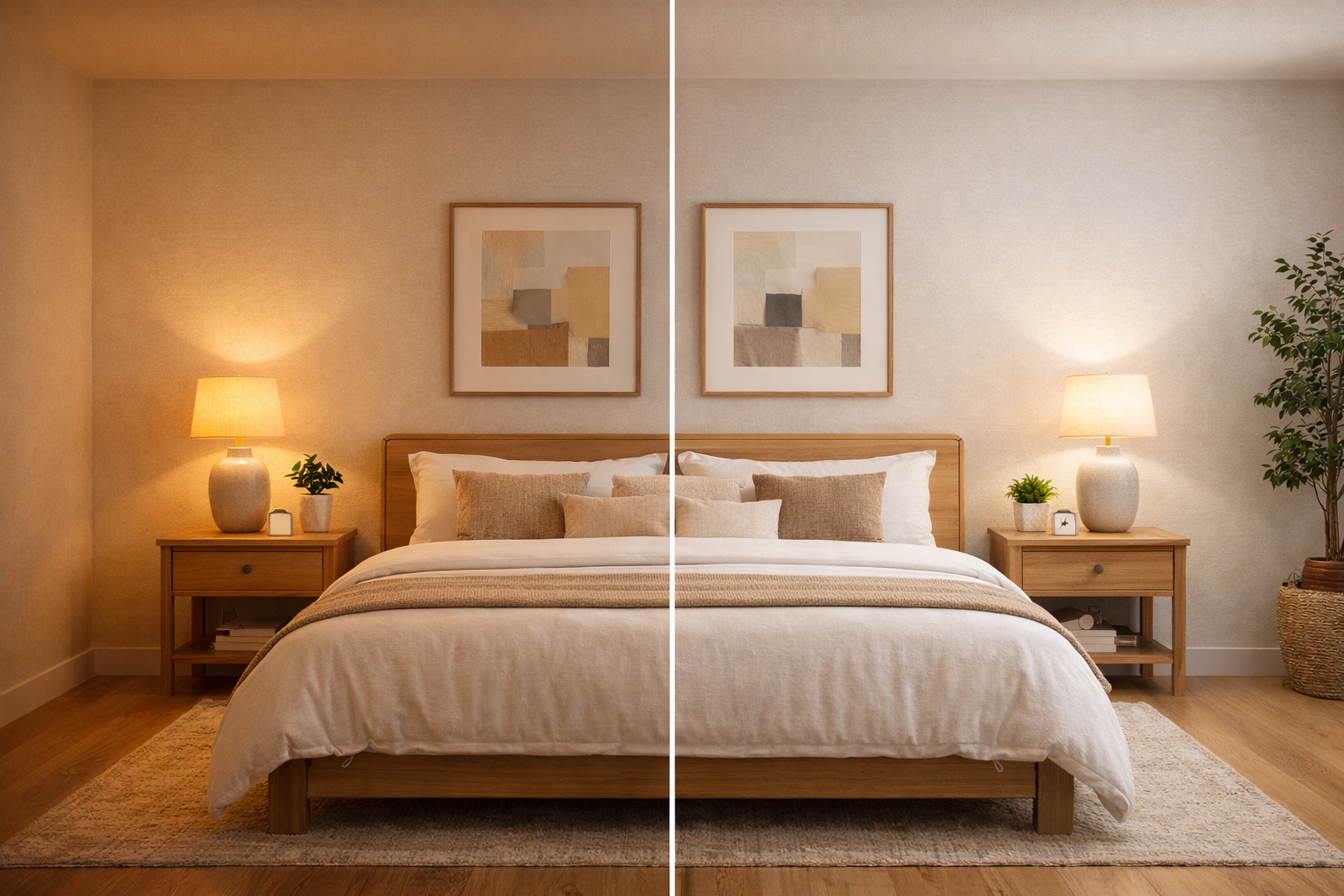
2700K and 3000K are the two most common warm white lighting temperatures used in homes. While both create a comfortable and inviting atmosphere, the subtle difference between them can noticeably affect how a room feels, how colours appear, and how bright the space looks. Understanding when to choose 2700K or 3000K lighting helps ensure the …
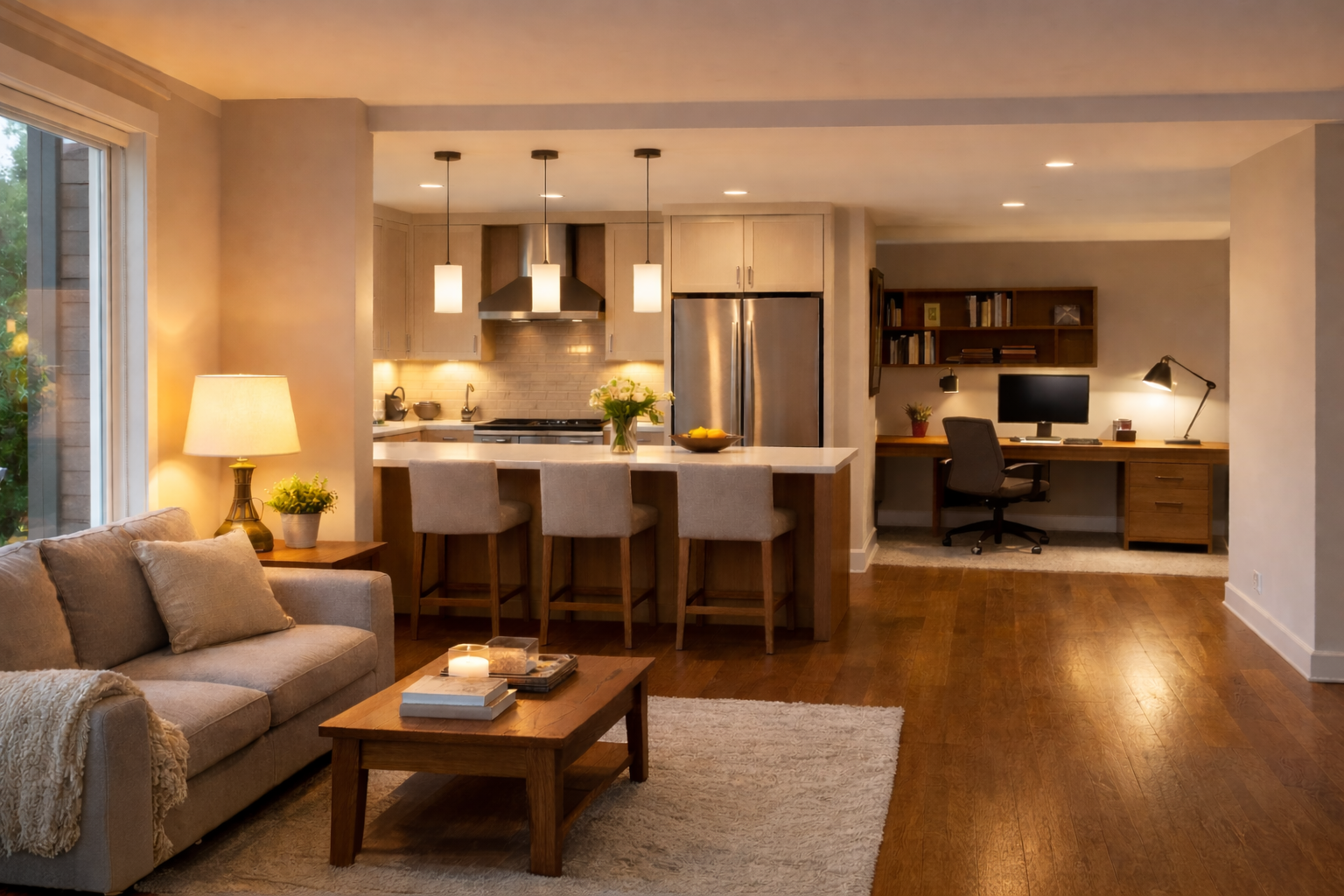
Best Colour Temperature for Each Room Lighting colour temperature plays a major role in how a space feels and functions. The tone of light can influence mood, visibility, and even how colours and materials appear in a room. Choosing the right colour temperature ensures lighting supports the purpose of each space rather than working against …