
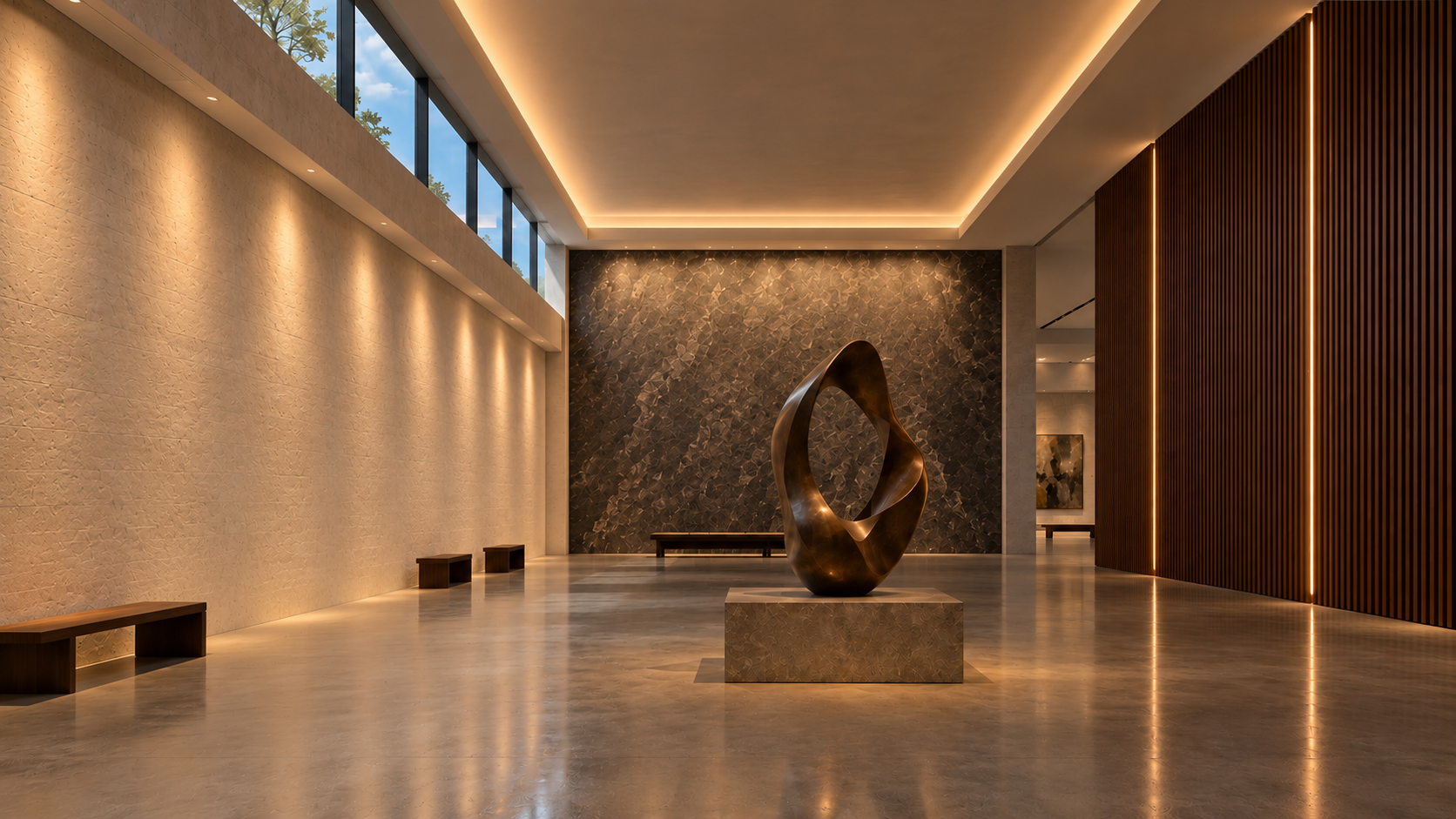
Lighting shapes interior space by influencing how we perceive width, height, depth and proportion. Rather than simply making an interior brighter, thoughtfully planned lighting changes the way architecture is experienced. By controlling brightness, contrast and shadow, lighting designers can make spaces feel larger, taller and more inviting without altering the physical structure. Whether in a …
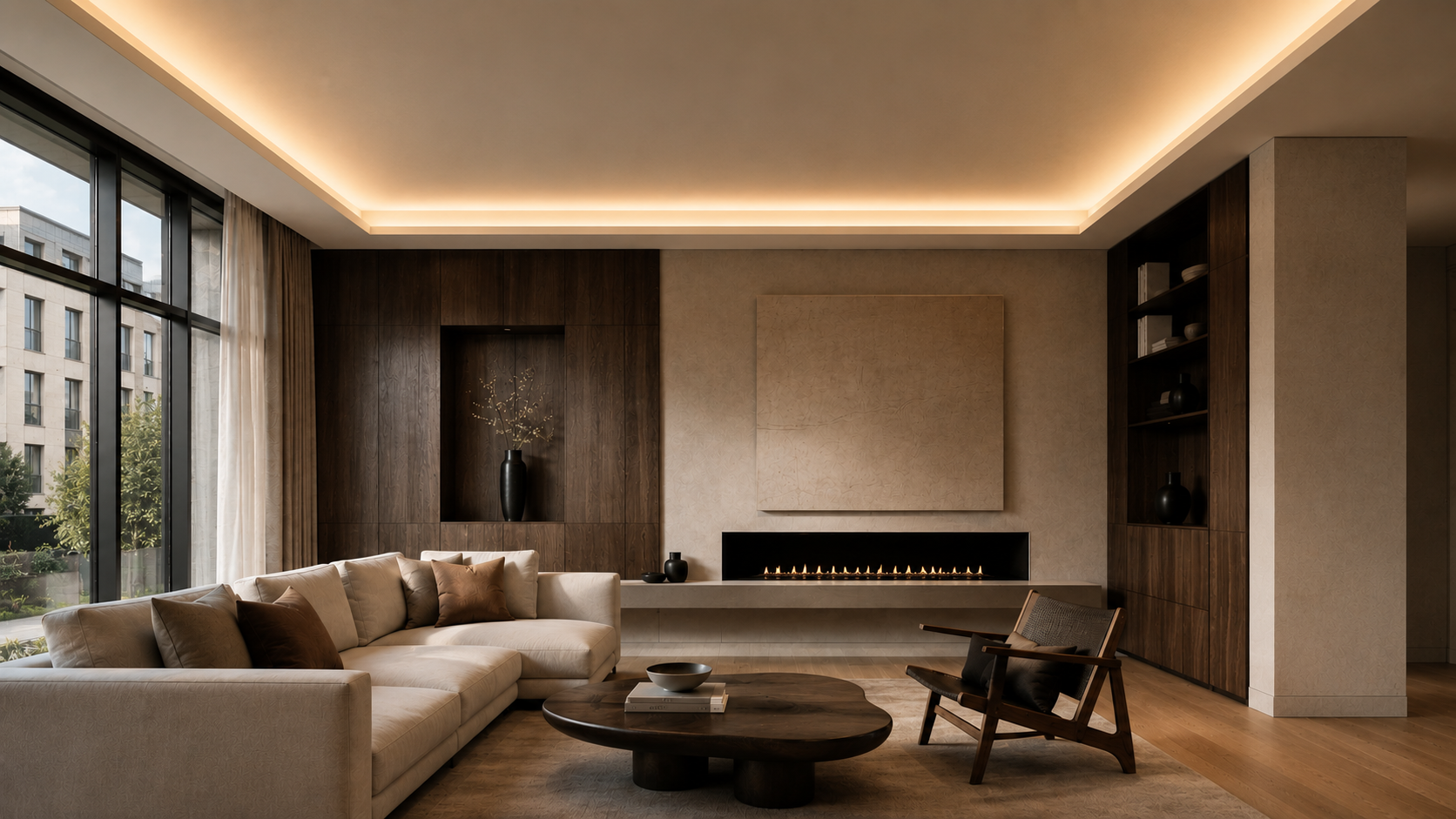
Ceiling cove lighting creates soft, indirect illumination by concealing the light source within a recessed ceiling detail. Instead of shining directly into the room, light is reflected from the ceiling to produce comfortable ambient lighting that enhances architecture while reducing glare. Modern cove lighting is typically created using LED strip lighting installed within dedicated LED …
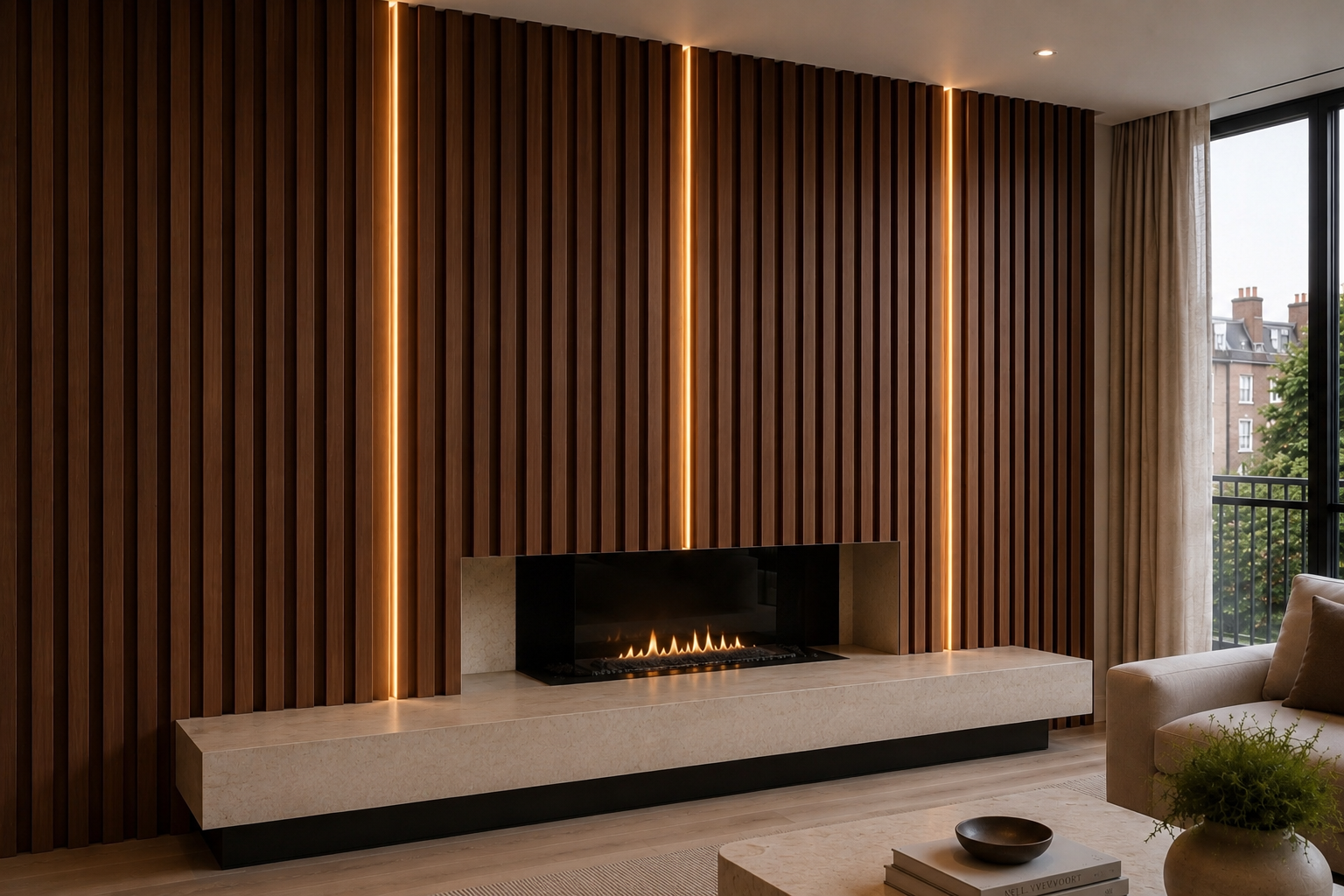
Feature wall lighting transforms ordinary surfaces into architectural focal points. Rather than relying on decoration alone, thoughtful lighting reveals texture, enhances natural materials and creates depth that changes throughout the day and evening. Whether illuminating timber panelling, natural stone, textured plaster or exposed brick, the right lighting technique allows a feature wall to become an …
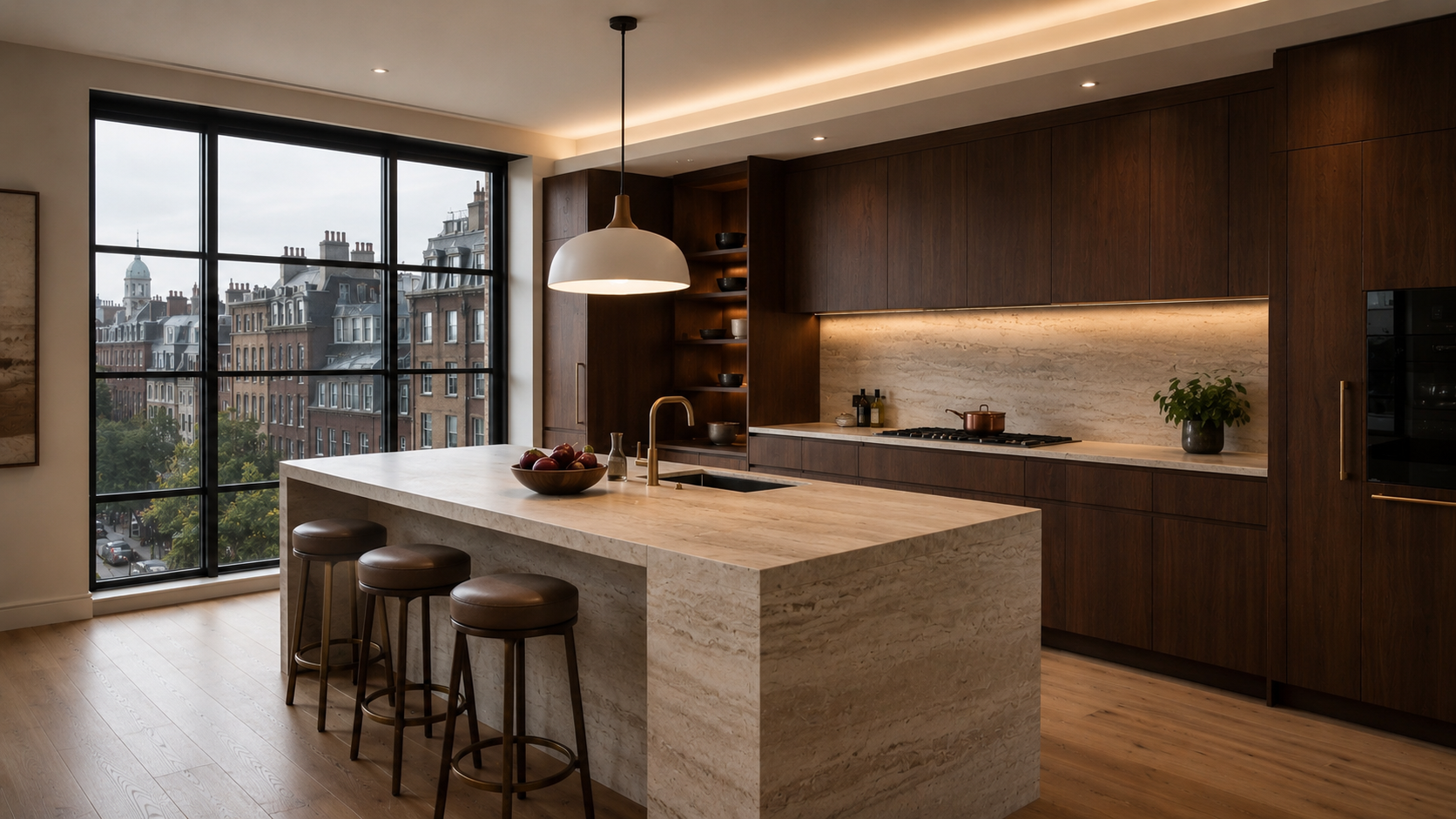
Lighting design principles form the foundation of every successful interior. While decorative light fittings contribute to a room’s character, thoughtful planning, careful placement and the correct balance of light are what truly create comfortable, functional and beautiful spaces. Whether you’re renovating a single room, building a new home or simply upgrading your lighting, understanding the …
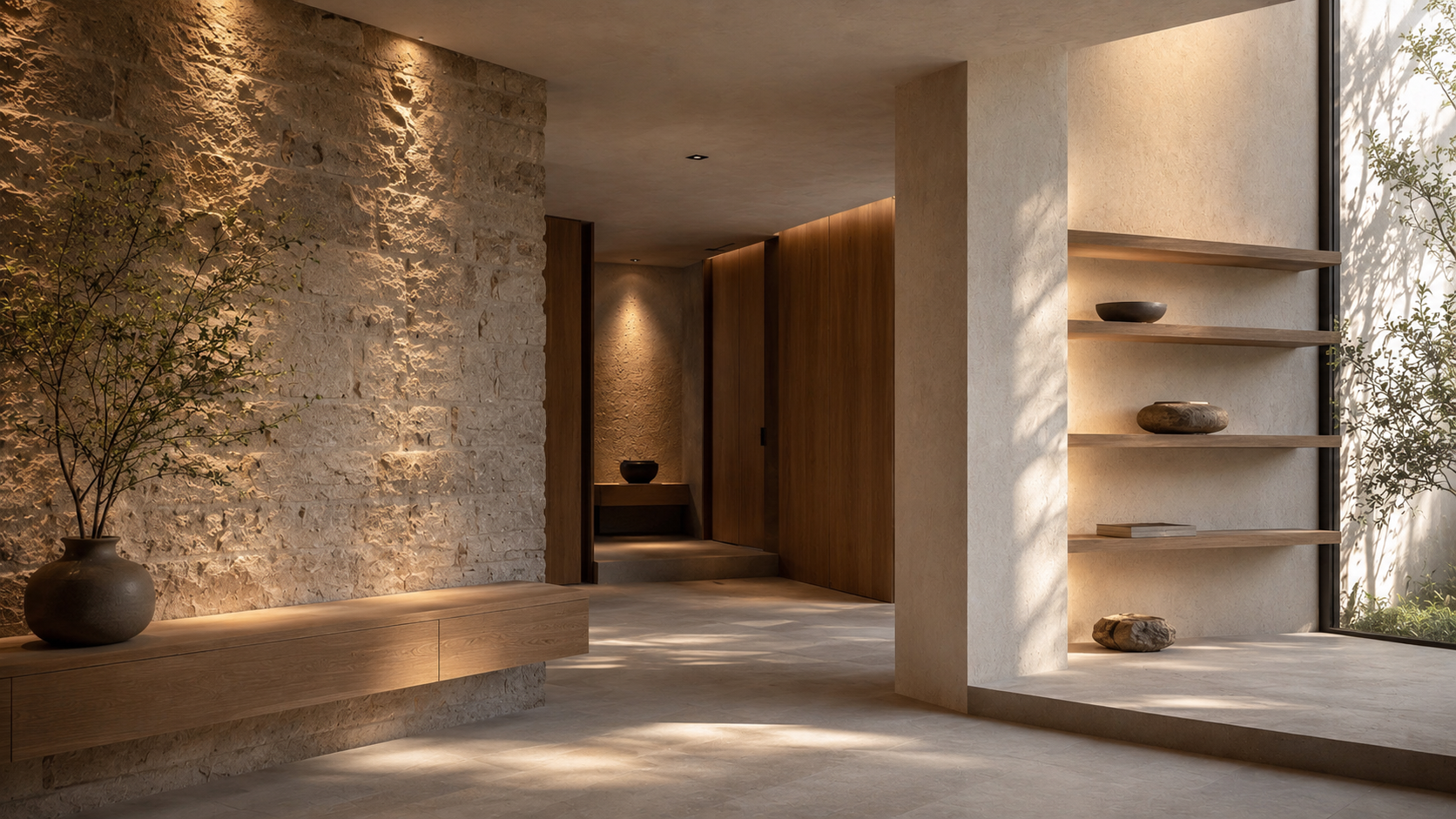
Why Well-Placed Shadows Transform Interior Design. Many people assume that good lighting means making every corner of a room as bright as possible. Professional interior designers take a different approach. Rather than eliminating every shadow, they use light and shade together to create spaces that feel balanced, comfortable and visually engaging. Carefully controlled shadows reveal …
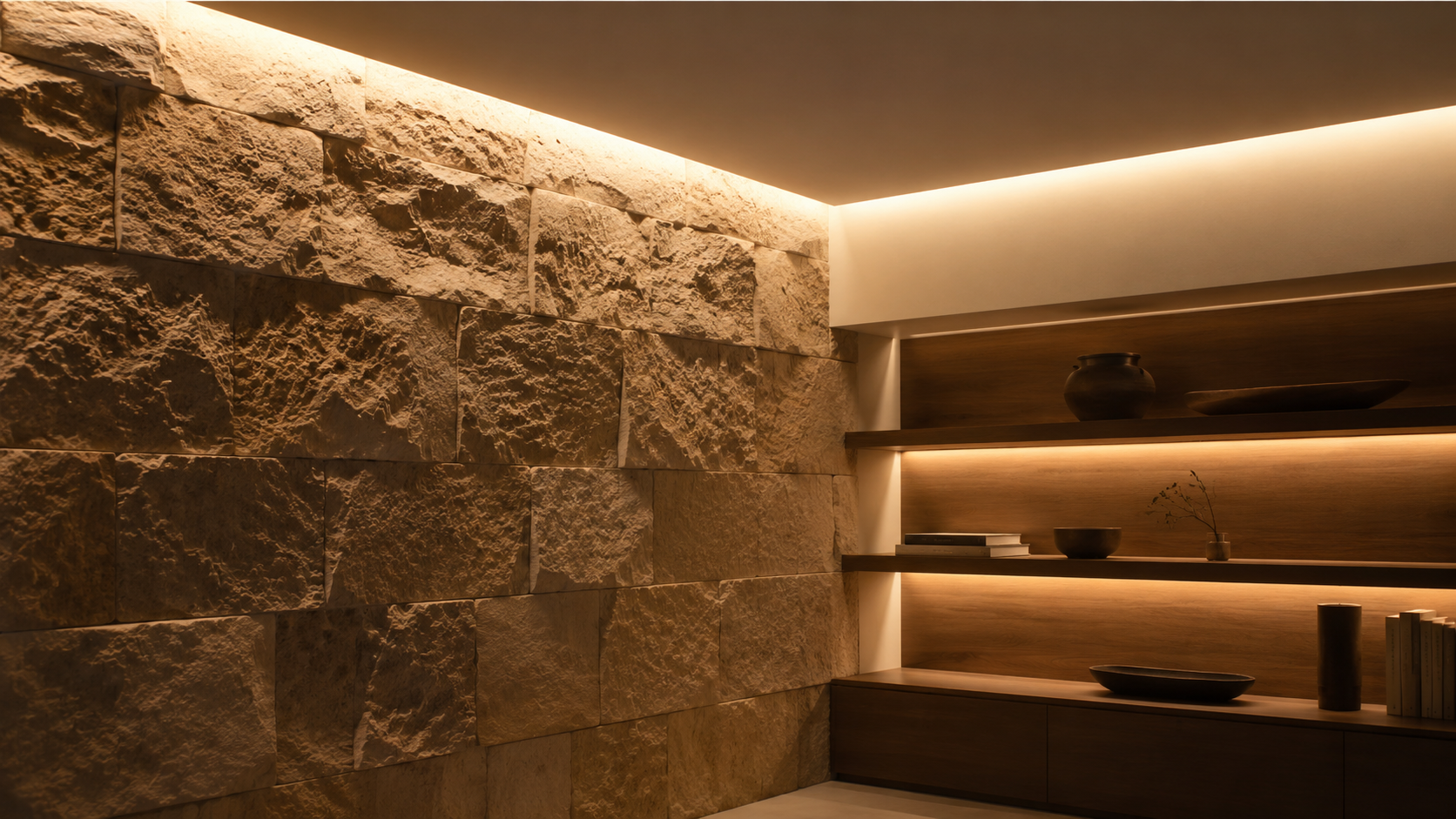
The Role of Shadows in Lighting Design. Many people think good lighting should remove every shadow from a room. In reality, the opposite is true. Professional lighting designers use carefully controlled shadows to add depth, reveal texture and create comfortable, visually interesting interiors. A room with no shadows often feels flat, while a room with …
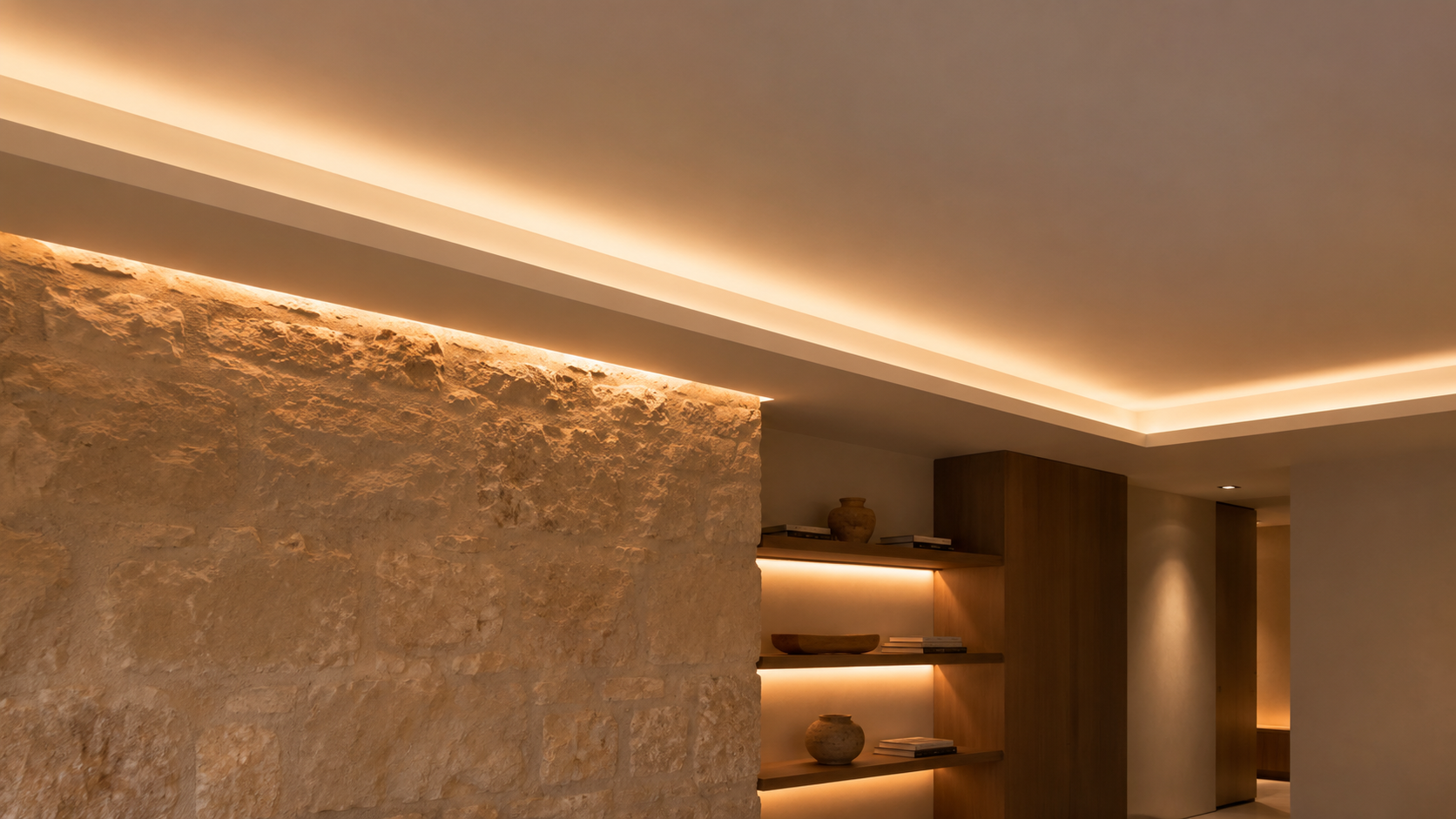
Why Indirect Lighting Matters. Indirect lighting is one of the most effective ways to create comfortable, visually balanced interiors. Instead of shining light directly into a room, indirect lighting reflects illumination from ceilings, walls or other surfaces, producing a softer and more even distribution of light. This approach reduces harsh shadows, minimises glare and helps …
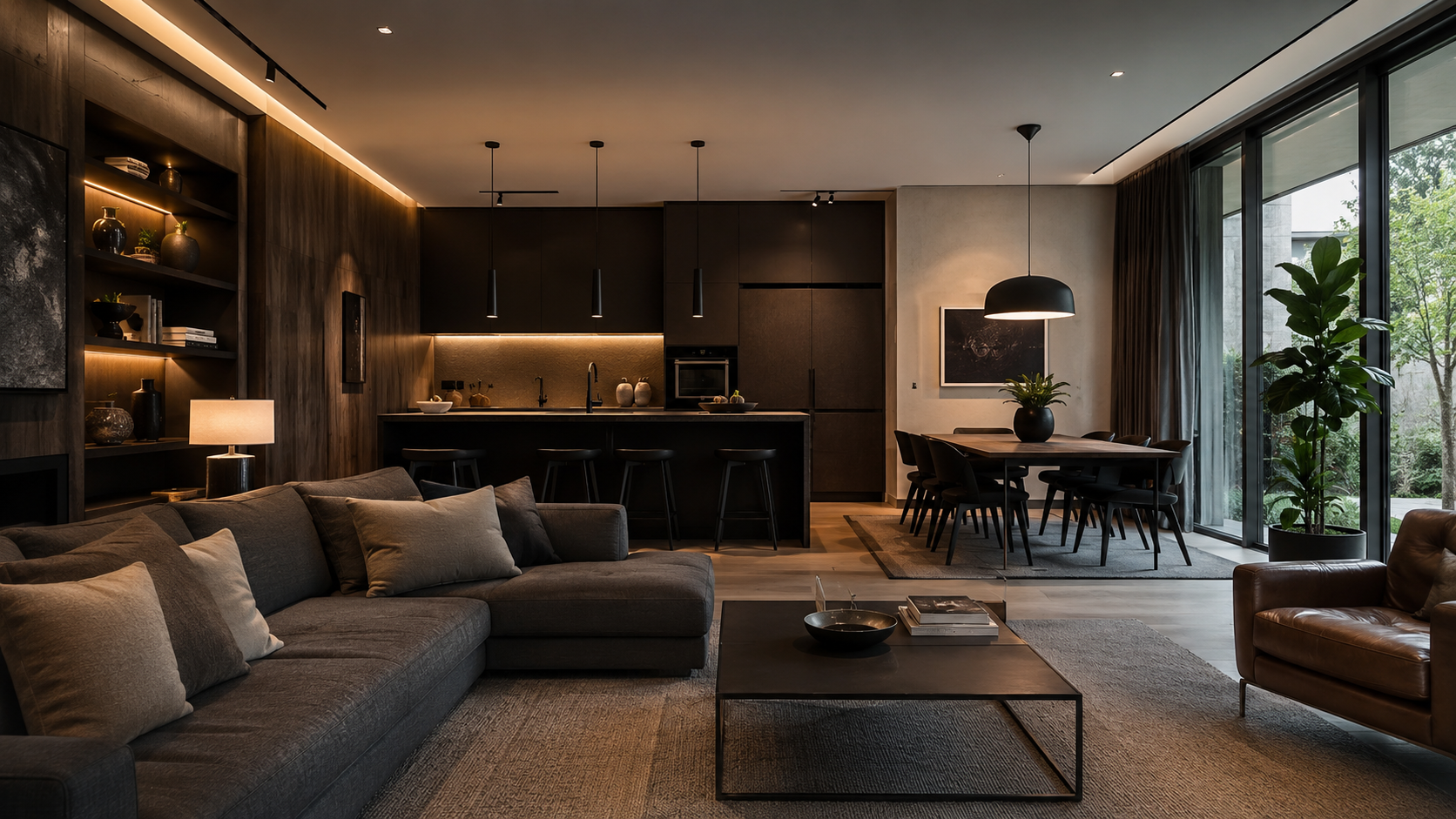
Why Home Lighting Matters. Lighting is one of the most important elements of interior design. The right lighting improves comfort, supports everyday activities, enhances architectural features and helps create the atmosphere you want in every room. Whether you are designing a new home, renovating a single room or simply replacing light fittings, understanding how different …
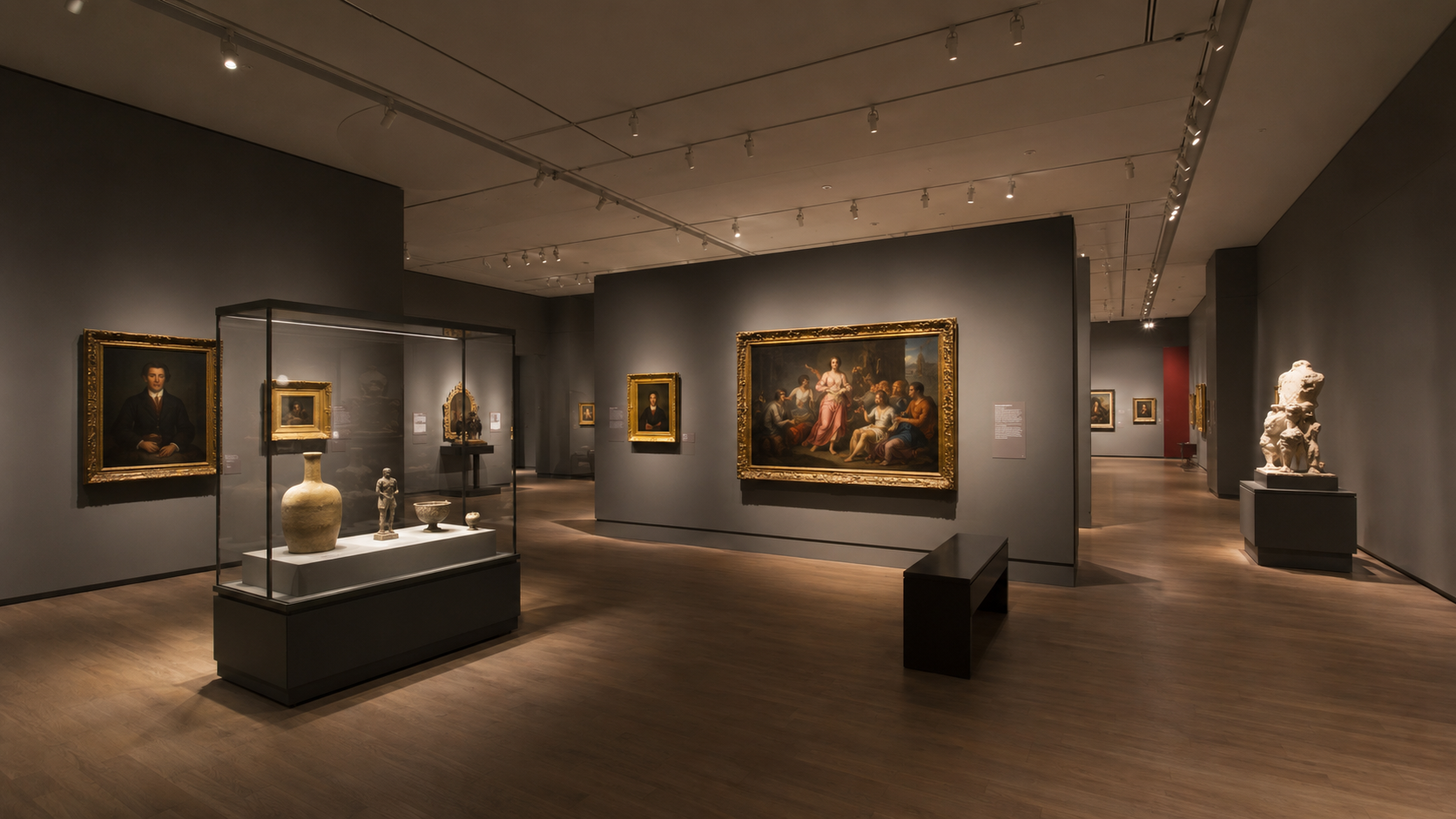
Why Museum Lighting Matters. Museum lighting plays a unique role in balancing two important objectives. It must help visitors engage with exhibits, artwork and historical objects while also protecting sensitive collections from unnecessary light exposure. Effective museum lighting combines conservation, visual comfort and presentation to create environments that support both preservation and visitor experience. Whether …