
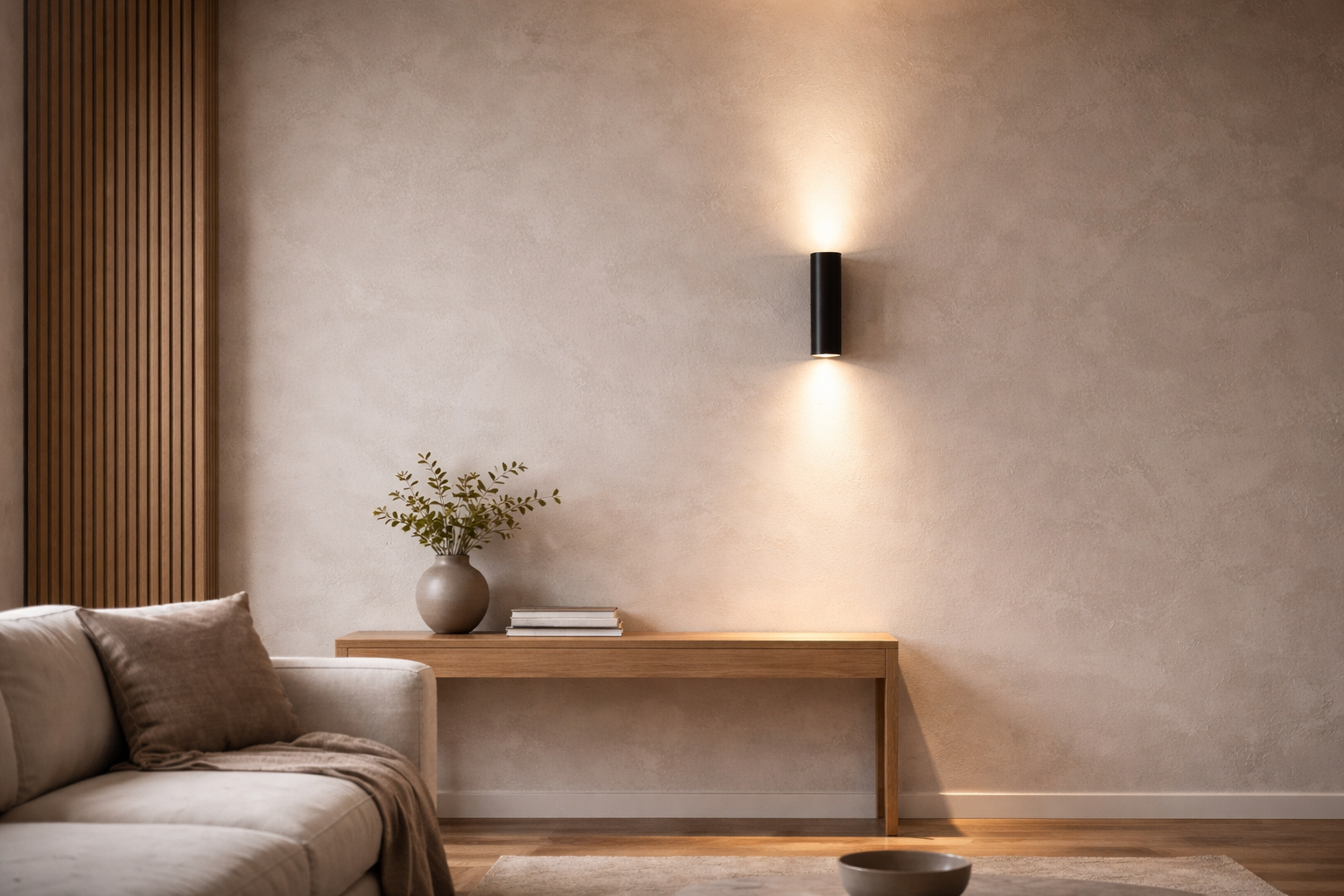
How Wall Lights Shape Space and Atmosphere Wall lights offer a refined way to shape how a space feels by introducing vertical illumination. Unlike ceiling fixtures that light from above, wall-mounted lighting spreads light across surfaces, softening shadows and improving visual balance. Used effectively, wall lights can enhance atmosphere, highlight architectural features, and support a …
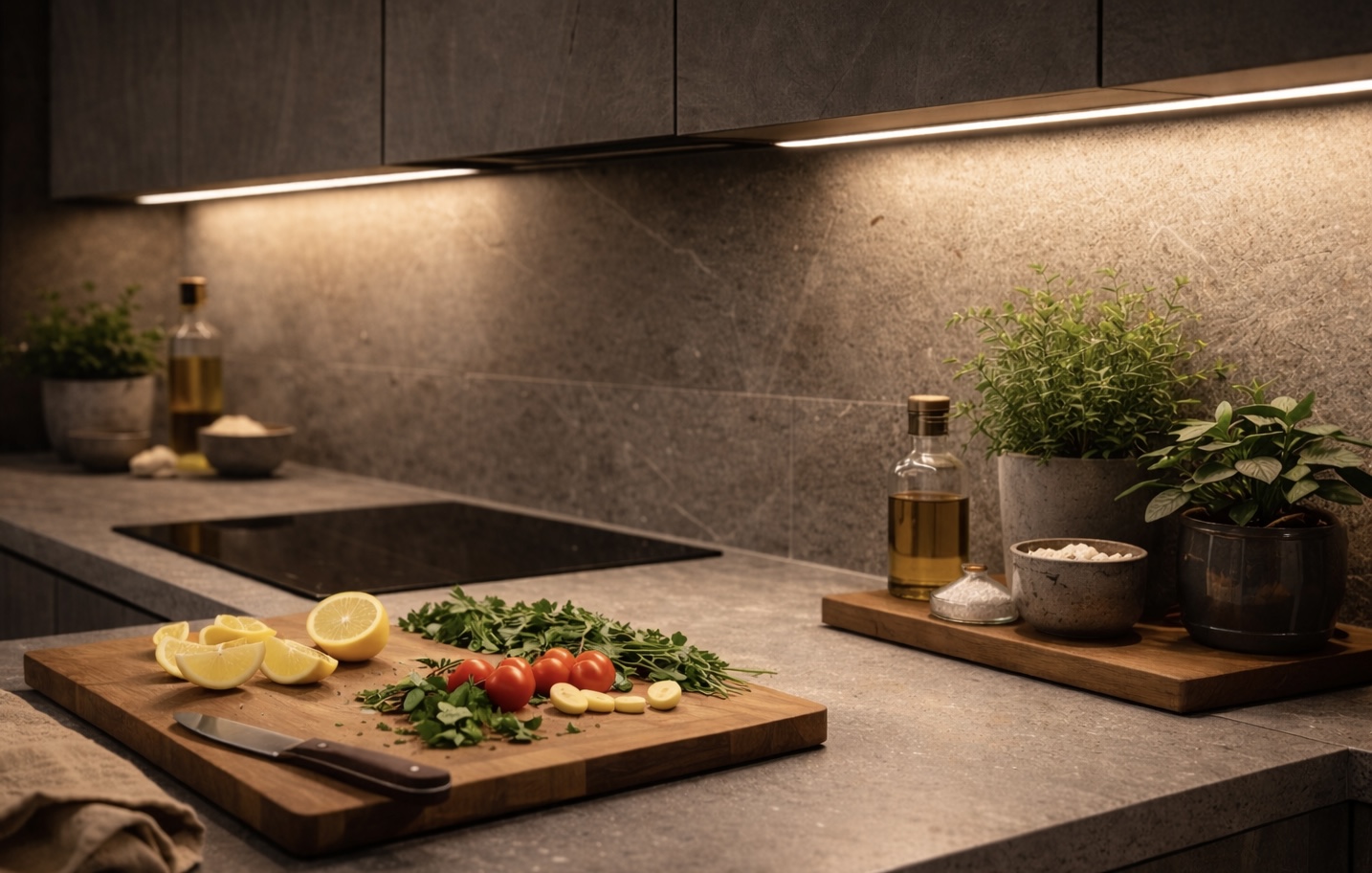
Focused Task Lighting Without Harsh Shadows Under-cabinet lighting is one of the simplest ways to improve visibility in kitchens and workspaces without introducing harsh overhead glare. By placing light exactly where it is needed, it enhances both functionality and atmosphere while maintaining a clean, uncluttered look. Whether used for food preparation or everyday tasks, this …
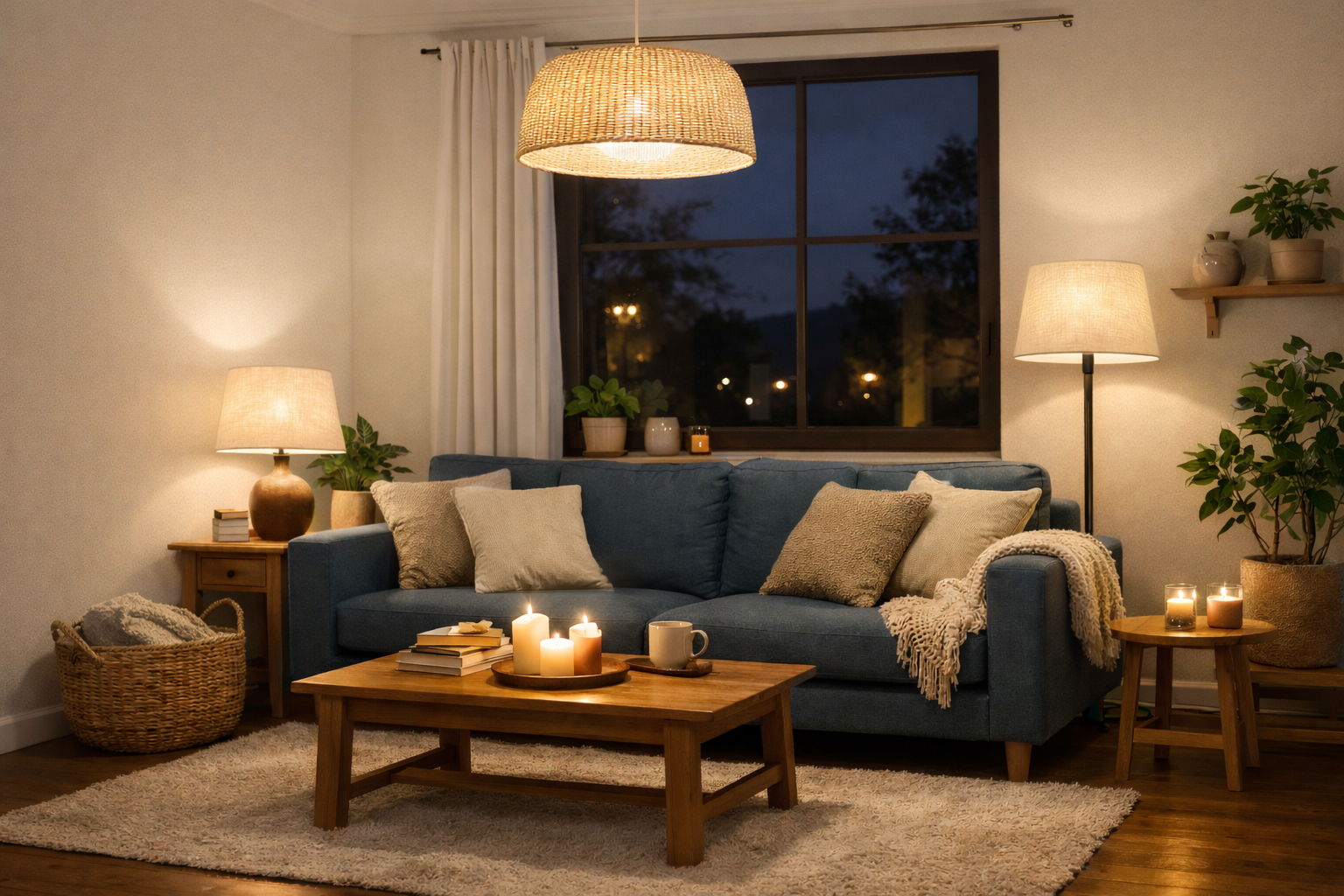
Why Warm Lighting Works Best in Living Rooms Living rooms are designed for relaxation, conversation, and spending time with family or friends. Because these spaces are typically used in the evening, lighting plays an important role in shaping the atmosphere. Warm white lighting helps create a comfortable environment that feels inviting and visually balanced. Unlike …
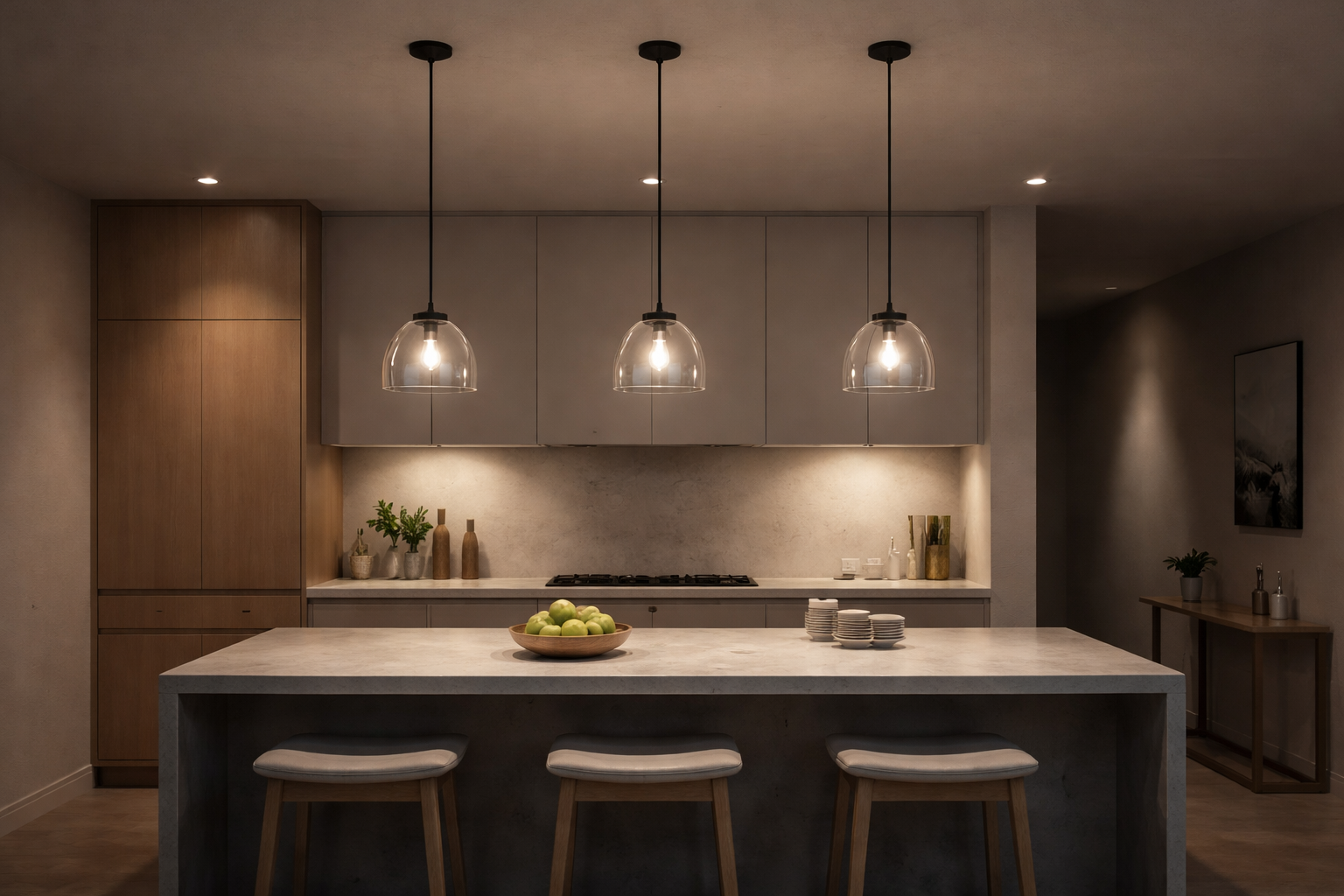
Why Some Rooms Always Feel Dark Some rooms feel permanently dim no matter how many lights are installed. This usually happens when lighting is poorly positioned rather than insufficient. Dark rooms often suffer from shadows, uneven light distribution, or fixtures that concentrate illumination in the wrong place. Pendant lighting can dramatically improve these spaces when …
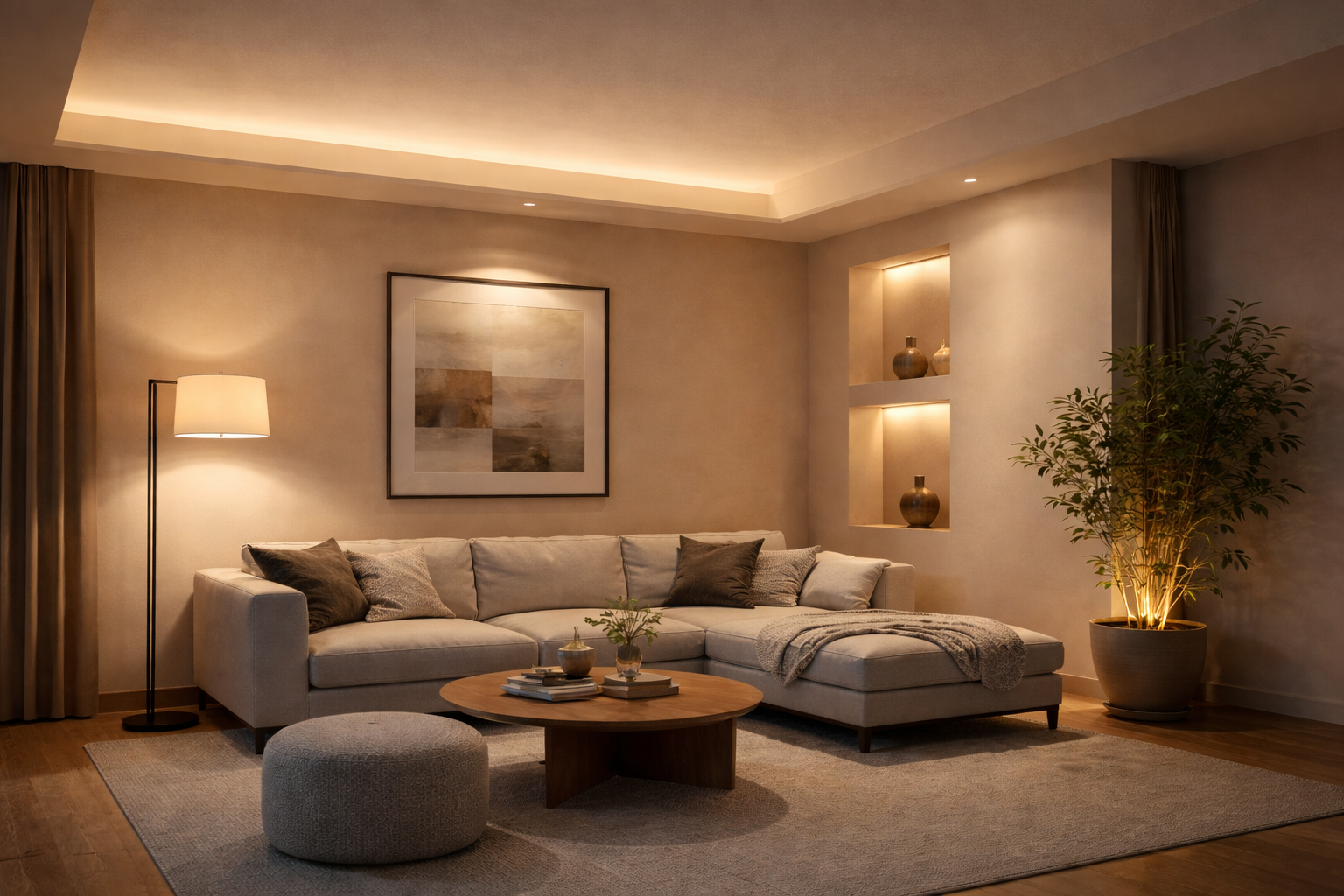
Why Some Rooms Feel Instantly Comfortable Layered lighting is one of the most important principles in interior design. By combining ambient lighting, task lighting, and accent lighting, you create rooms that feel balanced, adaptable, and visually comfortable. Without layering, even well-designed spaces can feel harsh, flat, or visually tiring. Some rooms feel calm and effortless …
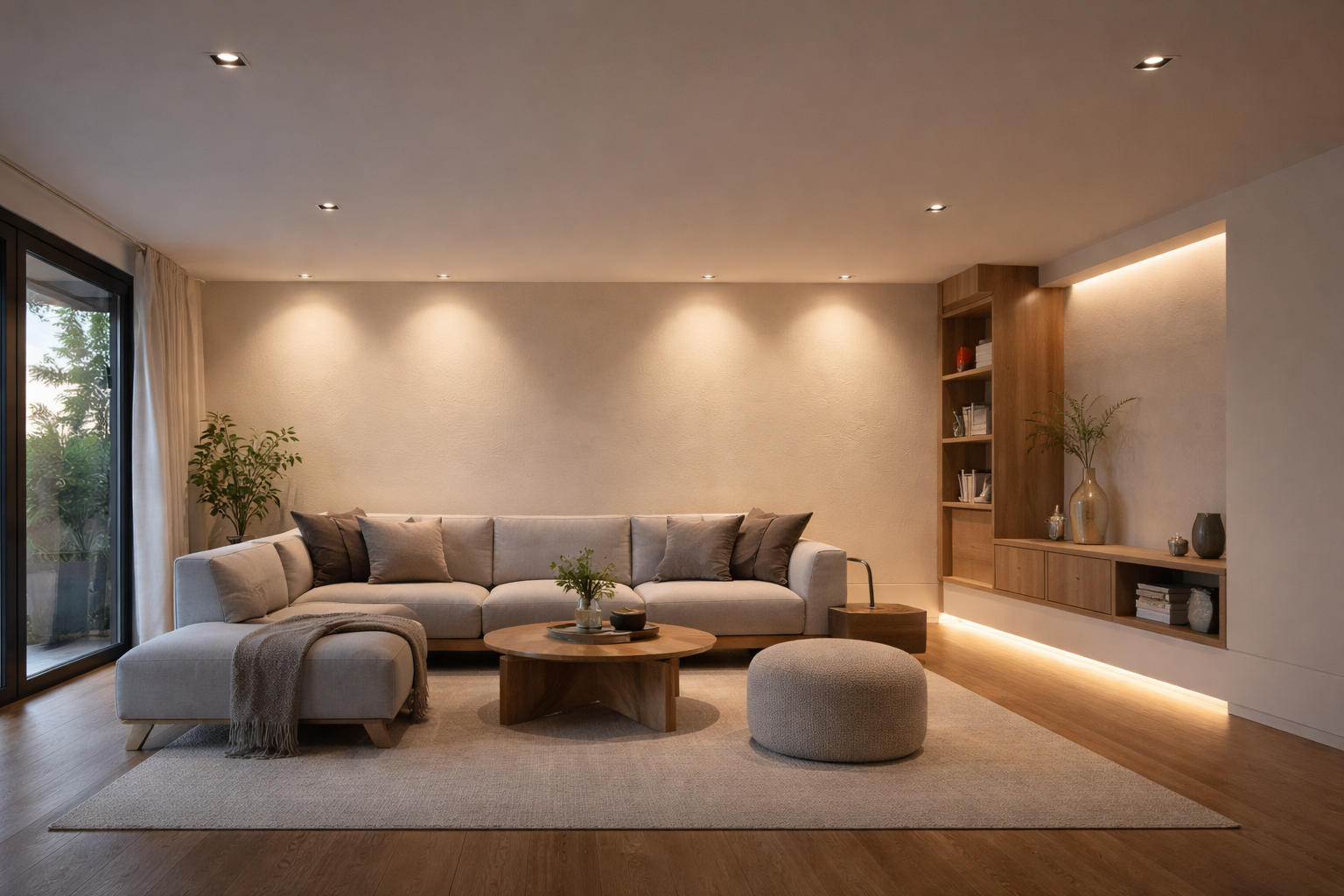
Why Glare Ruins Good Lighting Glare is one of the most common — and most overlooked — lighting problems in modern interiors. Even well-designed spaces can feel uncomfortable if light sources are exposed, poorly positioned, or overly intense. Designing lighting without glare requires more than diffusers and dimmers. It involves controlling angles, concealment, reflection, and …
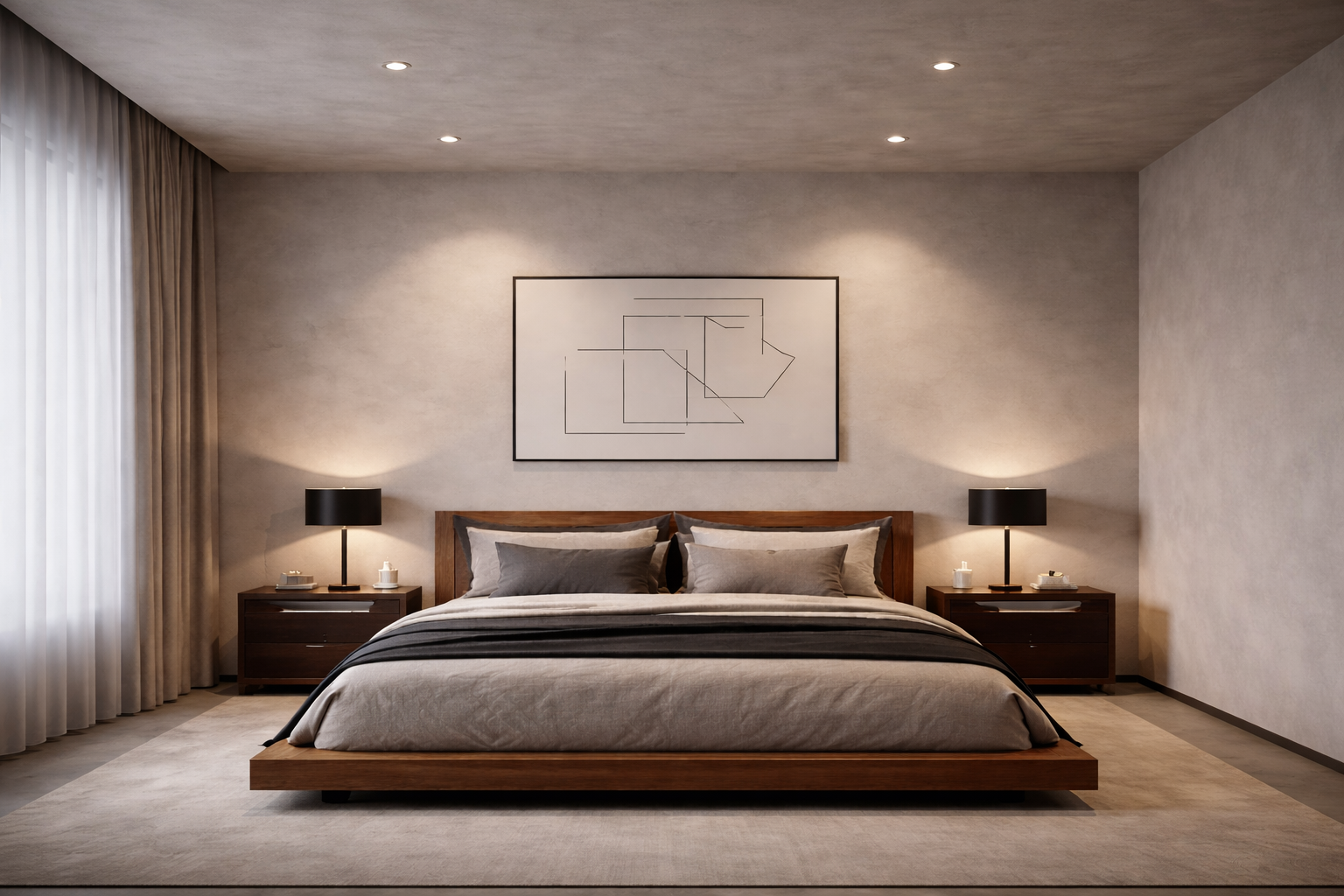
The Pros and Cons of Bedroom Downlights Downlights are common in modern homes. They’re neat, discreet, and easy to install. But in bedrooms, they can either feel calm and practical — or cold and uncomfortable. This guide explains when downlights work well in bedrooms, when they don’t, and how to design lighting that feels restful …

Mixing Lighting Styles and Materials in Interior Design Mixing lighting styles and materials in a home is an artful way to create dynamic, visually stimulating, and cohesive environments. This approach allows homeowners to blend the old with the new, combine textures and finishes, and craft spaces that reflect personal taste while maintaining functionality and aesthetic …
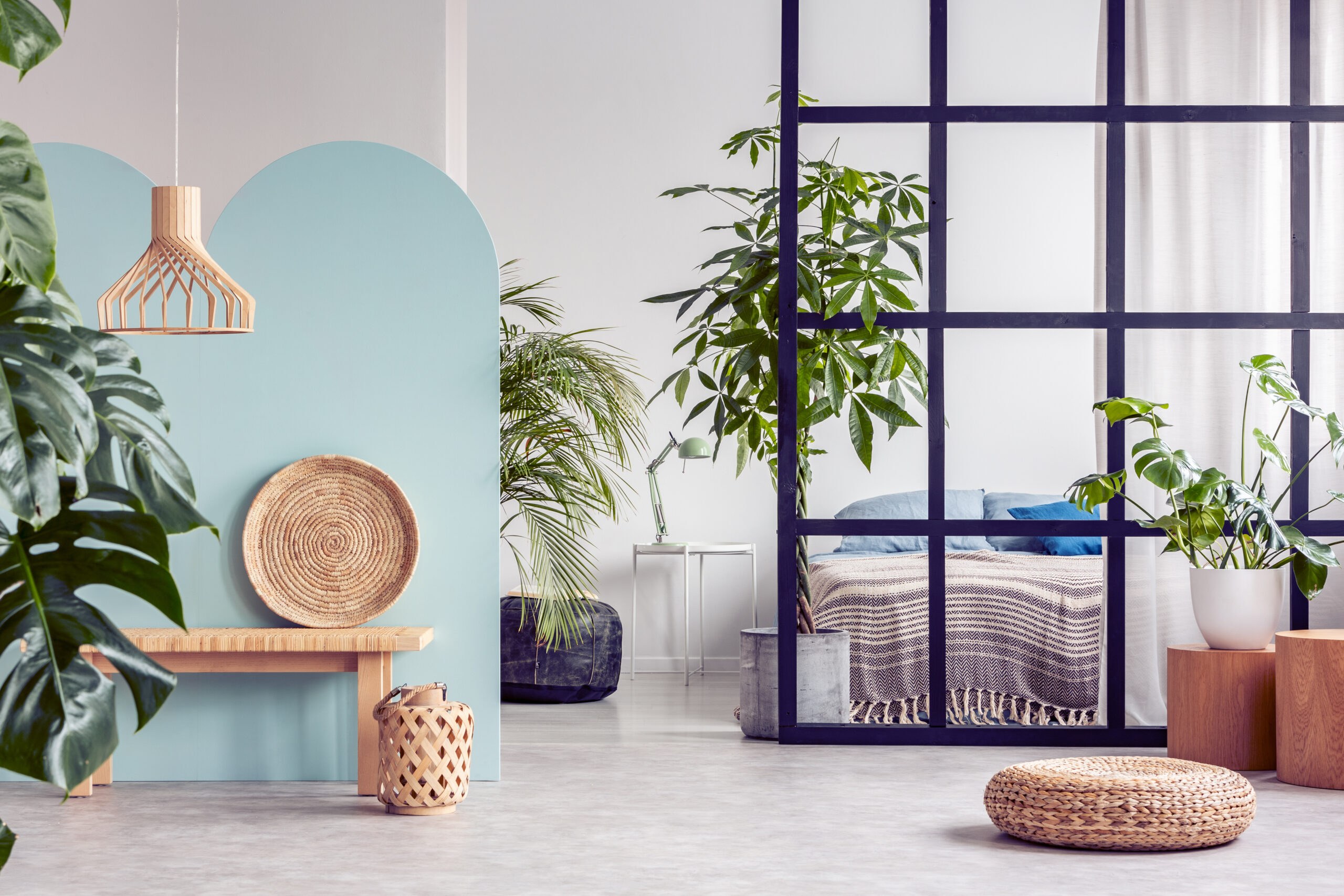
A simple guide to choosing the right lighting levels for every room Getting the right amount of light in a room helps improve comfort, visibility, and atmosphere. Instead of choosing bulbs by watts alone, modern lighting uses lumens to measure brightness. This guide explains how to calculate the light you need based on room size, …