
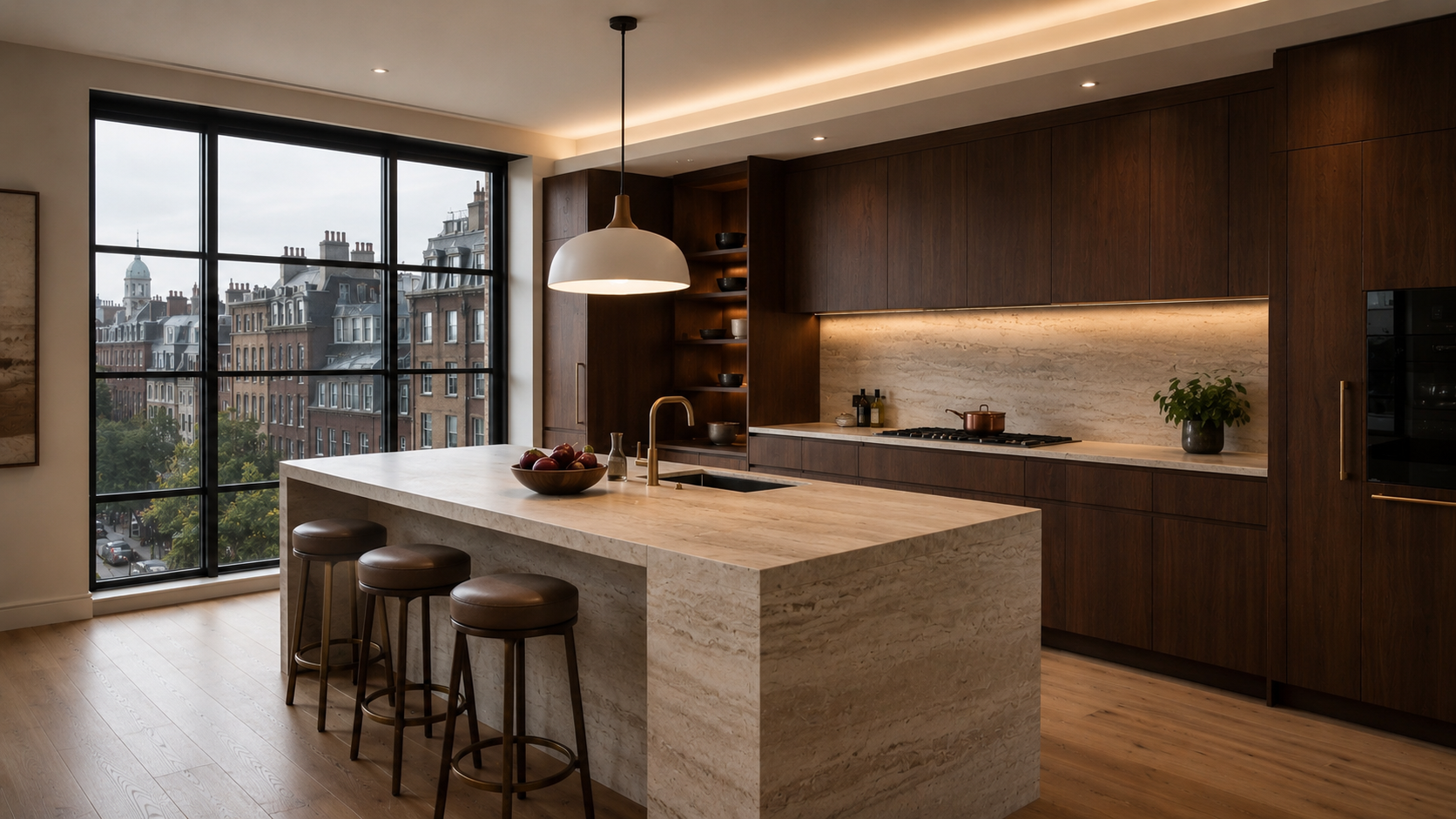
Lighting design principles form the foundation of every successful interior. While decorative light fittings contribute to a room’s character, thoughtful planning, careful placement and the correct balance of light are what truly create comfortable, functional and beautiful spaces. Whether you’re renovating a single room, building a new home or simply upgrading your lighting, understanding the …
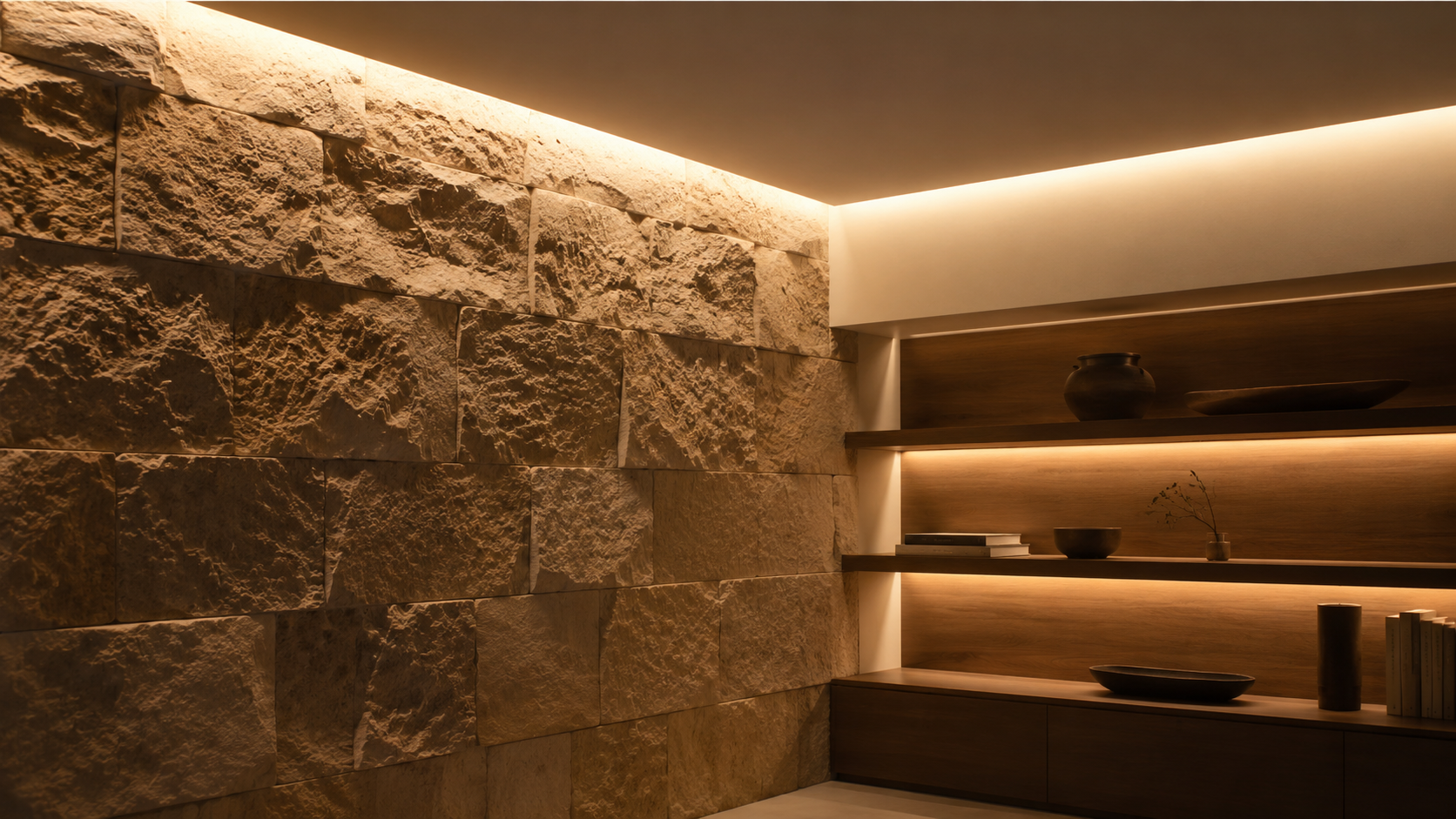
The Role of Shadows in Lighting Design. Many people think good lighting should remove every shadow from a room. In reality, the opposite is true. Professional lighting designers use carefully controlled shadows to add depth, reveal texture and create comfortable, visually interesting interiors. A room with no shadows often feels flat, while a room with …
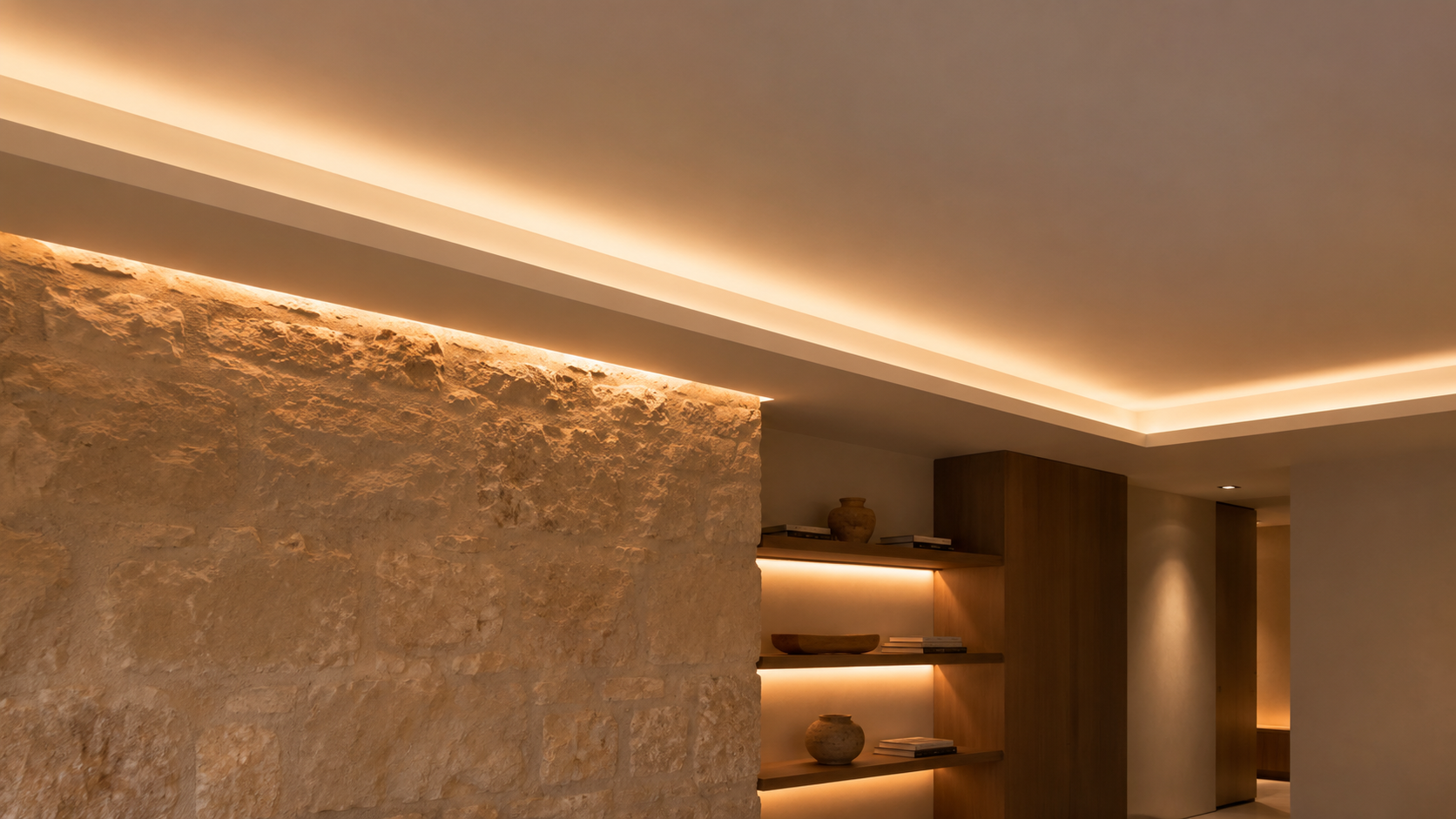
Why Indirect Lighting Matters. Indirect lighting is one of the most effective ways to create comfortable, visually balanced interiors. Instead of shining light directly into a room, indirect lighting reflects illumination from ceilings, walls or other surfaces, producing a softer and more even distribution of light. This approach reduces harsh shadows, minimises glare and helps …
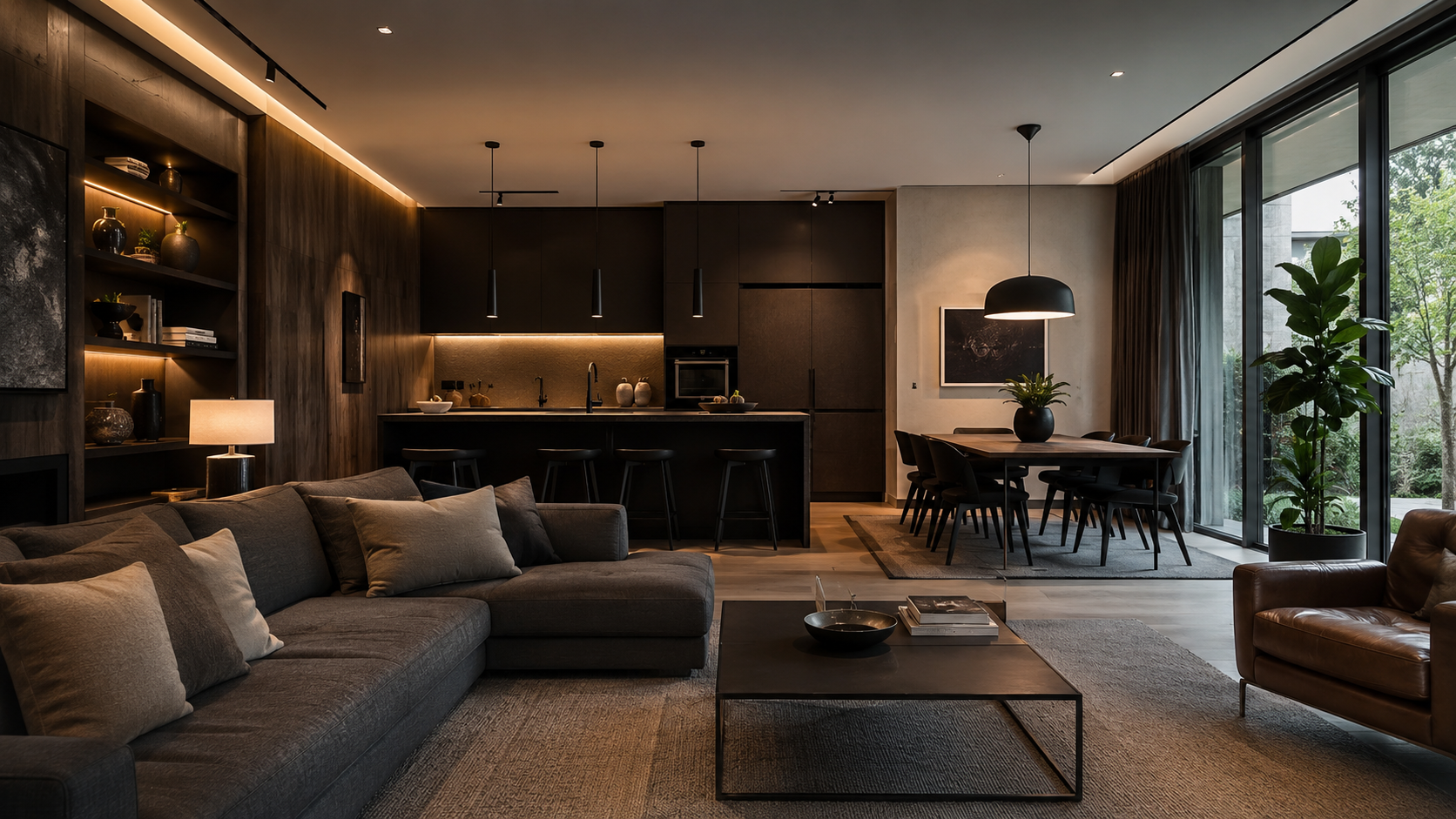
Why Home Lighting Matters. Lighting is one of the most important elements of interior design. The right lighting improves comfort, supports everyday activities, enhances architectural features and helps create the atmosphere you want in every room. Whether you are designing a new home, renovating a single room or simply replacing light fittings, understanding how different …
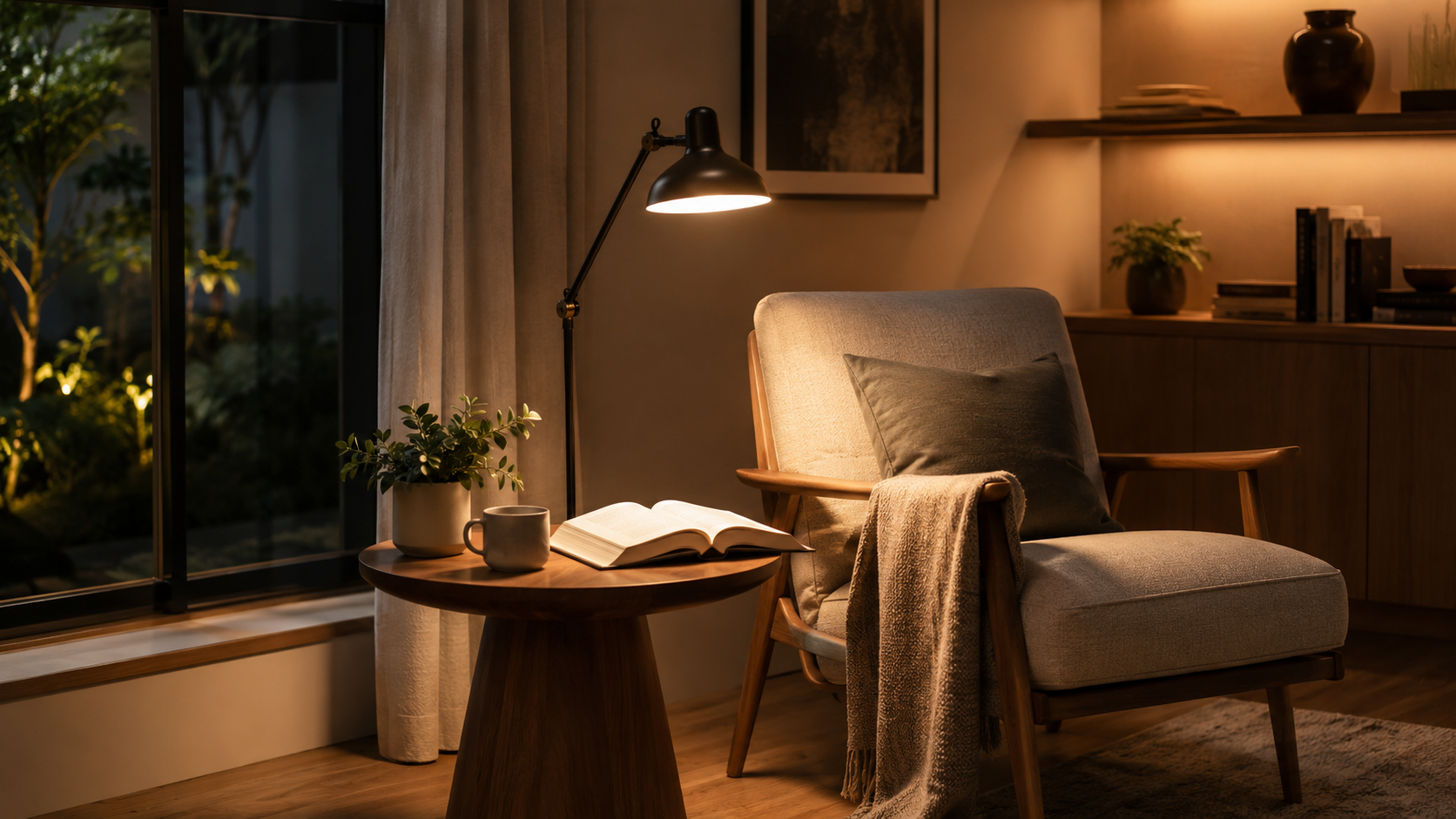
What Are Lumens? When shopping for lighting, many people assume that a higher lumen rating automatically means better lighting. While lumens are important, they only measure the total amount of visible light produced by a light source. They do not measure lighting quality, visual comfort or how effectively light is distributed within a space. Understanding …
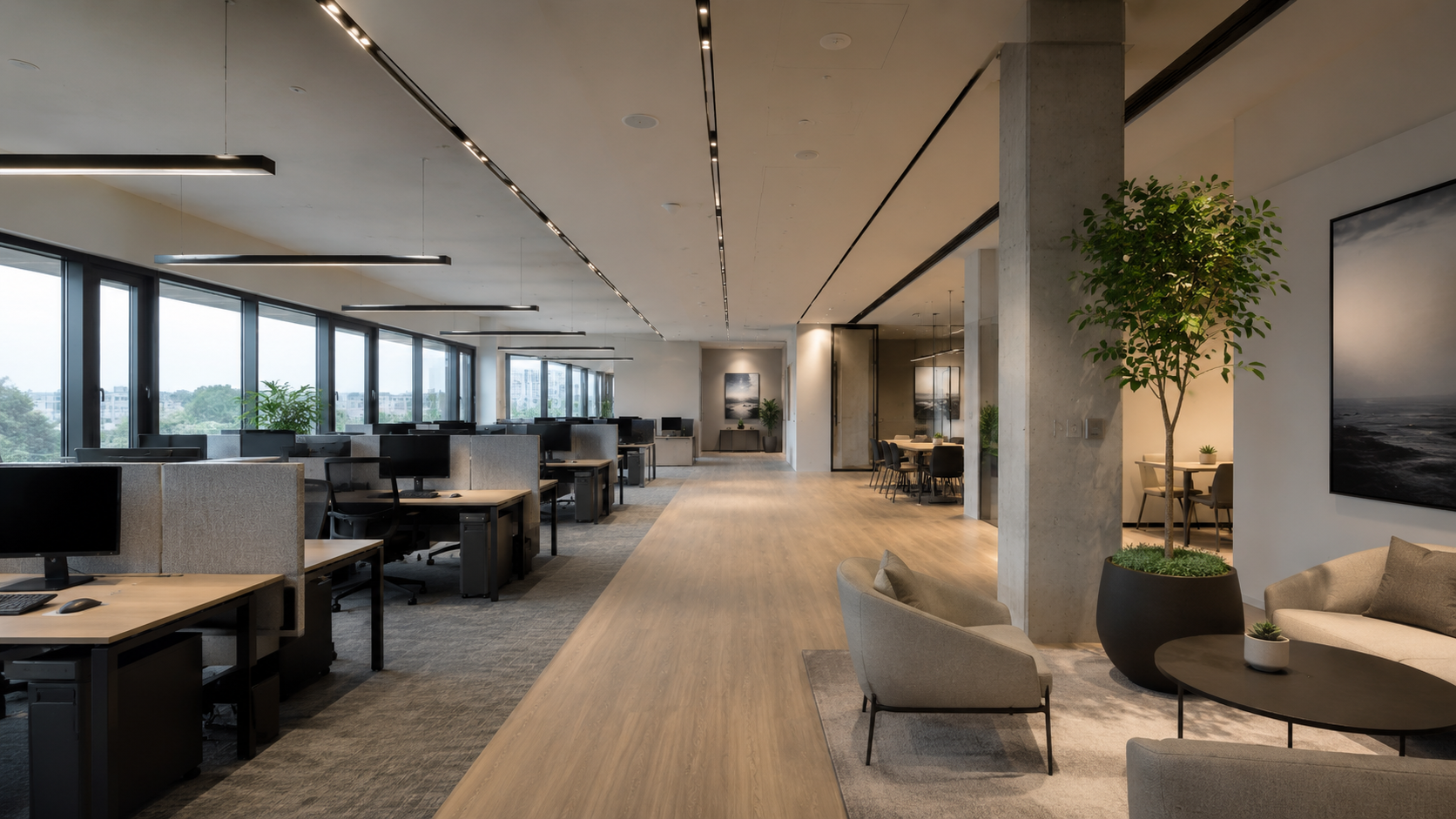
Why Office Lighting Matters. Office lighting has evolved far beyond simply providing enough light to work. Modern workplace design recognises that lighting can influence productivity, comfort, concentration and employee wellbeing throughout the working day. Whether in corporate offices, co-working spaces or commercial workplaces, effective lighting helps create environments that support both people and performance. A …
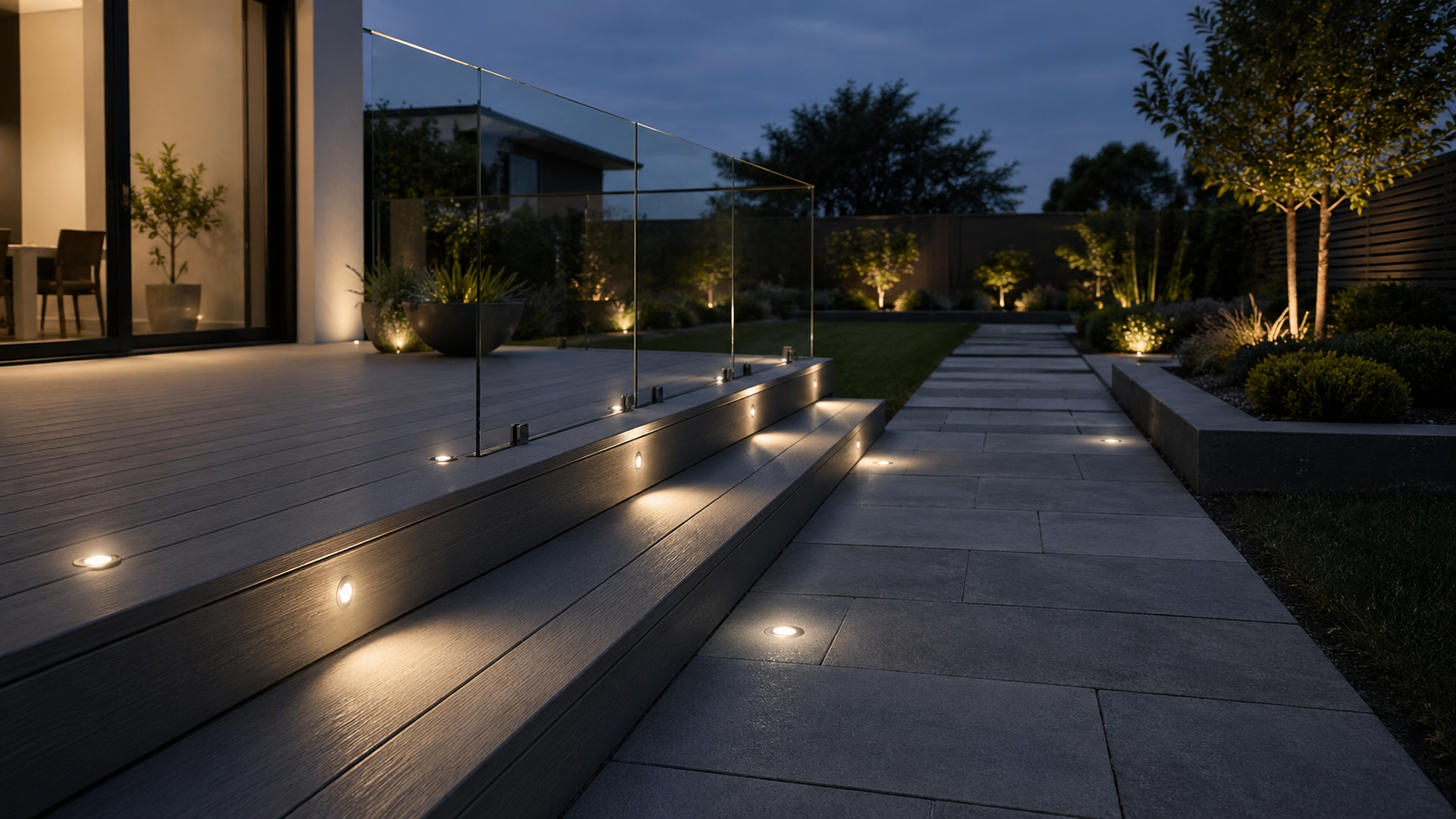
Lighting That Works at Surface Level. Ground and deck lighting is designed to integrate directly into surfaces, providing subtle illumination without visible fixtures. By placing light at floor level, these fittings improve visibility while maintaining a clean and unobtrusive outdoor design. Rather than lighting an entire space, ground and deck lighting focuses on edges, steps, …
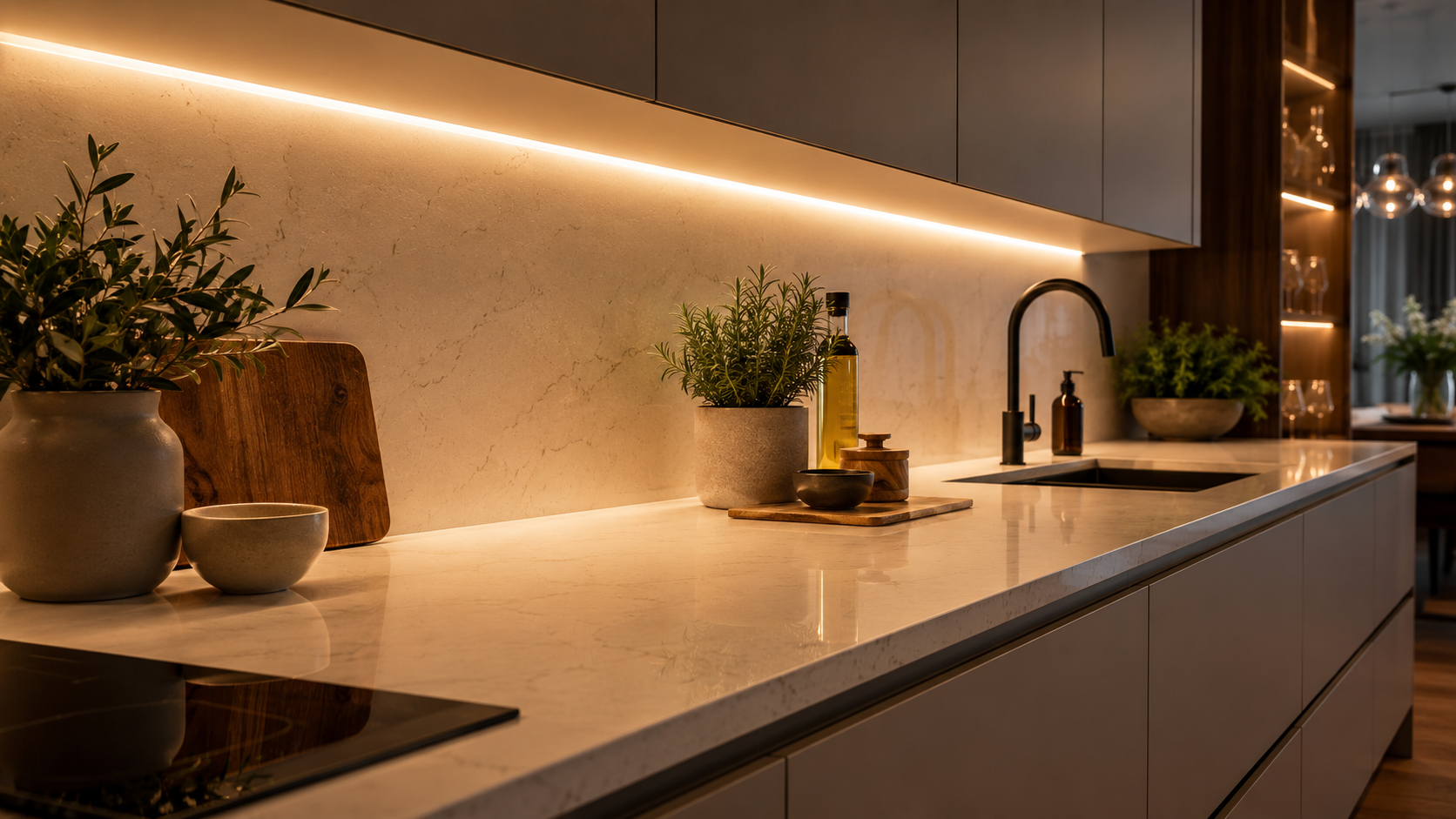
Focused Task Lighting Without Harsh Shadows. Under-cabinet lighting is one of the simplest ways to improve visibility in kitchens and workspaces without introducing harsh overhead glare. By placing light exactly where it is needed, it enhances both functionality and atmosphere while maintaining a clean, uncluttered look. Whether used for food preparation or everyday tasks, this …
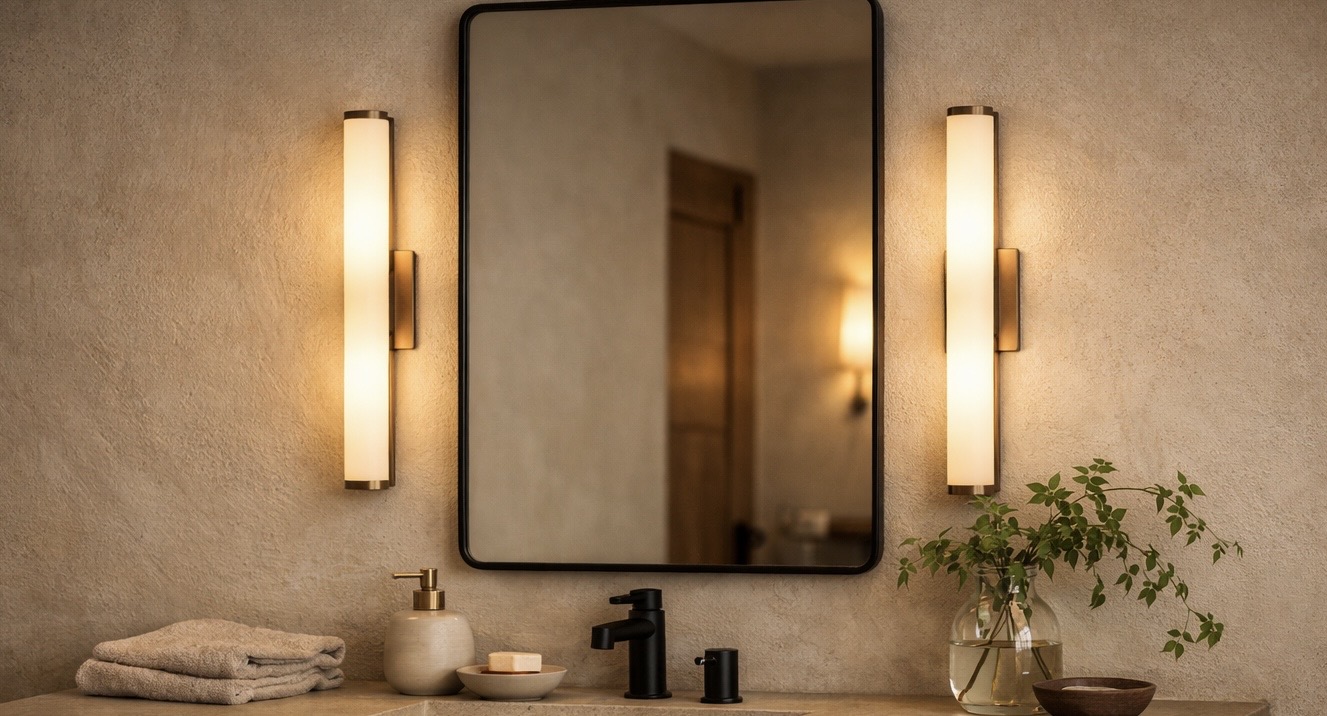
Why Mirror Lighting Is About Direction, Not Brightness. Mirror and vanity lighting is one of the most misunderstood areas of interior lighting. Many bathrooms rely on ceiling downlights alone, which often create harsh shadows beneath the eyes and jawline. Even bright bathrooms can feel visually unbalanced when light direction is incorrect. Well-designed mirror lighting prioritises …