
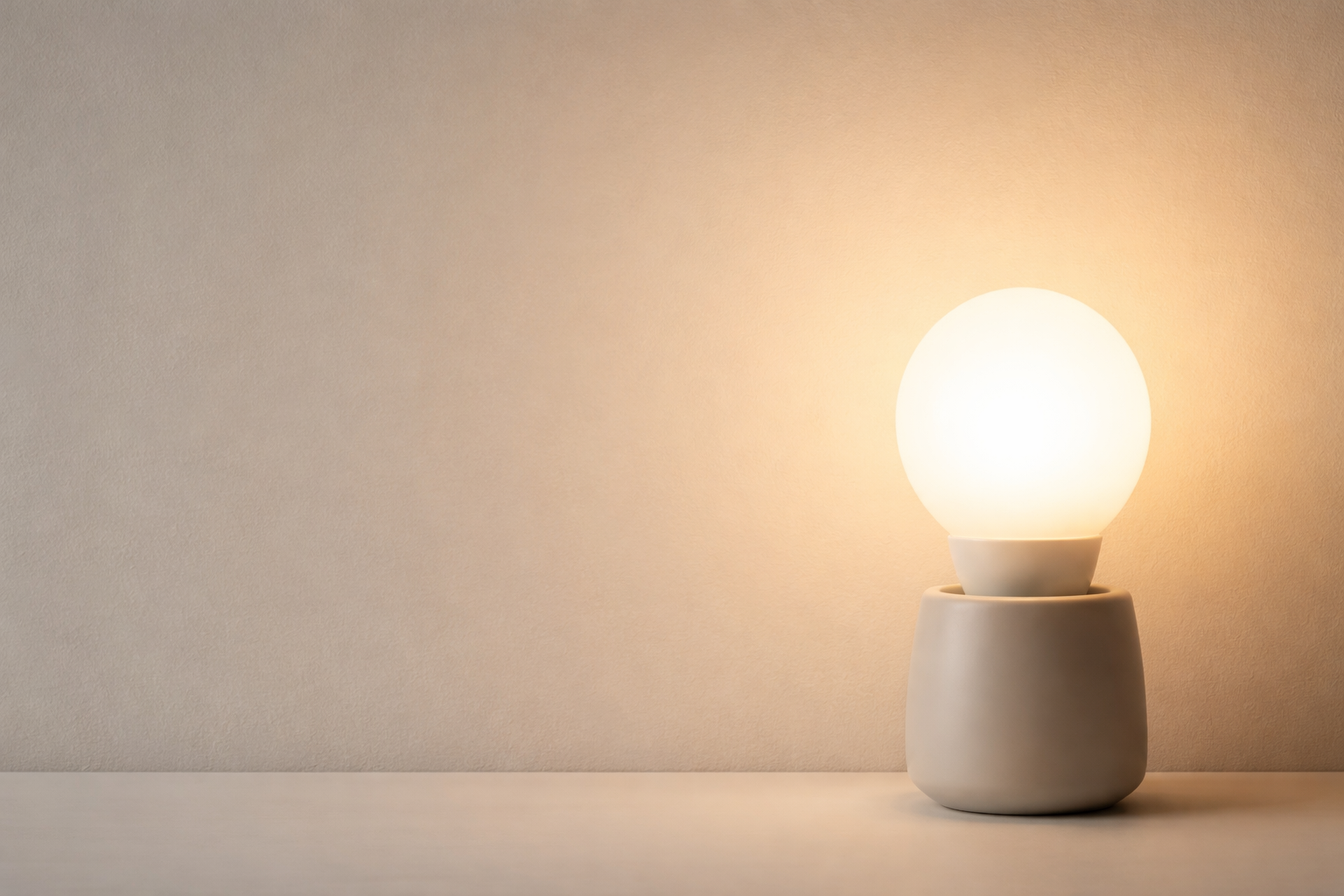
Why Light Bulbs Matter More Than Fixtures When people think about lighting, they usually think about fixtures — pendants, lamps, wall lights. Light bulbs are treated as interchangeable components, chosen at the last minute. In reality, the bulb is the light. Fixtures only shape, hide, or direct it. Two identical fittings can feel completely different …
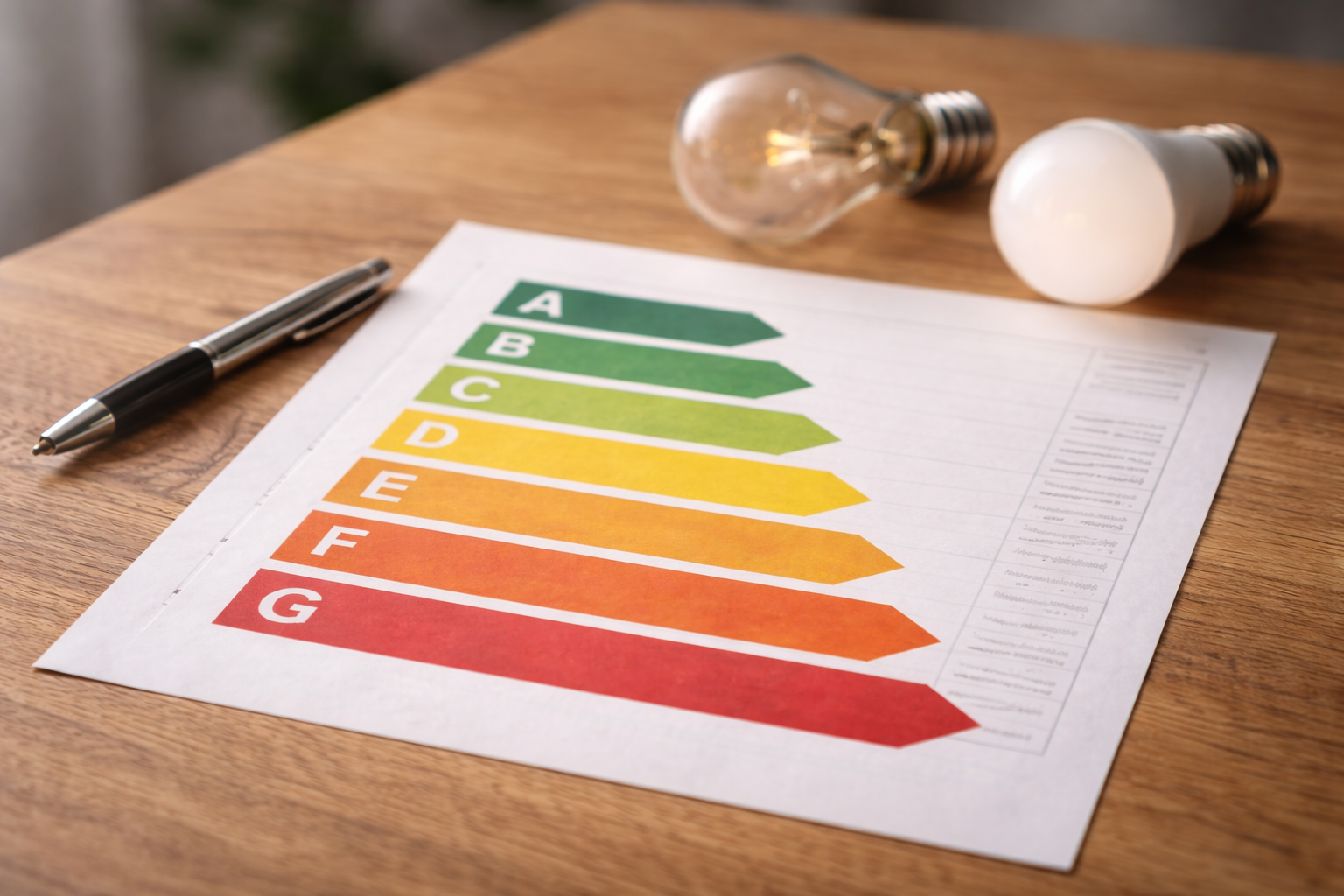
Why Energy Ratings Changed After Halogens Lighting energy labels have changed — and for good reason. As LED technology advanced, older rating systems became meaningless, with most products clustered at the top. The current A–G scale restores clarity, accuracy, and long-term relevance. This shift coincided with the discontinuation of halogen lighting, marking a permanent change …

What Is Sustainable and Biophilic Lighting Design? Sustainable and biophilic lighting design focuses on creating spaces that are energy-efficient, environmentally responsible, and inspired by nature. While sustainability aims to reduce energy use and carbon impact, biophilic design seeks to connect people with the natural world through light, materials, and form. Together, these concepts enhance wellbeing …
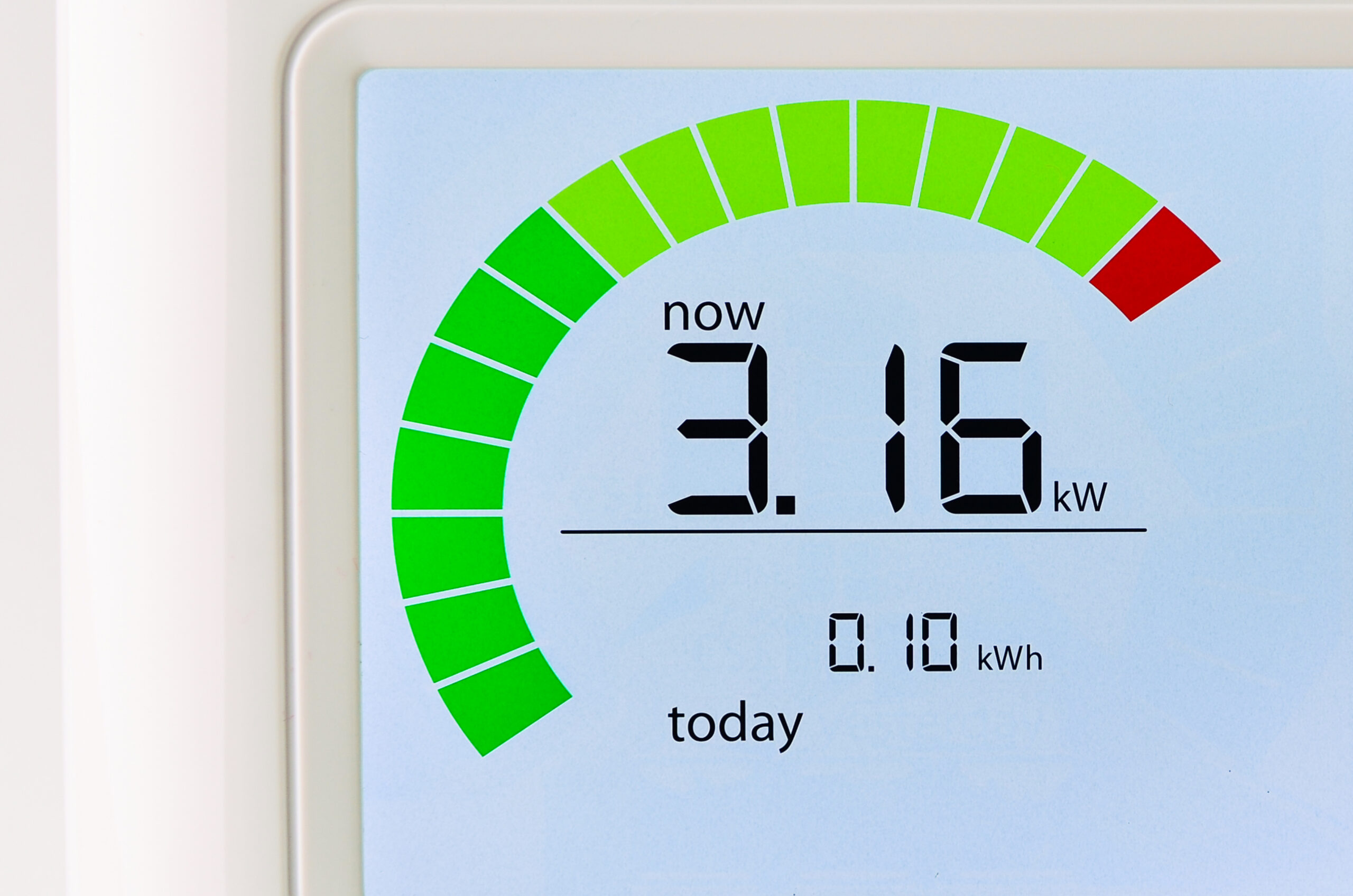
What Are Watts and Why Do They Matter? Watts (W) measure how much electrical power a light consumes. They indicate the amount of energy drawn from your electricity supply to produce illumination. In older incandescent bulbs, wattage was directly linked to brightness. However, with energy-efficient lighting such as LEDs, watts now represent power consumption rather …
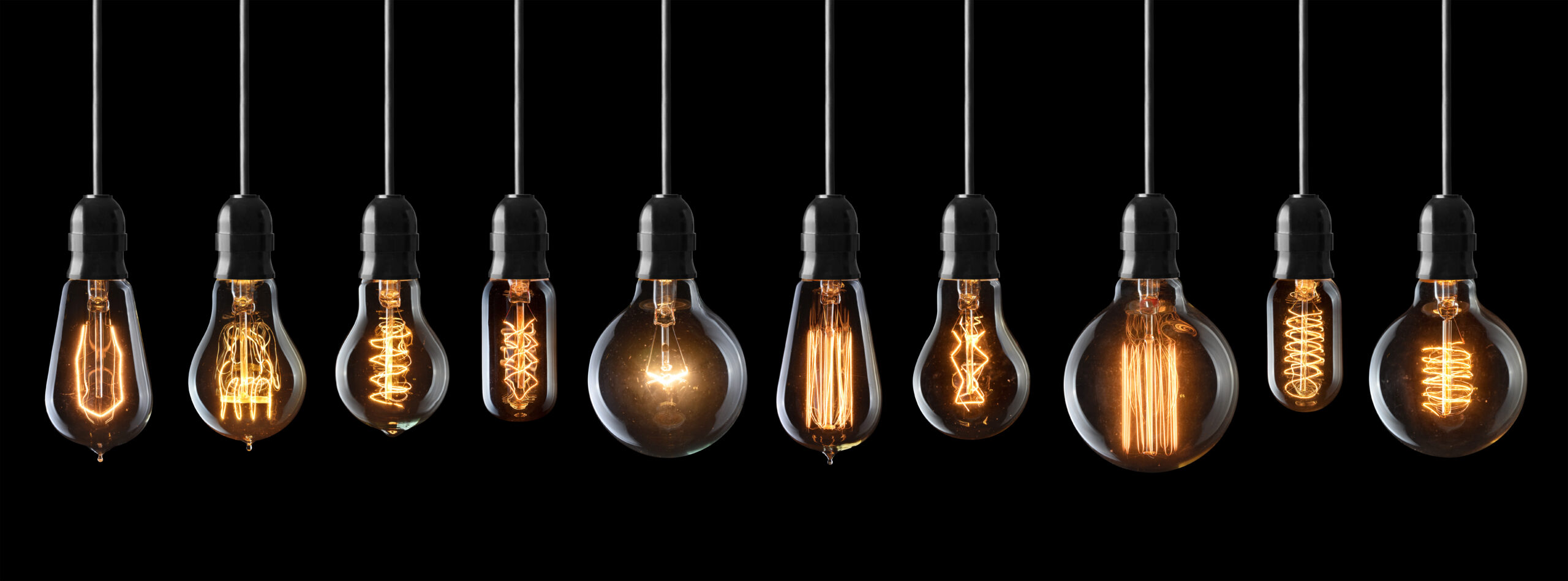
What Are Lumens and How Do They Work? Lumens (lm) measure the total visible light output from a bulb or fixture — in simple terms, they indicate how bright the light is. The higher the lumen number, the brighter the light appears. Unlike watts, which measure energy use, lumens measure light output, allowing you to …

The Benefits of LED Lighting for Homes and Workspaces LED lighting has reshaped modern living by offering efficiency, versatility, and sustainability. Compared to traditional bulbs, LEDs save money, reduce energy usage, and provide superior performance across homes, offices, and commercial spaces. Below we break down the main advantages in more detail. Energy Efficiency LEDs consume …