
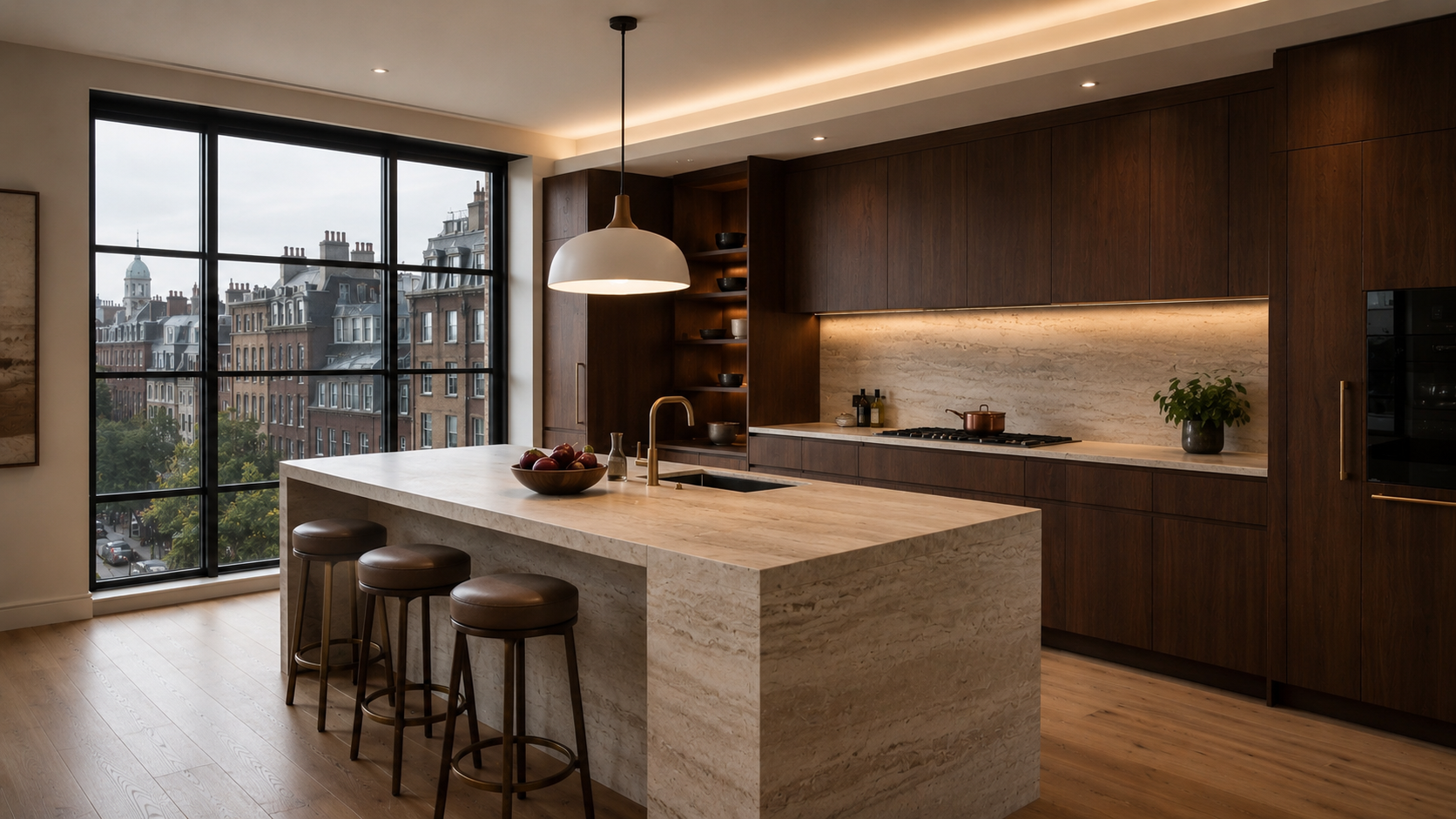
Lighting design principles form the foundation of every successful interior. While decorative light fittings contribute to a room’s character, thoughtful planning, careful placement and the correct balance of light are what truly create comfortable, functional and beautiful spaces. Whether you’re renovating a single room, building a new home or simply upgrading your lighting, understanding the …
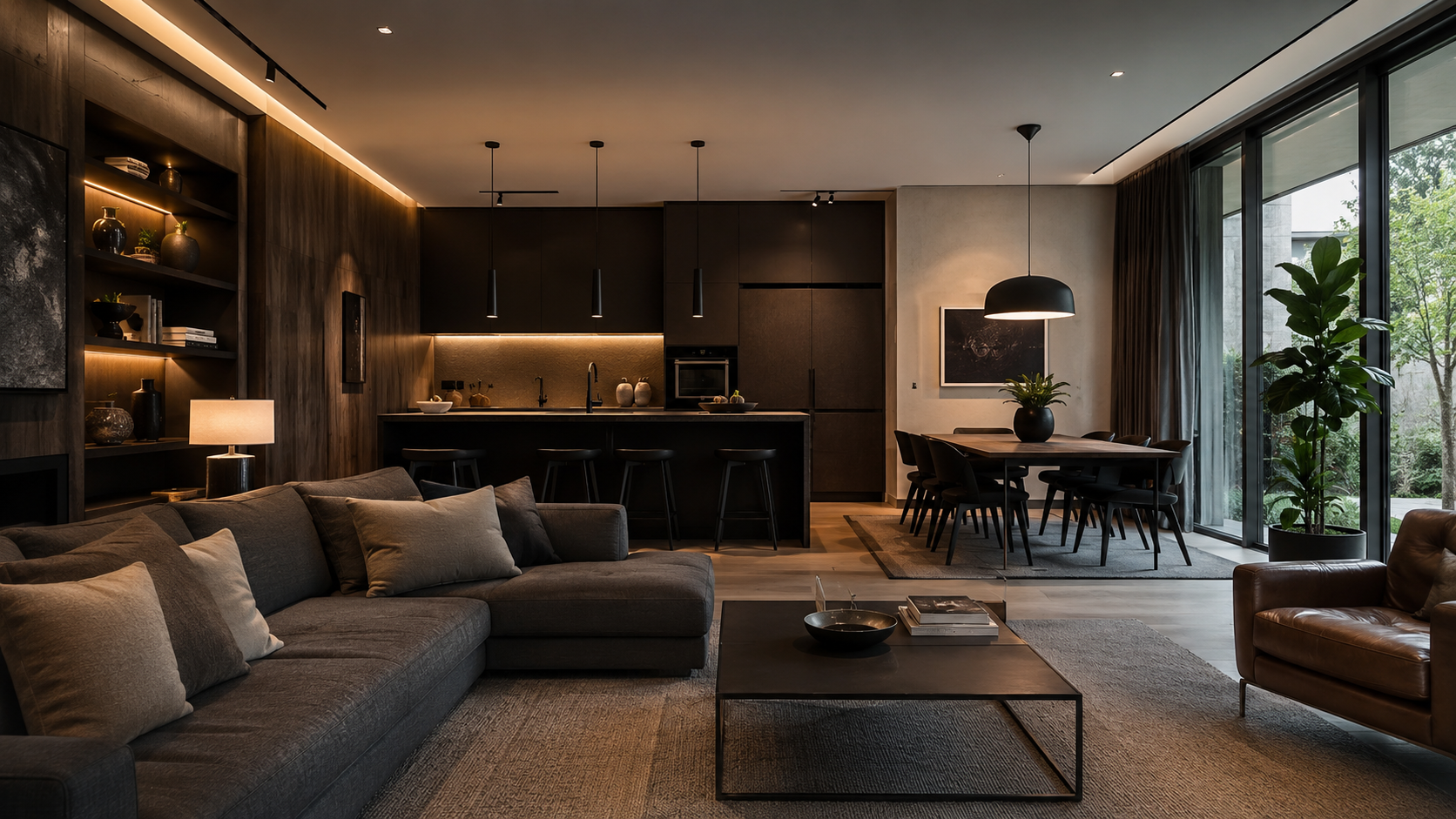
Why Home Lighting Matters. Lighting is one of the most important elements of interior design. The right lighting improves comfort, supports everyday activities, enhances architectural features and helps create the atmosphere you want in every room. Whether you are designing a new home, renovating a single room or simply replacing light fittings, understanding how different …
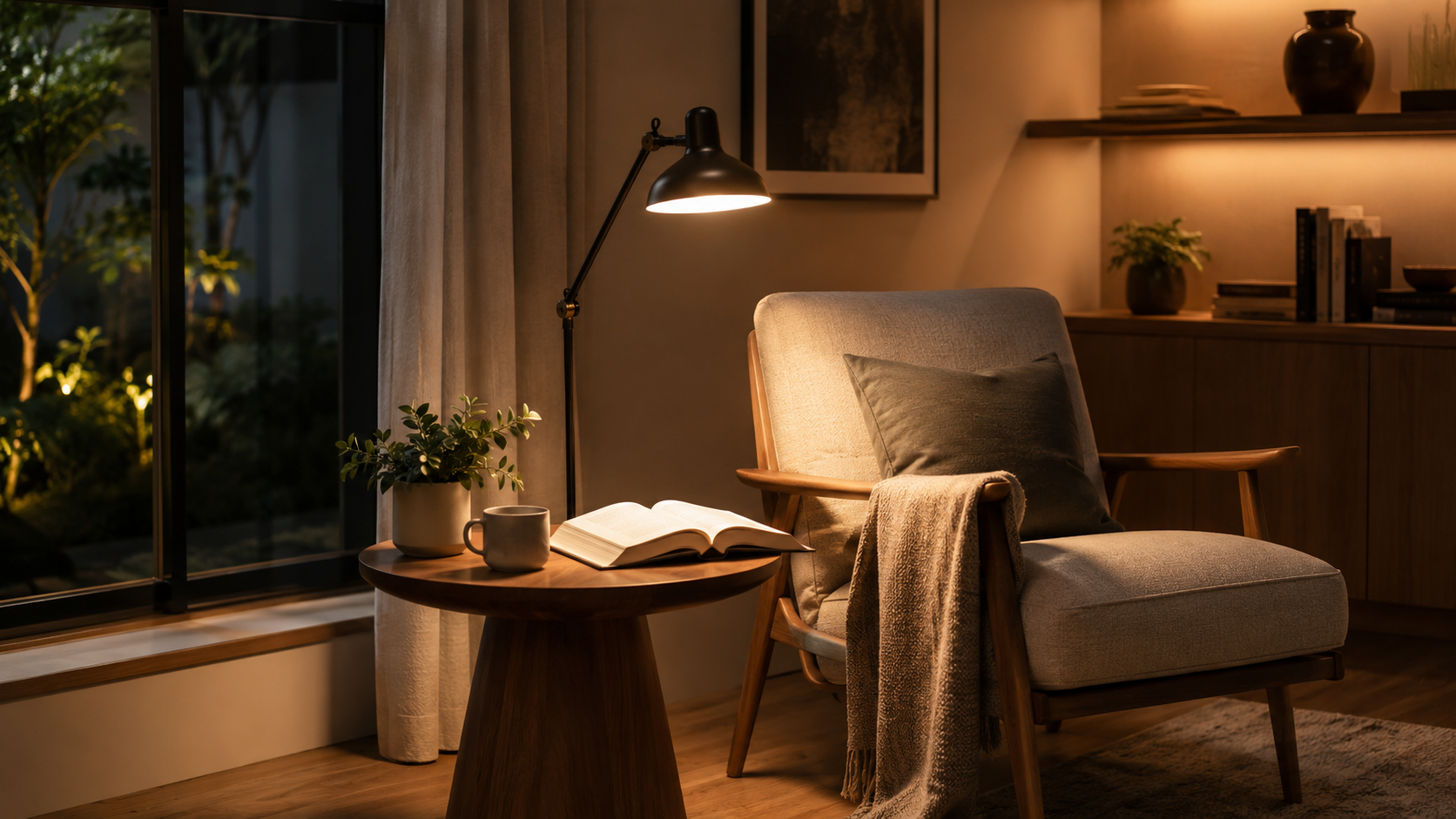
What Are Lumens? When shopping for lighting, many people assume that a higher lumen rating automatically means better lighting. While lumens are important, they only measure the total amount of visible light produced by a light source. They do not measure lighting quality, visual comfort or how effectively light is distributed within a space. Understanding …
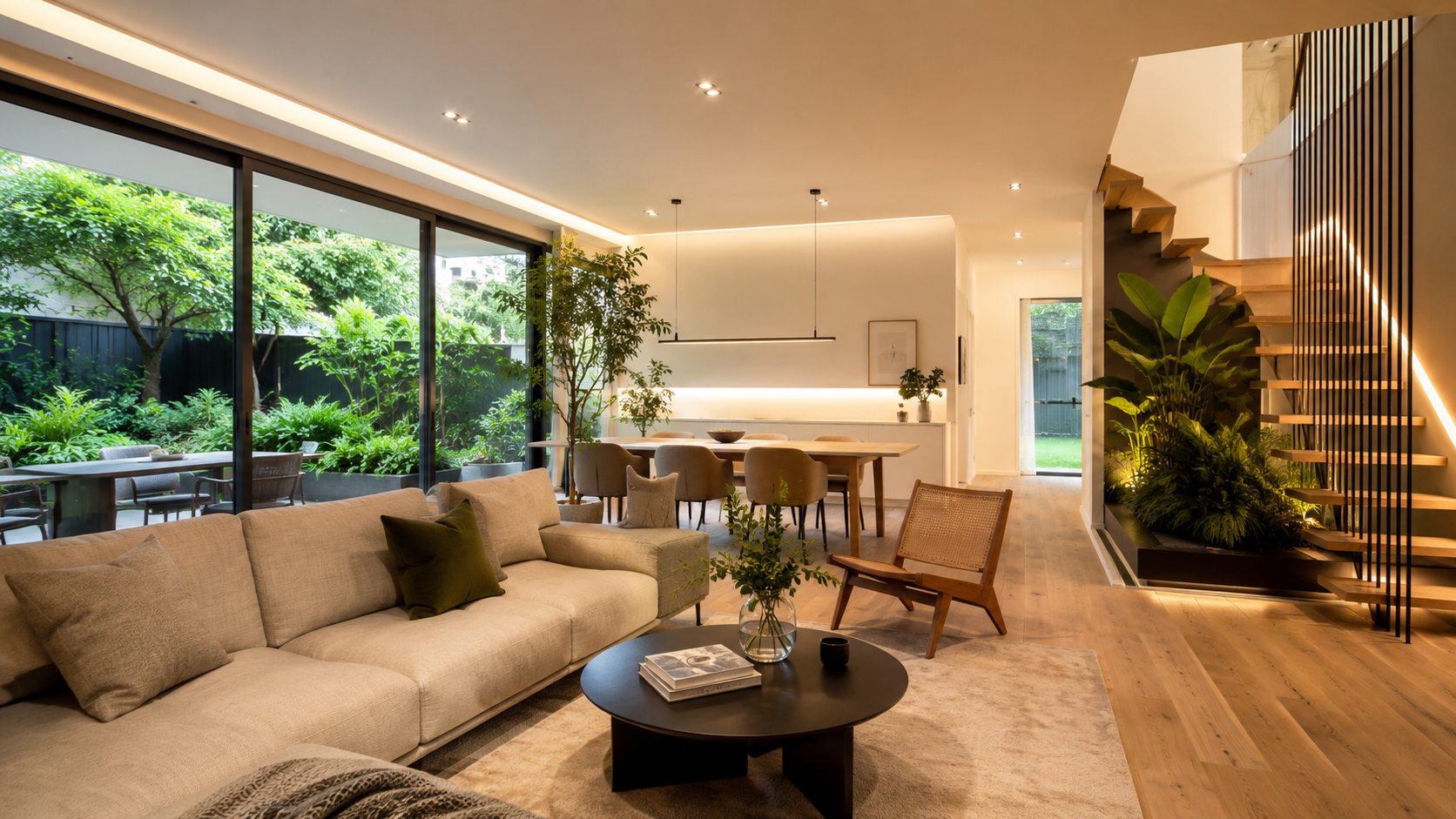
What Is Human-Centric Lighting? Human-centric lighting is an approach to lighting design that considers how light affects people as well as how it illuminates a space. Beyond providing visibility, lighting can influence comfort, mood, concentration, wellbeing and the overall experience of an environment. By carefully balancing light levels, colour temperature, daylight and visual comfort, human-centric …
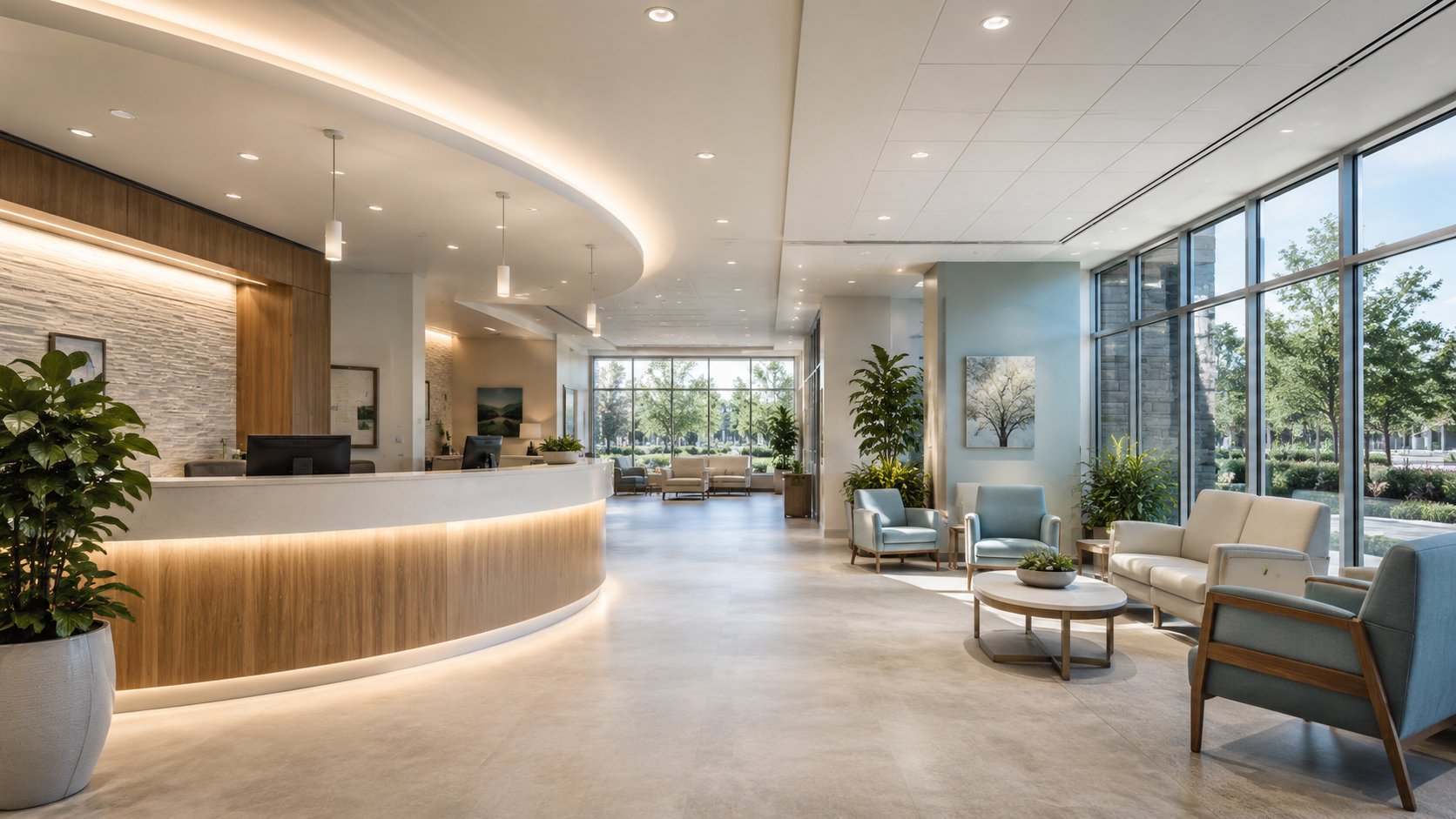
Why Healthcare Lighting Matters. Lighting plays a critical role in healthcare environments. From hospitals and clinics to care homes and treatment centres, lighting influences patient comfort, staff performance, safety and the overall experience of healthcare spaces. Unlike many commercial environments, healthcare facilities operate around the clock and serve people with a wide range of physical, …
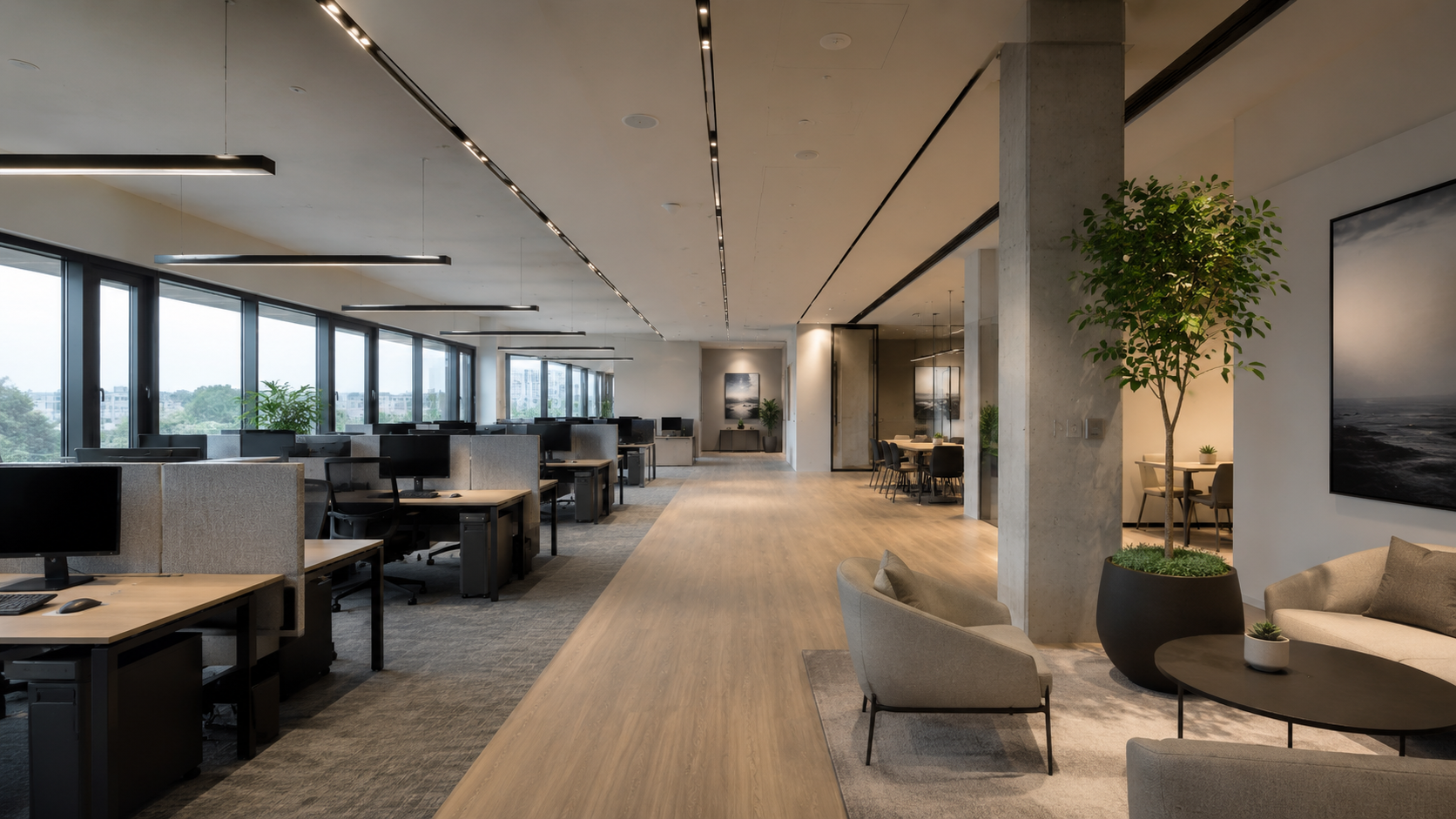
Why Office Lighting Matters. Office lighting has evolved far beyond simply providing enough light to work. Modern workplace design recognises that lighting can influence productivity, comfort, concentration and employee wellbeing throughout the working day. Whether in corporate offices, co-working spaces or commercial workplaces, effective lighting helps create environments that support both people and performance. A …
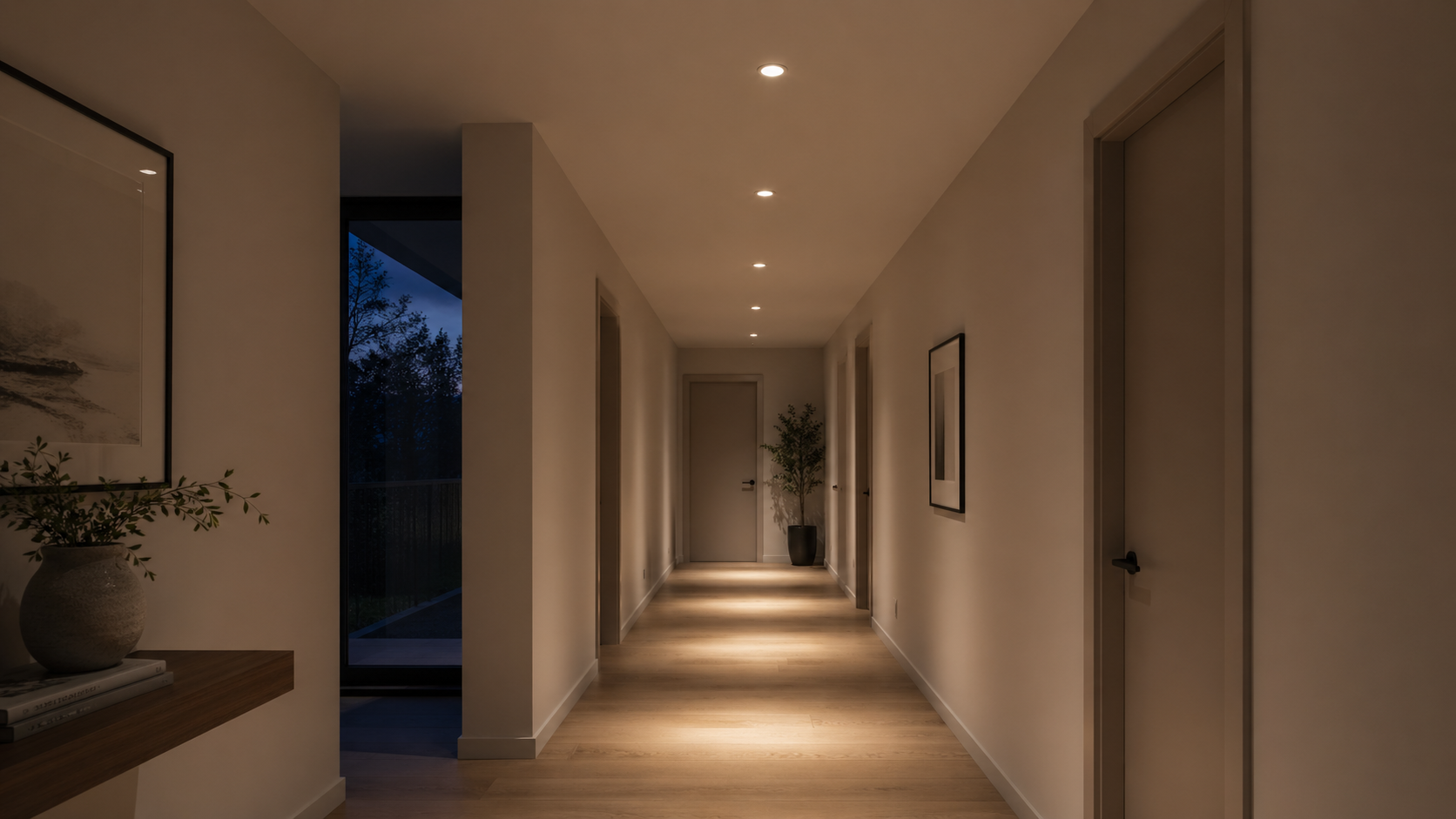
Flush Lighting for Clean, Practical Interiors. Recessed and downlights are designed to sit flush within ceilings, providing clean, low-profile illumination without visible fixtures. By positioning the light source inside the surface, they deliver practical lighting while maintaining a simple, uncluttered appearance. Used across both residential and commercial spaces, these fittings are one of the most …
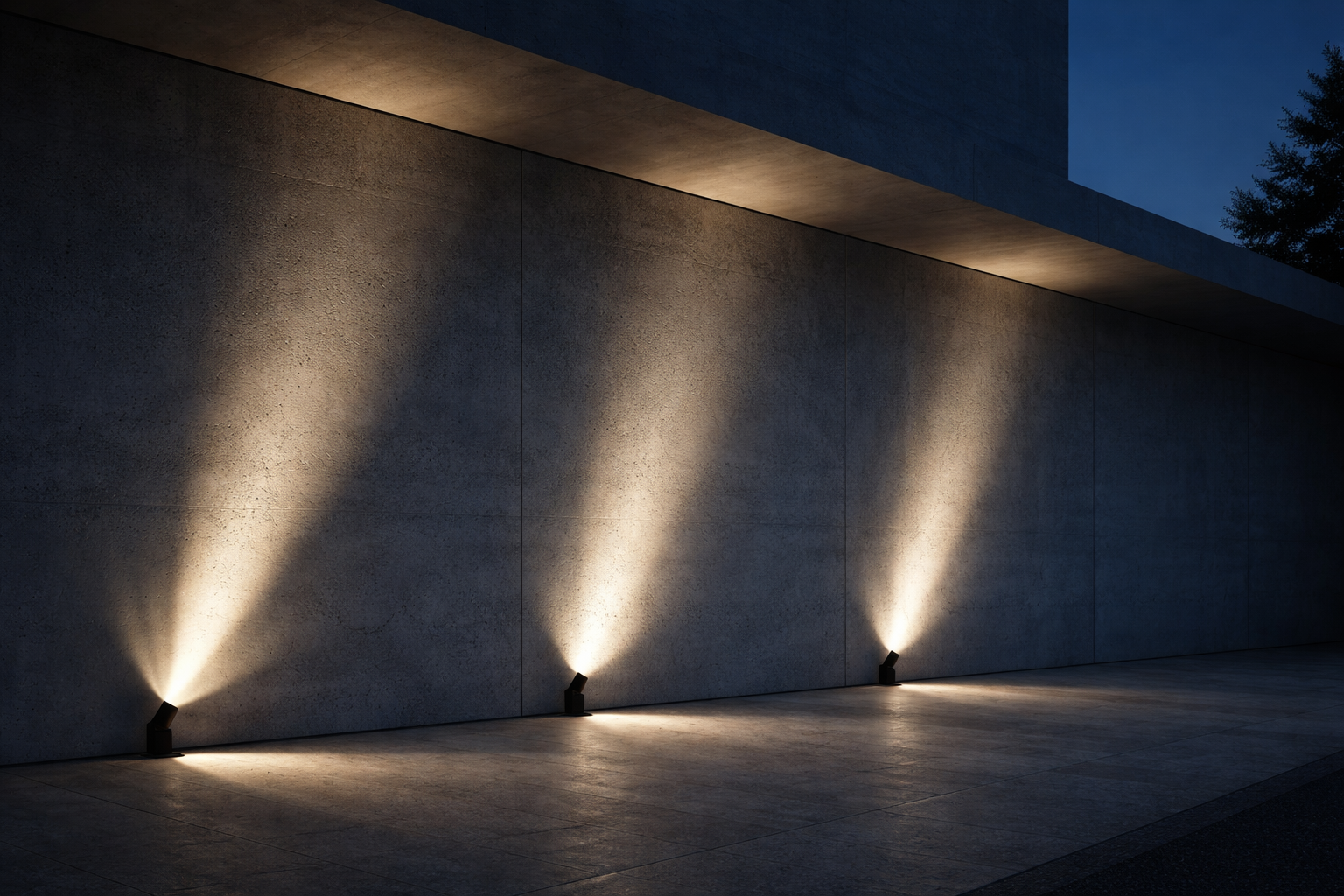
How spotlights shape direction and focus in interior lighting. Spotlights are designed to direct light with precision, making them one of the most effective ways to highlight specific areas, objects, or architectural features. Unlike general lighting, which spreads light evenly across a space, spotlights focus illumination where it is needed most. Commonly used in living …
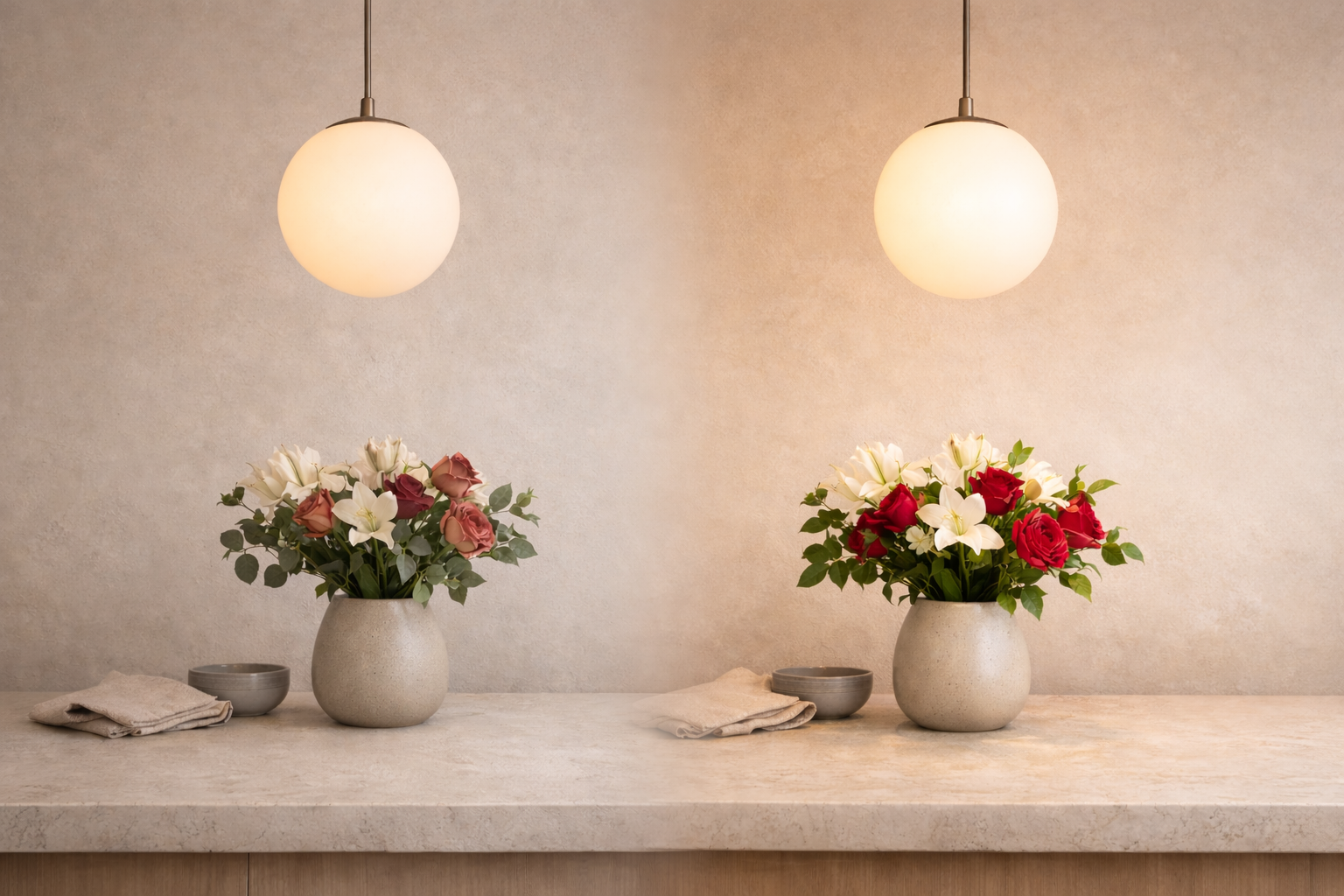
Understanding the Difference Between CRI and Colour Temperature. Colour temperature and CRI (Colour Rendering Index) are two of the most commonly misunderstood aspects of lighting. They are often used interchangeably, but they describe completely different characteristics of light. Understanding the difference between these two concepts is essential when choosing lighting for your home, workspace, or …