
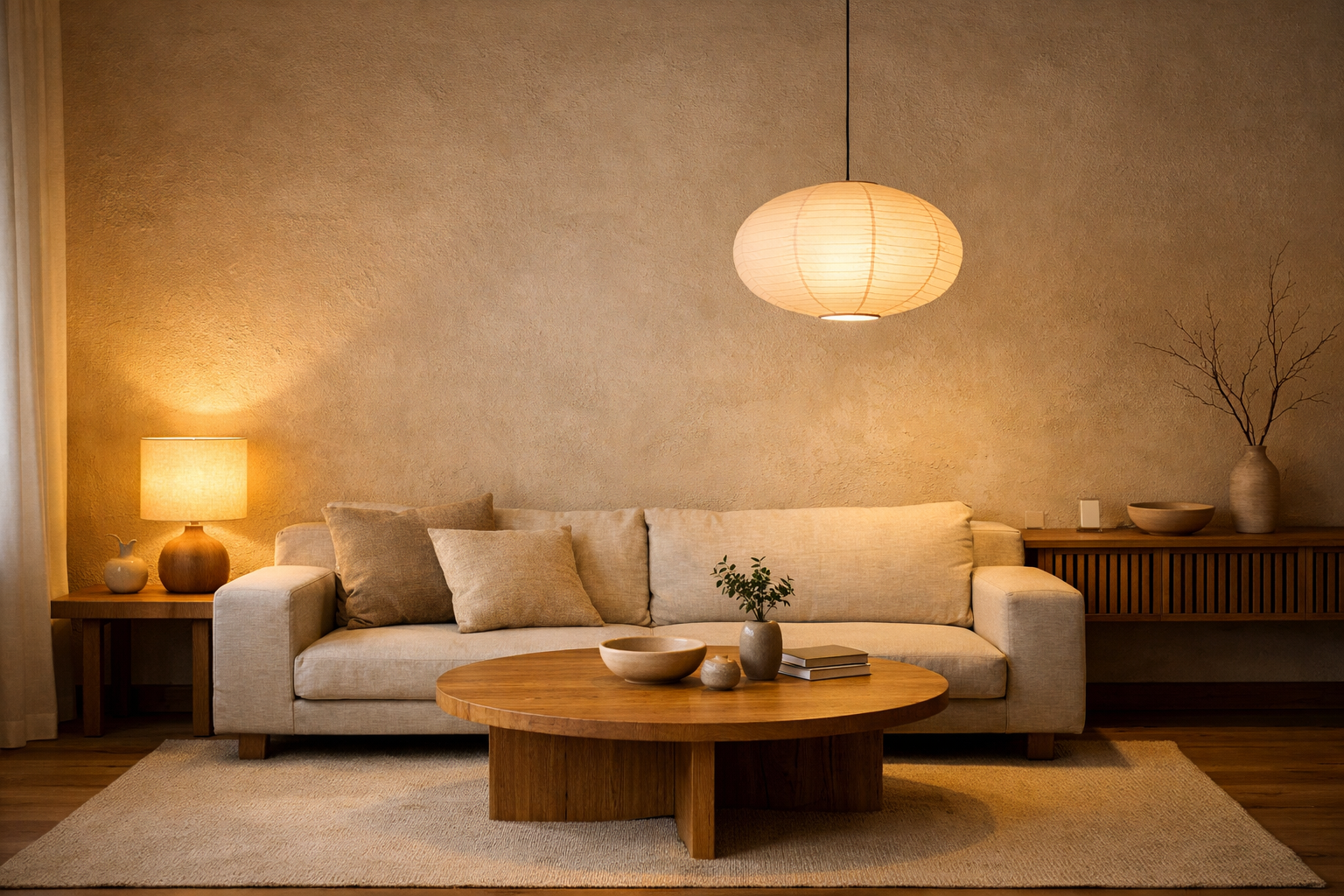
Lighting does more than illuminate a space. It shapes how colours appear, how materials feel, and how comfortable a room becomes throughout the day. Among the many factors that influence lighting design, colour temperature plays one of the most important roles. Measured in Kelvin (K), colour temperature determines whether light appears warm and soft or …
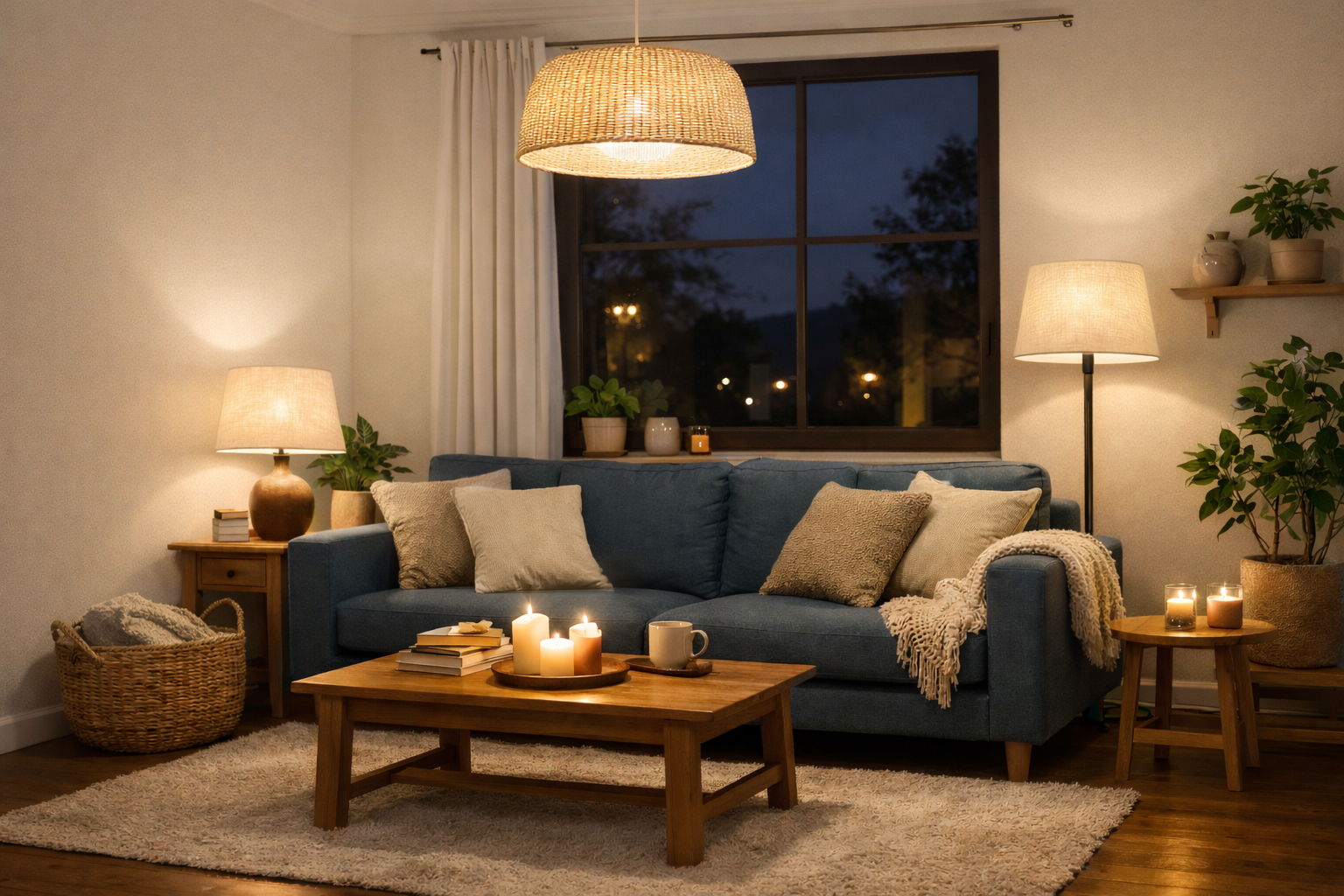
Why Warm Lighting Works Best in Living Rooms Living rooms are designed for relaxation, conversation, and spending time with family or friends. Because these spaces are typically used in the evening, lighting plays an important role in shaping the atmosphere. Warm white lighting helps create a comfortable environment that feels inviting and visually balanced. Unlike …

Understanding Cool White and Daylight Lighting When selecting lighting for workspaces, kitchens, garages, and commercial environments, two common colour temperatures often appear: 4000K and 5000K. Both fall into the cooler end of the lighting spectrum and are designed to provide clear, bright illumination. Although the numerical difference seems small, these colour temperatures create noticeably different …
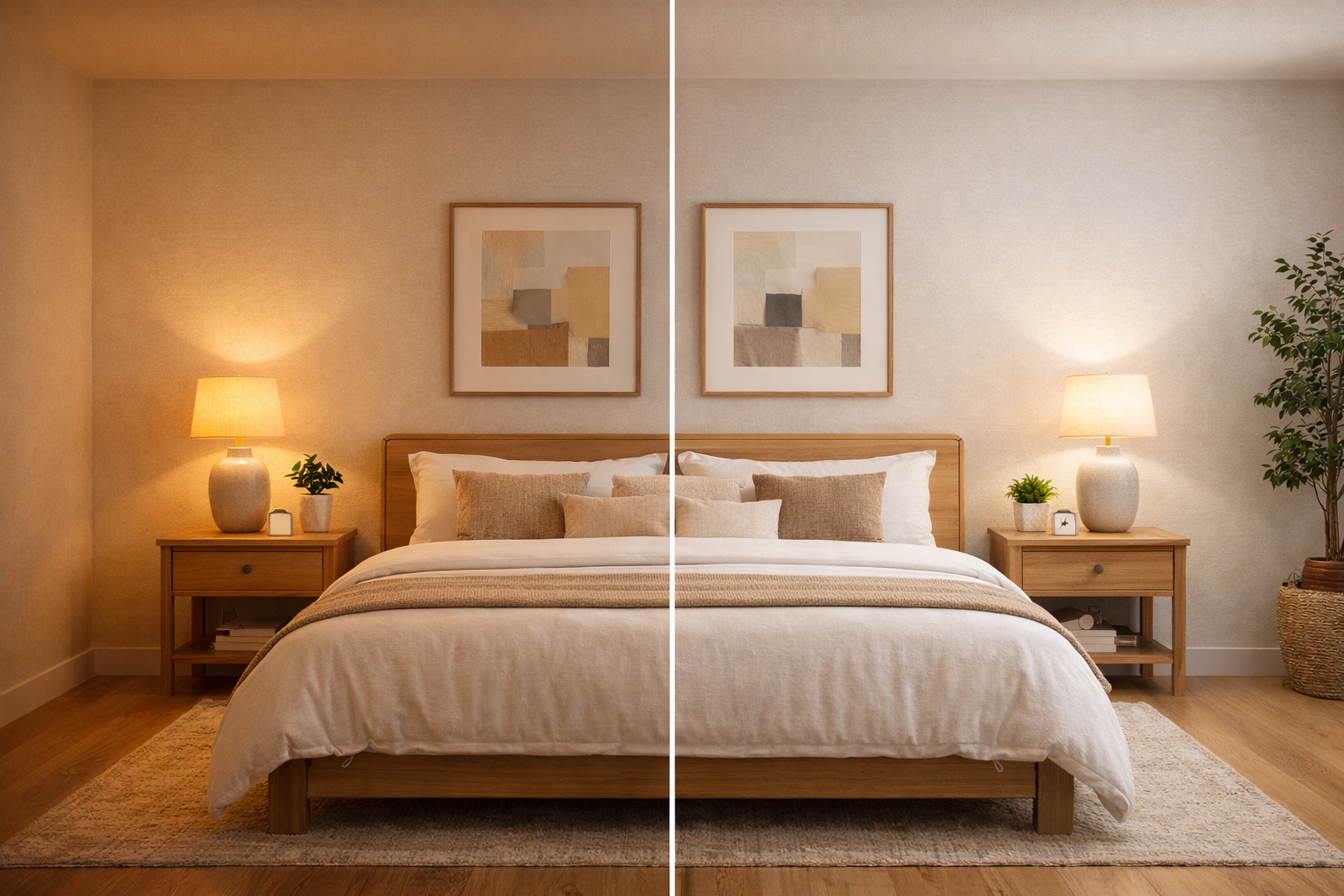
2700K and 3000K are the two most common warm white lighting temperatures used in homes. While both create a comfortable and inviting atmosphere, the subtle difference between them can noticeably affect how a room feels, how colours appear, and how bright the space looks. Understanding when to choose 2700K or 3000K lighting helps ensure the …
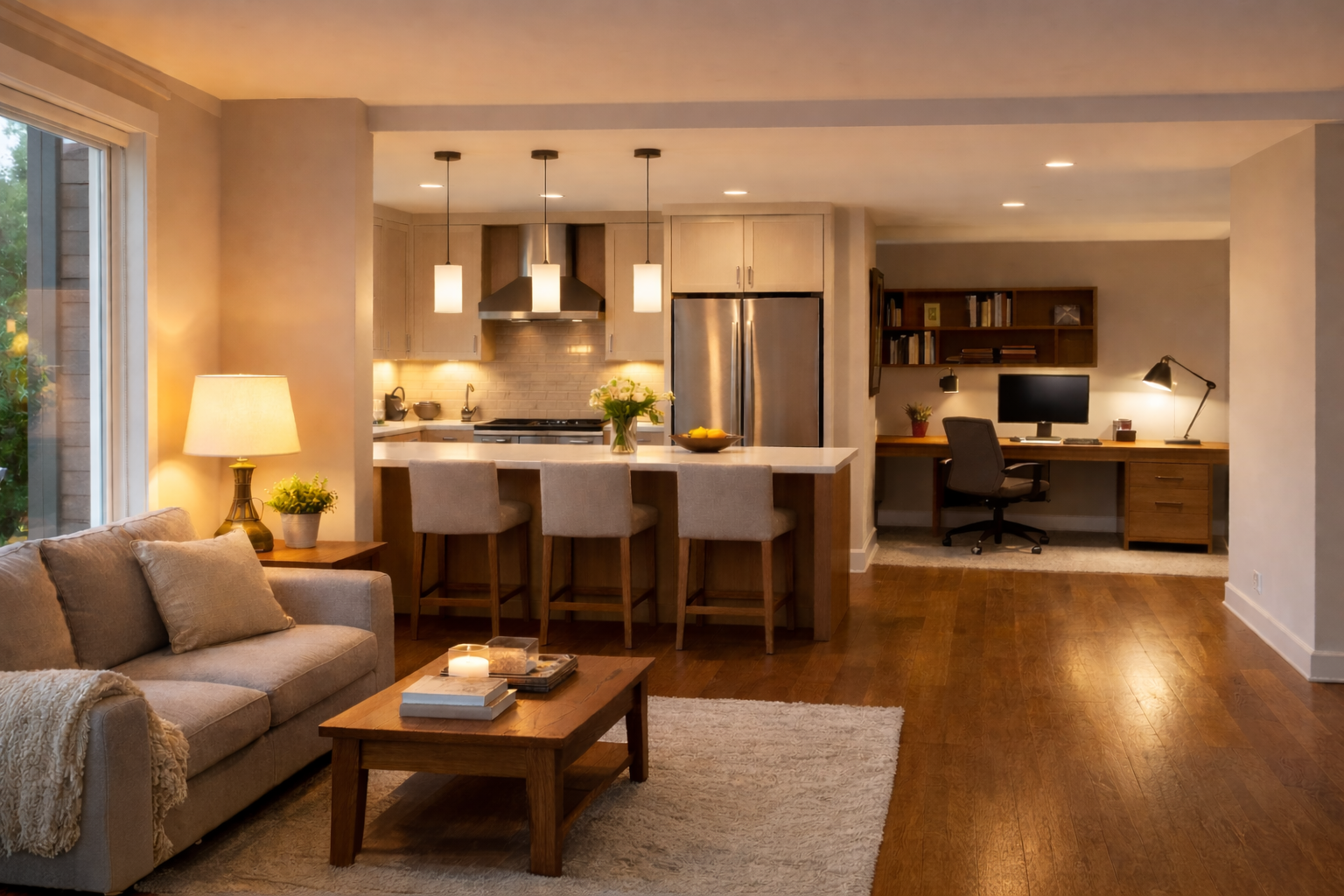
Best Colour Temperature for Each Room Lighting colour temperature plays a major role in how a space feels and functions. The tone of light can influence mood, visibility, and even how colours and materials appear in a room. Choosing the right colour temperature ensures lighting supports the purpose of each space rather than working against …
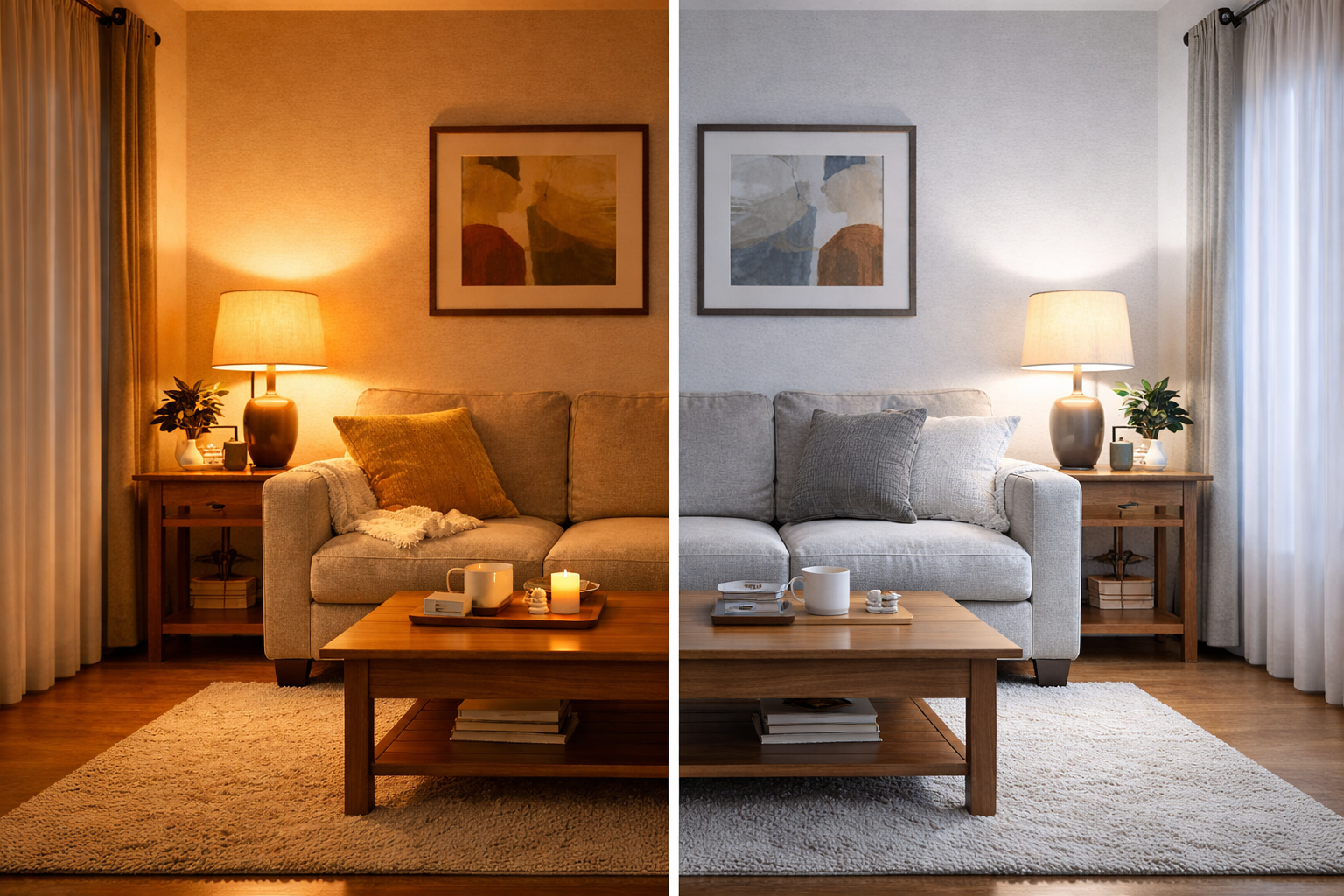
Lighting colour temperature has a significant influence on how a space feels. While specifications such as lumens and wattage determine brightness and efficiency, colour temperature shapes atmosphere, comfort, and visual clarity. Understanding the difference between warm white and cool white lighting helps ensure the lighting in your home or workspace supports the activities and mood …
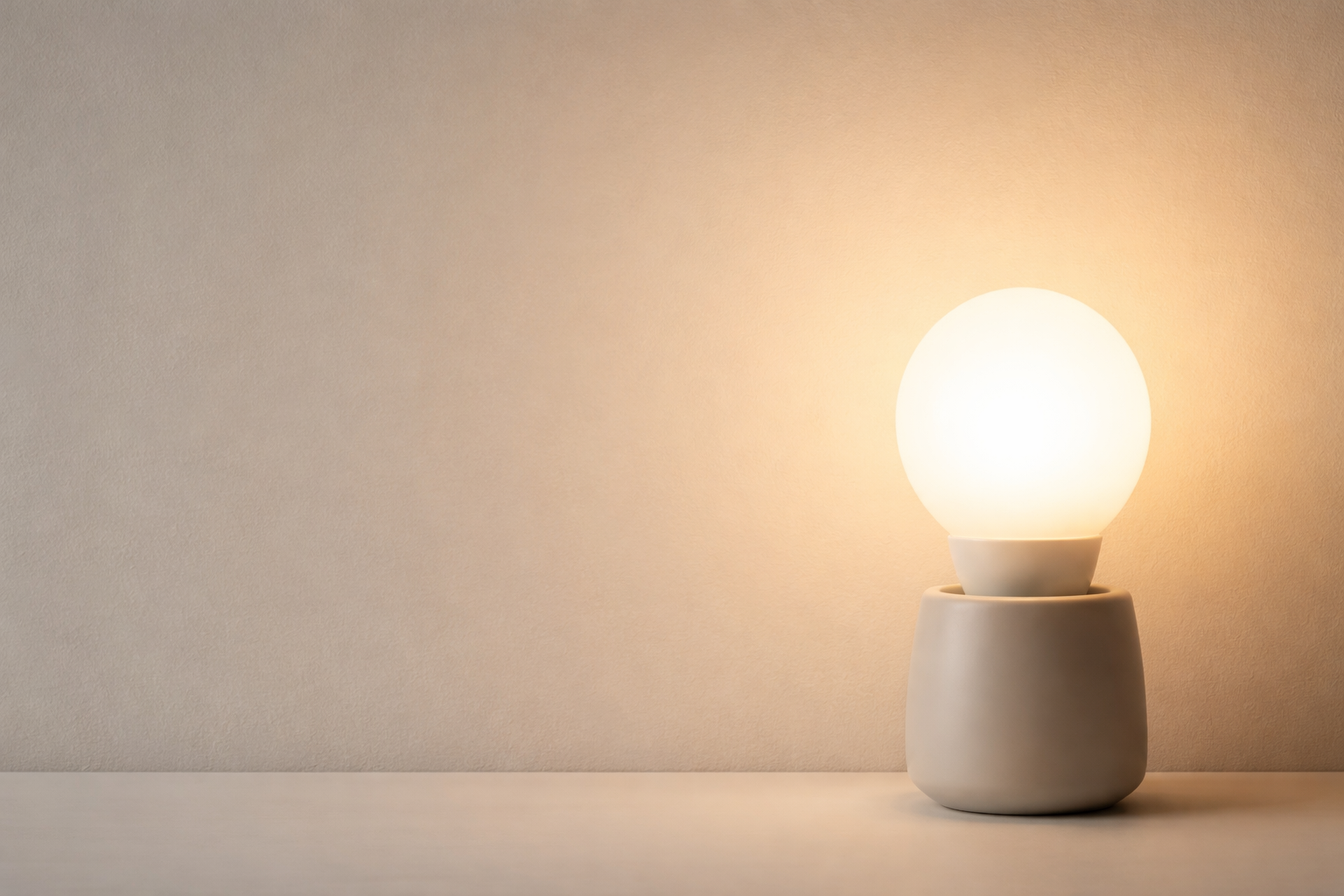
Why Light Bulbs Matter More Than Fixtures When people think about lighting, they usually think about fixtures — pendants, lamps, wall lights. Light bulbs are treated as interchangeable components, chosen at the last minute. In reality, the bulb is the light. Fixtures only shape, hide, or direct it. Two identical fittings can feel completely different …
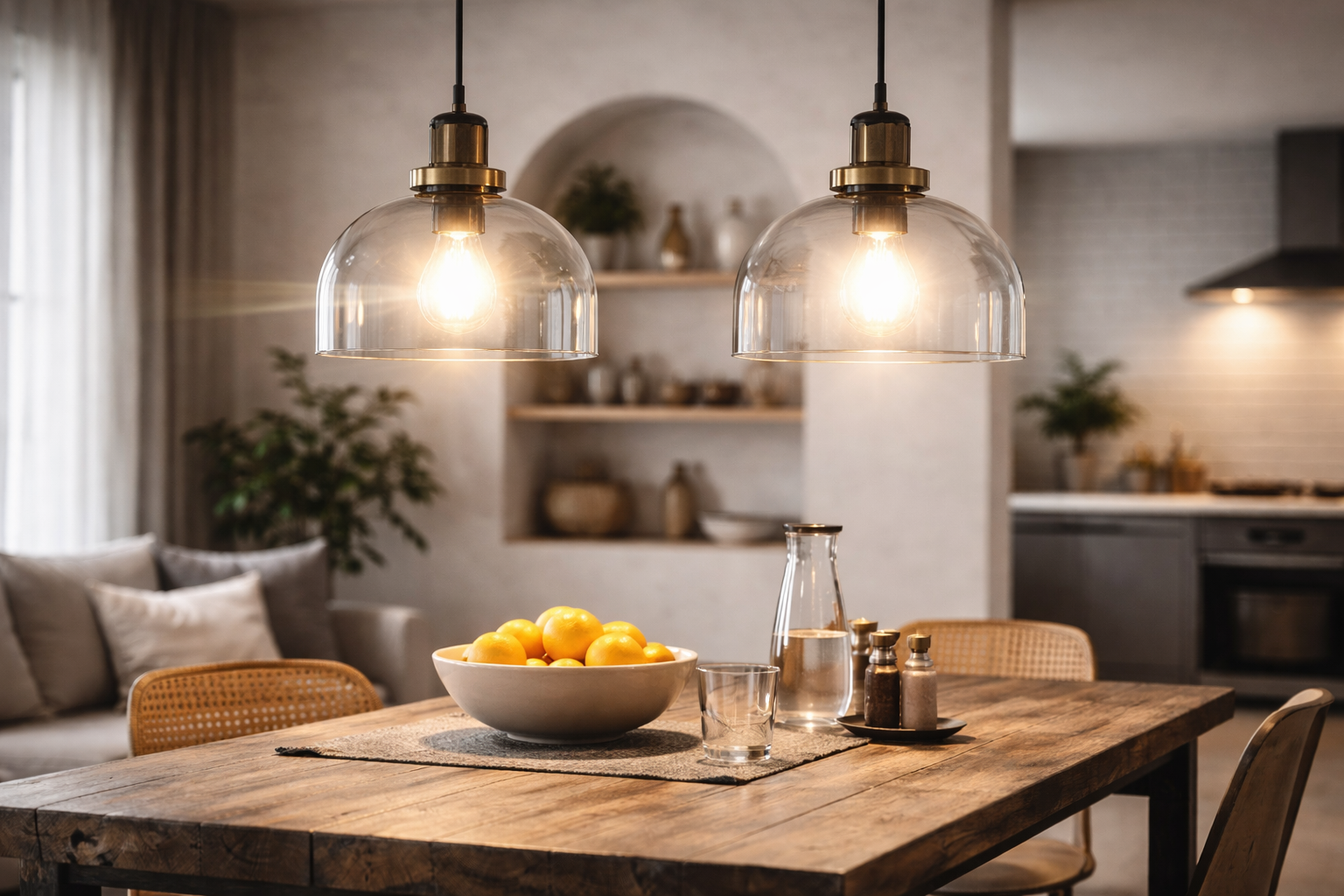
Glare is one of the most common lighting complaints — and one of the most misunderstood. Many people assume glare is caused by a light being “too bright”, when in reality it is usually the result of how light is delivered, positioned, and controlled. Pendant lights are especially prone to glare because they sit directly …

Balancing Modern Efficiency with Historic Character Retrofitting LED lighting in heritage buildings presents a unique challenge — maintaining the building’s historical integrity while meeting modern energy and performance standards. Retrofit LED upgrades allow property owners, conservation specialists, and architects to improve efficiency and safety without compromising the original aesthetics of traditional lighting designs. What Is …