
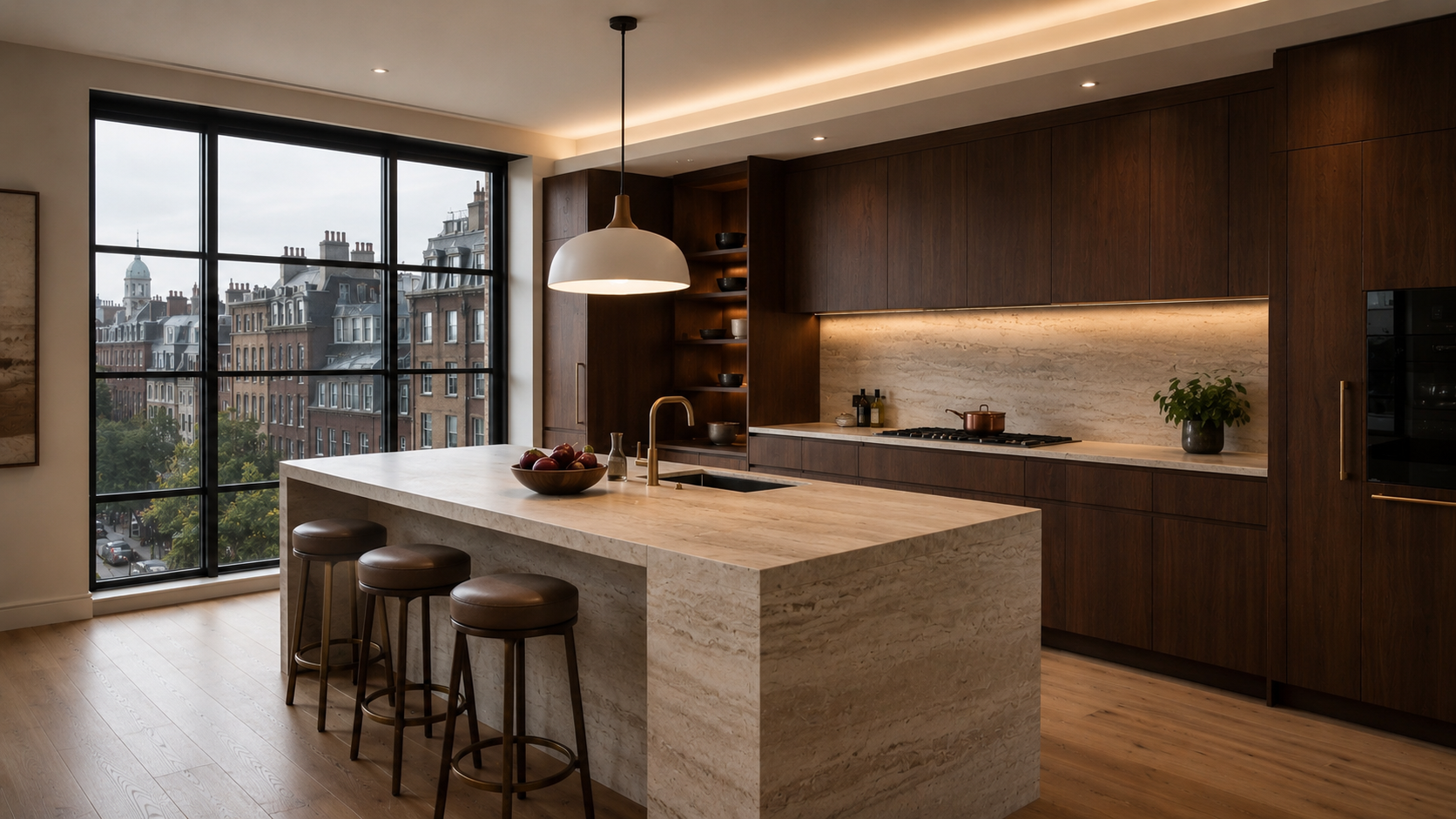
Lighting design principles form the foundation of every successful interior. While decorative light fittings contribute to a room’s character, thoughtful planning, careful placement and the correct balance of light are what truly create comfortable, functional and beautiful spaces. Whether you’re renovating a single room, building a new home or simply upgrading your lighting, understanding the …
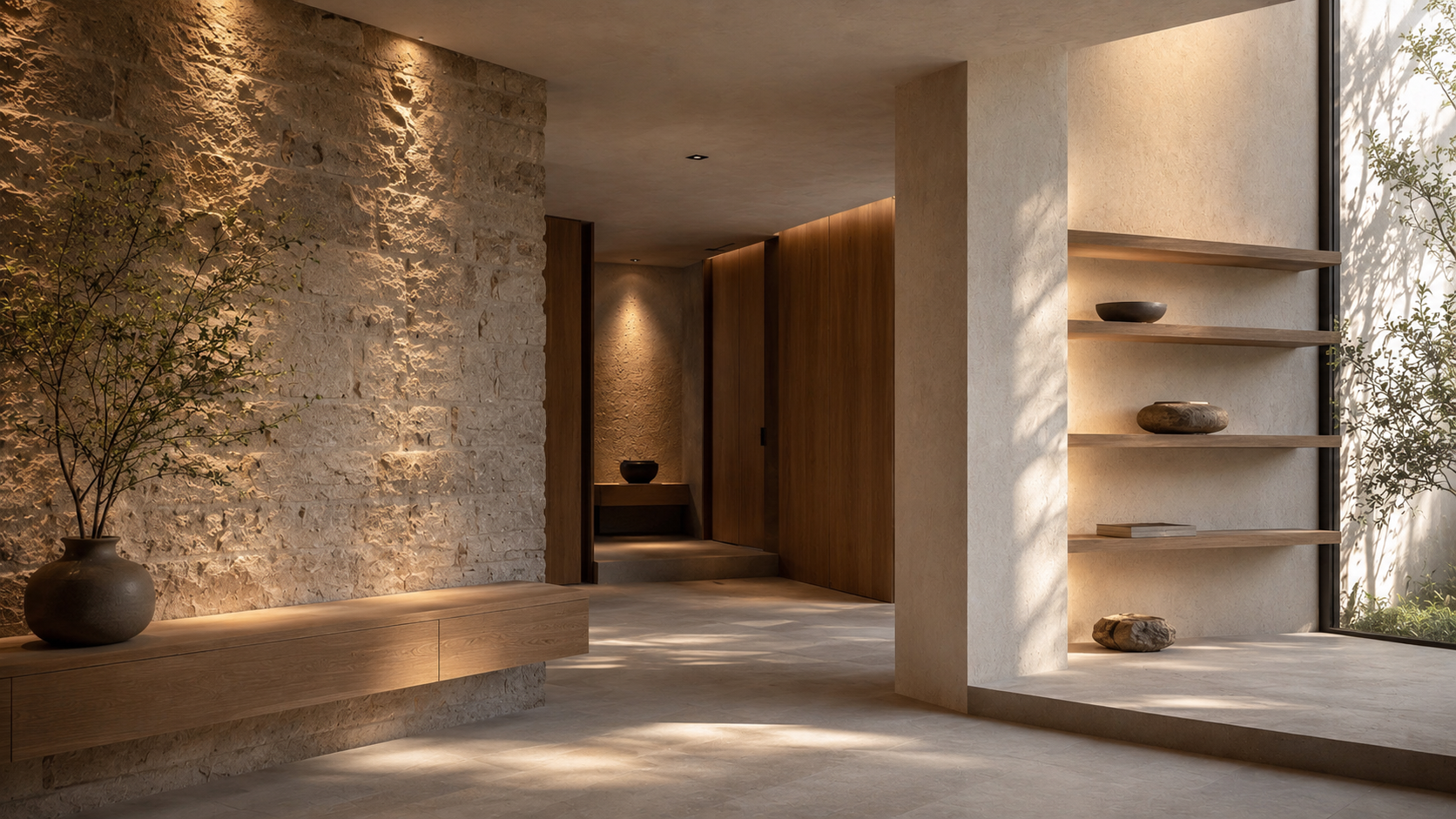
Why Well-Placed Shadows Transform Interior Design. Many people assume that good lighting means making every corner of a room as bright as possible. Professional interior designers take a different approach. Rather than eliminating every shadow, they use light and shade together to create spaces that feel balanced, comfortable and visually engaging. Carefully controlled shadows reveal …
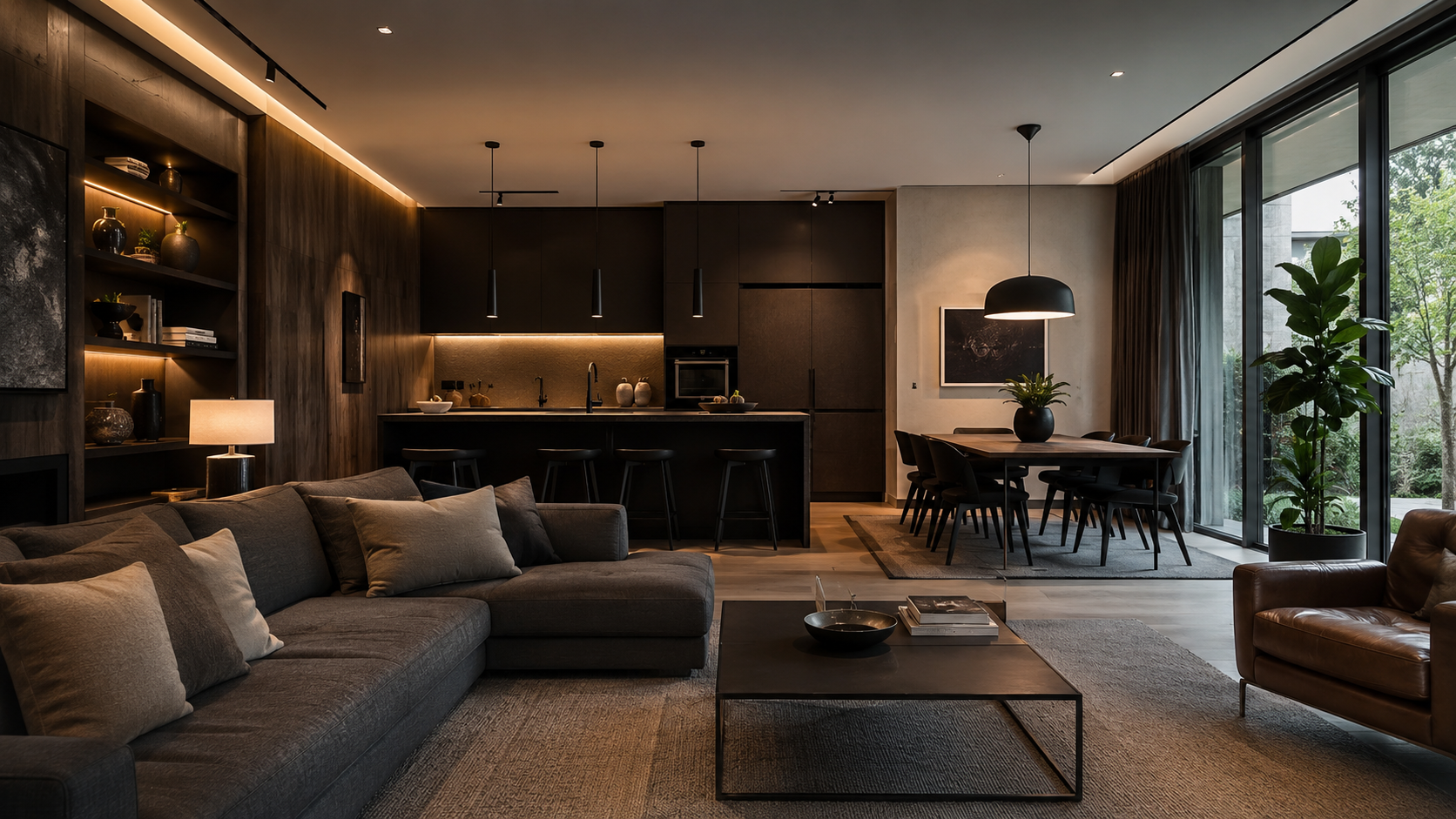
Why Home Lighting Matters. Lighting is one of the most important elements of interior design. The right lighting improves comfort, supports everyday activities, enhances architectural features and helps create the atmosphere you want in every room. Whether you are designing a new home, renovating a single room or simply replacing light fittings, understanding how different …
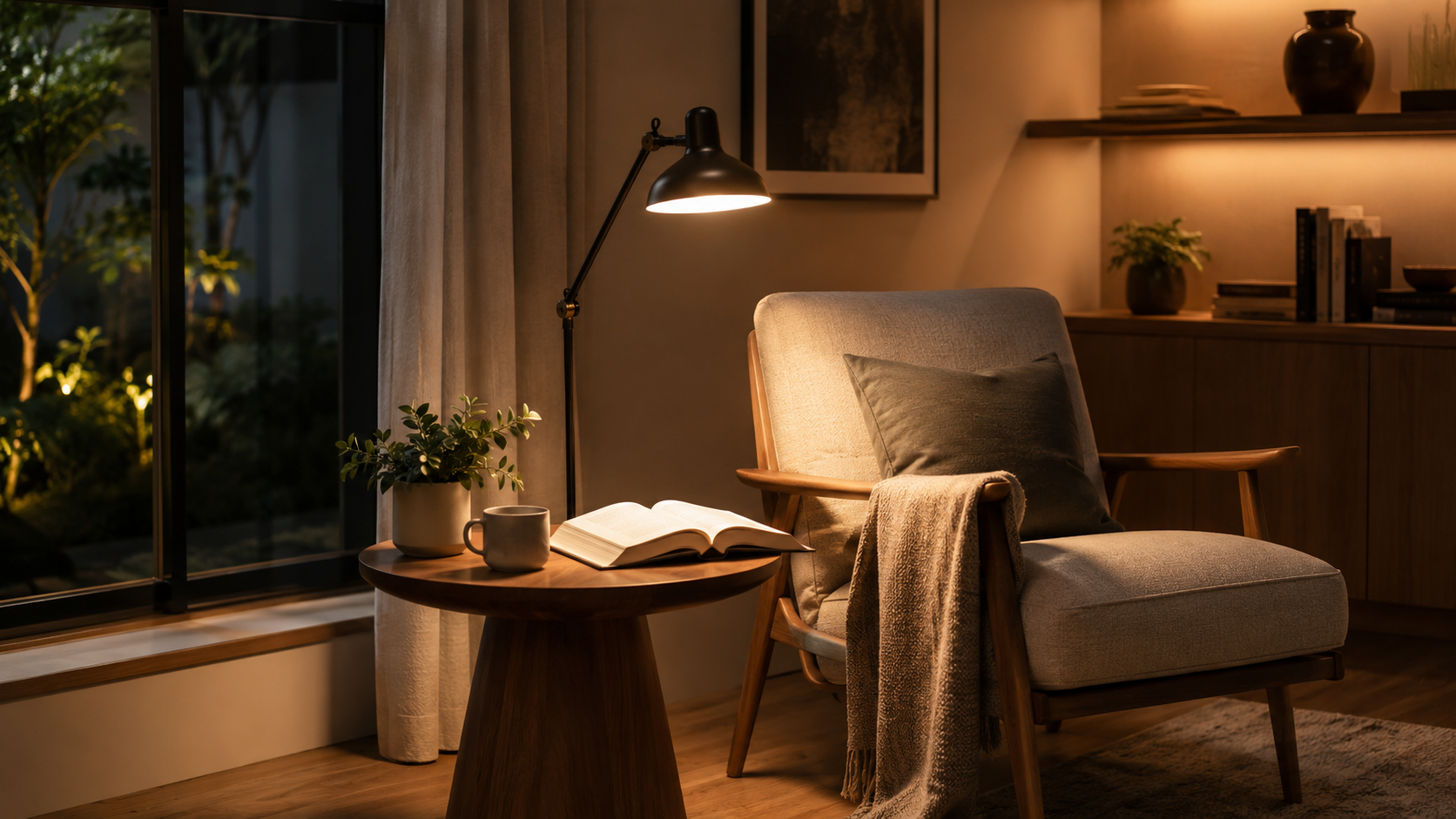
What Are Lumens? When shopping for lighting, many people assume that a higher lumen rating automatically means better lighting. While lumens are important, they only measure the total amount of visible light produced by a light source. They do not measure lighting quality, visual comfort or how effectively light is distributed within a space. Understanding …
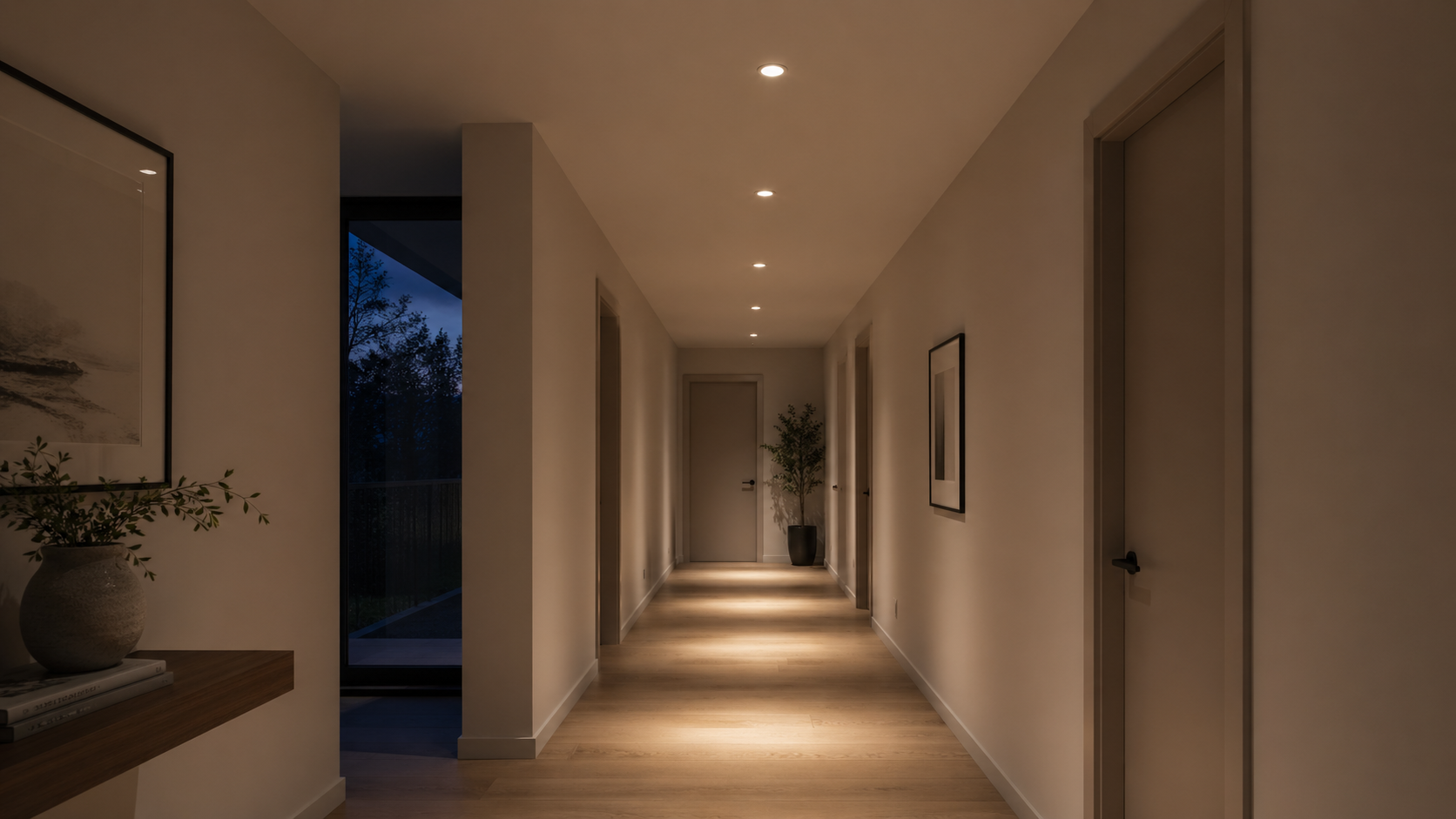
Flush Lighting for Clean, Practical Interiors. Recessed and downlights are designed to sit flush within ceilings, providing clean, low-profile illumination without visible fixtures. By positioning the light source inside the surface, they deliver practical lighting while maintaining a simple, uncluttered appearance. Used across both residential and commercial spaces, these fittings are one of the most …
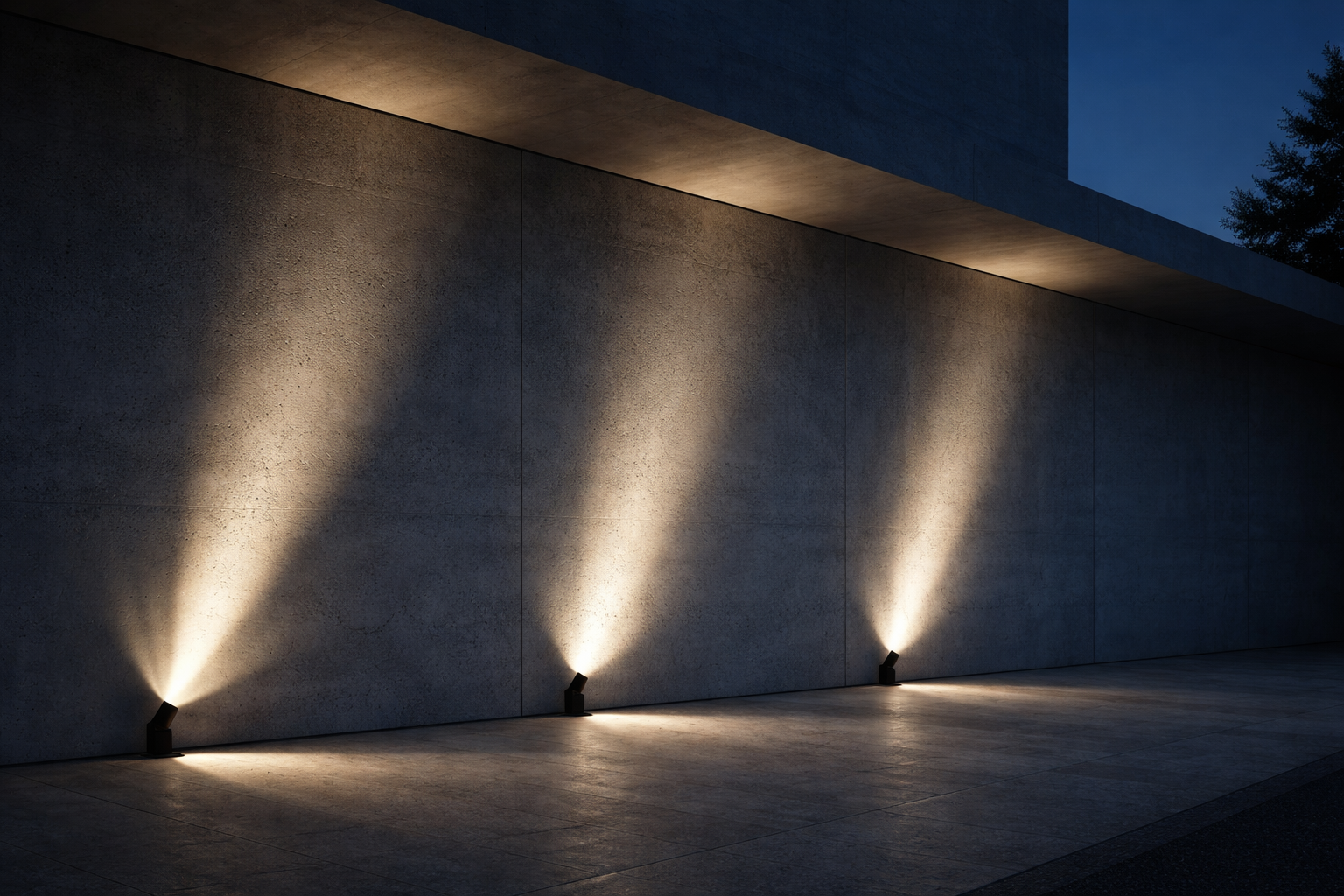
How spotlights shape direction and focus in interior lighting. Spotlights are designed to direct light with precision, making them one of the most effective ways to highlight specific areas, objects, or architectural features. Unlike general lighting, which spreads light evenly across a space, spotlights focus illumination where it is needed most. Commonly used in living …
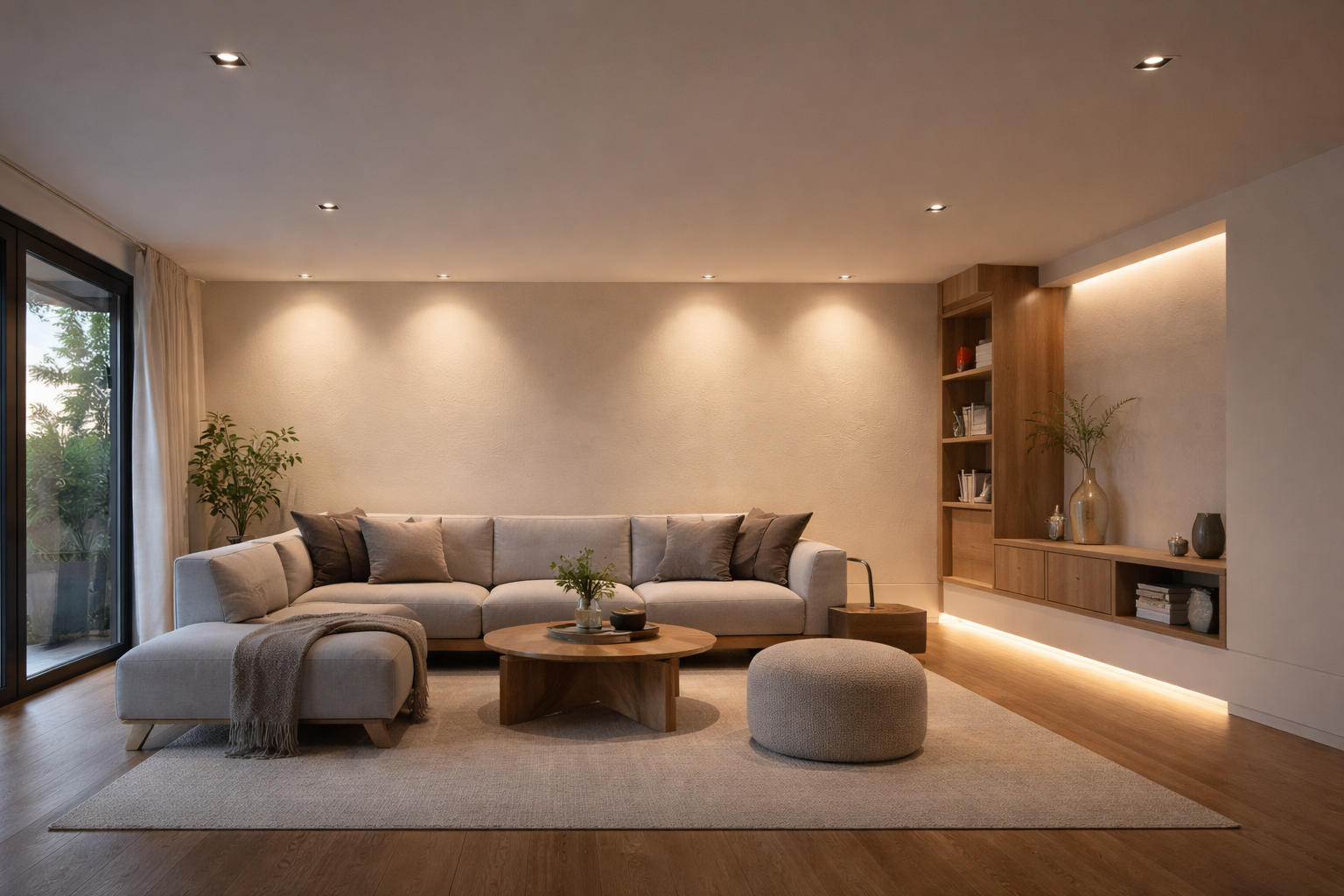
Why Glare Ruins Good Lighting. Glare is one of the most common — and most overlooked — lighting problems in modern interiors. Even well-designed spaces can feel uncomfortable if light sources are exposed, poorly positioned, or overly intense. Designing lighting without glare requires more than diffusers and dimmers. It involves controlling angles, concealment, reflection, and …
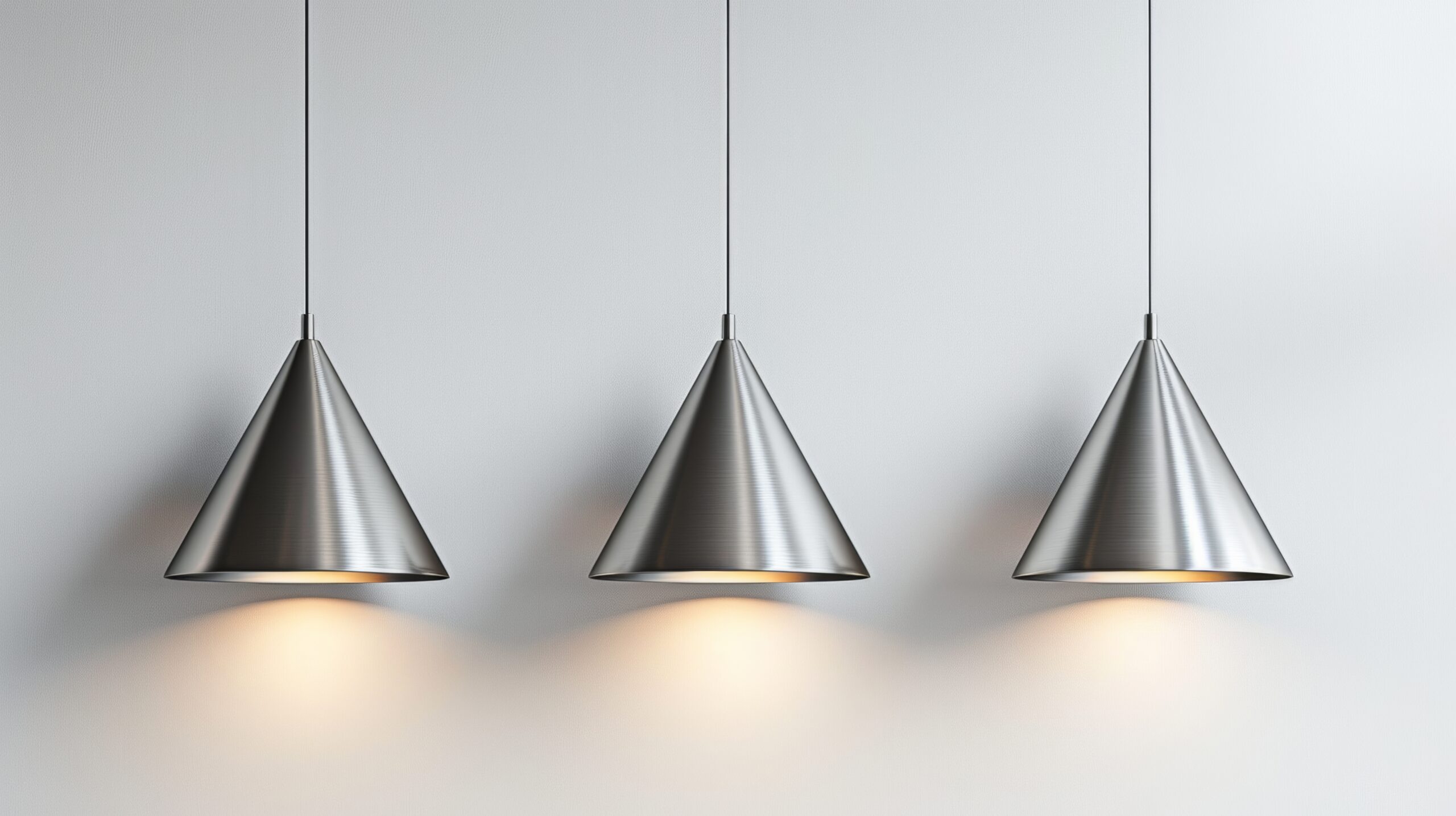
Beam angle determines how widely or narrowly light is distributed from a luminaire, making it one of the most important considerations in lighting design. Measured in degrees, it influences how light interacts with architecture, highlights materials and creates atmosphere. Choosing the correct beam angle helps achieve balanced illumination while avoiding unnecessary glare, dark patches or …

Understanding the Language of Light. Lighting terminology can often feel overwhelming, especially with so many technical terms used in product descriptions and design discussions. Understanding these terms helps you make informed choices about performance, energy efficiency, and aesthetics. This guide explains the most common lighting terms in simple language, making it easier to compare products …