
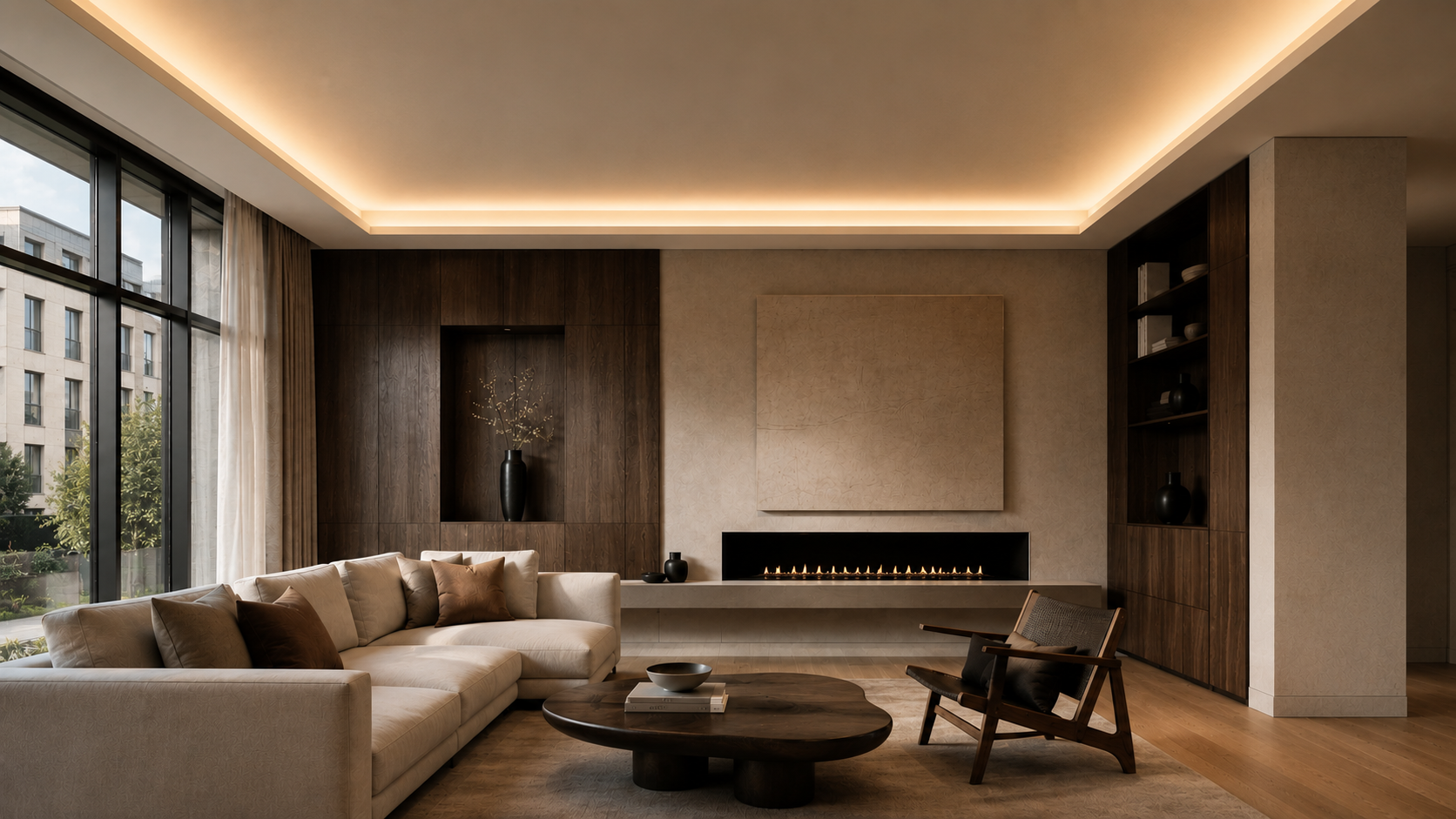
Ceiling cove lighting creates soft, indirect illumination by concealing the light source within a recessed ceiling detail. Instead of shining directly into the room, light is reflected from the ceiling to produce comfortable ambient lighting that enhances architecture while reducing glare. Modern cove lighting is typically created using LED strip lighting installed within dedicated LED …
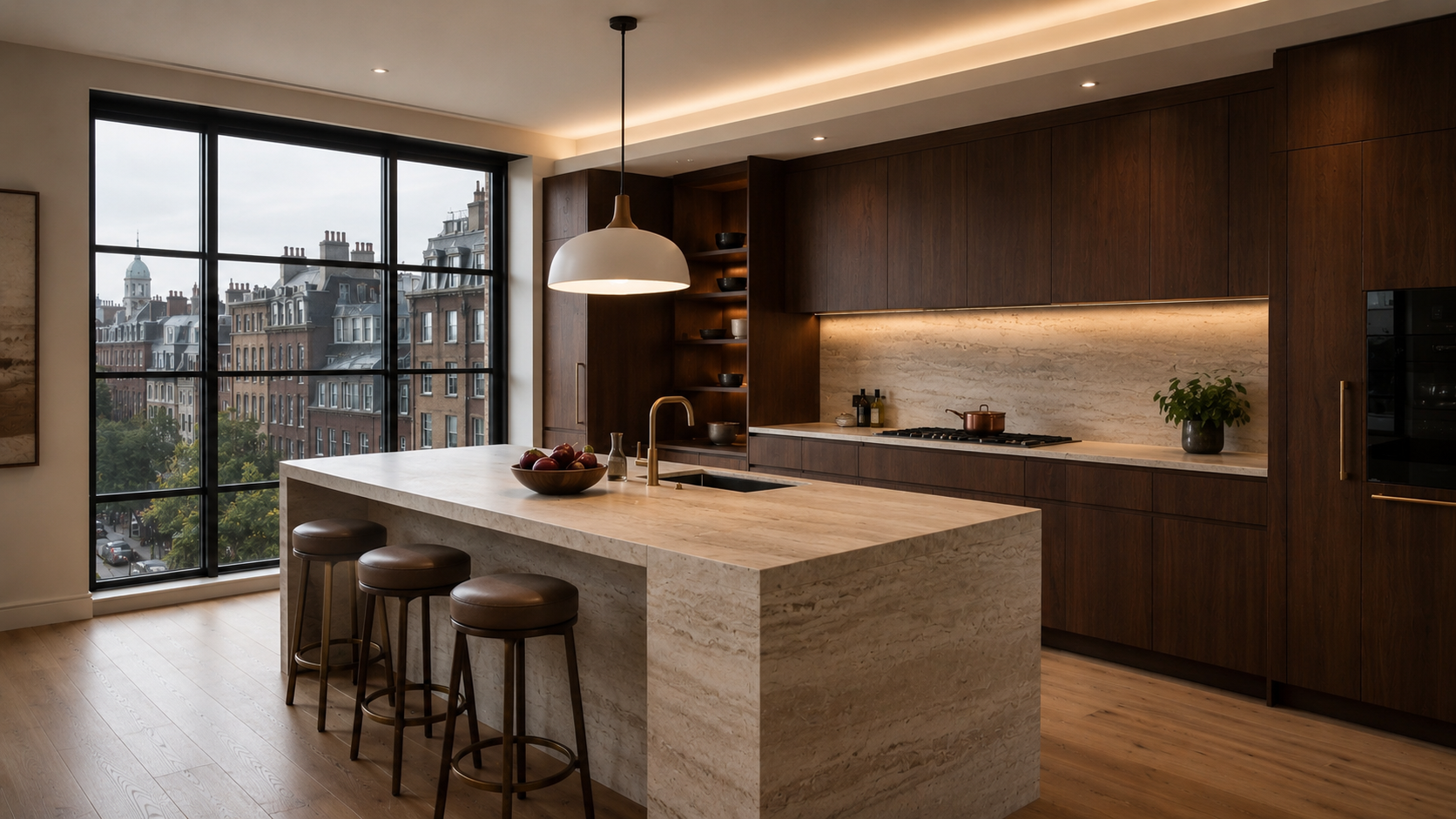
Lighting design principles form the foundation of every successful interior. While decorative light fittings contribute to a room’s character, thoughtful planning, careful placement and the correct balance of light are what truly create comfortable, functional and beautiful spaces. Whether you’re renovating a single room, building a new home or simply upgrading your lighting, understanding the …
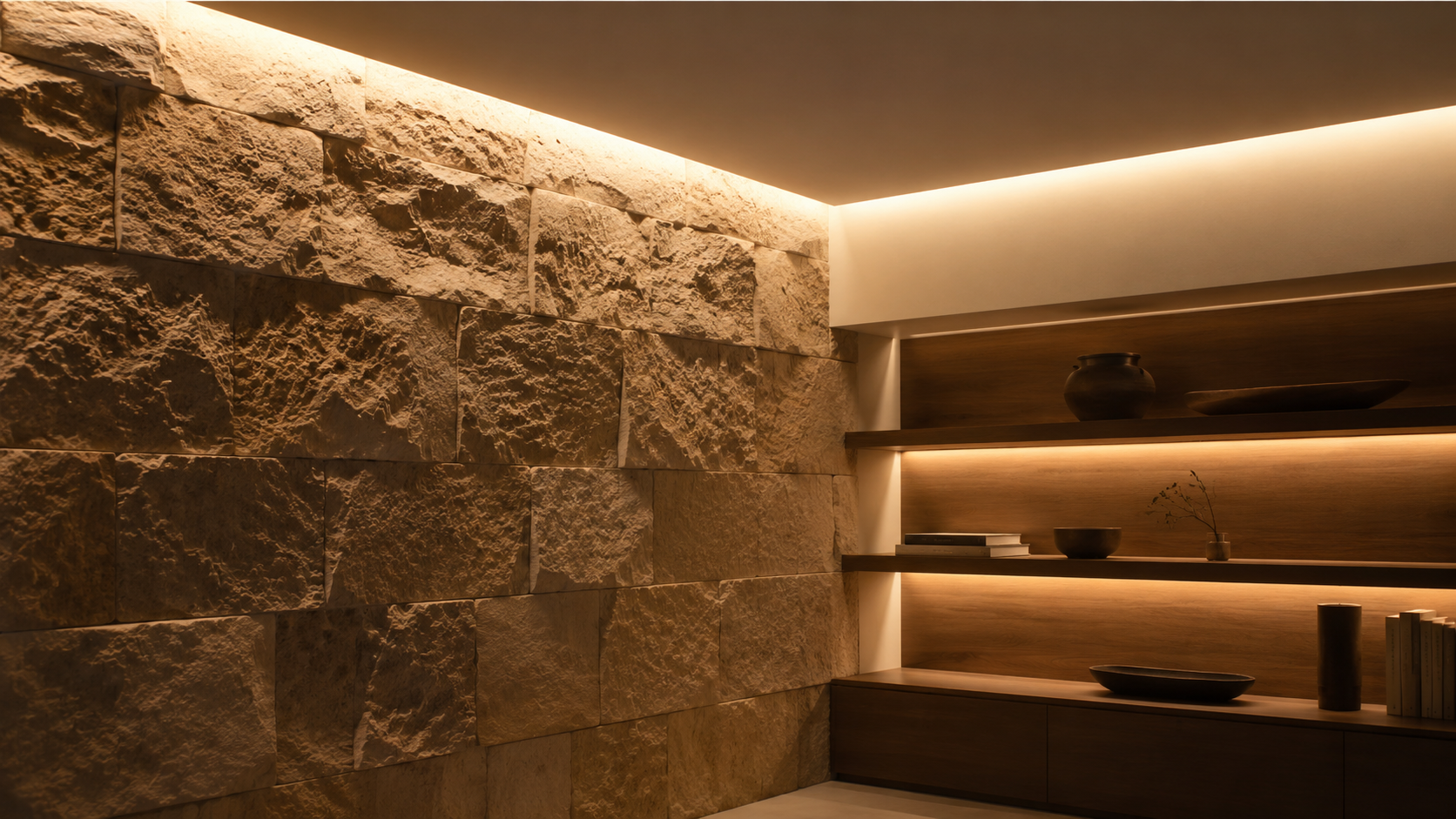
The Role of Shadows in Lighting Design. Many people think good lighting should remove every shadow from a room. In reality, the opposite is true. Professional lighting designers use carefully controlled shadows to add depth, reveal texture and create comfortable, visually interesting interiors. A room with no shadows often feels flat, while a room with …
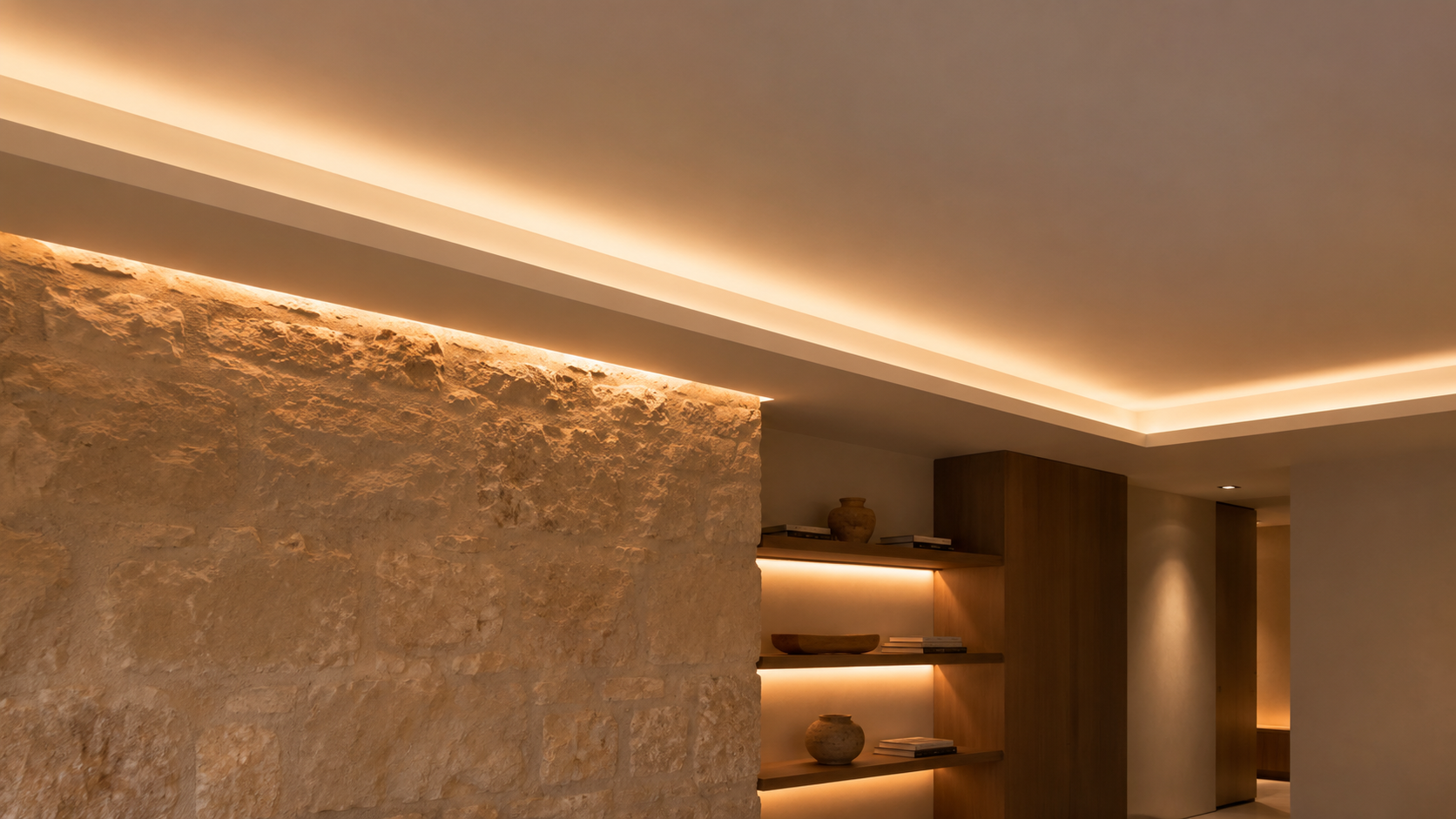
Why Indirect Lighting Matters. Indirect lighting is one of the most effective ways to create comfortable, visually balanced interiors. Instead of shining light directly into a room, indirect lighting reflects illumination from ceilings, walls or other surfaces, producing a softer and more even distribution of light. This approach reduces harsh shadows, minimises glare and helps …
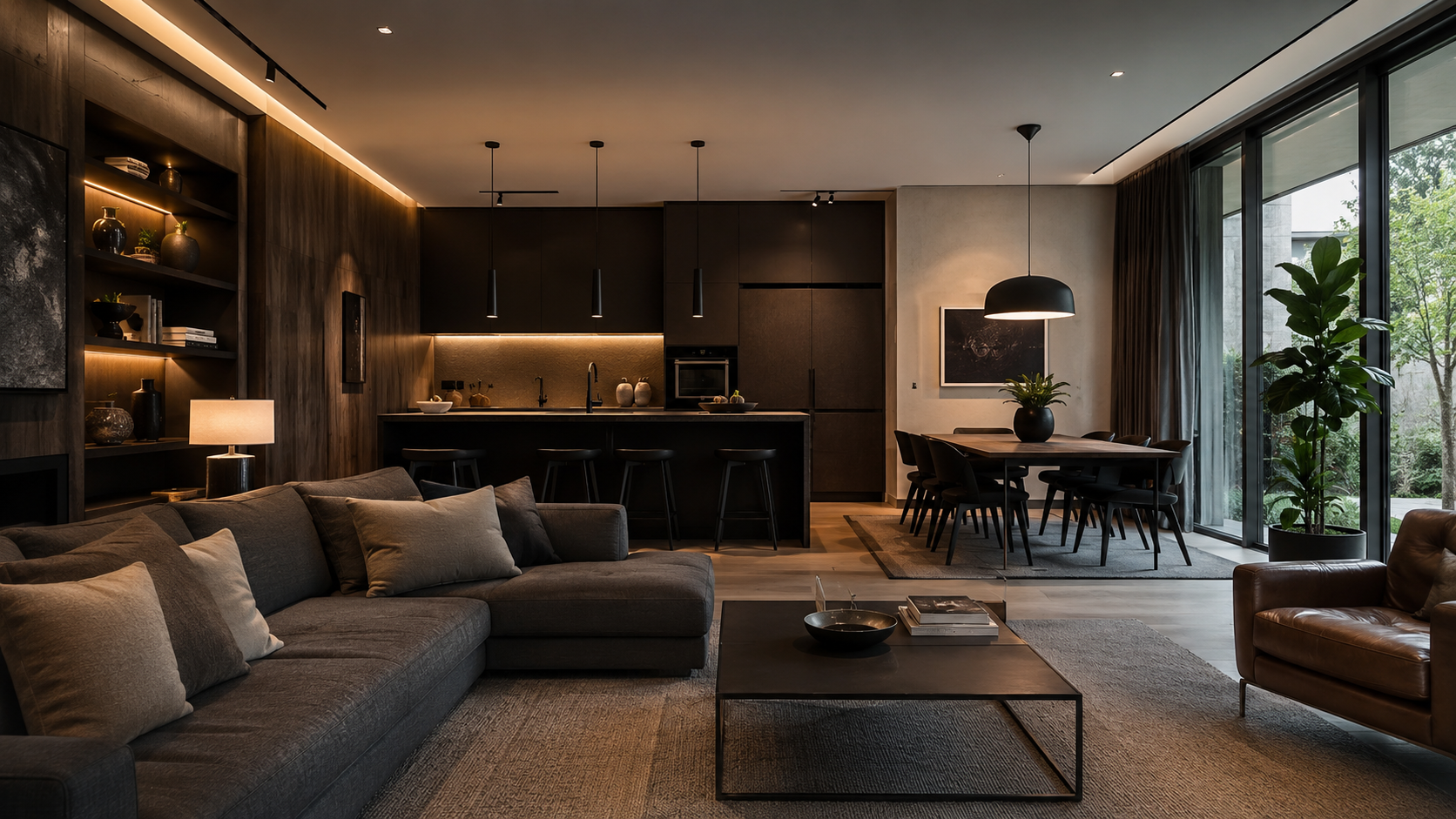
Why Home Lighting Matters. Lighting is one of the most important elements of interior design. The right lighting improves comfort, supports everyday activities, enhances architectural features and helps create the atmosphere you want in every room. Whether you are designing a new home, renovating a single room or simply replacing light fittings, understanding how different …
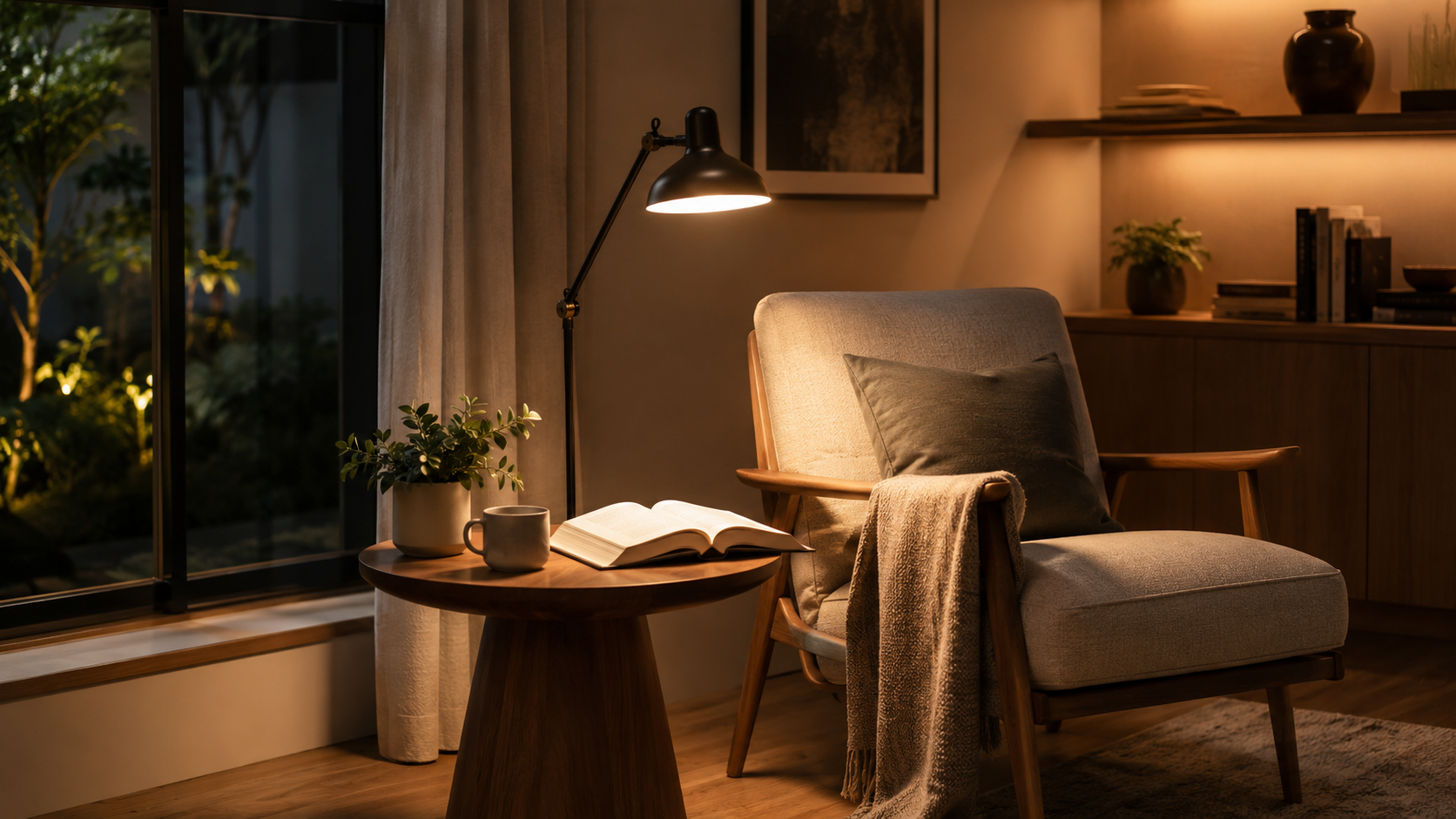
What Are Lumens? When shopping for lighting, many people assume that a higher lumen rating automatically means better lighting. While lumens are important, they only measure the total amount of visible light produced by a light source. They do not measure lighting quality, visual comfort or how effectively light is distributed within a space. Understanding …
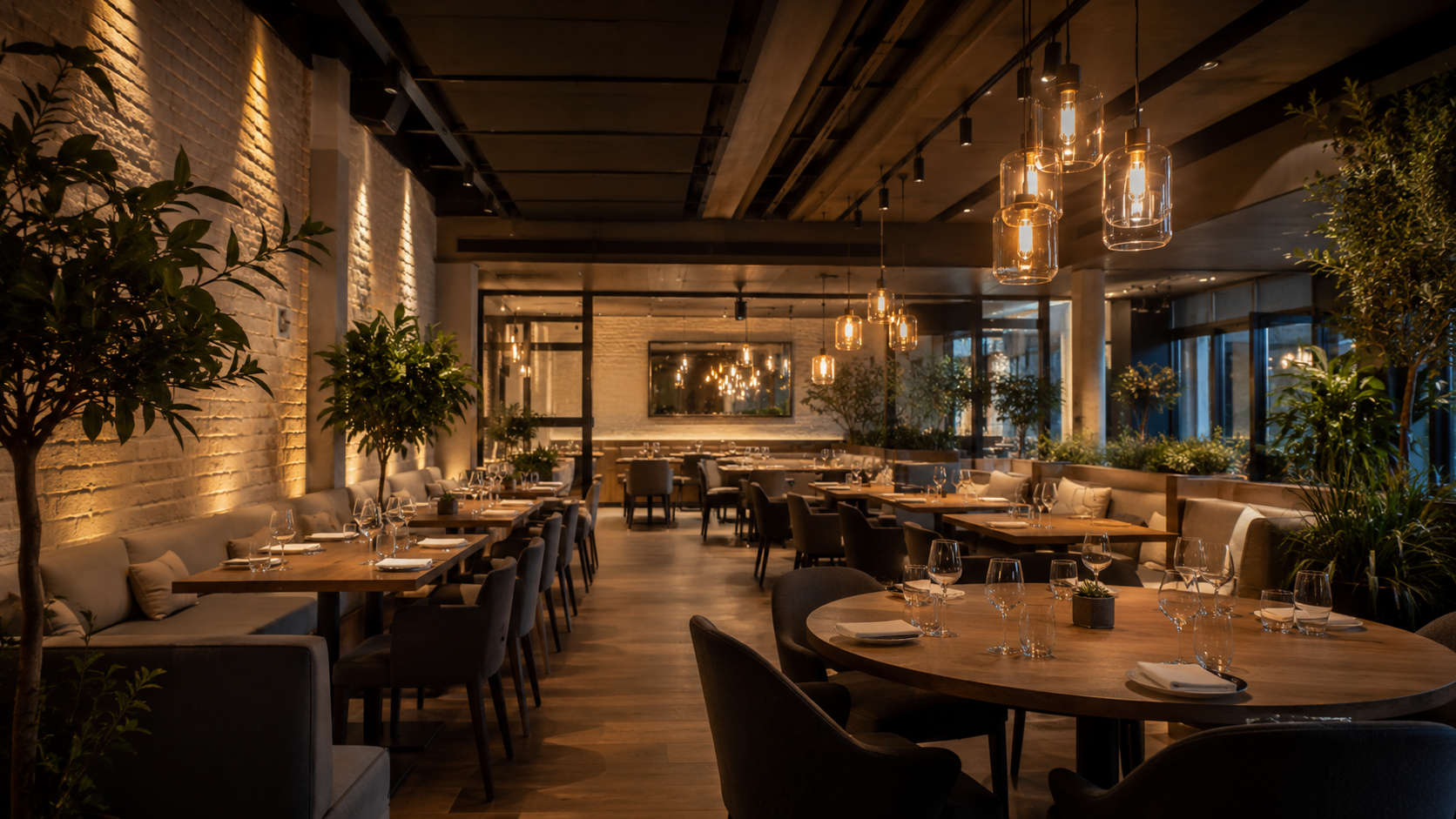
Why Restaurant Lighting Matters. Restaurant lighting does far more than simply illuminate tables. It helps create atmosphere, shapes customer perceptions and influences how people experience a dining space. From the moment guests enter, lighting contributes to their first impression of the venue. A well-designed lighting scheme can make a restaurant feel warm, welcoming and memorable. …
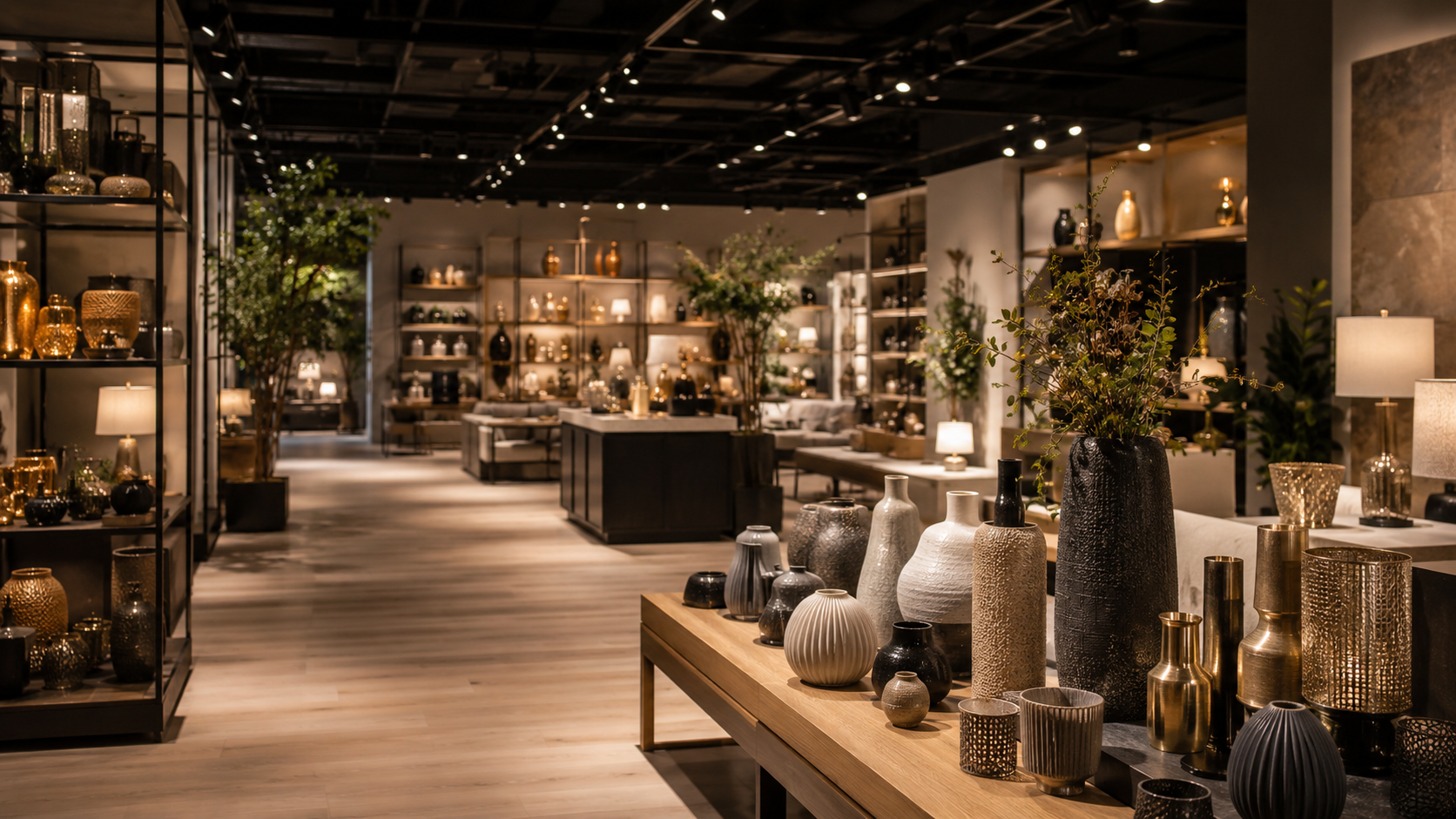
Why Retail Lighting Matters. Retail lighting does far more than simply illuminate a store. A well-designed lighting scheme can influence customer behaviour, highlight products, strengthen brand identity and create a more enjoyable shopping experience. Customers often make purchasing decisions based on what attracts their attention first. Lighting helps direct that attention by creating focal points, …
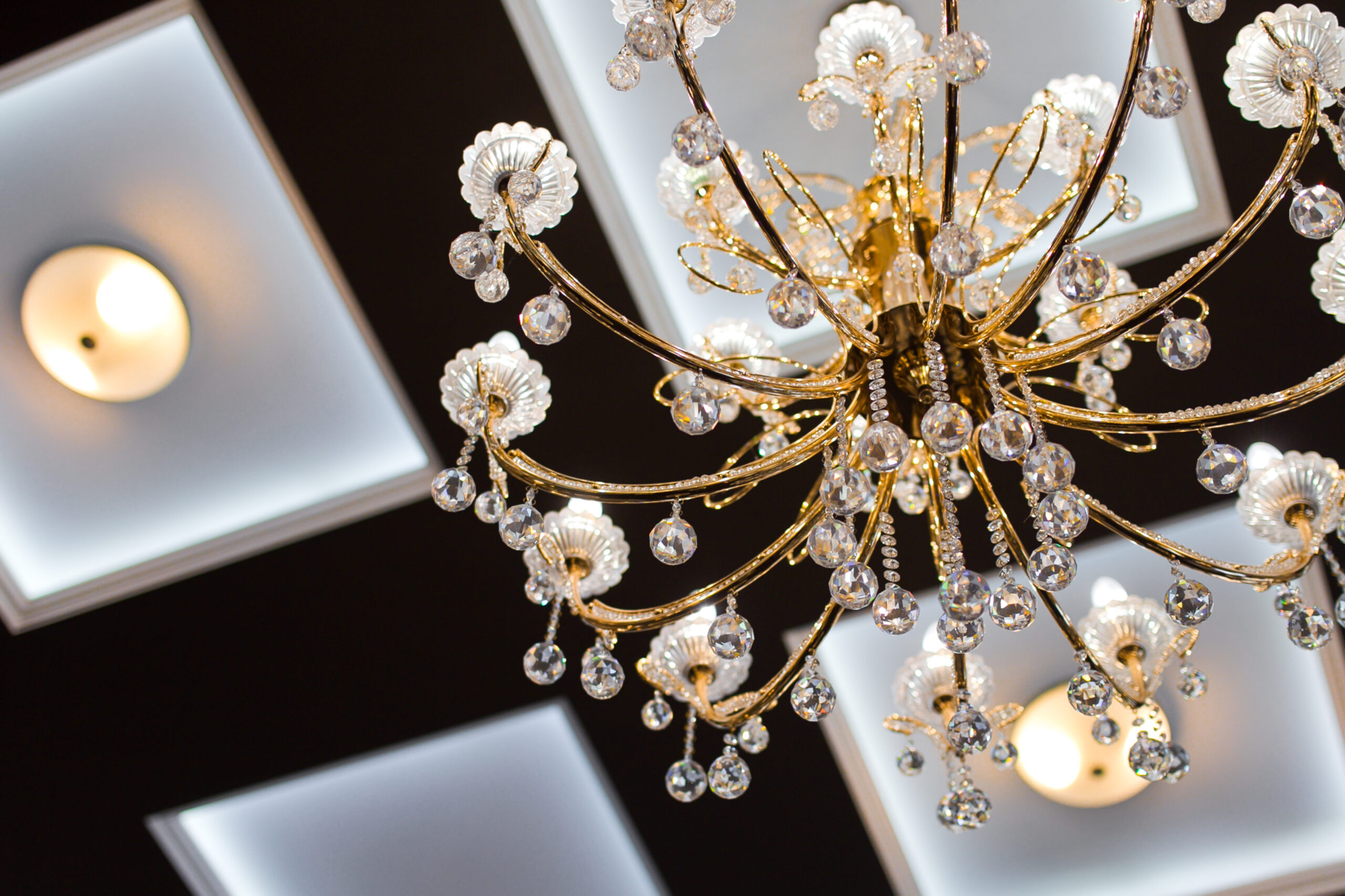
Why Chandeliers Matter in Interior Spaces. Chandeliers are designed to create presence. Unlike other lighting types that aim to integrate quietly, chandeliers act as central features that define a space through scale, position, and visual weight. When chosen and placed correctly, they establish hierarchy and help anchor a room. Used effectively, a chandelier is not …